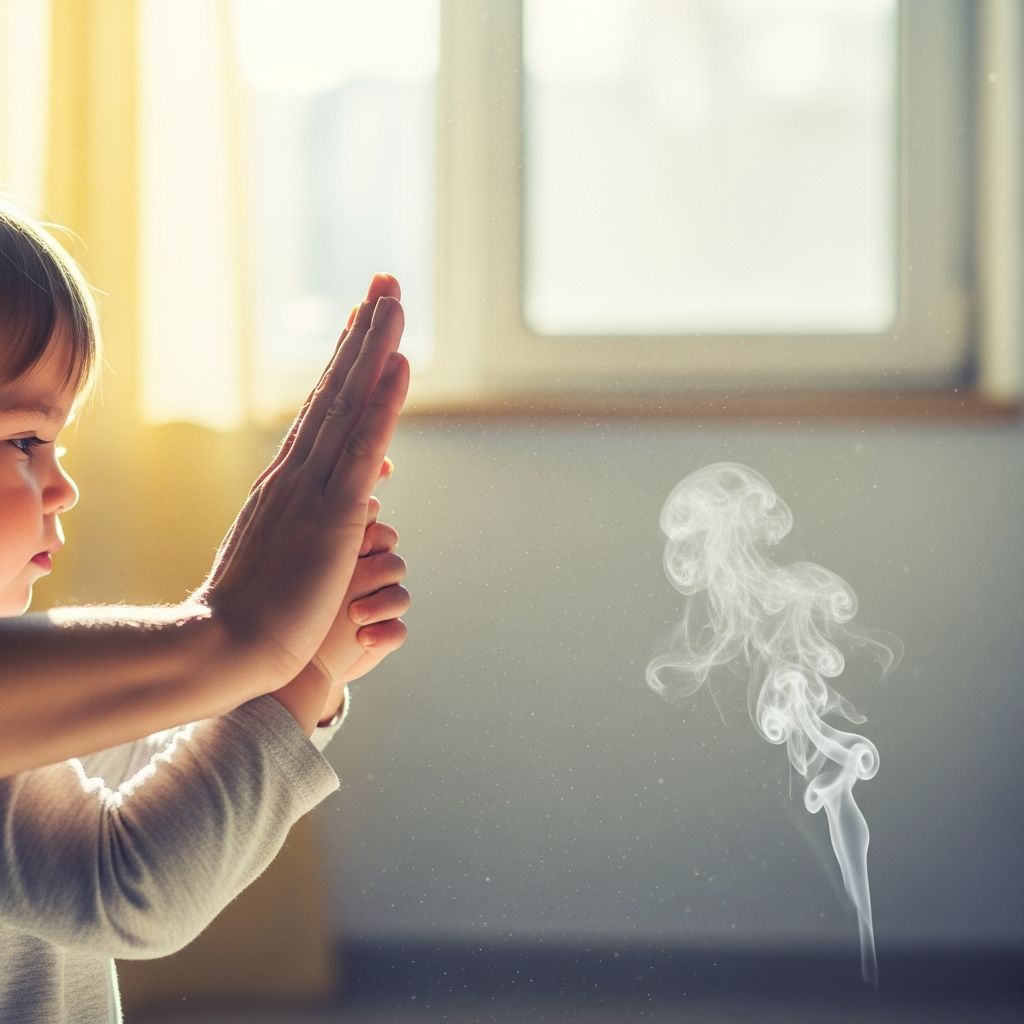
Secondhand smoke exposure remains a significant threat to children’s health, containing over 7,000 chemicals that impair developing lungs and immune systems. Even brief encounters can trigger immediate issues like coughing and wheezing, while prolonged contact leads to chronic conditions.
Understanding the Composition and Pathways of Exposure
Secondhand smoke, also known as passive or environmental tobacco smoke, consists of mainstream smoke exhaled by smokers and sidestream smoke from burning cigarettes. This mixture infiltrates homes, cars, and public spaces, lingering on surfaces as thirdhand smoke. Children, with their higher breathing rates and proximity to adults, absorb these toxins at alarming levels—often more than adults due to their smaller bodies and developing physiology.
In households where smoking occurs indoors, invisible residues cling to furniture, clothing, and walls, releasing harmful particles long after the smoke dissipates. Infants and toddlers, who crawl and mouth objects, face heightened risks from this pervasive contamination.
Immediate Respiratory Threats to Young Lungs
Children’s respiratory systems are particularly vulnerable because their airways are narrower and lungs are still maturing. Exposure decreases lung efficiency across all ages, leading to frequent colds, sore throats, and exacerbated sinus issues. In infants under two, it doubles the risk of bronchitis and pneumonia, with parents smoking half a pack daily nearly doubling hospitalization odds for respiratory illnesses.
The U.S. Environmental Protection Agency attributes 150,000 to 300,000 annual lower respiratory infections in children up to 18 months to secondhand smoke, including 7,500 to 15,000 hospitalizations. Common symptoms include wheezing, shortness of breath, and persistent coughs, which disrupt sleep and daily activities.
- Increased incidence of acute infections like pneumonia and bronchitis
- Worsened chronic conditions such as cystic fibrosis and rhinitis
- Higher rates of middle ear infections, often requiring surgical interventions like ear tube placements
Asthma: A Leading Concern Amplified by Smoke
Secondhand smoke is a proven trigger for asthma attacks, causing new cases in previously healthy children and intensifying symptoms in those diagnosed. Children exposed experience more severe episodes, increased medication needs, and greater school absenteeism. The EPA estimates 200,000 to 1,000,000 asthmatic children suffer worsened conditions due to this exposure.
Maternal smoking during pregnancy elevates asthma risk in the first five years of life, but quitting before conception eliminates this danger. Attacks can become life-threatening, underscoring the urgency of smoke-free environments.
Sudden Infant Death Syndrome and Early Vulnerabilities
Infants exposed post-birth face a sharply elevated risk of Sudden Infant Death Syndrome (SIDS). Combined with low birth weight from prenatal exposure, these factors create a deadly synergy for newborns. Children’s underdeveloped immune systems struggle against the toxins, leading to prolonged illnesses and higher complication rates.
Beyond Breathing: Cognitive and Behavioral Impacts
The neurotoxic effects of secondhand smoke extend to brain development, impairing learning abilities even at low levels. Over 21.9 million children risk reading deficits, with higher exposure linked to math and visuospatial reasoning shortfalls. Prenatal and postnatal exposure correlates with Attention Deficit Hyperactivity Disorder (ADHD) and conduct disorders, particularly hyperactivity and aggression in boys.
Girls encounter higher exposure rates but show different behavioral patterns, highlighting gender-specific vulnerabilities. These deficits persist, affecting academic performance and social interactions long-term.
Long-Term Health Consequences into Adulthood
| Childhood Exposure Effect | Adult Outcome |
|---|---|
| Decreased lung function | Chronic respiratory diseases |
| Altered aortic elasticity | Early atherosclerosis markers |
| Prolonged toxin absorption | Increased lung cancer and heart disease risk |
| Thirdhand smoke residues | Nicotine dependence in never-smokers |
Early exposure stunts lung growth, predisposing individuals to lifelong respiratory issues, heart disease, and even cataracts. Women with heavy childhood exposure face 68% higher infertility and miscarriage rates. Motor vehicle exposure may foster nicotine dependence symptoms in youth.
Creating a Safe Haven: Practical Prevention Strategies
Eliminating exposure starts at home. Designate outdoor smoking zones exclusively, and enforce strict no-smoking rules in vehicles—crucial given concentrated toxin levels. Wash hands, change clothes, and brush teeth post-smoking to minimize thirdhand transfer.
- Establish smoke-free policies: Commit household-wide bans, extending to visitors.
- Ventilate wisely: Opening windows helps but doesn’t fully clear toxins; prioritize quitting.
- Support cessation: Use nicotine replacements, counseling, or apps for smokers aiming to quit.
- Educate family: Share CDC facts to build consensus on child protection.
Smoke-free legislation has proven effective, reducing exposure and related illnesses, though outcomes vary by enforcement.
The Role of Communities and Policy in Protection
Public bans in workplaces and hospitality venues cut population-level exposure, benefiting children indirectly. Parents advocate by supporting local ordinances and school programs on tobacco dangers. Healthcare providers play a key role, tailoring cessation messages to family needs.
Frequently Asked Questions
Can secondhand smoke cause new asthma cases in children?
Yes, it induces new asthma diagnoses and aggravates existing ones, leading to more severe symptoms and school absences.
Is there a safe level of secondhand smoke exposure for kids?
No safe threshold exists; even minimal contact harms developing bodies, per the U.S. Surgeon General.
How does secondhand smoke affect infant sleep and SIDS risk?
It heightens SIDS likelihood and disrupts sleep via respiratory irritation and toxins.
Does quitting smoking before pregnancy protect children?
Absolutely—children of pre-pregnancy quitters show no elevated asthma risk.
What are signs of secondhand smoke harm in children?
Watch for frequent ear infections, wheezing, coughs, and growth delays; consult pediatricians promptly.
Empowering Parents for a Healthier Future
Armed with knowledge, parents can decisively act against secondhand smoke, fostering environments where children thrive without toxin burdens. Quitting benefits extend to model healthy behaviors, reducing the intergenerational cycle of smoking. Prioritize these changes today for lasting health gains.
References
- Secondhand Smoke and Children — ENT Health. 2023. https://www.enthealth.org/be_ent_smart/secondhand-smoke-and-children/
- Health Problems Caused by Secondhand Smoke — Centers for Disease Control and Prevention (CDC). 2024-01-22. https://www.cdc.gov/tobacco/secondhand-smoke/health.html
- Health Effects of Secondhand Smoke on Children — Americans for Nonsmokers’ Rights. 2023. https://no-smoke.org/health-effects-secondhand-smoke-children/
- Secondhand Tobacco Smoke and Children’s Health — California Office of Environmental Health Hazard Assessment (OEHHA). 2019. https://oehha.ca.gov/sites/default/files/media/downloads/air/document/smoke2final.pdf
- A Systematic Review of the Impact of Secondhand Smoke Exposure — PubMed Central (PMC). 2024. https://pmc.ncbi.nlm.nih.gov/articles/PMC11601997/
- The Dangers of Secondhand Smoke — American Academy of Pediatrics (HealthyChildren.org). 2023. https://www.healthychildren.org/English/health-issues/conditions/tobacco/Pages/Dangers-of-Secondhand-Smoke.aspx
- Secondhand Smoke — Nemours KidsHealth. 2023. https://kidshealth.org/en/parents/secondhand-smoke.html