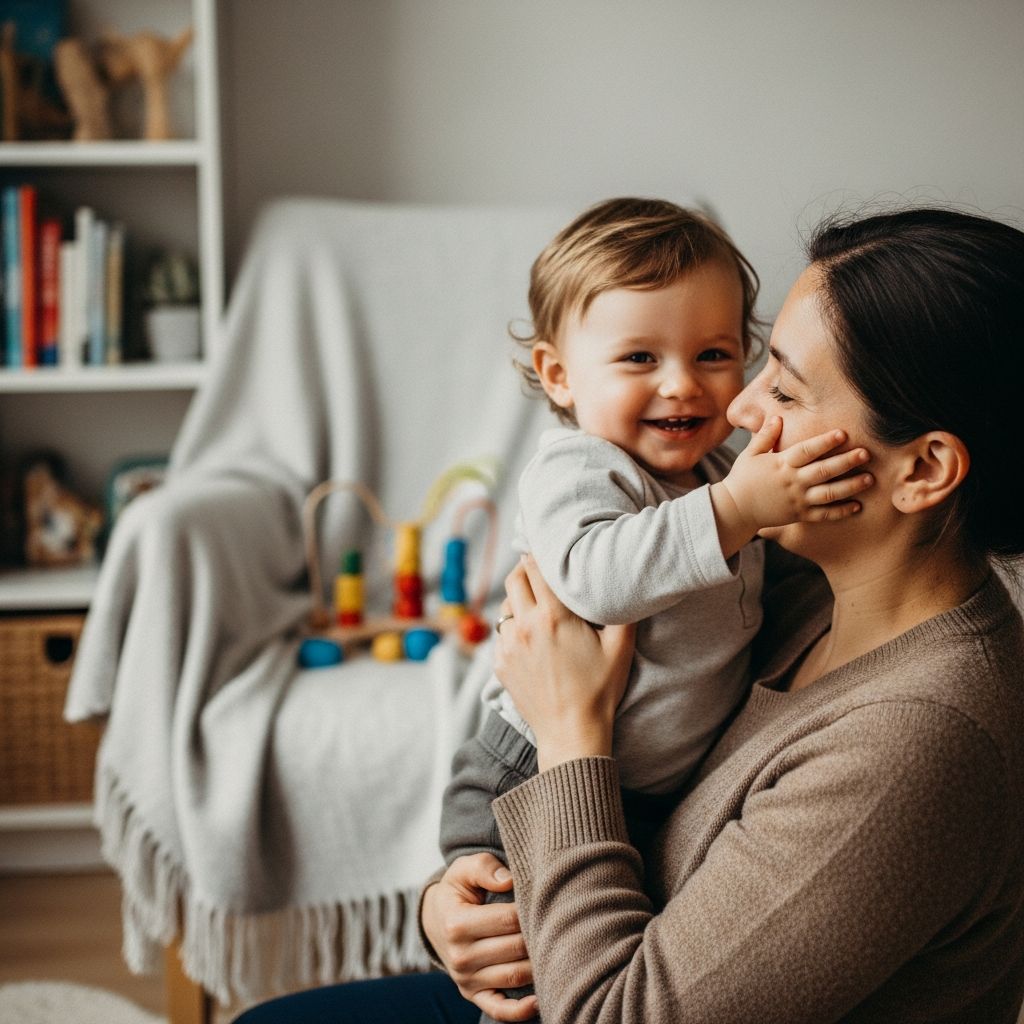
Transitioning Into Your Second Year: Understanding the Shift
The journey into a child’s second year of life represents a profound turning point for many parents. While the first year focuses largely on survival and adjustment to parenthood’s most basic demands, the second year introduces new layers of complexity and self-discovery. During this period, mothers and fathers begin to move beyond the fog of early infancy and start recognizing patterns in both their child’s development and their own capabilities as caregivers.
This transition marks a significant psychological milestone. Parents who spent months questioning their abilities, losing sleep over minor concerns, and comparing themselves to idealized versions of parenthood begin to develop a more grounded sense of competence. The accumulated experience of countless diaper changes, feeding sessions, and nighttime wake-ups has created a foundation of practical knowledge that simply cannot be replicated through reading or preparation.
Recognizing Your Authentic Parenting Voice
One of the most transformative aspects of the second year is the emergence of your distinctive parenting voice. In the early months, many parents follow prescribed approaches closely, adhering rigidly to sleep schedules, feeding guidelines, and developmental frameworks suggested by experts. By year two, successful parents begin to understand that while foundational knowledge matters, their individual circumstances, values, and intuition matter equally.
Finding your parenting voice means distinguishing between advice that genuinely aligns with your family’s needs and values versus advice that creates unnecessary stress or conflict. It involves recognizing what works for your specific child, whose temperament may be entirely different from what parenting books describe as “typical.” Some children thrive on rigid schedules, while others flourish with flexibility. Some respond well to firm boundaries, while others need gentler approaches. Your role becomes observing, experimenting, and trusting your growing expertise about your unique child.
This recognition also extends to the values you want to instill and the kind of parent you aspire to be. Rather than defaulting to how your own parents raised you or mimicking a friend’s approach, the second year often brings clarity about your intentional parenting choices. Whether that involves decisions about screen time, social activities, discipline strategies, or educational approaches, these choices become more deliberate and less reactive.
Navigating Behavioral Changes and Developmental Leaps
Between months twelve and twenty-four, children undergo remarkable developmental transformations that present both exciting opportunities and challenging moments for parents. Independence emerges in ways that can feel both thrilling and terrifying. Your toddler wants to do more things independently, which means less parental control and greater potential for accidents, messes, and power struggles.
This stage introduces the concept of limit-setting in ways that didn’t apply during infancy. A newborn has no capacity for intentional misbehavior; they cry because they need something. A toddler, however, begins asserting their will, testing boundaries, and discovering that their actions produce reactions. For the first time, parents must move beyond meeting physical needs and begin addressing behavioral guidance.
What makes this particularly challenging is that strategies that work during one month may become ineffective the next. A technique that successfully redirected tantrums at fifteen months might fail completely by twenty months as your child’s cognitive abilities expand. This requires parents to remain flexible, observant, and willing to adjust their approaches continuously. Rather than viewing this as a failure of previous strategies, understanding it as a natural part of development helps reduce parental frustration.
Building Confidence Through Problem-Solving
Throughout the first year, parents often experienced anxiety rooted in uncertainty. They worried about making wrong decisions, harming their child, or missing critical developmental windows. By the second year, accumulated experiences of successfully navigating challenges build genuine confidence. You’ve handled fevers, managed sleep regressions, comforted through illnesses, and discovered that you possess more capability than you previously realized.
This confidence doesn’t emerge from never facing difficulties. Instead, it grows from repeatedly facing challenges and discovering that you can handle them. When your toddler refuses to eat vegetables, you learn experimentation and persistence work better than panic. When sleep regressions disrupt routines you’ve carefully established, you discover adaptability and patience within yourself. Each small victory reinforces your ability to parent effectively, even amid uncertainty.
Confidence also grows through releasing perfectionism. Many parents enter parenthood with unrealistic expectations of what they should accomplish and how they should feel. By year two, most parents have recognized that some days involve letting dinner be takeout, keeping children in yesterday’s clothes, or abandoning ambitious activity plans. This acceptance of imperfection doesn’t represent failure; it represents wisdom and sustainability.
Deepening Understanding of Other Parents
Parenthood has a unique way of cultivating empathy for others navigating similar challenges. During the second year, many parents find their capacity for judging other parents diminishes dramatically. The parents who seemed to be struggling or making questionable choices before now appear to be doing their best with the resources available to them. This shift in perspective often extends to one’s own parents, fostering a deeper appreciation for the sacrifices and challenges they faced.
This expanded empathy creates space for support networks to become more meaningful. Rather than comparing whose child reaches milestones first or whose parenting style aligns most closely with expert recommendations, parents in year two often bond over shared frustrations, creative solutions, and the simple reality of showing up each day for their children. These connections become anchors during difficult periods and sources of celebration during victories.
Balancing Multiple Roles and Relationships
The second year of motherhood often coincides with important decisions about work, additional pregnancies, or expanding the family. These intersecting life events require parents to regularly reassess their priorities and adjust their strategies. What worked when you had only one child and were fully available changes dramatically if you add another child or return to employment.
Maintaining meaningful connections with partners, family members, and friends becomes increasingly intentional during this stage. The spontaneous adult interaction that might have happened in year one becomes something that requires planning and prioritization. Yet parents who successfully maintain these relationships report greater overall satisfaction and reduced parental burnout. Interaction with other adults provides necessary perspective, emotional support, and a reminder of your identity beyond your parenting role.
For many families, this is also a stage where intentionality about relationship maintenance with one’s partner becomes crucial. The intense demands of parenting a toddler can create distance if not actively addressed. Some couples find that small intentional practices—regular check-ins, date nights, shared responsibility for decision-making—strengthen their partnership during this demanding phase.
Establishing Routines That Serve Your Family’s Needs
While rigid schedules often feel constraining, thoughtfully established routines provide structure that benefits both children and parents. By the second year, families have had sufficient time to recognize what rhythms work best for their household. Some families thrive with structured naptime and bedtime routines, while others operate more fluidly. The key is that these routines align with your family’s natural tendencies and values rather than external expectations.
Effective routines for this age often include consistent meal times, predictable nap or quiet times, and established bedtime protocols. These anchors within the day provide children with security and predictability while giving parents regular breaks. Communicating these routines to partners, grandparents, and caregivers ensures consistency that children benefit from during this developmental stage.
Creating Space for Personal Growth Alongside Parenting
Many parents in year two begin recognizing that their identity extends beyond their parenting role. This realization doesn’t diminish their commitment to their children; rather, it acknowledges that maintaining some space for personal interests, friendships, or pursuits makes parents more present and fulfilled. Whether that involves regular exercise, creative projects, professional development, or simply uninterrupted time with friends, protecting small pockets of non-parenting time becomes important.
This shift often involves releasing guilt about not being constantly available or fully focused on child-rearing at every moment. Parents discover that taking care of themselves enables them to show up more effectively for their children. The second year often brings enough stability and routine that small amounts of regular self-care become feasible, whereas during the first year such considerations often felt impossible.
Frequently Asked Questions
Q: Is it normal to feel less anxious during the second year of motherhood?
A: Yes, most parents report decreased anxiety as they accumulate experience and develop confidence in their abilities. The unknown fears of early parenthood give way to practical problem-solving based on lived experience.
Q: How do I know if my parenting approach is working?
A: Consider whether your approach aligns with your values, whether your child generally feels secure and loved, and whether your family’s daily life feels manageable. Perfection is not the standard; sustainability and alignment with your values matters more.
Q: Should I stick with parenting strategies that worked in year one?
A: Many strategies need adjustment as your child develops. Remaining flexible and willing to experiment with new approaches based on your child’s changing capabilities and temperament allows you to respond effectively to their evolving needs.
Q: How can I maintain my identity beyond being a parent during year two?
A: Protect small pockets of time for activities or interests that nourish you personally. Even brief regular periods of non-parenting time can help maintain your sense of self and increase your overall fulfillment.
Q: What if my parenting style differs from other parents in my community?
A: Differences in parenting approaches are normal and often reflect different values, cultural backgrounds, and family circumstances. Confidence in choices aligned with your values matters more than conforming to others’ expectations.
The Journey Toward Authentic Parenting Confidence
The second year of motherhood represents a crucial turning point where parents transition from anxious uncertainty toward grounded confidence. This transformation doesn’t happen dramatically; rather, it accumulates through countless small moments of successfully navigating challenges, adjusting strategies, and discovering capabilities you didn’t know you possessed. By embracing your authentic parenting voice, maintaining realistic expectations, and staying flexible as your child develops, you create the foundation for not only surviving the second year but genuinely enjoying the remarkable journey of watching your child grow while simultaneously discovering yourself as a parent.
References
- Stages of Motherhood: Chapter Two (3 Months – 3 Years) — Focus on the Family. 2024. https://www.focusonthefamily.com/parenting/stages-of-motherhood/
- 13 Lessons 2 Years of Motherhood Has Taught Me — Nana Konamah. 2024. https://www.nanakonamah.com/articles/13lessons
- What I learned in my second year as a mom — Motherly. 2024. https://www.mother.ly/life/year-two-of-motherhood/
- 2nd year of motherhood in review — Jess Keys. 2024. https://jesskeys.com/2nd-year-of-motherhood-in-review/
- Childhood Development: The Second Year — American Academy of Pediatrics. 2023. https://www.healthychildren.org/English/ages-stages/toddler/Pages/default.aspx