Turning two is a big milestone, but that does not mean the celebration needs to be big, expensive, or complicated. At this age, a successful second birthday party is less about impressing adults and more about creating a calm, playful environment where toddlers feel safe, engaged, and free to explore.
This guide offers fresh, original ideas for planning a second birthday that is joyful, developmentally appropriate, and realistic for busy families. You will find inspiration for themes, activities, food, schedules, and practical details, along with answers to common questions parents have about celebrating a two-year-old.
What Matters Most at Age Two
Two-year-olds are curious and full of energy, but they can become overwhelmed quickly by crowds, loud noises, or long, structured activities. Keeping the party short, simple, and predictable helps your child feel comfortable and reduces meltdowns.
- Focus on familiar faces: Close family and a few toddler friends often work better than a large guest list.
- Plan for flexibility: Expect kids to move from one activity to the next quickly and allow for free play.
- Protect nap time: Choose a time of day when your child is usually well rested and calm, such as mid-morning or late afternoon.
Choosing the Right Scale for Your Celebration
Before picking a theme or decorations, decide how big you want the celebration to be. The size and style will influence your budget, schedule, and what you can realistically manage.
| Style | Guest Count | Best For | Pros | Considerations |
|---|---|---|---|---|
| Tiny Home Gathering | 3–6 kids plus adults | Families wanting calm, intimate celebrations | Easy to manage, low cost, less overwhelming for toddlers | Limited space for active play; decor must be minimal and practical |
| Backyard Play Party | 6–12 kids plus adults | Families with outdoor space and energetic toddlers | Room to run, easy clean-up, great for messy or water play | Weather dependent; requires backup plan indoors or under cover |
| Rented Play Space | 10+ kids plus adults | Parents who prefer built-in activities and less setup | Equipment provided, staff often help host, lots of room to explore | Higher cost, less control over noise level and timing |
Theme Ideas That Work for Two-Year-Olds
A theme does not have to be elaborate to be fun. For toddlers, a good theme is simply a familiar concept they already love, turned into colors, toys, and simple decor they recognize.
- Color Splash Party: Base the celebration on two or three bright colors. Use colored balloons, tableware, and play stations sorted by color (blue blocks, red balls, yellow scarves).
- Favorite Animal Day: Choose cats, dogs, farm animals, or jungle creatures. Use plush toys as decor, animal footprints on the floor, and simple animal masks for pretend play.
- Little Explorers: Set up “discovery zones” with magnifying glasses, nature baskets, and sensory bins filled with safe materials like dried pasta or pom-poms.
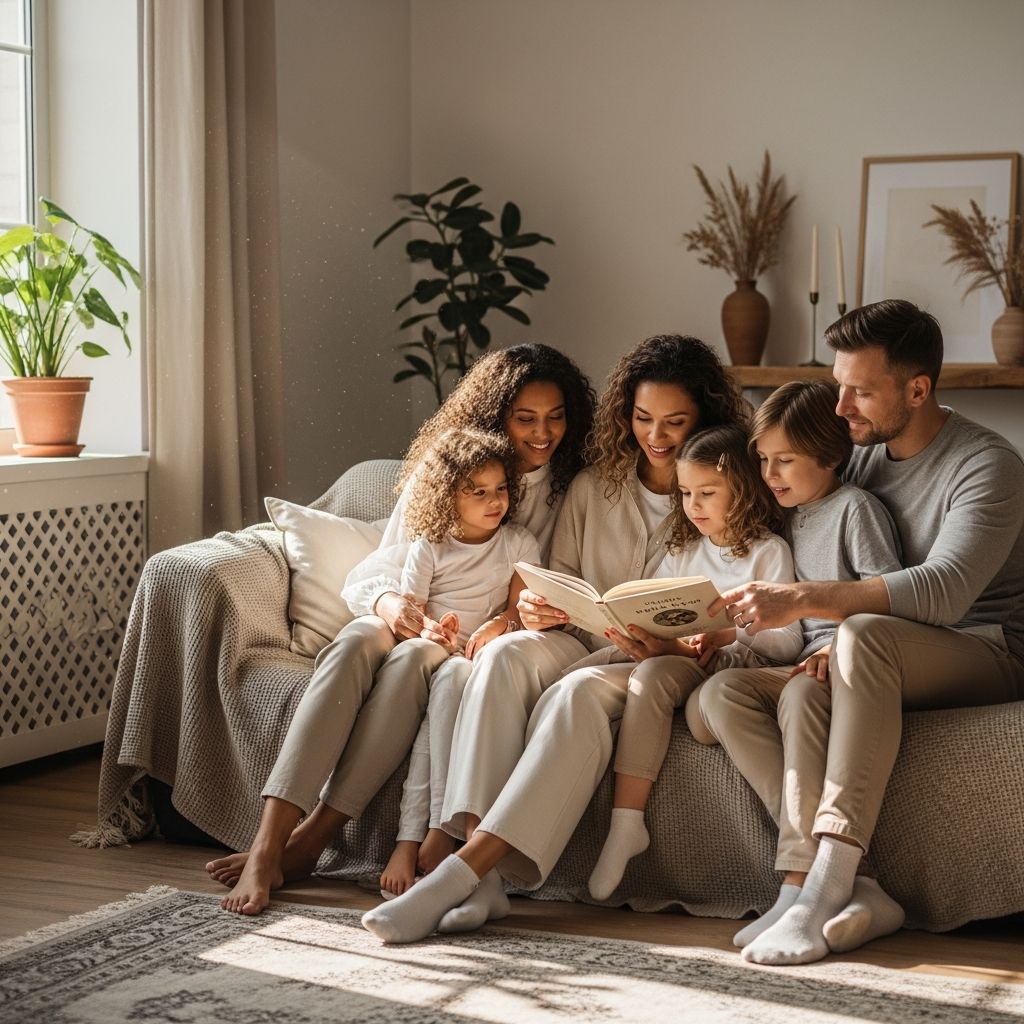
- Cozy Storybook Party: Center the celebration around a favorite book style (not a specific brand). Create reading nooks with pillows, simple illustration-style decor, and storytime as a main activity.
- Mini Music Fest: Use child-safe instruments, music scarves, rhythm games, and a dance corner instead of complex decorations.
Setting Up Toddler-Friendly Play Zones
Instead of planning a long list of formal games, divide your space into a few simple play zones. Toddlers can rotate between them at their own pace, which keeps frustration low and attention high.
- Movement Corner: Foam mats, tunnels, soft climbing blocks, and balls for rolling or gently tossing.
- Quiet Corner: Pillows, board books, and a few soft toys for children who need a break from the noise.
- Creative Corner: Large paper sheets taped to the table, chunky crayons, stickers, and washable stamps.
- Discovery Table: Simple sensory trays like dry rice with scoops, water beads in sealed bags, or textured fabrics for touching.
Indoor Activities for Any Weather
Indoor parties are ideal if your child is sensitive to temperature changes or if you want more control over noise and lighting. Choose activities that do not require long instructions or waiting turns.
- Bubble time using bubble machines or grown-ups blowing bubbles around the room.
- Soft balloon play, such as keeping balloons in the air or gently passing them in a circle.
- Freeze dance with short clips of music and simple cues like jump, clap, or wiggle.
- Toddler-level scavenger hunt: adults hide plush animals or colored cards in one room for kids to find.
Outdoor Fun for Energetic Toddlers
If you have access to a backyard or safe outdoor area, you can offer bigger movements and slightly messier play. Always provide shade, water, and a quiet space where kids can step away from the action.
- Water play tables with cups and funnels, or a shallow plastic tub supervised by adults.
- Sidewalk chalk art station on a patio or driveway.
- Mini obstacle path using cones, tunnels, stepping stones, or taped lines to walk along.
- Nature baskets for collecting leaves, rocks, and flowers, followed by simple sorting by size or color.
Simple Schedule for a Two-Hour Party
A short and predictable schedule helps toddlers know what to expect. Think of the party as a series of gentle waves: play, pause, snack, play again, then a calm ending.
- First 20–30 minutes: Arrival and free play in the main zones so children can warm up slowly.
- Next 15–20 minutes: One group activity such as interactive music time or storytime.
- Next 20–30 minutes: Snack and drinks, with space for children to sit comfortably and move around as needed.
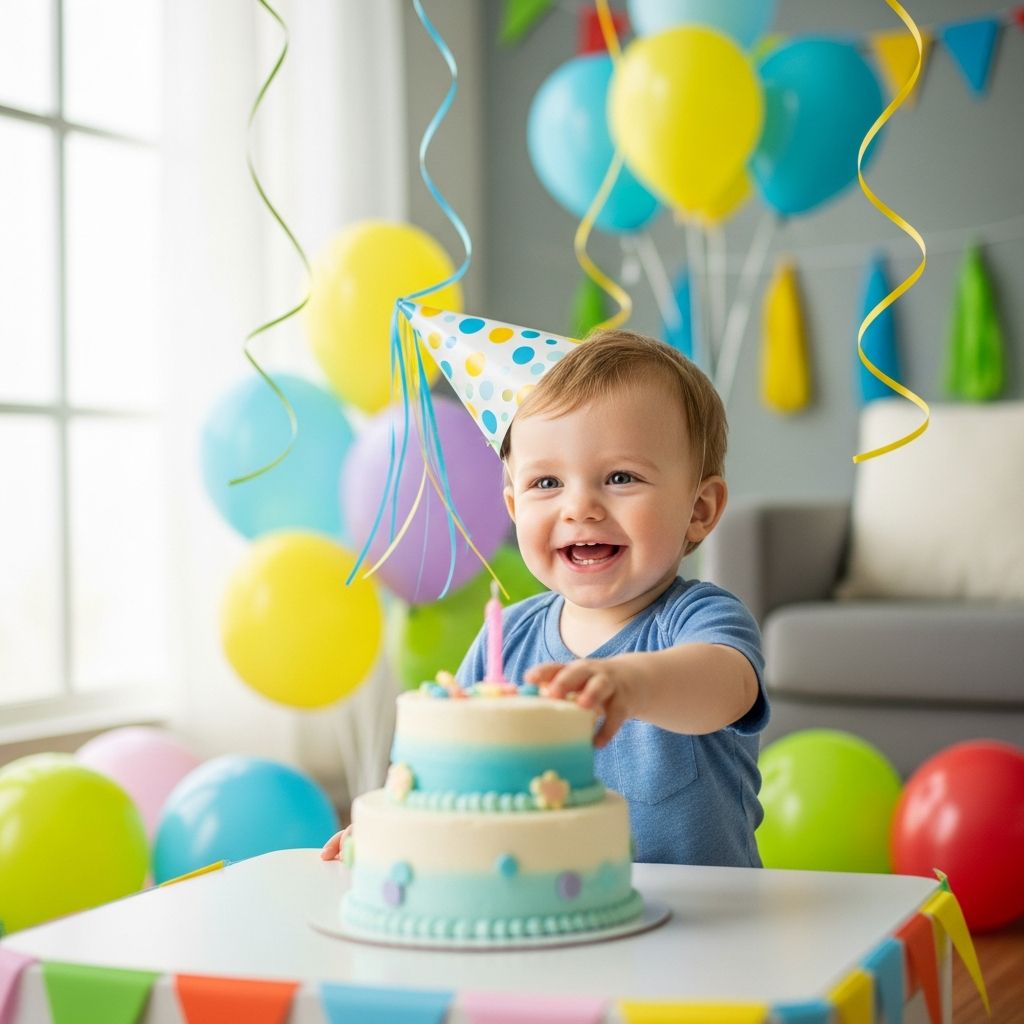
- Next 15–20 minutes: Cake, candle moment, and singing. Keep noise gentle and give your child the option to stand with you instead of being in the spotlight alone.
- Final 20–30 minutes: More free play and gradual goodbyes, with party favors handed out as families leave.
Toddler-Friendly Food and Snacks
Food at a second birthday does not need to be elaborate. Think finger foods that are easy to grasp, not too messy, and mindful of common allergies and choking hazards.
- Soft fruit slices like banana, ripe pear, or seedless watermelon cut into small pieces.
- Mini sandwiches with simple fillings such as cheese or cream cheese and cucumber.
- Bite-size muffins or mini pancakes that toddlers can hold easily.
- Vegetable sticks for older toddlers, served with mild dips for adults.
For drinks, offer water as the main option and possibly diluted juice in small cups. Clearly label any foods containing common allergens such as dairy, eggs, or nuts, and ask caregivers about restrictions in advance.
Cake Ideas Without the Sugar Overload
The birthday cake often becomes the visual centerpiece of the party, but your child may only eat a few bites. You can keep the cake simple while still making the moment feel special.
- Choose a small cake for the candle moment and serve simple cupcakes, fruit skewers, or muffins to guests.
- Decorate with whipped cream, fruit, or a light frosting rather than heavy, sugary layers.
- If your toddler does not like cake, use a “tower” of stacked pancakes, muffins, or yogurt parfaits with a candle on top.
Decorations That Are Cute and Practical
With toddlers, decorations are best when they are safe, out of reach, and not too stimulating. A few carefully chosen elements can transform a room without creating clutter or hazards.
- Hang banners and garlands high enough that children cannot pull them down.
- Use large balloons tied securely and remove any burst pieces immediately.
- Choose reusable items like fabric bunting, wooden cake toppers, and cloth tablecloths instead of single-use plastic decor.
- Display photos from your child’s second year for a personal, warm touch that also prompts conversation among adults.
Keeping the Guest of Honor Comfortable
The most beautiful party will feel stressful if your toddler is overstimulated. Build gentle supports into the plan so your child can retreat, reset, and return to the fun.
- Designate a calm room or corner where your child can go with you if they feel overwhelmed.
- Keep familiar comfort items close by, such as a blanket, pacifier, or favorite stuffed toy.
- Limit loud music and sudden surprises; consider skipping confetti cannons or very noisy party poppers.
Gift and Favor Ideas with Purpose
Two-year-olds do not need many gifts to feel celebrated. Experiences, shared time, and a few well-chosen items can be more meaningful than a mountain of presents.
- Ask family to consider experience-based gifts like zoo passes, music classes, or play sessions.
- Encourage practical gifts such as books, art supplies, or clothing in the next size up.
For party favors, stick with simple items that encourage open-ended play and are unlikely to break quickly.
- Chunky crayons and a small notepad.
- Sturdy board books or mini picture books.
- Bubbles, stickers, or small plush toys.
Hosting a Screen-Light or Screen-Free Party
At age two, many families aim to limit screens. It is completely possible to host an engaging party without relying on movies or digital games.
- Use music instead of videos to set the mood and guide transitions.
- Provide plenty of hands-on activities like playdough, building blocks, and sensory bins.
- If you do use a screen briefly, keep it short and purposeful, such as a single birthday message slideshow before cake.
Frequently Asked Questions About Second Birthdays
How long should a second birthday party last?
For most two-year-olds, a party between 60 and 120 minutes is ideal. Anything longer tends to push past their attention span and can lead to overtired tears, especially if it conflicts with nap time.
How many children should I invite?
A helpful guideline is to invite roughly the number of children that matches your child’s age, plus one or two. For a second birthday, that often means two to four child guests, though the right number also depends on your space and your child’s temperament.
Do I need to provide entertainment like a clown or magician?
Most two-year-olds are happiest with simple play opportunities rather than formal entertainment. A few well-planned activity zones and a relaxed atmosphere are usually more effective than hiring performers.
What time of day works best?
Plan the party for when your child is usually in a good mood and awake, such as after a morning nap or in the late afternoon before dinner. Midday parties can be tricky if they interrupt regular sleep patterns.
How can I involve older siblings or cousins?
Set up a slightly more advanced activity table for older children, such as more detailed crafts or building sets. Ask them to “help” younger children during simple games, which gives them a sense of responsibility and keeps everyone included.
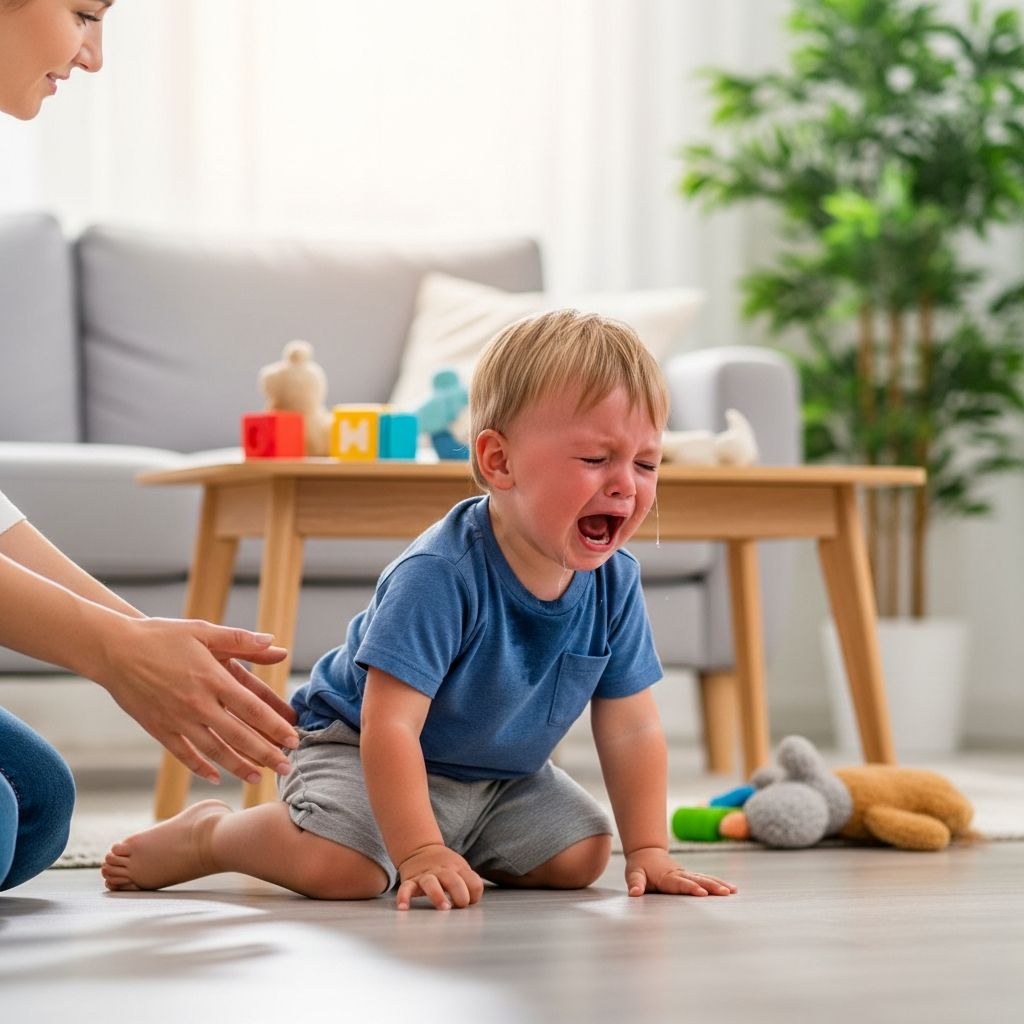
What if my child cries when everyone sings?
Some toddlers find the attention and noise of the birthday song overwhelming. Consider singing more softly, letting your child sit on your lap, or recording a candle moment with just close family before the main party.
Do I have to open gifts during the party?
Opening gifts can be confusing and overstimulating for two-year-olds. Many families choose to open presents after guests leave so the child can explore each item calmly and parents can keep track of who gave what for thank-you notes.
Creating a Celebration That Feels Like Your Family
The most meaningful second birthday parties are not always the most elaborate. When you honor your child’s rhythms, keep activities simple, and focus on shared joy rather than perfection, you give your toddler what they truly need: connection, comfort, and room to play. Use these ideas as a flexible toolkit, adjust them to fit your home and budget, and design a celebration that feels like a natural extension of your everyday family life.