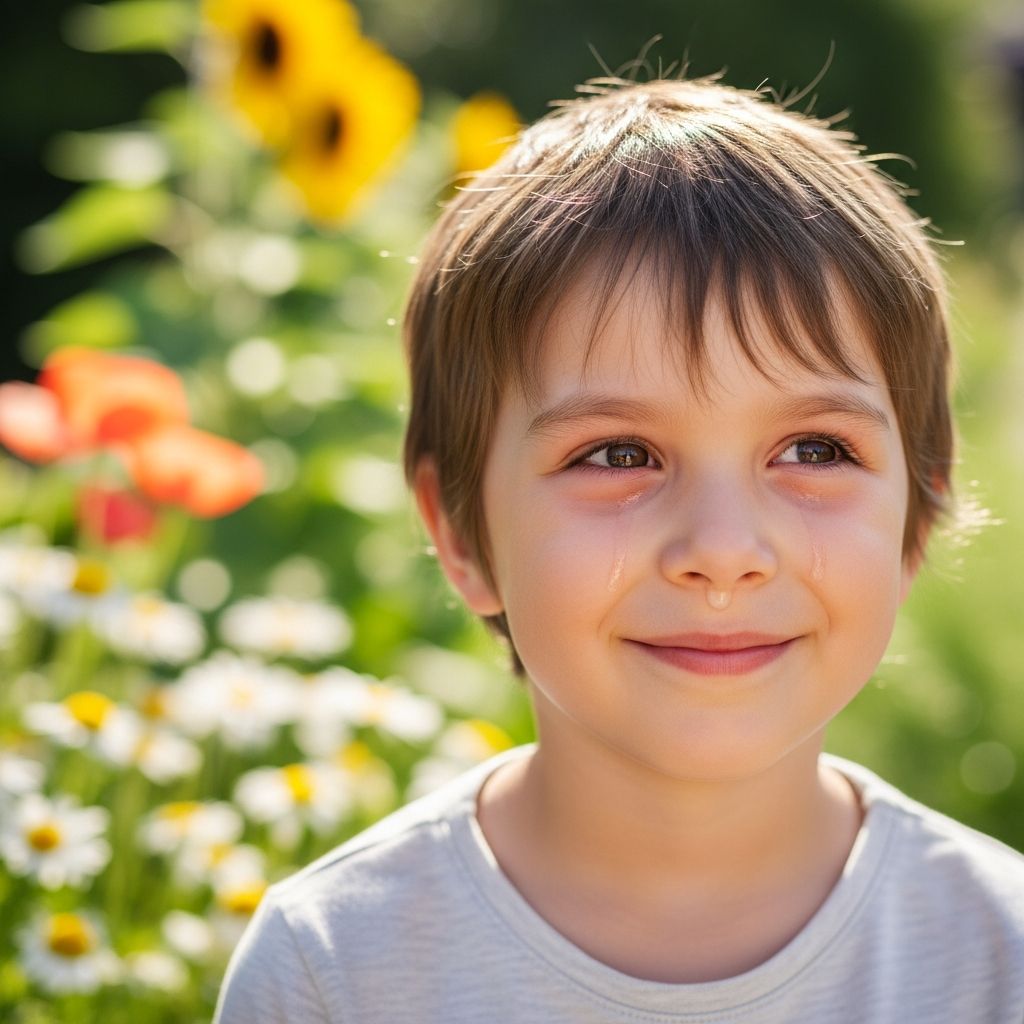
Seasonal allergies can turn a sunny day in the park into a frustrating experience for children and their families. When pollen and other outdoor particles are in the air, some kids develop sneezing, itchy eyes, and a stuffy nose that just will not go away. Understanding why this happens, what to watch for, and how to respond helps parents protect their child’s comfort and overall health.
This guide explains how seasonal allergies work in children, common triggers, key symptoms, home and medical treatments, and practical strategies to reduce exposure. It is written for parents and caregivers who want clear, actionable information without medical jargon.
What Are Seasonal Allergies in Kids?
Seasonal allergies, often called hay fever or seasonal allergic rhinitis, happen when a child’s immune system reacts strongly to substances in the air that are normally harmless. These substances are called allergens and usually appear only at certain times of the year. When the immune system misidentifies these particles as dangerous, it releases chemicals that cause classic allergy symptoms.
Unlike a cold, which is caused by a virus and usually resolves within a week or two, seasonal allergies can recur every year around the same months. Children may feel well during the winter, for example, but experience persistent symptoms every spring or fall when specific pollens are most active.
Typical Triggers by Season
Different plants release pollen at different times of the year, which is why some children only struggle during particular seasons. Knowing which months tend to cause problems can help you anticipate symptoms and start prevention early.
- Spring: Tree pollens are a frequent trigger, especially from trees like oak, birch, maple, or cedar, depending on region.
- Late spring to summer: Grass pollens often dominate, making outdoor play tough for some children.
- Late summer to fall: Weeds such as ragweed, sagebrush, and others may release large amounts of pollen.
- Any damp season: Outdoor mold spores can increase after rain, in piles of leaves, or in moist soil.
Your local environment and climate influence which allergens matter most. Urban areas may have more pollution that can irritate the airways, while rural areas may have higher levels of pollen from grasses and crops.
Why Some Children Develop Allergies
Seasonal allergies usually develop from a mix of genetic and environmental factors. If one or both parents have allergies, asthma, or eczema, their child is more likely to develop allergic conditions as well. However, even children with no strong family history can become sensitized to pollen and other triggers.
Repeated exposure to an allergen over time can lead the immune system to recognize it as a threat. Once a child is sensitized, later exposures may prompt a quick release of histamine and other chemicals, leading to sudden sneezing or itchy eyes soon after going outdoors during high-pollen days.
Recognizing Allergy Symptoms in Children
Because allergy symptoms overlap with colds and other respiratory infections, it can be tricky to recognize seasonal allergies at first. However, the timing, pattern, and type of symptoms offer important clues.
- Repeated sneezing, especially in bursts
- Clear, watery nasal discharge rather than thick mucus
- Stuffy or runny nose that lasts several weeks
- Itchy, red, or watery eyes
- Itchy nose, throat, or the roof of the mouth
- Cough that worsens outdoors or at night
- Dark circles or puffiness under the eyes from chronic congestion
Children may also rub their nose upward with the palm of their hand, creating a line across the bridge of the nose, or frequently rub their eyes when they feel irritated. If these symptoms consistently occur during certain months every year, seasonal allergies are a strong possibility.
Allergies vs. Colds: Spotting the Difference
Parents often wonder whether a child has a lingering cold or allergies. While both can cause sneezing and congestion, several differences help distinguish them. Colds are caused by viruses and usually go away in around 7 to 10 days, whereas allergies persist as long as exposure continues.
| Feature | Seasonal Allergies | Common Cold |
|---|---|---|
| Cause | Immune reaction to allergens in the air | Viral infection |
| Duration | Weeks or months while allergens are present | Usually 7–10 days |
| Fever | Uncommon | Sometimes present, especially early on |
| Eye itching | Common | Unusual |
| Nasal discharge | Mostly clear and watery | Can be thicker and yellow or green |
| Timing | Recurs in the same season each year | Can happen any time, often after exposure to sick contacts |
If your child seems sick for most of a season but rarely has a fever or body aches, allergies are more likely than repeated colds. Discuss your observations with a healthcare professional for a clearer diagnosis.
How Allergies Affect Daily Life
Seasonal allergies may seem minor, but persistent symptoms can interfere with sleep, school, and play. Congestion and nighttime coughing may prevent children from resting well, which leads to daytime fatigue, irritability, and difficulty concentrating in class.
Some children avoid outdoor activities because of discomfort, missing out on sports and playtime with friends. In kids who also have asthma, exposure to allergy triggers can worsen wheezing or breathing problems. Addressing allergies early helps protect both physical comfort and emotional well-being.
When to Seek Medical Advice
Not every sniffle needs a doctor’s visit, but professional guidance is important if symptoms are persistent or severe. Consider making an appointment if:
- Your child has nasal or eye symptoms for several weeks in a row during the same season each year.
- Symptoms interfere with sleep, school performance, or daily activities.
- Over-the-counter treatments do not provide adequate relief, or side effects are a concern.
- Your child has asthma or breathing problems that worsen when allergy symptoms flare.
A pediatrician or allergy specialist can confirm whether seasonal allergies are present and help you create a tailored management plan. In some cases, allergy testing may be recommended to identify specific triggers.
Home Strategies to Reduce Exposure
Minimizing contact with allergens is one of the most effective ways to manage seasonal allergies. While it is impossible to avoid pollen completely, small changes in your household routine can significantly reduce symptoms.
- Watch pollen forecasts: Check local pollen levels and plan outdoor activities for times when counts are lower, such as after rain.
- Keep windows closed: During high-pollen seasons, use air conditioning in your home and car instead of opening windows.
- Change clothes after outdoor play: Have your child shower or at least wash face and hands, then change into clean clothes to remove pollen from skin and hair.
- Use high-quality filters: Consider using air filters or a central system with a good filter to reduce indoor airborne allergens.
- Limit outdoor chores: Children with allergies should avoid mowing the lawn or raking leaves, which stir up large amounts of pollen and mold.
Creating an Allergy-Friendly Bedroom
Children spend many hours in their bedrooms, so this space is a key area for reducing allergen exposure. A few simple adjustments can make nights more comfortable and reduce morning congestion.
- Encourage your child to change clothes before entering the bedroom during allergy season.
- Wash bedding regularly in warm water to remove pollen that may settle on sheets and pillowcases.
- Keep stuffed animals to a limited number and wash them often if your child sleeps with them.
- Consider using dust-mite-proof covers on pillows and mattresses, especially if indoor allergies are also a concern.
- Avoid smoking indoors or near windows, since smoke can further irritate the airways.
Medication Options: What Parents Should Know
If environmental measures are not enough to control symptoms, medications can be helpful. Always discuss options and dosing with a healthcare professional, especially for younger children. Most treatments focus on easing symptoms and preventing the body’s allergic response.
- Oral antihistamines: These medicines block the effects of histamine, a chemical released during an allergic reaction. They can reduce sneezing, runny nose, and itching. Some types may cause drowsiness, while newer versions are usually less sedating.
- Nasal sprays: Steroid-based nasal sprays can decrease inflammation in the nose, reducing congestion and sneezing. Other sprays may target specific symptoms such as itching or dripping.
- Eye drops: Allergy eye drops can relieve redness, watering, and itching. They may be used alone or with other medications if eye symptoms are prominent.
Parents should follow dosing instructions carefully and avoid combining products with the same active ingredient without medical guidance. Report side effects such as excessive sleepiness, mood changes, or nosebleeds to the prescribing clinician.
Allergy Testing and Long-Term Treatments
For children with moderate to severe seasonal allergies, or for those whose symptoms are not controlled with standard measures, allergy testing may be helpful. Testing typically involves skin pricks or blood work to identify specific pollens or molds that trigger reactions. The results can guide more targeted avoidance strategies and medical treatment.
In some cases, clinicians may recommend immunotherapy, often known as allergy shots or under-the-tongue tablets. These treatments expose the child to gradually increasing amounts of the allergen over time under controlled conditions. The goal is to build tolerance so that everyday exposure triggers a much milder reaction or none at all.
Supporting Children Emotionally
Seasonal allergies can be discouraging for children who feel different from their peers or miss out on favorite activities. Parents can help by validating their child’s frustration and explaining that allergies are common and manageable. When kids understand that symptoms have a clear cause and a plan, they often feel more in control.
Encourage your child to share how symptoms affect them at school and during play. Working with teachers, coaches, and caregivers ensures that others know about your child’s triggers, medications, and any signs that they need a break or additional support.
Practical Day-to-Day Tips
Small daily habits can make a significant difference over the course of an allergy season. Consider creating a simple routine that your child can follow, especially if they are old enough to participate in their own care.
- Set a regular time for prescribed allergy medicine if recommended, such as each morning before school.
- Keep tissues, saline spray, and eye drops in an easily accessible spot, and show older kids how to use them properly.
- Encourage sunglasses and a hat outdoors to reduce pollen contact with the eyes and hair.
- Schedule high-energy outdoor activities for lower-pollen times, such as after rainfall or later in the day if morning counts are higher in your area.
Frequently Asked Questions (FAQs)
Can young children and toddlers have seasonal allergies?
Seasonal allergies can appear in early childhood, though they are more common in school-aged children because it takes time and repeated exposure for the immune system to become sensitized. Toddlers can show signs such as recurrent runny nose or itchy eyes during certain seasons, but other conditions should also be ruled out. A healthcare professional can help determine whether symptoms fit an allergy pattern.
Do seasonal allergies mean my child will have asthma?
Not all children with seasonal allergies develop asthma, but the two conditions often occur together. Both involve sensitive airways and an overactive immune response. If your child wheezes, has trouble breathing, or coughs frequently, especially at night or with exercise, discuss these symptoms with a clinician for evaluation.
Are natural or non-drug remedies helpful?
Non-drug measures, such as nasal saline rinses, can be very helpful for washing pollen out of the nasal passages and reducing congestion. Keeping windows closed, using air filters, and encouraging showers after outdoor play are also important strategies. Any herbal or supplement-based remedies should be discussed with a healthcare professional, as safety and effectiveness vary.
Will my child outgrow seasonal allergies?
Some children experience a reduction in symptoms as they get older, while others continue to have seasonal allergies into adulthood. The course can be unpredictable and may depend on genetic factors, environmental exposures, and overall health. Regardless of the long-term outlook, current symptoms can almost always be managed effectively with a combination of avoidance strategies and medical treatment when needed.
Is it safe for my child to play sports outdoors?
Most children with seasonal allergies can safely participate in outdoor sports with the right precautions. Using prescribed medications as directed, checking pollen levels, and choosing times of day with lower counts can help. If your child also has asthma, ensure that coaches know about inhaler use and any signs that your child needs to rest.
Key Takeaways for Parents
Seasonal allergies in children are common, but they do not have to control your family’s schedule. By learning to recognize symptoms, limiting exposure to triggers, and using appropriate treatments, you can help your child stay comfortable and active throughout the year.
- Track when symptoms appear and fade each year to identify patterns.
- Work with a healthcare professional to confirm the diagnosis and develop a plan.
- Combine home strategies with medications when necessary for the best results.
- Involve your child in their own care so they feel empowered rather than restricted by their allergies.
With informed, consistent care, children with seasonal allergies can enjoy outdoor play, sports, and everyday activities while staying healthier and more comfortable in every season.