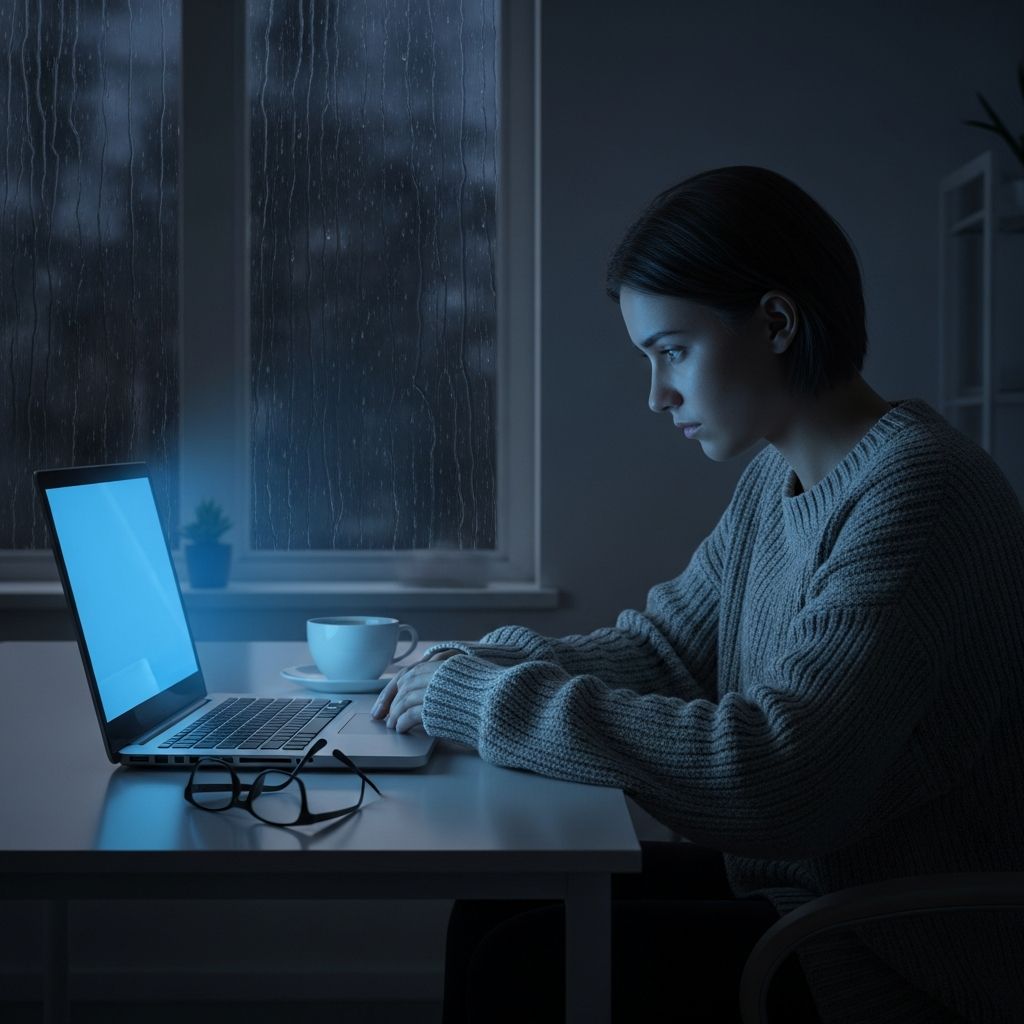
Seasonal Affective Disorder (SAD) strikes when shorter days and less sunlight disrupt mood, but pandemics like COVID-19 amplify these effects through isolation and stress. Affecting roughly 5% of U.S. adults, SAD manifests as recurring depression tied to seasonal changes, peaking in winter months.
Defining Seasonal Affective Disorder
SAD qualifies as a subtype of major depression that recurs annually, primarily during fall and winter due to reduced daylight exposure. Symptoms mirror general depression but follow predictable patterns, easing in spring with longer days. Prevalence rises with distance from the equator; northern U.S. states report higher rates, up to 10% in places like New Hampshire versus 1-2% in Florida.
Core symptoms include persistent low mood, loss of interest in activities, fatigue, sleep disturbances, appetite changes leading to weight gain, and social withdrawal. Unlike typical winter slump, SAD persists for weeks, impairing daily functioning.
Risk Factors for SAD
- Geographic location: Farther from equator means less sunlight, heightening risk.
- Demographics: More common in women, younger adults, and those with family history of depression.
- Prior mental health: History of depression or bipolar disorder increases susceptibility.
- Lifestyle: Limited outdoor time or indoor-heavy routines exacerbate vulnerability.
These elements create a perfect storm when combined with external stressors.
How Pandemics Intensify SAD Symptoms
COVID-19 lockdowns restricted outdoor access, mirroring SAD triggers like reduced light and isolation. Surveys indicate 53% of U.S. adults faced pandemic-induced anxiety harming mental health. Pandemic uncertainties—job loss, health fears, variants—compound SAD, with experts noting worsened symptoms last winter.
Stresses from social distancing mimic SAD’s withdrawal phase, while cold weather limits safe outdoor relief. Nebraska health officials highlight how pandemic isolation heightens SAD risk, especially for the 5% affected population. University Hospitals experts predict heightened severity due to economic woes and family health concerns.
| Symptom | Normal Winter Impact | Pandemic Amplification |
|---|---|---|
| Low Mood | Moderate, seasonal dip | Severe due to isolation fears |
| Fatigue | Linked to less light | Worsened by stress, poor sleep |
| Social Withdrawal | Common but temporary | Mandatory distancing entrenches it |
| Anxiety | Occasional | Spike from health/economic uncertainty |
Recognizing SAD Onset During Challenging Times
Early detection prevents escalation. Monitor for clusters of symptoms lasting two weeks: irritability, hopelessness, carbohydrate cravings, concentration issues. Pandemics blur lines between general anxiety and SAD, but seasonal timing distinguishes it—symptoms recur yearly for diagnosis.
If symptoms align with winter onset and prior episodes, consult professionals. Self-assessments from reliable tools help, but diagnosis requires clinical evaluation.
Evidence-Based Coping Mechanisms
Proactive strategies mitigate SAD amid pandemics. Prioritize light exposure via morning walks or therapy lamps simulating sunlight. Cognitive Behavioral Therapy (CBT) tailored for SAD proves effective, addressing negative thought patterns.
- Light Therapy: 10,000 lux lamps for 30 minutes daily regulate circadian rhythms.
- Exercise: Indoor routines like yoga maintain endorphins.
- Social Connections: Virtual calls combat isolation.
- Diet: Balanced meals with omega-3s support brain health.
Antidepressants like bupropion offer relief for severe cases, per psychiatrist recommendations.
Building Resilience in Isolation
Pandemics force adaptive routines. Establish daily structure: wake early for light exposure, schedule video check-ins. Mindfulness apps reduce anxiety; gratitude journaling shifts focus from uncertainty.
Focus on progress—vaccines and testing ease restrictions compared to prior winters, enabling safer interactions. Experts like Dr. Luana Marques emphasize preparing for variants by building mental flexibility.
Professional Interventions and When to Seek Help
Therapy and medication combinations yield best outcomes. Telehealth expands access during restrictions. If suicidal thoughts emerge or function halts, immediate intervention is crucial—contact hotlines or emergency services.
Massachusetts General Hospital advises correlating symptoms to daylight changes for accurate SAD identification.
Long-Term Prevention Tactics
Year-round habits fortify against SAD: consistent sleep, outdoor time in good seasons, stress management. Track moods via journals to predict patterns. Community support groups, even virtual, foster accountability.
For high-risk individuals, prophylactic light therapy starts pre-winter. Lifestyle tweaks like vitamin D supplementation (under medical guidance) address deficiencies common in SAD.
Frequently Asked Questions (FAQs)
Can COVID-19 infection trigger SAD-like symptoms?
Yes, COVID-19 may contribute to psychological distress via brain effects, potentially worsening or mimicking SAD, though true SAD requires two-year seasonal pattern.
How does latitude affect SAD risk?
Higher latitudes mean less winter sunlight, increasing prevalence—e.g., 10% in northern states vs. 1-2% in southern.
Is light therapy safe during pandemics?
Absolutely; home-use lamps provide safe sunlight simulation without outdoor exposure risks.
Who is most vulnerable to worsened SAD now?
Women, youth, northern residents, and those with depression history face amplified risks from pandemic stressors.
Does vaccination reduce SAD pandemic impact?
Yes, by enabling safer socializing, easing isolation compared to unvaccinated winters.
Outlook for Future Winters
As pandemics evolve, hybrid strategies blending medical, behavioral, and social tools offer hope. Awareness empowers proactive management, turning daunting seasons into manageable ones. Stay vigilant, connect meaningfully, and prioritize light—literally and figuratively.
References
- Seasonal Affective Disorder and COVID-19: Double Whammy — MyPrivateProfessor. 2020. https://myprivateprofessor.com/seasonal-affective-disorder-covid-19/
- Seasonal Affective Disorder and the Pandemic — Nebraska DHHS. 2020. https://dhhs.ne.gov/Pages/Seasonal-Affective-Disorder-and-the-Pandemic.aspx
- Coping With Seasonal Affective Disorder During COVID-19 — University Hospitals. 2020-11-12. https://www.uhhospitals.org/blog/articles/2020/11/coping-with-seasonal-affective-disorder-during-covid-19
- How to Fight Seasonal Affective Disorder During the Pandemic — TIME. 2021. https://time.com/6128820/pandemic-seasonal-affective-disorder/
- Seasonal Affective Disorder (SAD) During COVID-19 — Massachusetts General Hospital. 2020. https://giving.massgeneral.org/stories/seasonal-affective-disorder
- Coping with Seasonal Affective Disorder Through Another Pandemic Winter — Baptist Health. 2021. https://www.baptisthealth.com/blog/covid19/coping-with-seasonal-affective-disorder-through-another-pandemic-winter