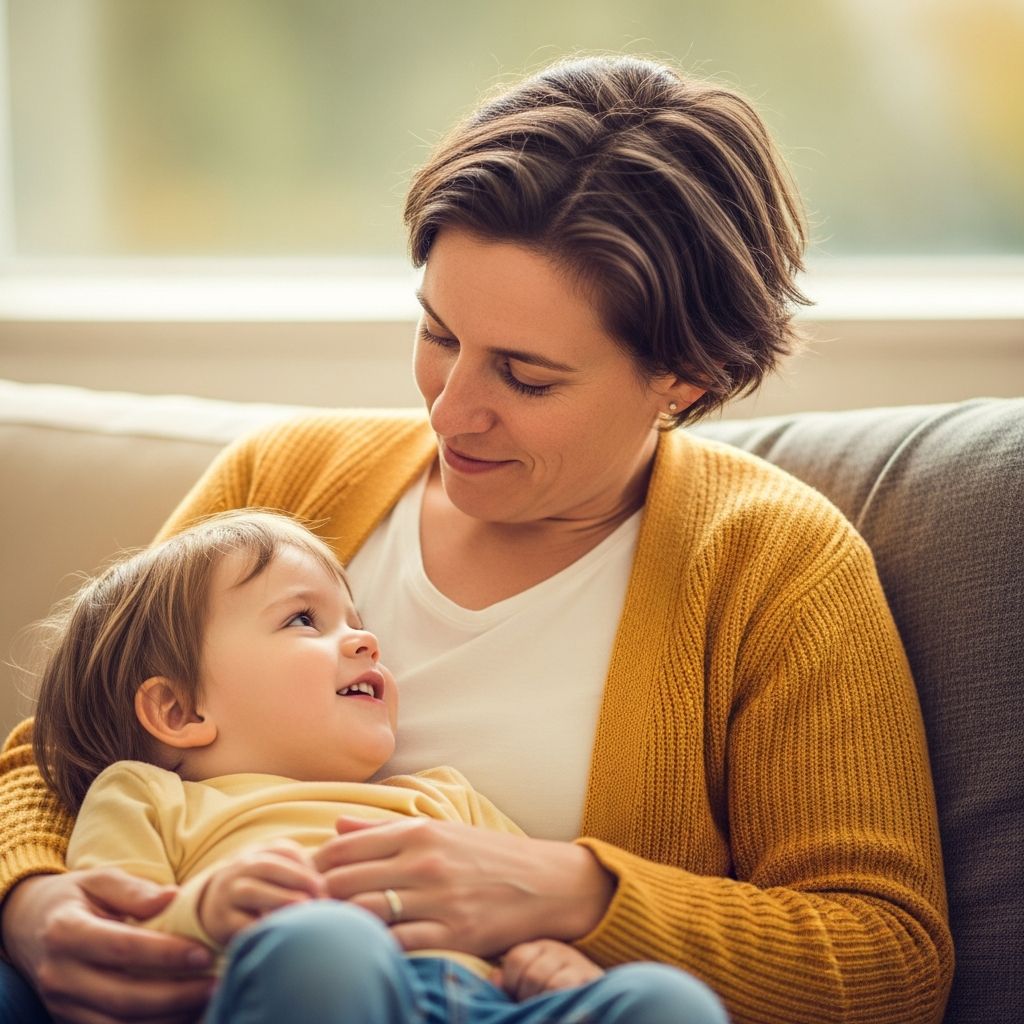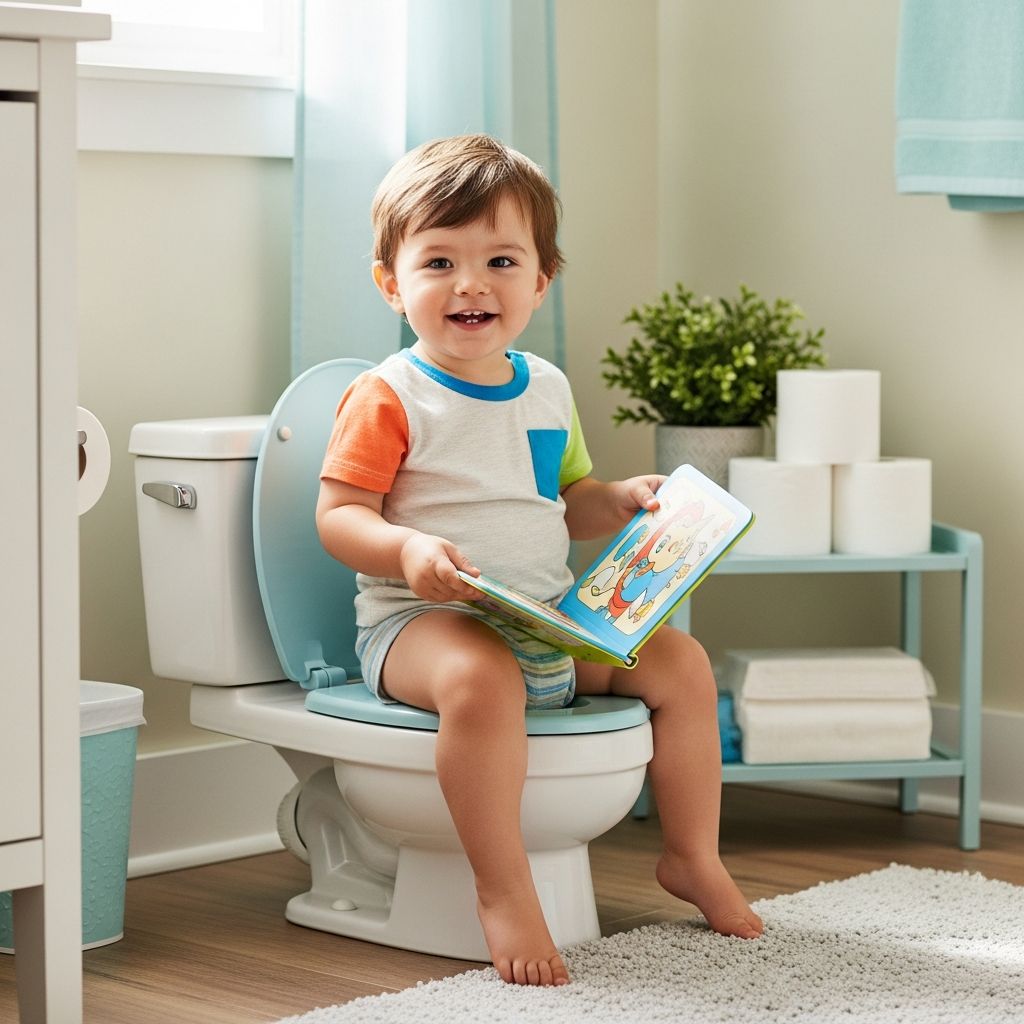
Toilet training is a major developmental step for toddlers and for parents. It touches on body awareness, independence, boundaries and power, so it is no surprise that it can either go smoothly or become a daily battle. A gentle, respectful approach can help your child learn this skill without fear, shame, or power struggles.
This guide offers a fresh, connection-focused way to support your child’s transition out of diapers while honoring their pace and emotions. It is inspired by evidence-based recommendations from pediatric and developmental experts, but organized here as a practical, relationship-first roadmap.
Why a Gentle Approach to Toilet Training Matters
How you handle toilet learning does more than get your child out of diapers. It shapes how they feel about their body, their competence, and their relationship with you.
- Reduces power struggles: Pressure and punishment can turn toileting into a control battle, making learning slower and more stressful for everyone.
- Protects body confidence: Gentle guidance helps children see their bodily functions as normal and manageable, not gross or shameful.
- Supports long-term habits: Positive experiences around the toilet are linked with better ongoing toileting patterns and fewer voiding issues.
- Respects developmental timing: Readiness varies widely; there is a broad normal range for when children gain bladder and bowel control.
Understanding Readiness: Is Your Child Truly Prepared?
Toilet training is most successful when a child is ready physically, cognitively, and emotionally. Many pediatric groups emphasize following your child’s cues rather than the calendar.
Key Signs of Physical Readiness
- Stays dry for about two hours at a time during the day.
- Wakes from naps with a dry diaper more often than not.
- Has regular, predictable bowel movements.
- Can walk to and from the bathroom and sit down and stand up independently.
Cognitive and Emotional Readiness Signs
- Understands simple one-step instructions like “Please sit on the potty.”
- Can communicate needs using words, signs, or gestures.
- Shows awareness of being wet or dirty (tells you, hides to poop, or asks for a change).
- Demonstrates interest in the bathroom or in others using the toilet.
- Shows some desire for independence, such as wanting to do things “by myself.”
Red Flags That Suggest Waiting
It may help to delay intensive training if your child:
- Is going through a big transition (new sibling, move, separation, starting daycare).
- Shows intense resistance or fear each time the toilet is mentioned.
- Has frequent constipation, painful poops, or urinary symptoms that have not been discussed with a health professional.
A Gentle Toilet Training Roadmap
Instead of focusing on how quickly your child can be trained, focus on creating a positive, safe learning process. The following step-by-step roadmap keeps connection at the center.
| Stage | Main Goal | Parent Focus |
|---|---|---|
| 1. Warm-Up | Build familiarity and curiosity | Talk, model, and normalize toileting |
| 2. First Practice | Get comfortable sitting on potty or toilet | Short, pressure-free sits with praise |
| 3. Active Learning | Pair body sensations with using the toilet | Gentle reminders, routines, and observation |
| 4. Independence | Child initiates and manages most steps | Step back, supervise, and support only as needed |
Stage 1: Warm-Up Without Pressure
This stage can start before your child is fully ready, as early exposure and language around toileting supports smoother training later on.
- Introduce simple words like “pee,” “poop,” “potty,” and “toilet.”
- Let your child observe trusted adults using the toilet if you are comfortable, and describe the steps calmly.
- Place a potty chair where your child spends time so it becomes a familiar object, not something sudden and scary.
- Connect diapers to the potty: sometimes empty poop from the diaper into the toilet or potty and say, “Poop goes in the toilet.”
Stage 2: First Practice Sits
When your child shows interest, begin short, relaxed practice times.
- Invite your child to sit on the potty fully clothed at first to build comfort.
- Later, try sitting with diaper off for a minute or two, perhaps before bath time when they are already undressed.
- Keep it light: read a short book, sing, or chat. If they want to get up, let them.
- Notice and praise cooperation, not results: “You sat on the potty when I asked. That’s helpful!”
Stage 3: Active Learning and Creating Routines
Once your child is comfortable with the potty and showing clear signs of readiness, you can gently shift from practice to learning.
- Build predictable times: offer the potty upon waking, before going out, and about 20–30 minutes after meals, when bowel movements are more likely.
- Watch for signals such as squirming, hiding, pausing in play, or grabbing the diaper, and calmly ask, “Do you need to pee or poop?”
- Dress for success: choose loose clothing and easy-off waistbands so your child can participate in pulling pants up and down.
- Use warm encouragement: specific praise like “You listened to your body and told me you needed to go” reinforces internal awareness, not performance.
Stage 4: Growing Independence
As your child begins to use the potty or toilet more reliably, your role gradually shifts from directing to supporting.
- Encourage them to tell you when they need to go, instead of always reminding.
- Invite them to take over simple steps: flushing, washing hands, getting fresh underwear.
- Stay nearby at first, then give more privacy as they gain confidence.
- Expect ups and downs; short regressions are common during changes or stress and usually resolve when pressure is low.
Keeping the Experience Emotionally Safe
Toilet training is not just about muscles and timing; it is also a big emotional journey. Toddlers often feel a mix of pride, fear, curiosity, and the desire to control what happens to their bodies.
Common Feelings Toddlers May Have
- Fear of the flush or of falling into the toilet.
- Worry about letting go of poop, which can feel like losing part of themselves.
- Embarrassment after accidents, especially if adults react strongly.
- Desire to stay a “baby” in some ways, even while wanting independence in others.
How Parents Can Support Emotional Safety
- Stay neutral about accidents: respond with matter-of-fact care: “You’re wet. Let’s get you cleaned up.”
- Use empathy before guidance: “It’s frustrating when pee comes out before you make it to the toilet. I’m here to help you learn.”
- Avoid shame or threats: research and expert guidelines warn that punishment or ridicule around toileting can worsen resistance and may contribute to problems such as withholding.
- Offer choices where you can: “Do you want the small potty or the big toilet?”; “Should we read a book or sing a song while you sit?”
Handling Accidents and Setbacks Calmly
Even with the best preparation, accidents are part of learning. How you respond can either reinforce anxiety or support resilience.
Responding to Daytime Accidents
- First connect: “Oops, you’re wet. That doesn’t feel good.”
- Then gently involve your child: invite them to help choose clean clothes or place wet underwear in a laundry basket.
- Avoid long lectures; a brief reminder is enough: “Pee goes in the toilet. Next time we’ll try again.”
- If accidents increase suddenly, consider whether your child is under stress, over-tired, or constipated, and adjust expectations accordingly.
Regressions After Progress
Temporary setbacks are common during transitions like starting daycare, travel, illness, or a new sibling.
- Step back to an easier level (for example, more reminders or a return to diapers for outings) without criticism.
- Offer extra connection and reassurance; many regressions are more emotional than physical.
- If toileting suddenly becomes painful or very frequent, consult a health professional to rule out constipation or urinary tract infection.
Daytime vs Nighttime: Different Skills, Different Timelines
Many children achieve daytime control well before staying dry through the night. Medical organizations note that nighttime dryness depends heavily on biological factors such as bladder capacity and sleep depth, and is not purely under the child’s control.
- It is common for children to continue using night diapers for months or even years after daytime training.
- Avoid waking your child repeatedly at night to force dryness; this can interfere with sleep and may not speed readiness.
- Focus on practical support: waterproof mattress covers, easy-to-change bedding, and calm clean-ups if bedwetting happens.
- Seek professional advice if your child is older and bedwetting is frequent or distressing, as there are effective, evidence-based supports for this.
Supporting Healthy Toileting Habits
Toilet training is a chance to build lifelong hygiene and body-care habits.
Preventing Constipation and Discomfort
Many toilet training challenges are linked not to behavior, but to bowel habits. Painful poops can make children avoid the toilet and withhold, which in turn makes constipation worse.
- Offer plenty of fluids and fiber-rich foods (fruits, vegetables, whole grains) appropriate for your child’s age.
- Help your child sit in a stable, supported position with knees slightly above hips (use a step stool if needed) to make pooping easier.
- If your child has hard, painful stools or goes several days without a bowel movement, consult your pediatric provider.
Teaching Hygiene in Simple Steps
- Show your child how to wipe; for girls, teach wiping from front to back to reduce urinary tract infection risk.
- Teach boys that they can sit to pee at first; standing can come later when balance and aiming improve.
- Make handwashing a nonnegotiable final step: soap, water, and a brief scrub after every toilet use.
Working With Caregivers and Daycare
Consistency across environments helps children feel secure. When possible, collaborate with anyone who cares for your child regularly.
- Share your child’s readiness signs, routines, and the language you use for pee, poop, and the toilet.
- Agree on basic responses to accidents and successes so your child gets the same calm, encouraging messages.
- Ask about bathroom access and schedules in daycare or preschool to ensure your child can go when they feel the urge.
Frequently Asked Questions (FAQs)
What is the best age to start toilet training?
Large pediatric organizations emphasize readiness over age. Many children show signs of readiness sometime between 18 and 36 months, but a wide range is normal. Focus on developmental cues, not a specific birthday.
Should I use rewards like stickers or candy?
Small, time-limited rewards can boost motivation for some children, but they are not required. If you use rewards, keep them light, avoid withholding affection, and gradually shift praise toward your child’s internal awareness and effort.
My child is terrified of the toilet. What can I do?
Slow down and return to simple, no-pressure exposure: let your child play near a closed toilet, read books about potty use, and try a small floor potty that feels safer. Offer empathy for their fear and avoid forcing them to sit, which can intensify anxiety.
Is it okay to pause toilet training and go back to diapers?
Yes. If training has become a daily struggle, if your child is clearly distressed, or if life circumstances are overwhelming, pausing respectfully can protect both your relationship and your child’s sense of competence. Explain briefly, “We’ll use diapers again for now, and we’ll try the potty another time.”
When should I talk to a professional about toileting problems?
Contact your child’s health provider if your child has frequent pain with peeing or pooping, blood in stool or urine, severe constipation, persistent refusal that lasts months, or daytime wetting after previously being dry. Early support can prevent problems from becoming entrenched.
References
- Toilet training children: when to start and how to train — Schum TR et al., Paediatrics & Child Health (Canadian Paediatric Society). 2011-04-01. https://www.ncbi.nlm.nih.gov/pmc/articles/PMC3307553/
- Toilet training: a practical guide — Raising Children Network (Australia). 2023-06-21 (updated). https://raisingchildren.net.au/preschoolers/health-daily-care/toileting/toilet-training-guide
- Potty training: How to get the job done — Mayo Clinic Staff, Mayo Clinic. 2023-10-05 (updated). https://www.mayoclinic.org/healthy-lifestyle/infant-and-toddler-health/in-depth/potty-training/art-20045230
- Potty training techniques and methods — Gwen Dewar, Parenting Science. 2022-01-15 (reviewed). https://parentingscience.com/potty-training-techniques/
- Toilet training methods — The Big Toilet Project. 2020-09-01. https://www.bigtoiletproject.org/about/toilet-training-methods
- Potty training methods: Which is best for your child? — Huckleberry Care. 2021-08-10. https://huckleberrycare.com/blog/potty-training-methods-which-is-best-for-your-child