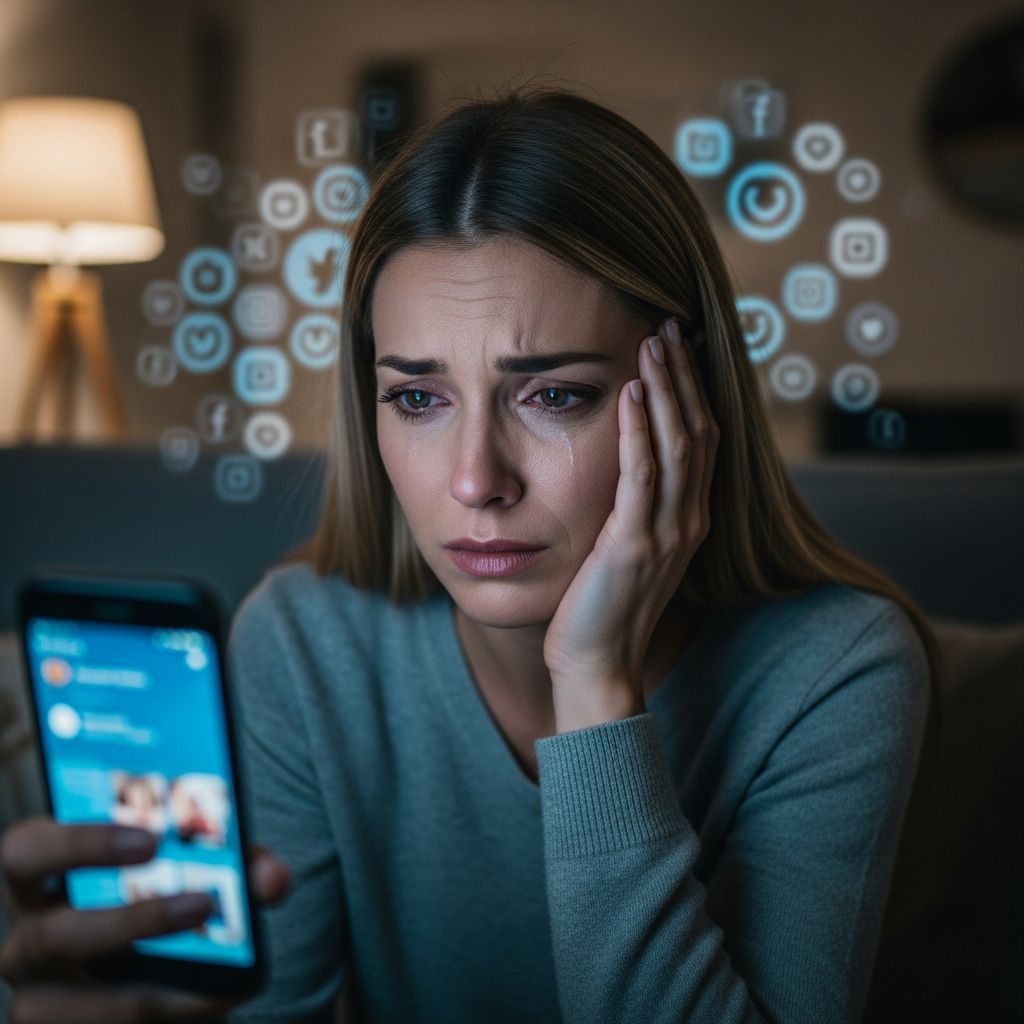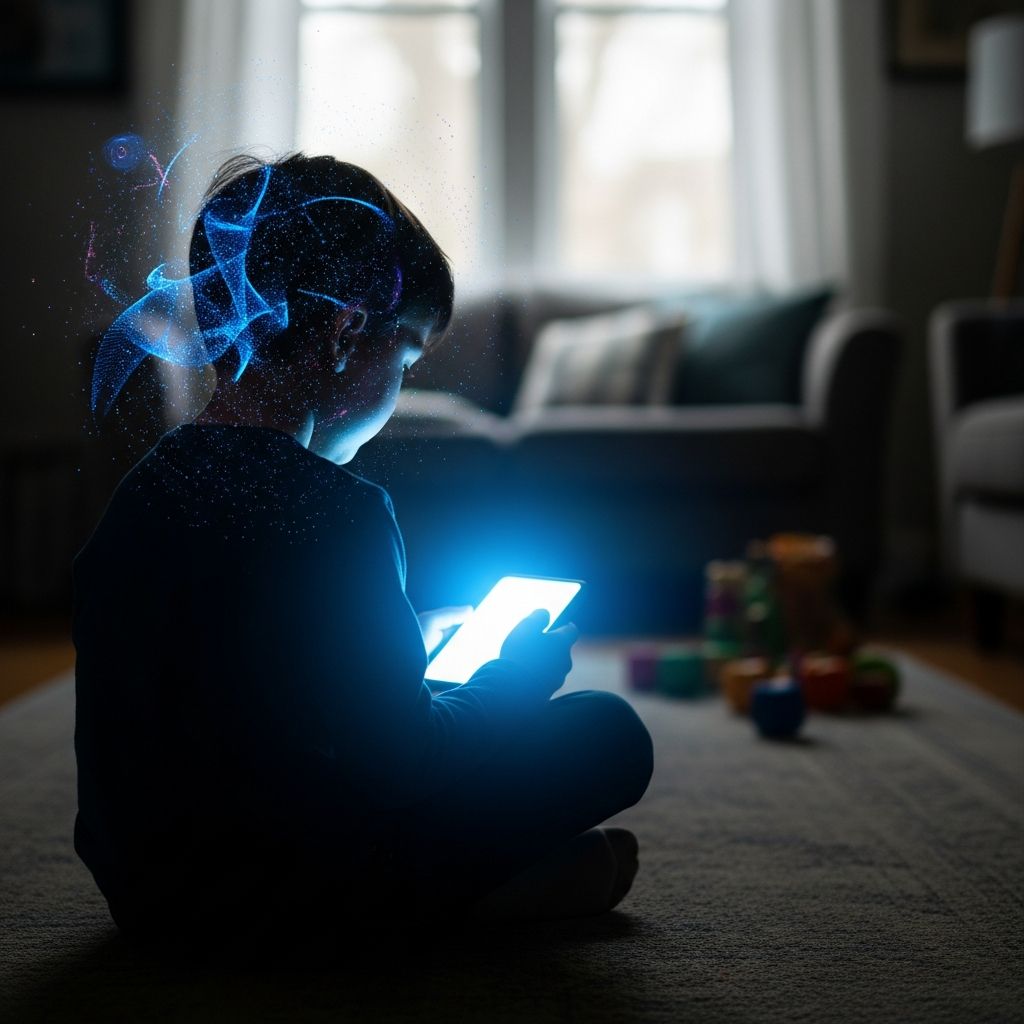
Digital devices have become integral to family life, shaping how children learn, play, and connect. While concerns about excessive screen use dominate discussions, emerging research reveals a more nuanced picture: screen time can both hinder and enhance development depending on its quality, duration, and context. Parents often struggle to gauge their child’s actual exposure, leading to unintended consequences for health and growth.
Why Parents Misjudge Digital Habits
Many caregivers underestimate or overestimate their children’s screen engagement. A study tracking preschoolers aged 3-5 found that only about one-third of parents accurately reported usage, with 37% underestimating by an average of 70 minutes daily. Children with personal devices averaged two hours per day, and some exceeded four hours, often late into the night on platforms like YouTube. This discrepancy arises because kids access screens independently, evading parental oversight.
Such misjudgments matter because unmonitored time exposes young users to age-inappropriate content, including apps aimed at teens or adults. Parents may assume educational value, but without verification, this can disrupt routines and sleep patterns.
Daily Screen Exposure Realities
Children worldwide log substantial digital hours. UK youth report around 2.5 hours on computers or tablets, 3 hours on phones, and 2 hours on TV daily, totaling up to 8 hours of waking time. In the US, preschoolers with devices often surpass recommended limits, with some sessions extending past midnight.
- Average daily mobile screen time for 3-4-year-olds with devices: 2 hours.
- Percentage using devices over 1 hour: Over 50%.
- Extreme cases: 15% exceed 4 hours, including overnight use.
These patterns reflect broader trends where screens rival sleep and play, prompting questions about long-term effects.
Brain Development Under Digital Influence
Excessive screens can alter young brains. One-year-olds exposed to over four hours daily showed delays in communication, problem-solving, fine motor skills, and social abilities by ages 2 and 4. A major NIH study linked more than two hours daily to lower language and cognition scores, with over seven hours correlating to cortical thinning in areas for critical thinking.
Infants under 30 months with 2-3 hours of TV faced a 2.7-fold higher language delay risk, escalating to threefold beyond three hours. By ages 24-36 months, heavy use predicted poorer developmental screenings at 36 and 60 months. Screens provide ‘impoverished’ stimulation compared to real-world interactions, limiting sensory diversity essential for neural growth.
Emotional and Behavioral Cycles
Screens and emotions form a feedback loop. A meta-analysis of 117 studies (292,000+ children) showed increased screen time precedes emotional and behavioral issues, which then drive more use as coping. Gaming posed higher risks than educational content, with troubled kids gravitating to games.
| Screen Type | Associated Risks | Evidence |
|---|---|---|
| Gaming | Higher emotional problems | Meta-analysis of 292,000 kids |
| Educational | Lower risks | Compared to recreational use |
| Passive (TV) | Worse psychological outcomes | Linked to sedentary behavior |
Sleep disruption exacerbates this: evening screens shorten infant sleep, while teen overuse impairs school performance and fuels obesity cycles.
Active vs. Passive: Quality Matters Most
Not all screens are equal. Active use—like interactive educational apps—can boost literacy, executive function, and persistence, with small but positive academic gains. Programs like Sesame Street enhance social skills, and apps teach concepts effectively when high-quality.
Passive viewing, however, links to obesity, aggression, low bone density, and poor outcomes across health domains. Poorly designed apps distract without educating, lacking scientific backing. Guidelines must differentiate: active engagement promotes cognition, while passive fosters inertia.
Health Risks Beyond the Brain
Physical tolls compound cognitive ones. Heavy screens promote sedentary lifestyles, elevating cardiovascular risks and obesity. Sleep loss from late-night use affects preteens’ behavior and learning, creating isolation loops. Parents note 65% of kids exceed healthy limits, yet only 57% enforce rules.
- Sedentary behavior from TV: Increases obesity and antisocial traits.
- Evening exposure: Reduces sleep duration in infants.
- Overall: 54% of teens self-report cutting back, signaling awareness.
Parental Role in Digital Balance
Many parents permit screens for breaks or perceived education—29% expose under-2s to TV for ‘brain benefits,’ using it to manage conflict. Yet evidence urges routines: predictable on/off times help kids adapt.
Cultural shifts support limits: prioritize outdoor play, family meals, reading, and games. Use controls for content and duration, pair screens with discussion for co-viewing benefits, and model healthy habits.
Strategies for Healthier Screen Habits
- Set Routines: Designate screen windows to build expectations.
- Choose Quality: Opt for validated educational media over entertainment.
- Monitor Actively: Track usage objectively; apps reveal true patterns.
- Encourage Alternatives: Balance with physical activity and face-to-face play.
- Address Emotions: Support underlying issues to break coping cycles.
Frequently Asked Questions
How much screen time is safe for young children?
Guidelines vary, but under 2 years: minimal; 2-5 years: under 1 hour of high-quality content daily. Focus on active over passive use.
Can screens ever help my child’s learning?
Yes, interactive educational apps improve literacy and executive function when evidence-based, unlike passive viewing.
Why do parents get screen time wrong?
37% underestimate due to independent child access; objective tracking is key.
Does screen time affect sleep?
Evening exposure shortens sleep in infants and disrupts teen cycles, impacting cognition.
What if my child uses screens to cope emotionally?
This creates a cycle; provide support and alternatives to gaming or excessive use.
Shaping a Balanced Digital Future
As devices evolve, so must approaches. Prioritize quality, monitor accurately, and integrate screens thoughtfully. By distinguishing active benefits from passive harms, parents can harness technology without compromising development. Research underscores: less is often more, but smart use builds resilience.
References
- Parents Likely Misjudge Children’s Digital Screen Time — Michigan Medicine. 2023-10-10. https://www.michiganmedicine.org/health-lab/parents-likely-misjudge-childrens-digital-screen-time
- Excessive Screen Time in Children and Young People — Youth STEM 2030. 2023-05-15. https://www.youthstem2030.org/youth-stem-matters/read/excessive-screen-time-in-children-and-young-people
- What Does Too Much Screen Time Do to Children’s Brains? — NewYork-Presbyterian Health Matters. 2024-02-20. https://healthmatters.nyp.org/what-does-too-much-screen-time-do-to-childrens-brains/
- Finally, we’re all wising up about the dangers of screen time for kids — Los Angeles Times. 2019-01-07. https://www.latimes.com/opinion/op-ed/la-oe-riley-screen-time-zeitgeist-shift-20190107-story.html
- I want to limit screen time—but sometimes it’s the only break I get — Motherly. 2024-08-12. https://www.mother.ly/child/child-learn-play/limiting-screen-time-for-kids/
- Debate around and impact of digital screen time and media — PMC (NCBI). 2024-11-05. https://pmc.ncbi.nlm.nih.gov/articles/PMC12235334/
- Screen time and emotional problems in kids: A vicious circle? — American Psychological Association. 2025-06-12. https://www.apa.org/news/press/releases/2025/06/screen-time-problems-children