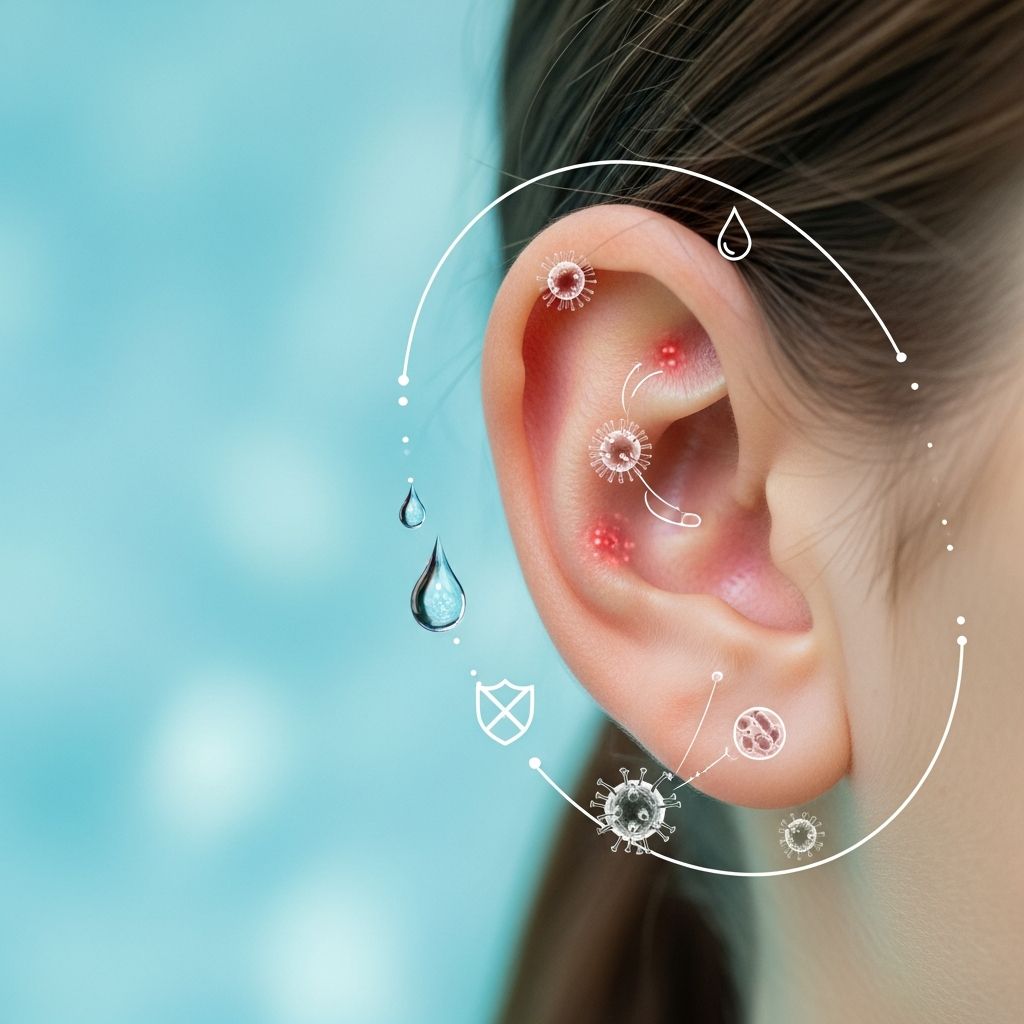
Swimmer’s ear is a painful outer ear infection that often affects teens who love the pool, beach, or long showers. Understanding how it starts and how to treat it can help you get back to your favorite activities faster and with less discomfort.
What Exactly Is Swimmer’s Ear?
Swimmer’s ear, also called outer ear canal infection, happens in the narrow passage that runs from the opening of your ear to the eardrum. When this canal stays damp or becomes irritated, germs can grow and cause inflammation, redness, and pain.
Unlike the more familiar middle ear infection that occurs deeper behind the eardrum, swimmer’s ear affects the skin-lined tunnel that you can partially see from the outside. This is why even light touches to the outer ear can feel surprisingly painful.
How Swimmer’s Ear Differs from a Regular Ear Infection
Many teens use the term “ear infection” for any ear problem, but not all infections are the same. The location and typical triggers help separate swimmer’s ear from middle ear infections.
| Feature | Swimmer’s Ear (Outer Ear) | Middle Ear Infection |
|---|---|---|
| Main location | Ear canal between opening and eardrum | Space behind the eardrum |
| Typical trigger | Trapped water, irritation, or minor skin injury | Colds, allergies, or infections that move from nose/throat |
| Common feeling | Pain when outer ear is pulled or pressed | Deep pressure or fullness behind the eardrum |
| Who often gets it | People who swim or stay in humid, wet conditions | Often younger children after respiratory infections |
| Main treatment | Prescription ear drops, ear canal care, pain relief | Observation, oral medicine, or sometimes ear drops |
Knowing the difference helps you describe your symptoms more clearly to a health professional so they can choose the safest and most effective treatment.
Why Teens Get Swimmer’s Ear
Any age group can develop swimmer’s ear, but teens are often at higher risk because of active lifestyles and frequent water exposure. Sports, workouts, and social activities around pools and beaches can expose the ear canal to repeated moisture.
Several everyday habits and situations make swimmer’s ear more likely:
- Frequent swimming or diving: Pools, lakes, oceans, and rivers can leave water trapped in the ear canal.
- Long, hot showers: Steamy, humid bathrooms and water running into the ears can create a damp environment germs love.
- Ear cleaning with objects: Cotton swabs, nails, or hairpins can scratch the delicate skin inside the canal and remove protective wax.
- Earbuds and earphones that sit in the canal: These may trap moisture and cause friction or tiny skin injuries.
- Skin conditions: Eczema or dermatitis around the ear makes the skin more fragile and easier to infect.
Even if you never swim competitively, simple activities like washing your hair, using certain hair products, or sweating heavily during sports can raise the chances of moisture lingering in the ear.
How Swimmer’s Ear Starts
The ear canal has its own built-in protection system that usually keeps infections away. A thin layer of wax, natural oils, and slightly acidic conditions help block unwanted germs from taking hold.
Swimmer’s ear usually develops when this balance is disrupted. Here is the typical sequence:
- Water, sweat, or another liquid remains in the ear canal instead of draining out.
- The constant dampness softens and irritates the skin, causing tiny cracks or peeling.
- Germs that normally do not cause trouble start to multiply in this warm, moist environment.
- The damaged skin provides an easy entry point, and the canal becomes inflamed, sore, and swollen.
Chemicals from hair sprays, hair dyes, or heavily chlorinated water can also irritate the canal, making it more vulnerable to infection, even if you do not spend a lot of time underwater.
Early Signs and Symptoms to Watch For
Swimmer’s ear often starts with subtle discomfort that is easy to ignore, but catching it early can prevent more serious pain and complications. Pay attention if your ear feels different after water activities.
- Itchy feeling inside the ear canal that does not go away quickly.
- Mild pain or tenderness when you tug on your earlobe or press the flap at the front of the ear.
- Sensation of fullness or blockage in the ear, sometimes with slightly muffled hearing.
- Small amount of clear or slightly cloudy fluid that seems to leak from the ear canal.
- Redness or flaky skin visible at the entrance to the ear.
If these early symptoms are ignored, the infection can become more severe and much more painful.
When Swimmer’s Ear Gets Worse
As the infection grows, swelling and inflammation increase, and normal ear functions are affected. Sounds may become harder to hear clearly, and everyday activities may start to hurt.
- Sharp or throbbing pain that worsens when chewing, talking, or moving the jaw.
- Increased drainage that may be thicker, sometimes yellowish or greenish, and may have an odor.
- More serious blockage of the canal causing noticeable hearing loss on the affected side.
- Swelling of the outer ear or nearby skin that looks puffy or feels warm to the touch.
- General unwell feeling, and occasionally fever if the infection is spreading.
Severe pain, visible swelling, or discharge from the ear is a strong sign that medical attention is needed instead of home remedies alone.
How Doctors Check for Swimmer’s Ear
If you visit a clinic or urgent care, a doctor or nurse will typically ask questions about your activities and symptoms and then take a close look at the ear canal using a lighted instrument. This allows them to see if the canal is swollen, red, or filled with debris.
In most cases, the diagnosis can be made just from the exam and your description of the pain. If discharge is heavy, or if the infection is not improving as expected, a small sample of fluid may sometimes be tested to identify the germs involved and match them with the right medication.
Typical Treatment and Recovery
Treatment for swimmer’s ear focuses on fighting the infection, reducing swelling, and keeping the ear canal dry while it heals. Following the full treatment plan, even after you start to feel better, helps prevent symptoms from returning.
Common Parts of Treatment
- Prescription ear drops: These often contain medicine that targets bacteria or fungi, along with ingredients that calm inflammation.
- Cleaning the ear canal: A health professional may gently remove debris or thick discharge so that the drops can reach all the affected skin.
- Pain relief: Over-the-counter pain relievers can help manage discomfort, especially in the first few days.
- Dry ear precautions: You will typically be advised to keep the ear dry, avoid swimming, and follow specific instructions for showering.
Most teens notice improvement within a few days after starting the correct ear drops, but complete healing can take a week or more. Skipping doses or stopping early can allow the infection to hang on and possibly come back stronger.
Home Care Tips While You Heal
During treatment, small changes in daily habits can make a big difference in how quickly the ear calms down. The goal is to avoid extra irritation and to help the medicine work as well as possible.
- Avoid inserting any objects into the ear, including cotton swabs and earbuds, until your doctor says the infection is gone.
- During showers, use a loose cotton ball lightly coated with petroleum jelly at the ear opening if your clinician recommends it, and keep your head tilted to reduce water entry.
- Follow the exact schedule for ear drops, and stay in the recommended head position long enough for the drops to coat the ear canal.
- Use a warm, not hot, washcloth held against the outer ear for a few minutes to ease soreness, as long as it stays dry and does not press liquid into the canal.
- Hold off on swimming, diving, or underwater sports until cleared by a health professional, even if the pain seems to have disappeared.
If your symptoms suddenly worsen, new discharge appears, or you develop fever or spreading redness around the ear, contact a medical provider promptly for further evaluation.
Preventing Swimmer’s Ear Before It Starts
Prevention is often easier than treatment, especially if you spend a lot of time in pools or natural water. Simple routines after swimming or showering can help protect your ears all season long.
Smart Habits for Water Lovers
- Gently dry your ears after water exposure by tilting your head to each side to let water drain, then patting the outer ear with a towel.
- Avoid aggressive ear cleaning: Let the ear’s natural wax stay; it helps defend against infection.
- Use protective ear gear like well-fitting earplugs or a swim cap in consultation with a health professional, especially if you get frequent infections.
- Keep hair products out of the ear canal by covering ears lightly when using sprays or dyes.
- Take breaks from in-ear devices such as earbuds, especially after workouts when sweat can collect in the canal.
If you are someone who tends to develop swimmer’s ear repeatedly, talk with a clinician about personalized strategies to reduce your risk during high-activity seasons.
Possible Complications and Why They Matter
Most cases of swimmer’s ear are mild and clear up completely with proper treatment. However, ignoring severe symptoms or repeatedly stopping treatments early can lead to longer-lasting issues.
- Recurring infections: The ear canal may become more vulnerable to minor irritation if infections keep returning.
- Temporary hearing problems: Blockage by swelling or discharge can muffle sound until the inflammation resolves.
- Spread of infection: In rare cases, the infection can spread to nearby skin or deeper tissues, which requires prompt medical care.
Taking symptoms seriously, even if they appear small at first, helps protect your long-term ear health and your ability to hear clearly.
Practical Do’s and Don’ts for Teens
Keeping a few simple rules in mind can reduce your chance of painful flare-ups and help you manage an episode of swimmer’s ear more safely if it does occur.
- Do seek medical advice if ear pain, drainage, or hearing changes last more than a day or two.
- Do follow your ear-drop instructions exactly, including how long to stay in the recommended position.
- Do tell your doctor about sports or activities that involve water so they can plan prevention with you.
- Don’t insert anything into the ear canal to scratch, dry, or clean it.
- Don’t ignore severe or worsening pain, especially if you see swelling around the ear or jaw.
- Don’t share earbuds or in-ear headphones, since this can spread germs between ears.
These straightforward guidelines can fit easily into your daily life and still allow you to enjoy music, sports, and time in the water.
Frequently Asked Questions About Swimmer’s Ear
1. Can you get swimmer’s ear even if you never swim?
Yes. Any situation that leaves moisture in the ear canal, such as long showers, sweating during workouts, or spending time in very humid environments, can create conditions that lead to swimmer’s ear. The name can be misleading, because it is really about trapped moisture and skin irritation, not swimming alone.
2. Is swimmer’s ear contagious?
Swimmer’s ear is not usually spread from person to person the way a cold is. The infection mostly depends on what is happening inside your own ear canal. However, sharing objects that go into the ear, like earbuds, can pass along germs that might contribute to problems if your ear is already irritated or moist.
3. Will swimmer’s ear affect my hearing permanently?
Most teens experience only temporary changes in hearing due to swelling and fluid blocking the canal. When the infection clears and the canal opens again, hearing usually returns to normal. Permanent hearing loss from swimmer’s ear is rare when the condition is treated early and properly.
4. Can I still play sports while I have swimmer’s ear?
Non-water sports are often fine, as long as movements do not cause extra pain and you are following your treatment plan. Activities that involve water, heavy sweating around the head, or wearing tight helmets or headgear over the infected ear may need to be limited until your doctor says it is safe.
5. Are over-the-counter ear drops enough?
Some nonprescription drops are designed to help dry out ears after swimming, but they do not replace prescription medicines for an active infection. If you already have pain, discharge, or reduced hearing, it is safer to get a professional diagnosis rather than trying to treat it on your own.
6. How can I tell if pain is from swimmer’s ear or from a middle ear infection?
Pain from swimmer’s ear often worsens when you gently tug the outer ear or press in front of the ear canal opening, while middle ear infections usually cause deeper pressure that does not change much with touching the outside. Only an exam by a trained medical provider can make a definite diagnosis, so do not rely only on self-checks if the pain is strong or persistent.
Key Takeaway for Teens
Swimmer’s ear is common, uncomfortable, and usually very treatable. If you recognize the early warning signs, follow medical advice, and build protective habits into your routine, you can keep your ears healthier and enjoy the water and your favorite activities with fewer interruptions.