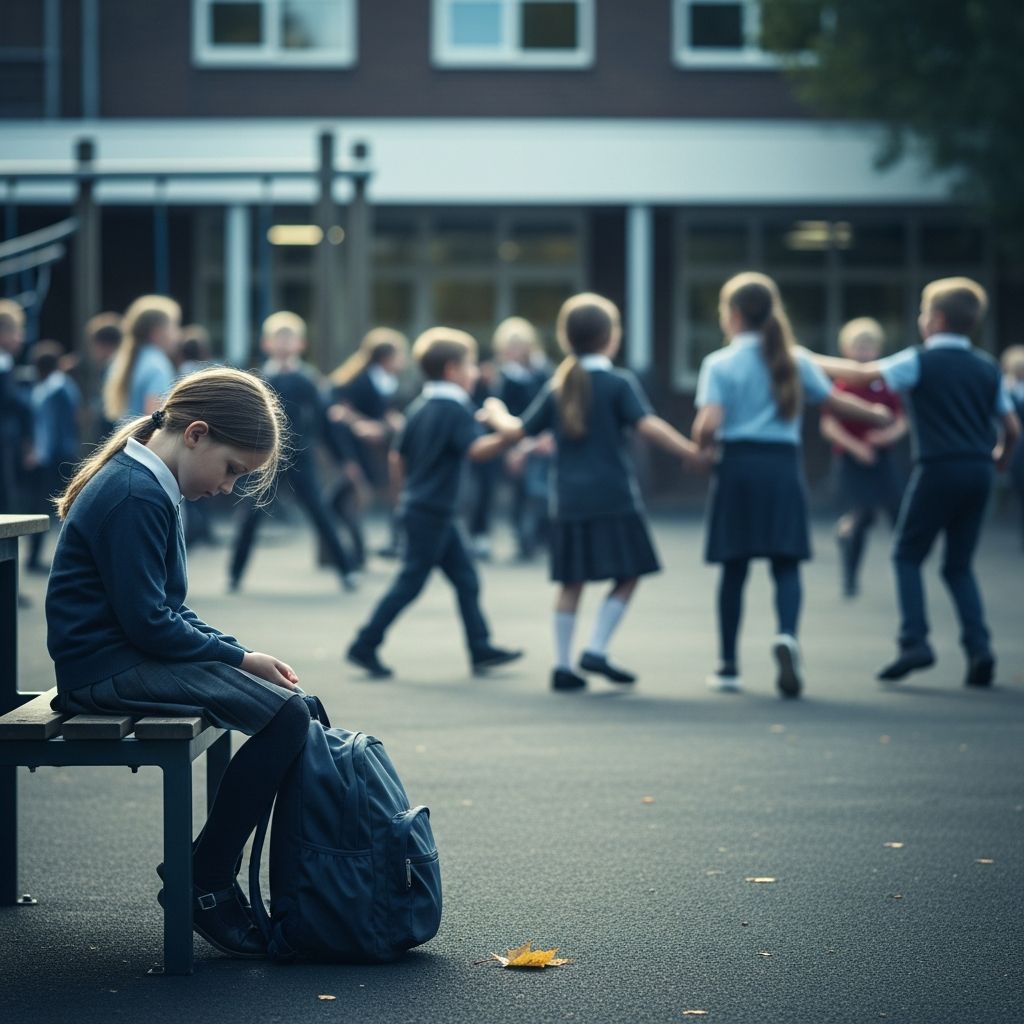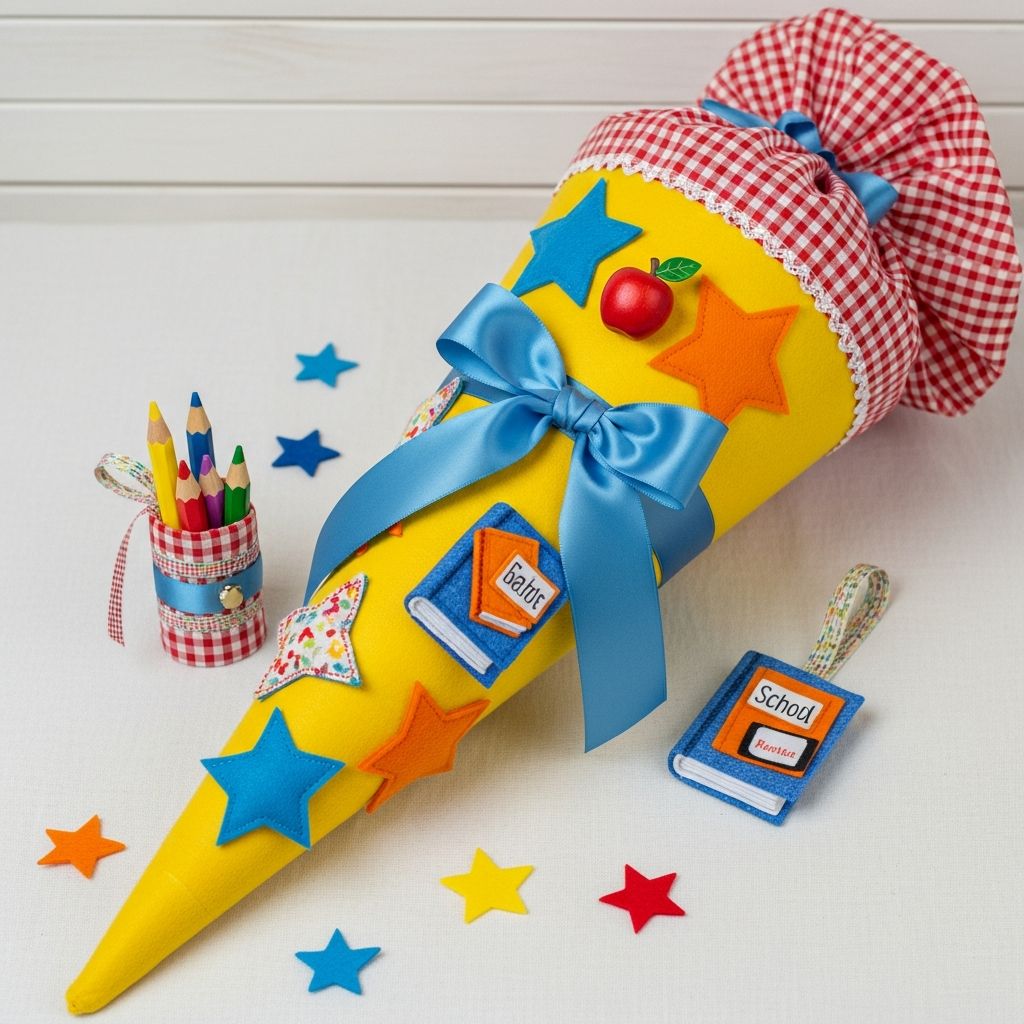
The first day of school can feel huge for a young child. A Schultüte, or decorated school cone filled with small surprises, turns that big moment into a celebration of courage, curiosity, and new beginnings.
What Is a Schultüte?
A Schultüte is a cone-shaped gift container traditionally given to children in German-speaking countries on their first day of formal school, usually first grade. It is typically made from sturdy paper or cardboard, decorated with bright colors, and filled with treats, school supplies, and small toys.
For many families, the cone is more than just a gift bag. It becomes a symbol of support, encouragement, and pride, helping children associate school with excitement rather than anxiety.
Why This Tradition Matters for Children
Starting school is a major transition. Children are stepping into a new environment, meeting new people, and adjusting to new routines. Thoughtful rituals like the Schultüte can make this change feel safe and celebratory.
When a child receives a Schultüte, they are not just getting objects; they are receiving a message: “You are ready. We believe in you. We are here to cheer you on.” That emotional layer is what turns a simple cone into a cherished memory.
Key Benefits of a First-Day-of-School Cone
- Reduces first-day jitters: Having a fun surprise waiting after the first school bell adds something to look forward to.
- Marks a clear milestone: The cone highlights the transition from early childhood into the school years.
- Creates family connection: Making and filling the cone involves siblings, grandparents, and caregivers in the celebration.
- Supports learning: Filling the cone with school tools and books connects excitement with education.
- Becomes a keepsake: Many families keep the cone, photos, or a few items as a reminder of this special day.
Planning Your Schultüte: Theme, Size, and Style
Before you start cutting cardboard or ordering supplies, spend a few minutes planning. A little forethought helps you create a cone that feels tailored to your child rather than generic.
Choosing a Theme That Fits Your Child
Think about what lights your child up right now. Their current passion is your best starting point for a theme and color palette.
- Favorite animals (dinosaurs, cats, owls, sharks)
- Beloved stories or fairy-tale worlds
- Space, science, or nature themes
- Sports: soccer, gymnastics, swimming, dance
- Simple patterns: rainbows, stars, hearts, geometric shapes
Picking the Right Size
The size of the cone should match your child’s age and height, as well as your budget and ambitions. An oversized cone might be impressive in photos but difficult for a small child to carry.
| Child’s Age | Approx. Cone Length | Best For |
|---|---|---|
| 4–5 years | 40–50 cm | Preschool or kindergarten milestones |
| 6–7 years | 60–70 cm | Traditional first-grade Schultüte |
| 8+ years | 70–80 cm | Special occasions or older-school transitions |
Materials Checklist
You can adapt this list to what you already have at home. Craft stores are helpful, but you can also work with recycled materials for a more sustainable cone.
- Heavy paper or thin cardboard (poster board works well)
- Decorative paper, gift wrap, or fabric to cover the cone
- Tissue paper or tulle for the top ruffle
- Ribbon, yarn, or cord for tying the top closed
- Glue stick, craft glue, or double-sided tape
- Scissors or craft knife (used by an adult)
- Markers, stickers, and embellishments (felt shapes, foam letters, washi tape)
Step-by-Step: Building the Cone Base
Crafting the basic cone is straightforward once you know the steps. Older children can help with safe tasks like decorating while adults handle cutting and shaping.
- Draw a quarter-circle: On your cardboard or poster board, sketch a large quarter-circle. The radius should match your planned cone length.
- Cut the shape: Carefully cut along the curved edge and straight sides to create a fan-like piece.
- Roll into a cone: Bring the two straight edges together, overlapping until you like the narrowness of the tip and the width of the opening.
- Secure the seam: Fix the edges together with tape on the inside and glue or decorative tape on the outside.
- Reinforce the point: If the tip feels fragile, tape a small piece of cardboard inside the point for extra strength.
Once the base is done, you have a blank canvas ready for color and creativity. This is where your child’s personality can really shine.
Decorating Your Schultüte with Personality
Decoration is where the project transforms from simple cone to treasured keepsake. You can keep it minimalist or go all-out; both approaches can be beautiful and meaningful.
Simple Decoration Ideas
- Wrap the entire cone in patterned gift wrap or kraft paper.
- Use one main color and add contrasting stickers or paper cut-outs.
- Attach foam or felt letters to spell your child’s name or initials.
- Add a single large motif, such as a rocket, unicorn, or soccer ball.
Creative Add-Ons
- Create paper or felt banners with short messages like “You’ve Got This!” or “New Adventures Ahead”.
- Glue small 3D elements like mini pom-poms, buttons, or fabric flowers.
- Use metallic markers or glitter glue for stars, constellations, or fairy dust trails.
- Attach a small toy (a tiny plush, figurine, or keychain) to dangle from the rim.
Adding the Top Ruffle
The ruffled top is both decorative and practical, helping to contain the gifts. Cut a wide strip of tissue paper or tulle, then glue or tape it to the inside rim so that it protrudes above the cone. When you gather and tie it later, it will resemble a festive bouquet.
What to Put Inside: Balancing Fun and Function
The magic of a Schultüte lies in what your child discovers when it is finally opened. Aim for a thoughtful balance of treats, practical items, and meaningful keepsakes.
School Supplies That Spark Excitement
- Colorful pencils or pens
- Fun erasers, sharpeners, and rulers
- Stickers or stampers for decorating homework or notebooks
- A small notebook or sketchbook
- A child-friendly watch or timer to practice time awareness
Small Surprises and Comfort Items
- A tiny plush toy that can stay at home or ride in a backpack pocket
- Hair accessories, bracelets, or themed socks
- A keychain with their initial or favorite character
- A stress ball or soft fidget toy for nervous hands
- A small photo card of the family with an encouraging note on the back
Treats and Snacks (With Intention)
Many traditional cones include candy, but you can adjust to your family’s food preferences. A mix of fun and nourishing options works well.
- Individually wrapped sweets or chocolate pieces
- Dried fruit, granola bites, or trail mix in small packets
- Favorite snack bars or crackers
- A reusable water bottle or snack container
Age-Appropriate Filler Ideas at a Glance
| Age Range | Focus | Example Items |
|---|---|---|
| 4–5 years | Comfort and play | Plush toy, chunky crayons, coloring book, stickers, animal-shaped snacks |
| 6–7 years | School readiness | Pencils, erasers, small book, kid watch, fun lunchbox notes, light sweets |
| 8–10 years | Independence | Journal, chapter book, DIY craft kit, bookmark, sports socks, voucher for a special outing |
Involving the Whole Family
One of the most meaningful aspects of a Schultüte is how many loved ones can take part in creating it. Even if only one adult assembles the cone, other family members can contribute in small but memorable ways.
- Ask grandparents to write a short note or draw a little picture to tuck inside.
- Let siblings choose one item to contribute, such as a sticker sheet or a tiny toy.
- Invite godparents or close friends to sponsor a book or special keepsake.
- Collaborate with co-parents on a shared message about how proud you both are.
How to Present the Schultüte on the Big Day
The moment of giving the cone can be as low-key or ceremonial as you wish. Some families present it before school as an energizing surprise; others wait until after school as a reward for a brave first day.
Presentation Ideas
- Place the cone by your child’s breakfast spot to discover in the morning.
- Hand it over right after first-day photos, turning the moment into a mini-ceremony.
- Save it for after school so your child associates coming home with comfort and celebration.
- Create a small “unboxing” ritual where each item is discovered and briefly talked about.
Do not worry about doing it “the right way.” The best approach is the one that works with your family’s morning routine and your child’s temperament.
Making It Sustainable and Budget-Friendly
A Schultüte does not have to be expensive or wasteful. With a few thoughtful choices, you can create something special that is kind to both your wallet and the planet.
Eco-Conscious Tips
- Use recycled cardboard or leftover gift wrap for the cone.
- Choose reusable items like water bottles, pencil cases, and lunch gear over single-use trinkets.
- Focus on books and crafts rather than plastic toys that will be forgotten quickly.
- Store the cone after the first day and repurpose it for room decor or future memory boxes.
Budget-Wise Strategies
- Set a clear spending limit before shopping for fillers.
- Mix a few “wow” items with low-cost favorites like stickers and homemade coupons.
- Shop throughout the year and save small treasures for the cone.
- Partner with another family to buy multipacks of items and split the cost.
Ideas to Turn the Tradition into a Long-Lasting Memory
The cone itself is just one part of the story. You can weave the Schultüte into a larger ritual that your child remembers far into adulthood.
- Take yearly photos with the cone or in the same place to show how your child grows.
- Keep one small item (like the name tag or a favorite pencil) in a labeled memory box.
- Write a short letter about your hopes for the school year and read it together.
- End the day with a special meal or dessert to talk about highlights and feelings.
Frequently Asked Questions About Schultüte
Is a Schultüte only for first grade?
Traditionally, the cone is given when a child begins first grade, but families around the world now adapt it for preschool, kindergarten, or any significant school milestone. You can also create smaller versions for siblings so no one feels left out.
Do I have to follow specific rules?
There is no strict rulebook. The heart of the tradition is celebrating a child’s step into school with love and encouragement. The size, contents, and presentation can all be adapted to suit your values, culture, and budget.
How much candy is appropriate?
That depends entirely on your family’s approach to sweets. Some parents include only a few special treats and balance them with snacks, books, and practical items. Others create a more candy-focused cone but set clear boundaries about when and how the sweets are eaten.
Can I buy a ready-made cone instead of crafting one?
Absolutely. Many parents purchase a pre-made cone and then customize it with their child’s name or a few added decorations. What matters most is the meaning behind the gesture, not whether every part is handmade.
What if my child feels nervous about school despite the Schultüte?
The cone is meant as a support, not a cure-all. Use it alongside open conversations, school visits, and reassurance. You can include comforting notes and small calming items in the cone to acknowledge and validate those feelings.
A Schultüte is a simple craft that carries a powerful message: starting school is not something a child faces alone. With a thoughtfully filled cone and a few intentional rituals, you can transform the first day of school into a warm, encouraging milestone your child will remember with pride and joy.