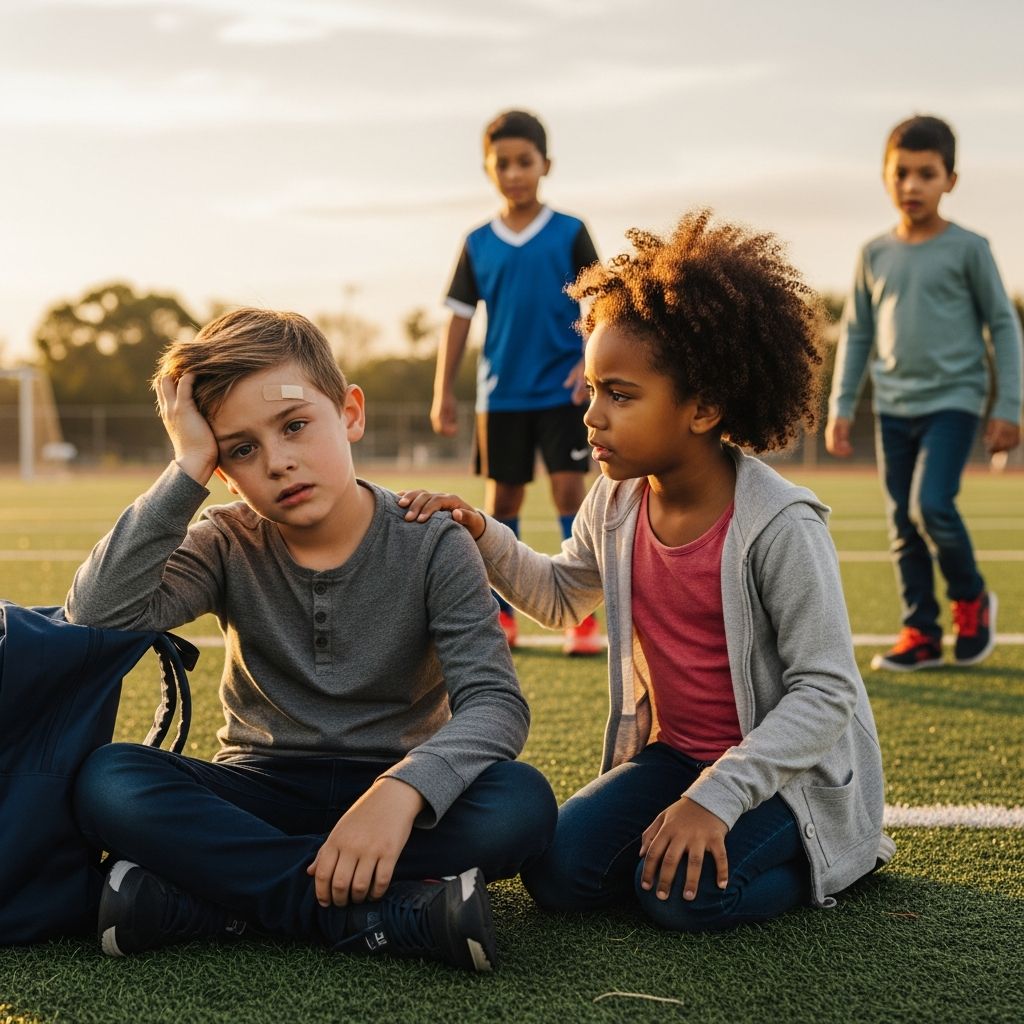
Concussions represent a common yet serious brain injury among teens, particularly in school environments involving sports, physical education, or accidents. These injuries occur when a blow to the head or body causes the brain to shift rapidly inside the skull, leading to temporary dysfunction. Understanding how to identify, treat, and prevent concussions is crucial for students, educators, and parents to ensure quick recovery and long-term brain health.
Understanding What Causes Concussions at School
In school settings, concussions often stem from high-impact activities. Contact sports like football, soccer, hockey, and basketball account for many cases, where collisions with other players, equipment, or the ground deliver forceful impacts. Even non-contact activities such as gymnastics, cheerleading, or playground roughhousing can lead to falls or strikes. Beyond sports, concussions may result from bike accidents, fights, or slips on wet floors during recess or PE classes. The force doesn’t need to be extreme; a sudden jolt can rattle the brain enough to cause injury.
Teens are especially vulnerable because their brains are still developing, with thinner skulls and less protective padding compared to adults. Rapid growth spurts can also affect coordination, increasing mishap risks. Statistics show that sports-related concussions affect over 3 million people annually in the U.S., with school-aged youth comprising a significant portion.
Recognizing the Signs: When to Suspect a Concussion
Symptoms of a concussion vary widely and may not appear immediately, sometimes emerging hours, days, or even weeks later. Common physical signs include persistent headaches, dizziness, nausea, vomiting, blurred or double vision, sensitivity to light or noise, and balance issues. Cognitive symptoms often involve trouble concentrating, feeling mentally foggy, slowed thinking, memory lapses, and confusion. Emotional changes like irritability, anxiety, sadness, or mood swings are also frequent, alongside sleep disturbances such as insomnia or excessive drowsiness.
Observe for behavioral shifts too: a usually sharp student struggling with grades, becoming easily distracted, or sleeping more than usual. Symptoms can worsen in the afternoon or with screen time, making school a key observation ground. Not every case shows all signs; some teens feel fine initially but deteriorate later.
| Category | Symptoms |
|---|---|
| Physical | Headache, dizziness, nausea, vision problems, balance issues |
| Cognitive | Confusion, memory loss, trouble focusing, feeling slowed |
| Emotional | Irritability, anxiety, sadness, mood changes |
| Sleep | Drowsiness, insomnia, sleeping too much or too little |
Immediate Response: What to Do Right After a Suspected Injury
If a concussion is suspected, stop activity immediately. Do not allow the student to participate in sports or demanding tasks. Remove them to a quiet, low-light area for rest. Avoid painkillers like ibuprofen or aspirin in the first 12 hours, as they can mask symptoms or increase bleeding risk. Monitor closely for red flags requiring emergency care: repeated vomiting, worsening headache, seizures, slurred speech, unequal pupils, weakness in limbs, or visible skull deformity.
Notify parents or guardians promptly and recommend a healthcare evaluation within 24-48 hours. School staff should document the incident, symptoms, and actions taken. Sideline assessments using tools like symptom checklists or balance tests can aid initial screening.
Professional Diagnosis: Tests and Evaluations
Diagnosis relies on clinical judgment rather than a single test, as imaging like CT or MRI rarely shows concussions unless complications like bleeding exist. Providers conduct neurological exams checking vision, hearing, strength, balance, coordination, reflexes, and cognitive function. They review injury history, symptom onset, and prior head traumas.
Additional tools include neurocognitive testing for memory and reaction time, balance assessments, vestibular-ocular evaluations, and symptom questionnaires. Baseline tests taken pre-season provide comparison data for recovery tracking. Questions probe headache timing, coordination issues, sensory changes, mood shifts, fatigue, sleep problems, and smell/taste alterations.
Treatment Strategies: From Rest to Targeted Rehab
Early treatment emphasizes physical and cognitive rest to allow brain healing. Avoid screens, reading, and intense mental tasks initially. Most recover within 2-3 weeks, but over 80% return to normal quickly with proper care. Newer approaches shift from total rest to active rehab targeting deficits: vision therapy for eye issues, vestibular exercises for dizziness, and controlled exertion for stamina.
Manage symptoms specifically—hydration, short walks, or prescribed meds for severe headaches. Repeated concussions may require specialized plans. Monitor for prolonged symptoms, seeking further care if issues persist beyond 10 days.
Navigating School: Return-to-Learn Protocols
Returning to academics demands a gradual approach, as full rest is outdated. Develop a Return-to-Learn (RTL) plan for students with worsening symptoms during schoolwork or screen use. Steps include:
- Step 1: Daily low-load return – Shortened days, rest breaks every 30-45 minutes.
- Step 2: Increase tolerance – Longer classes, reduced homework, extra time on tasks.
- Step 3: Full academics – Normal schedule once symptoms are mild and brief.
Accommodations like note copies, postponed tests, dimmed lights, or quiet rooms help. School nurses play a key role in monitoring and adjusting. Symptoms may evolve at school, so ongoing communication with healthcare providers is essential.
Stepping Back into Sports: Return-to-Play Guidelines
Athletes must be symptom-free at rest and exertion before resuming play, following a 5-7 step protocol under medical clearance:
- Rest: No activity until asymptomatic.
- Light aerobic: Walking, stationary bike.
- Sport-specific: Jogging, skating without contact.
- Non-contact training: Drills, weights.
- Full practice: After medical okay.
- Return to play: Game participation.
Each step takes 24+ hours; setbacks restart the process. Protocols vary by school or league but include education, baseline testing, and evaluations.
Prevention Tips for Safer School Activities
Reduce risks with proper gear: fitted helmets for sports, mouthguards, and safe equipment. Enforce rules against head-first tackles or unsafe plays. Pre-season baseline testing tracks changes post-injury. Educate coaches, students, and parents on recognition and response. Strength training improves neck muscles for impact absorption. Promote fair play and immediate reporting of hits.
Long-Term Effects and When to Worry
Most concussions resolve fully, but repeated injuries raise risks for prolonged issues or chronic conditions like post-concussion syndrome. Watch for lingering headaches, cognitive fog, or mood disorders. Early intervention prevents complications. Teens with prior concussions need cautious management.
Frequently Asked Questions (FAQs)
Q: Can I return to class right after a concussion?
A: No, start with rest and gradual reintroduction using accommodations like breaks and reduced workload until symptoms subside.
Q: How long does recovery typically take?
A: Most teens recover in 7-21 days, but follow medical guidance for personalized timelines.
Q: Should I take medicine for headache?
A: Avoid initially; consult a doctor for safe options after evaluation.
Q: What if symptoms worsen at school?
A: Notify the nurse immediately and adjust the return-to-learn plan; seek medical reevaluation.
Q: Is baseline testing necessary?
A: Yes, it provides a pre-injury benchmark for accurate post-injury assessment.
Empowering Teens for Brain Safety
Knowledge is the best defense against concussions. Teens should advocate for themselves by reporting symptoms honestly, using gear properly, and supporting peers. Schools foster safety through protocols and education. With prompt action and structured recovery, students can thrive post-injury.
References
- Concussion 101 Guide: Symptoms, Treatment, Rehab — Baseline Testing. 2023. https://baselinetesting.com/concussion-101-guide-symptoms-treatment-rehab/
- Concussion – Diagnosis and treatment — Mayo Clinic. 2025-01-10. https://www.mayoclinic.org/diseases-conditions/concussion/diagnosis-treatment/drc-20355600
- Resources For School Nurses — Concussion Alliance. 2024. https://www.concussionalliance.org/resources-for-school-nurses
- Returning to Learn After Concussion: A Guide for School Professionals — Nationwide Children’s Hospital. 2024. https://www.nationwidechildrens.org/specialties/concussion-center/concussion-toolkit/return-to-learn
- Current Concepts in Concussion: Initial Evaluation and Management — American Academy of Family Physicians. 2019-04-01. https://www.aafp.org/pubs/afp/issues/2019/0401/p426.html
- Concussion — American Association of Neurological Surgeons. 2024. https://www.aans.org/patients/conditions-treatments/concussion/