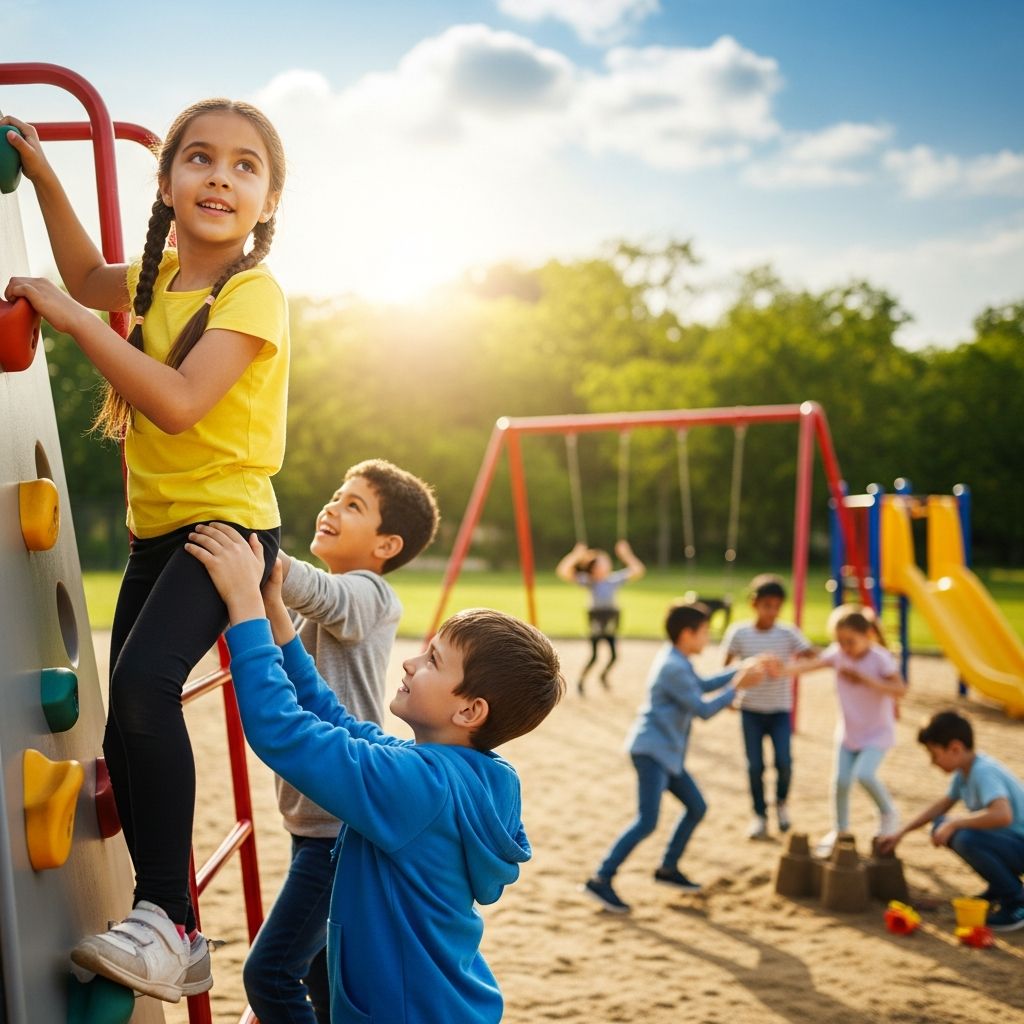
Mental resilience equips children with the ability to bounce back from setbacks, manage intense emotions, and pursue goals despite obstacles. This inner fortitude acts like a muscle that strengthens through consistent practice and parental guidance, enabling kids to transform challenges into growth opportunities.
Understanding the Foundations of Mental Toughness
Mental toughness in children involves regulating thoughts, acknowledging emotions, and channeling behaviors productively. Unlike innate talent, it develops through deliberate habits that parents can instill early. Research from child psychologists emphasizes that resilience is not about suppressing negativity but processing it constructively, allowing children to emerge stronger from adversity.
Key components include emotional awareness, where kids learn to identify feelings without judgment, and cognitive flexibility, which helps reframe negative thoughts. The American Psychological Association highlights that resilient children maintain routines and connections, which provide stability amid chaos.
Modeling Resilience: Parents as the Primary Example
Children mirror parental behaviors, making your responses to stress a powerful lesson. Demonstrate healthy coping by verbalizing your process aloud: “I’m frustrated, but I’ll take deep breaths and try again.” This models emotional regulation without denial.
- Share personal stories of overcoming failure to normalize setbacks.
- Avoid rescuing kids from natural consequences; let them experience mild disappointments to build problem-solving skills.
- Prioritize family time for open discussions, fostering empathy and active listening.
Consistency in modeling builds trust, encouraging children to seek guidance during tough times rather than internalizing struggles.
Cultivating Positive Inner Dialogue
Self-talk shapes a child’s self-perception. Teach simple mantras like “I am capable of learning from this” or “Challenges help me grow” to replace defeatist thoughts. Repeat these during calm moments and reinforce during stress.
Encourage kids to challenge “all-or-nothing” thinking, such as “I’m bad at everything,” by listing evidence of past successes. This cognitive reframing, drawn from mental strength training, empowers children to control their mindset.
| Negative Self-Talk | Resilient Reframe |
|---|---|
| “I always fail.” | “I didn’t succeed this time, but I can improve.” |
| “Everyone hates me.” | “Some people like me, and I can build more connections.” |
| “This is too hard.” | “It’s challenging, but small steps will get me there.” |
Embracing Failure as a Teacher
View mistakes not as endpoints but as data for improvement. Praise effort over innate ability: “You worked hard on that puzzle—next time, you’ll get it even faster.” This growth mindset prevents fear of failure from paralyzing progress.
Guide children through post-failure reflection: What went wrong? What can I adjust? Such practices turn errors into expertise-building blocks, as experts start as beginners.
Teaching Boundaries and Assertiveness
Mentally strong kids respect their limits and others’. Practice saying no politely: “Thank you, but I need to focus on my homework now.” Role-play peer pressure scenarios to build confidence in asserting needs without aggression.
Set clear family rules with natural consequences, distinguishing discipline (teaching for future success) from punishment (retribution for past actions). This empowers kids to own their choices.
Fostering Independence and Decision-Making
Grant age-appropriate autonomy to cultivate self-reliance. Toddlers choose outfits; teens plan budgets. Shared control teaches responsibility without overwhelm.
- Expose kids to diverse experiences for adaptability.
- Help set short- and long-term goals, reviewing progress weekly.
- Create a “calm-down kit” with tools like stress balls or journals for self-soothing.
Building Supportive Connections
Resilience thrives in relationships. Encourage helping others to boost purpose and empathy. Maintain daily routines for predictability, and prioritize quality family interactions.
For siblings, correct actions while validating emotions: “It’s okay to feel mad, but hitting hurts—use words next time.” This separates feelings from behaviors.
Daily Routines for Emotional Strength
Structure breeds security. Incorporate gratitude rituals at dinner: Each shares three positives. Pair with physical activity and adequate sleep to regulate mood.
Introduce mindfulness practices like deep breathing or progressive muscle relaxation, tailored for kids: Imagine blowing worries away like bubbles.
Navigating Negative Emotions Productively
Validate all feelings: “I see you’re upset—want to talk?” Then guide to solutions. Avoid pity parties by redirecting to action: “What small step can we take?”
Teach tolerance for discomfort as a resilience cornerstone. Start small—delay gratification like waiting for dessert—to build perseverance.
Long-Term Strategies for Lasting Resilience
Monitor emotional health; seek professional help for persistent issues. Celebrate progress incrementally, reinforcing that growth is gradual.
Integrate fun: Play teaches adaptability and joy amid effort. Relational skills via group activities ensure kids thrive socially.
Frequently Asked Questions
What is mental resilience in kids?
Mental resilience is the capacity to manage thoughts, emotions, and behaviors effectively, recovering from setbacks like a muscle through practice.
How can parents model mental strength?
Verbalize coping strategies openly, share failure stories, and handle your emotions constructively in front of children.
At what age should I start teaching resilience?
Begin in toddlerhood with simple choices and emotional naming, scaling complexity with age.
What if my child struggles with negative self-talk?
Use mantras, evidence-based reframing, and consistent praise for effort to shift their inner dialogue gradually.
Does resilience mean never feeling sad?
No—it’s feeling emotions fully then acting productively, not denying or dwelling indefinitely.
References
- Teaching Children Mental Strength — Bregman Medical Group. 2023-05-15. https://www.bregmanmedicalgroup.com/blog/teaching-children-mental-strength/
- How to Talk to Kids about being Mentally Strong with Amy Morin — Dr. Robyn Silverman. 2022-10-10. https://drrobynsilverman.com/how-to-talk-to-kids-about-being-mentally-strong-with-amy-morin-lcsw-rerelease/
- 33 Best Tips for Raising Mentally Strong Kids — Amen Clinics. 2024-03-20. https://www.amenclinics.com/blog/33-best-tips-for-raising-mentally-strong-kids/
- Tips for Raising Mentally Strong Kids — LearningRx Harrisonburg. 2023-08-12. https://www.learningrx.com/harrisonburg/tips-for-raising-mentally-strong-kids/
- Resilience guide for parents and teachers — American Psychological Association (APA). 2025-01-01. https://www.apa.org/topics/resilience/guide-parents-teachers