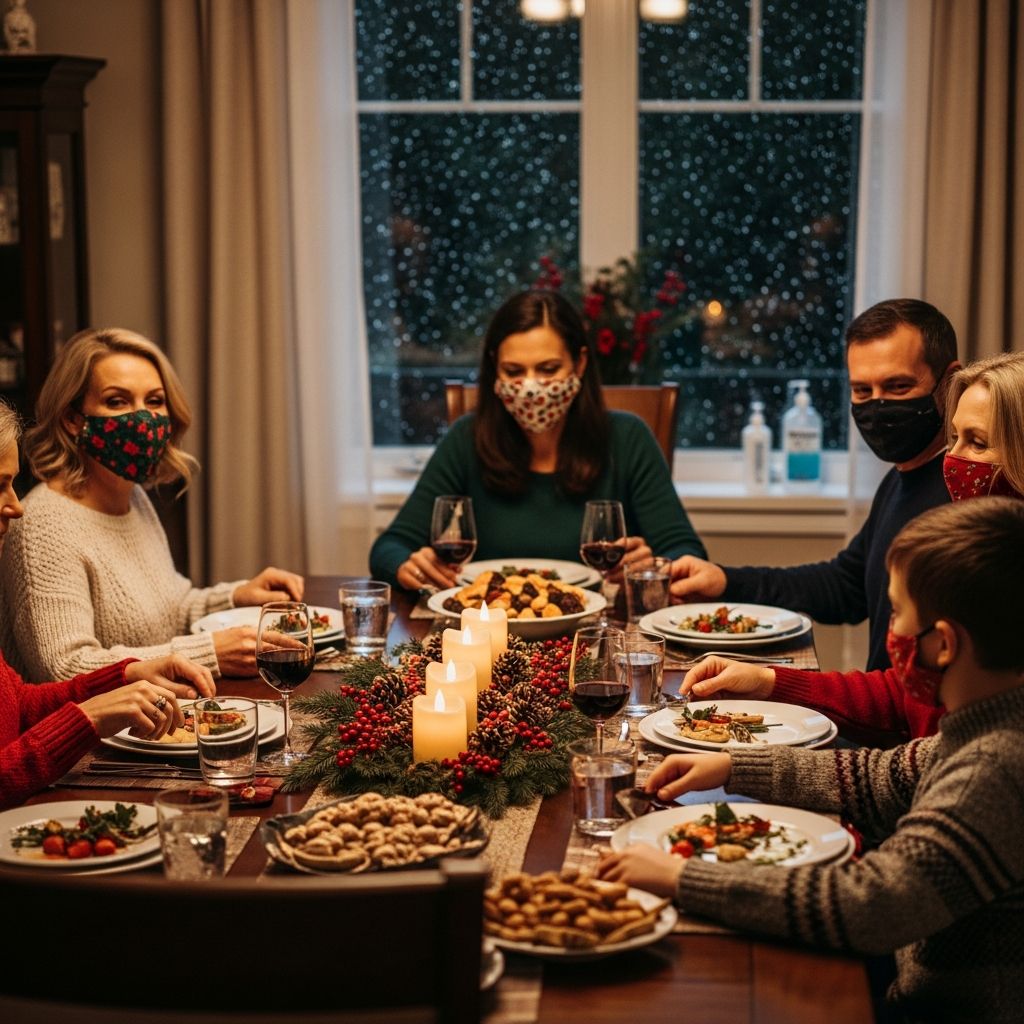
Thanksgiving brings families together for gratitude and feasting, but in times of widespread respiratory illness outbreaks, traditional large indoor events carry substantial health risks. Public health authorities emphasize that the most secure approach involves limiting interactions to household members only, as gatherings with outsiders significantly elevate transmission chances.
Understanding the Current Health Landscape
Respiratory viruses spread rapidly during holidays due to increased social contacts, travel, and shared meals. Data from late 2020 showed over a million cases in a single week in the U.S., with small household events contributing notably to surges. Today, similar patterns persist, underscoring the need for vigilant precautions. Factors like attendee pre-gathering behaviors—such as consistent masking and distancing—directly influence event safety.
Children, pregnant individuals, and those with underlying conditions face heightened vulnerabilities, making family-centric planning crucial. Experts from institutions like the University of Pennsylvania highlight community transmission rates as a key planning metric.
Lowest-Risk Celebration Options
The premier recommendation from leading health bodies is to host dinners exclusively with cohabitants. This eliminates cross-household exposure entirely.
- Prepare a special meal at home with household members, incorporating favorite recipes adapted for smaller groups.
- Engage in holiday activities like crafts, games, or walks in open spaces where distancing is feasible.
- Stream parades, sports, or movies collectively without venturing into crowded venues.
Virtual connections amplify safety while preserving emotional bonds. Platforms offer extended free sessions for video calls, enabling shared toasts and recipe swaps across distances.
Moderate-Risk Strategies for Limited In-Person Contact
If expanding beyond the household feels essential, prioritize outdoor venues with ample space. Health guidelines advocate small community-based dinners following core protections.
| Risk Level | Activity Example | Key Precautions |
|---|---|---|
| Moderate | Small outdoor dinner | Masks except when eating, 6+ ft spacing, hand sanitizer stations |
| Moderate | Visiting sanitized orchards | Enforced masking, pre-touch sanitizing, distancing |
| Moderate | Small outdoor sports viewing | Safety protocols in place, limited attendees |
Indoor alternatives demand superior ventilation: open windows, fans directing air outward, and minimal guest counts. Communicate expectations upfront, including masking mandates indoors regardless of distancing.
High-Risk Activities to Avoid
Certain traditions amplify dangers and warrant skipping:
- Crowded retail outings pre- or post-holiday.
- Attending packed parades or races.
- Large indoor assemblies with non-household members.
- Potluck formats promoting shared handling.
Optimizing Meal Times for Safety
Food service poses unique challenges due to proximity and mask removal. Opt for self-contained supplies: attendees transport their own provisions, plates, and cutlery.
- Assign a single masked server to dish out portions, reducing touchpoints.
- Promote thorough handwashing before and after handling food; provide sanitizer with 60%+ alcohol if sinks are distant.
- Use disposable items and single-serve condiments; clean surfaces immediately post-meal with hot soapy water or dishwashers.
- Position separate tables per household outdoors, exceeding 6 feet separation.
Limit alcohol, as it impairs judgment on distancing and masking. Shorten durations to under two hours where feasible.
Travel Considerations and Restrictions
Interstate journeys compound risks via airports, roads, and quarantines. Many regions mandate pre-arrival testing or 14-day isolations for non-commuters. Check local mandates: some cap indoor groups at 10, outdoors at higher but regulated numbers.
- Test negative within 72 hours prior; quarantine if positive or untested.
- Frequent hand hygiene and masking during transit.
- Prefer driving over flying to control exposures.
Protecting Vulnerable Family Members
Infants, elders, and immunocompromised relatives require extra layers. Pre-screen attendees for symptoms or exposures. Designate low-contact zones for high-risk individuals. Breastfeeding parents should maintain hygiene during feeds, avoiding shared spaces.
Virtual Thanksgiving Innovations
Technology bridges gaps creatively:
- Coordinated cooking sessions via video, revealing dishes in real-time.
- Online gratitude shares or virtual talent shows.
- Shared streaming of festivities with synchronized cheers.
These foster inclusion without physical perils, ideal for distant or cautious kin.
Post-Gathering Monitoring
Track symptoms for 14 days: fever, cough, fatigue. Isolate promptly if ill and notify contacts. This aids containment.
Frequently Asked Questions
Can I host a Thanksgiving with my immediate family only?
Yes, this is the safest option recommended by health experts, avoiding any external transmission risks.
What if we must gather indoors?
Limit to few guests, ventilate thoroughly, enforce masks indoors, and use individual supplies.
Is outdoor dining safe for larger groups?
Possible with distancing over 6 feet, no shared food, and weather-appropriate masking, but smaller is better.
Should we travel for Thanksgiving?
Avoid if possible; follow testing/quarantine rules and prioritize health over tradition.
How do we handle kids during celebrations?
Keep play areas distanced, supervise masking, and choose low-risk activities like home crafts.
Building Resilience for Future Holidays
Pandemic-era lessons refine celebrations long-term: prioritize health, innovate traditions, and value quality over quantity. By adapting, families safeguard loved ones while honoring the holiday’s spirit.
Consistent application of these measures—distancing, hygiene, masking—slashes risks dramatically. Health officials stress collective responsibility: each safe choice curbs broader spread.
References
- Eat, drink and be wary? How to stay safe this pandemic Thanksgiving — WHYY. 2020-11-00. https://whyy.org/articles/eat-drink-and-be-wary-how-to-stay-safe-this-pandemic-thanksgiving/
- Thanksgiving 2020 will look different for many Americans. Here’s … — CBS News. 2020-11-00. https://www.cbsnews.com/news/thanksgiving-2020-covid-cdc-guidelines-celebrate-safely/
- Holiday Celebrations and Small Gatherings – CDC Stacks — Centers for Disease Control and Prevention. 2020-11-19. https://stacks.cdc.gov/view/cdc/97405/cdc_97405_DS1.pdf
- CDC releases guidelines for celebrating Thanksgiving holiday safely — 6ABC. 2020-11-00. https://6abc.com/post/cdc-thanksgiving-when-is-2020-guidelines/6623531/
- What’s safe to do for Thanksgiving this year? – Motherly — Motherly. 2020-11-00. https://www.mother.ly/life/thanksgiving-2020-whats-safe/