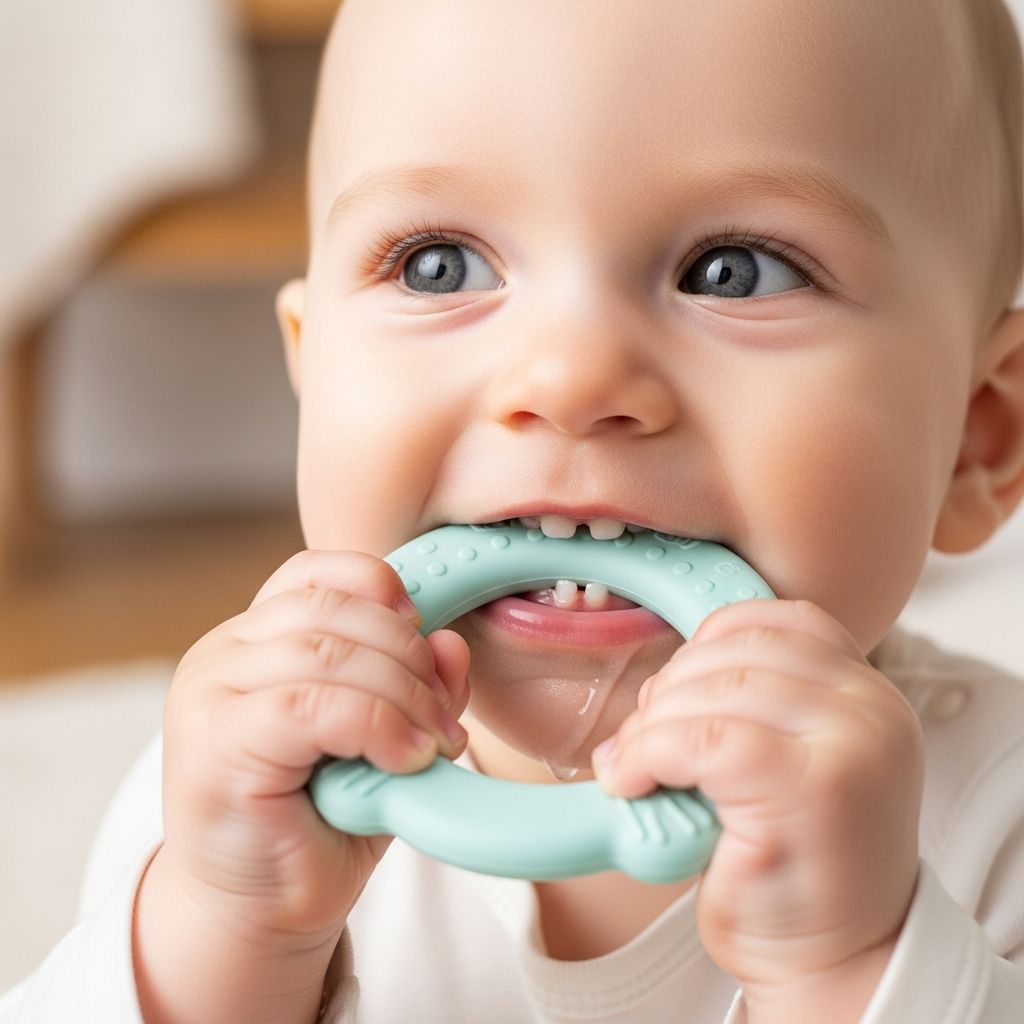
Teething marks a challenging milestone for infants and parents alike, often bringing drooling, irritability, and sleepless nights as new teeth push through tender gums. While over-the-counter gels promise quick relief, many contain **benzocaine**, a numbing agent linked to severe health risks in young children. Health authorities strongly advise against their use in babies under 2 years old due to potential methemoglobinemia, a life-threatening condition that impairs oxygen delivery in the blood.
Understanding Teething Discomfort in Infants
Typically starting around 6 months, teething involves the eruption of primary teeth, causing swollen, sore gums. Symptoms include excessive saliva, cheek rubbing, mild fussiness, and disrupted sleep. Contrary to myths, teething does not cause high fever, diarrhea, or severe illness—these warrant medical attention.
Parents often seek immediate solutions amid a crying baby, but safety must come first. Topical anesthetics like those in popular brands numb gums temporarily but carry hidden dangers, especially for infants whose bodies process medications differently.
The Hidden Dangers of Benzocaine-Based Teething Gels
**Benzocaine**, found in products like Orajel, is a local anesthetic that blocks nerve signals in the gums. However, the FDA warns it can trigger methemoglobinemia even from small doses, converting hemoglobin to a form unable to carry oxygen effectively. Symptoms—pale skin, shortness of breath, cyanosis—can appear suddenly and require emergency care.
Clinical reports highlight cases in children under 2, with risks amplified by immature metabolic enzymes. The American Academy of Pediatrics echoes this, prioritizing non-medicated alternatives. Natural gels with chamomile or clove may seem safer, but always verify ingredients and consult pediatricians, as even herbal options lack robust safety data for infants.
Top Recommended Safe Remedies for Sore Gums
Focus on gentle, non-pharmacological methods endorsed by experts. These provide pressure, cold therapy, and distraction without chemicals.
- Chilled Washcloths: Dampen a clean cloth, refrigerate (not freeze) for 30 minutes, then let baby gnaw. The cool texture massages and numbs naturally.
- Refrigerated Teething Rings: Silicone or rubber rings chilled in the fridge offer firm counter-pressure. Avoid freezing to prevent gum damage.
- Finger Massage: Wash hands, then gently rub gums with a cool, wet finger in circular motions for 1-2 minutes—simple and effective.
- Cold Produce in Mesh Feeders: Freeze banana, carrot, or celery chunks in a mesh teether. Celery’s eugenol provides natural numbing; supervise to avoid choking.
Cold Food Innovations for Teething Comfort
Leverage kitchen staples for dual-purpose relief: nutrition and soothing.
| Food Item | Preparation | Benefits |
|---|---|---|
| Breastmilk/Formula Pops | Freeze in molds or trays | Familiar taste, hydration, cooling without new allergens |
| Chamomile Tea Cubes | Brew weak tea, freeze in trays | Calming properties reduce inflammation |
| Frozen Fruit Puree | Mesh bag with banana/carrot | Flavor engages baby, cold soothes |
| Chilled Spoon | Refrigerate metal spoon | Quick gum pressure, easy clean-up |
These options hydrate while distracting from pain, ideal for daytime fussiness.
When to Use Over-the-Counter Pain Medications Safely
For intense discomfort, oral analgesics are safer than topicals when dosed correctly.
- Acetaminophen (Tylenol): Safe from 2 months; follow weight-based dosing every 4-6 hours.
- Ibuprofen (Motrin): From 6 months; every 6-8 hours, never for dehydrated babies.
Always use the provided syringe, confirm concentration, and consult your doctor first—never exceed recommended amounts to avoid liver/kidney strain. Skip aspirin entirely due to Reye’s syndrome risk.
Natural and Herbal Alternatives Backed by Tradition
Time-tested botanicals offer mild relief:
- Clove Oil Dilution: Tiny amounts in carrier oil for anti-inflammatory effects; professional guidance essential.
- Rosehip or Licorice Root: In gels for vitamin C and swelling reduction—opt for baby-specific products.
- Green Onion Sticks: Frozen for anti-inflammatory crunch; natural analgesic properties.
While promising, evidence is anecdotal; prioritize FDA-safe methods.
Nighttime Strategies: Surviving Sleepless Teething Nights
Teething peaks at night, amplifying cries. Combine remedies:
- Pre-bed chilled ring massage.
- Extra cuddles and rocking for comfort.
- Breastfeeding on demand—its rhythm soothes.
- Room humidifier to ease drool irritation.
A consistent routine signals security amid discomfort.
Foods and Textures That Help or Harm During Teething
Not all solids suit sore mouths.
- Helpful: Chilled yogurt, mashed avocado, frozen waffles for gentle gnawing.
- Avoid: Sugary teething biscuits—high carbs feed decay, choking hazard. Hard candies or whole grapes.
Introduce textures gradually to build resilience.
Myths Debunked: What Teething Does Not Cause
- No High Fevers: Above 100.4°F signals infection.
- No Vomiting/Diarrhea: Separate GI issues.
- No Rash on Gums: Drool rash on face only.
Monitor for dehydration or lethargy—see a doctor promptly.
Frequently Asked Questions About Safe Teething Relief
When does teething usually start and end?
Most babies begin at 4-7 months with lower incisors; full set by 3 years.
Is it safe to freeze teething toys?
Refrigerate only—freezing can crack teeth or cause frostbite on gums.
Can I use teething gels at all?
Avoid benzocaine; natural ones sparingly after pediatrician approval.
How often can I give pain relievers?
Acetaminophen every 4-6 hours, max 5 doses/day; always weight-dosed.
What if remedies don’t help?
Persistent fever or refusal to eat needs medical evaluation.
Long-Term Dental Health During Teething
Teething lays groundwork for oral hygiene. Wipe gums daily with a soft cloth, transitioning to brushing first tooth. Avoid bottles in bed to prevent cavities. Regular pediatric dentist visits from age 1 ensure healthy development.
Empower yourself with knowledge—safe relief fosters trust and bonding without unnecessary risks.
References
- Safely Soothing Teething Pain in Infants and Children — U.S. Food and Drug Administration (FDA). 2018-05-17. https://www.fda.gov/consumers/consumer-updates/safely-soothing-teething-pain-infants-and-children
- Tips for Teething Pain: What’s Safe—and What’s Not — Children’s Hospital Los Angeles (CHLA). 2023-06-12. https://www.chla.org/blog/advice-experts/tips-teething-pain-whats-safe-and-whats-not
- Tips for helping your teething baby — National Health Service (NHS) UK. 2024-02-20. https://www.nhs.uk/baby/babys-development/teething/tips-for-helping-your-teething-baby/
- Teething: Tips for soothing sore gums — Mayo Clinic. 2024-08-15. https://www.mayoclinic.org/healthy-lifestyle/infant-and-toddler-health/in-depth/teething/art-20046378