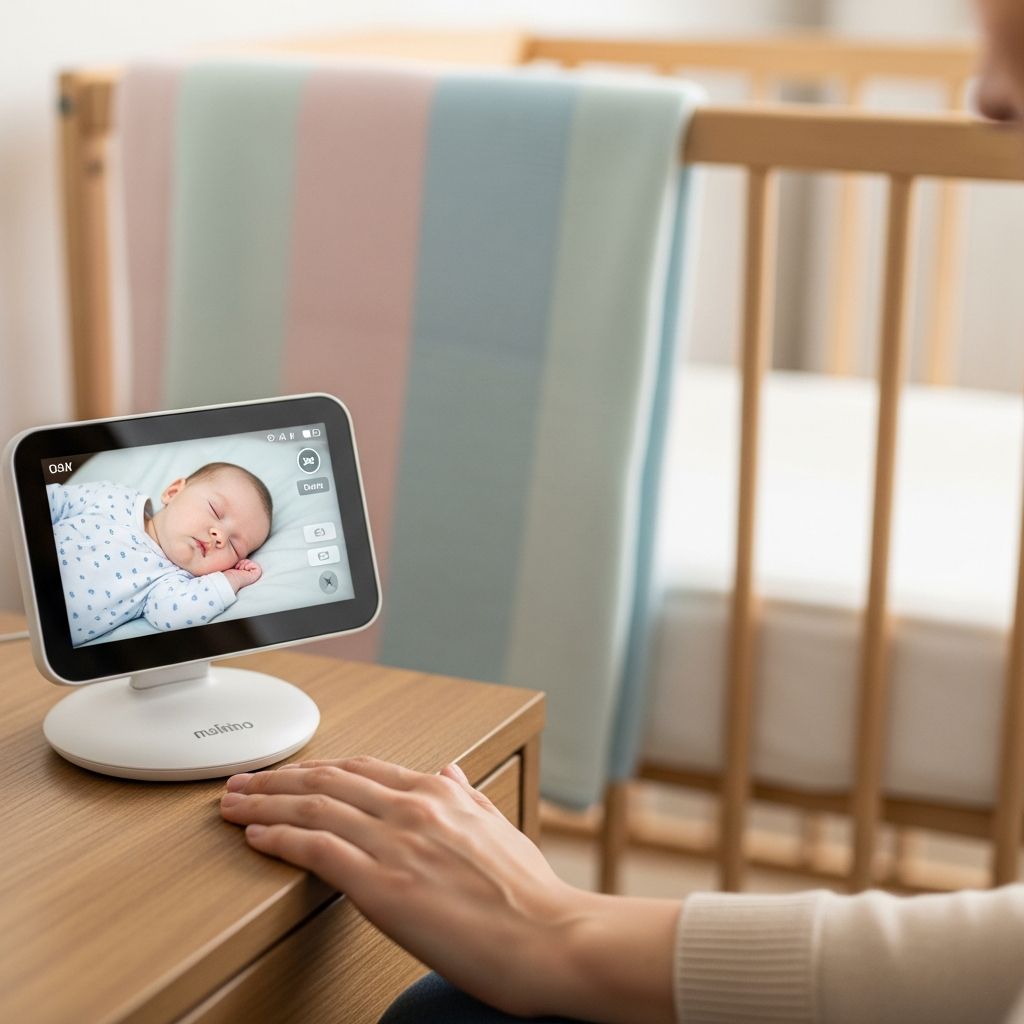
Helping your baby establish healthy sleep patterns is one of the most rewarding yet challenging aspects of parenthood. From newborns who wake frequently for feeds to older infants resisting bedtime, sleep disruptions affect millions of families. This guide draws on expert-recommended approaches to teach babies self-soothing skills, ensuring longer stretches of rest for everyone. By understanding developmental stages and selecting methods that fit your family’s needs, you can transform chaotic nights into peaceful ones.
Understanding Baby Sleep Patterns and Developmental Milestones
Babies’ sleep evolves rapidly in the first year. Newborns sleep 16-18 hours daily in short bursts due to tiny stomachs needing frequent feeds. By 3-4 months, most can consolidate sleep into longer nighttime periods as their circadian rhythms mature. However, regressions at 4, 8, and 12 months—often tied to growth spurts or milestones like rolling—can interrupt progress.
Recognizing these phases prevents frustration. For instance, a 6-month-old might suddenly wake more because they’re practicing new skills. Tracking patterns via a sleep log helps identify triggers like overtiredness or hunger, setting the foundation for effective interventions.
Is Your Baby Ready for Sleep Training?
Sleep training typically begins around 4-6 months, when babies can self-soothe and go 6-8 hours without feeds. Pediatric guidelines emphasize waiting until the baby weighs at least 12-14 pounds and shows interest in independent sleep. Signs of readiness include consistent nap lengths and reduced night feeds.
- Age considerations: Avoid before 4 months to respect natural sleep needs.
- Health checks: Consult a doctor if reflux, allergies, or teething interfere.
- Parental readiness: Ensure you and your partner agree on the method for consistency.
Premature babies may need adjusted timelines based on corrected age. Patience is key—rushing can prolong issues.
Popular Sleep Training Techniques Explained
Several evidence-based methods exist, ranging from gradual to more direct. Each balances teaching independence with parental comfort. Studies show these approaches improve sleep duration without long-term harm, often yielding results in 3-7 days.
Graduated Check-In Approach (Ferber-Inspired)
This structured method builds self-soothing through timed reassurance visits. Start bedtime routine, place baby drowsy but awake in crib, then leave. If crying starts, wait 3 minutes before first check (pat, shush, no pick-up), then 5 minutes, then 10, repeating intervals. Progress nightly by extending waits.
Benefits include quicker results than gentler options, with flexibility for sensitive babies. A Sleep Foundation review notes it reduces night wakings reliably.
Presence Fading with Chair Technique
Ideal for parents hesitant about crying, this involves sitting beside the crib during settling. Place baby down awake, sit quietly without interaction. If they fuss, soothe verbally. Each night, inch the chair farther until you’re out the door.
It fosters security through proximity, typically taking 1-2 weeks. Cleveland Clinic experts highlight its patience-building nature for family bonding.
Gentle Fading and Pick-Up/Put-Down
Fading reduces your involvement gradually—shorten rocking or nursing time nightly until baby falls asleep solo. Pair with pick-up/put-down: Respond to cries by lifting to calm, then deposit back drowsy. Repeat as needed, avoiding full sleep in arms.
These suit newborns or cry-averse parents but demand consistency. Results may take longer, yet they minimize distress.
Full Extinction (Cry-It-Out)
The most direct: After routine, leave baby to sleep without returns until morning. Controversial yet effective for some, it teaches quick independence, often in 3 nights. Not recommended under 6 months or for high-needs babies.
| Method | Intensity | Time to Results | Best For |
|---|---|---|---|
| Graduated Check-In | Moderate | 3-5 nights | Balanced families |
| Chair Fading | Gentle | 7-14 nights | Cry-sensitive parents |
| Pick-Up/Put-Down | Very Gentle | 10+ nights | Younger infants |
| Full Extinction | High | 2-4 nights | Quick results seekers |
Creating the Perfect Sleep Environment
Environment amplifies training success. Aim for a dark, cool (68-72°F) room with white noise masking household sounds. Firm, flat crib mattress with fitted sheet only—no pillows or blankets until 12 months.
- Use blackout curtains and a sound machine at 50 decibels.
- Consistent bedtime 6-8 PM aligns with melatonin peaks.
- Swaddle newborns; transition to sleep sack by 2-4 months.
Overtired babies fight sleep, so watch wake windows: 1-2 hours for newborns, 2-3.5 for 6-month-olds.
Bedtime Routines That Stick
A predictable wind-down signals sleep time. 20-30 minutes of bath, massage, feed, book, song, crib. Dim lights promote melatonin. Repeat nightly for association.
For naps, similar cues but shorter. Cap daytime sleep at age-appropriate totals (14-17 hours under 3 months, 12-15 by 6 months) to protect nights.
Addressing Common Sleep Challenges
Night Wakings and Regressions
Respond consistently per your method. Shorten naps if nights worsen. Growth spurts pass in 2-3 weeks.
Teething or Illness
Pause training; offer comfort. Resume once resolved.
Toddler Transitions
For 1-3 year-olds, use gates for crib-to-bed moves. Shorten naps, lock out distractions. Fears need brief reassurance.
Safety First: AAP Guidelines
Always prioritize safe sleep: Back sleeping, empty crib, room-sharing 6-12 months. No training if unsafe. Monitor for stress; stop if prolonged crying exceeds your tolerance.
Nutrition and Daytime Habits
Full daytime feeds reduce night hunger. Solid starts at 6 months aid satiety. Active days promote tired evenings.
Long-Term Benefits and Myths Busted
Trained babies show sustained improvements in sleep consolidation and parental mental health. No evidence of attachment harm; cortisol normalizes quickly. Myth: All babies outgrow issues naturally—many don’t without guidance.
Frequently Asked Questions
What age is best for sleep training?
Around 4-6 months, once developmentally ready and feeding needs are met.
Does cry-it-out harm babies?
Research shows no long-term effects on stress or bonding for healthy infants.
How long does training take?
3-14 days depending on method and baby temperament.
Can I combine methods?
Yes, hybrid approaches like Ferber with fading work well.
What if regressions happen post-training?
Reapply methods briefly; adjust naps or routines.
References
- Seven sleep training methods and what you need to know — The Mother Baby Center. 2023-07-01. https://www.themotherbabycenter.org/blog/2023/07/sleep-training-methods/
- Sleep Training Your Baby: When & How — Cleveland Clinic. 2023-05-15. https://health.clevelandclinic.org/when-and-how-to-sleep-train-your-baby
- The Ferber Method for Sleep Training — Sleep Foundation. 2024-01-10. https://www.sleepfoundation.org/baby-sleep/ferber-method
- Sleep Training and Managing Sleep Disruption — Basis Online. 2023-11-20. https://www.basisonline.org.uk/sleep-training/
- Letting Babies Cry – The Facts Behind the Studies — La Leche League. 2022-09-05. https://laleche.org.uk/letting-babies-cry-facts-behind-studies/