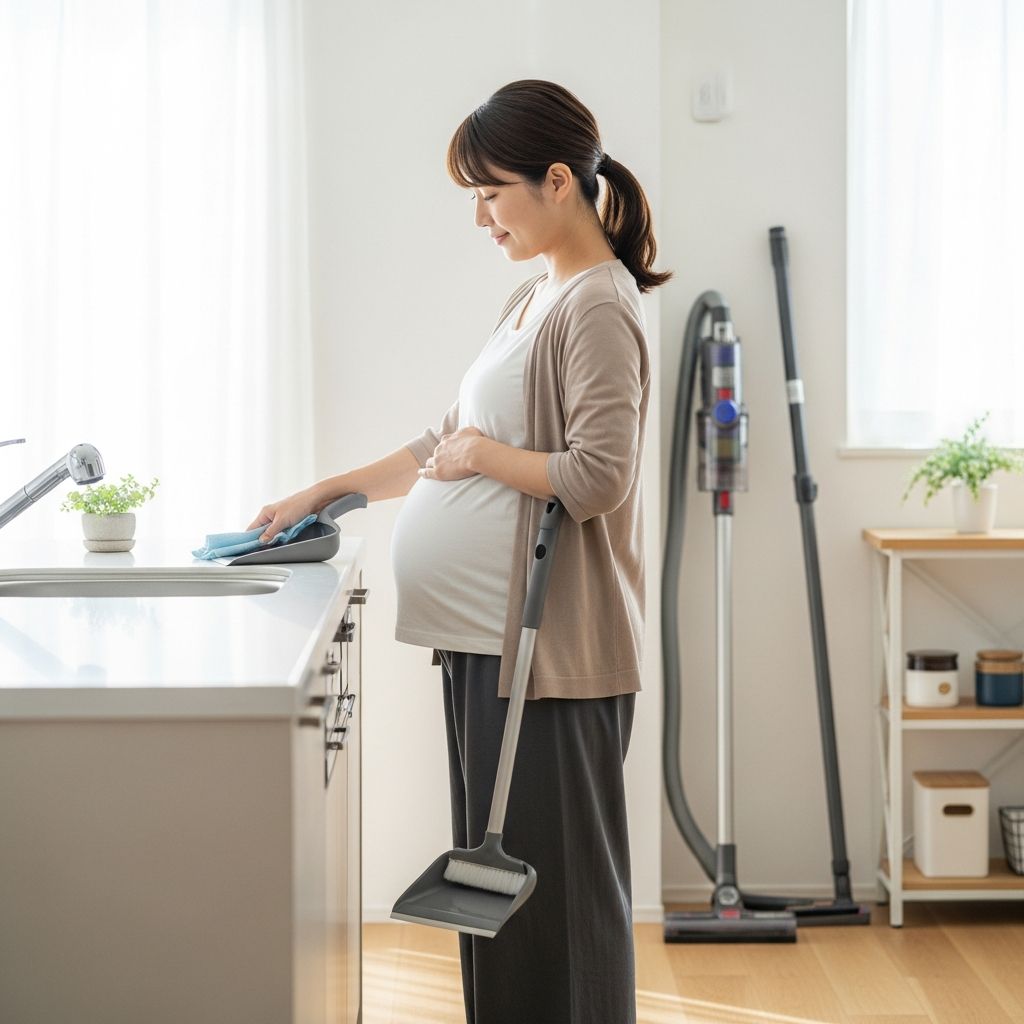
Performing routine household tasks remains feasible throughout pregnancy, provided you adopt precautions to minimize chemical exposure and physical strain. Light activities promote well-being, but certain methods and products require adjustment to safeguard fetal development.
Understanding Risks of Standard Cleaning Methods
Conventional cleaning agents often contain volatile organic compounds and other irritants that can enter the bloodstream via inhalation or skin contact, potentially affecting embryonic growth. Studies highlight associations between high exposure to solvents and adverse outcomes, underscoring the need for alternatives.
Physical demands like heavy lifting or prolonged bending shift the body’s center of gravity, increasing fall risks, especially post-first trimester. Fatigue and nausea further complicate intensive sessions, making paced approaches essential.
Selecting Non-Toxic Cleaning Alternatives
Opt for natural substitutes derived from pantry staples to effectively sanitize without hazards. These options break down grease, disinfect surfaces, and deodorize naturally.
- Vinegar solutions: Dilute white vinegar with water (1:1 ratio) for glass, counters, and floors; its acidity dissolves mineral deposits and kills many bacteria.
- Baking soda pastes: Mix with water for scrubbing ovens, tiles, and stains; neutralizes odors and mildly abrades grime.
- Lemon juice: Combines citric acid with antibacterial properties for cutting through soap scum and freshening drains.
- Hypochlorous acid (HOCl): Generated from salt, water, and electrolysis, this gentle disinfectant targets pathogens on toys, utensils, and linens without residue or irritation.
- Hydrogen peroxide: A 3% solution serves as a safe bleach substitute for laundry whites and stain removal.
Consult resources like the Environmental Working Group’s Guide to Healthy Cleaning for verified low-toxicity ratings on commercial products.
Protective Gear and Ventilation Strategies
Minimize direct contact by gearing up appropriately. Rubber gloves shield skin from irritants, while masks (N95 preferred) filter aerosols. Safety glasses prevent splashes during mixing or spraying.
Ventilation disperses vapors: Open windows on opposite sides for cross-breezes, activate exhaust fans, and use ceiling fans to circulate air. Spray solutions onto cloths rather than directly on surfaces to limit airborne particles.
| Task | Ventilation Tip | Gear Recommendation |
|---|---|---|
| Surface wiping | Open two windows | Gloves, mask |
| Floor mopping | Exhaust fan on | Gloves, non-slip shoes |
| Laundry | Door open | Gloves if using boosters |
Task-Specific Safety Modifications
Kitchen Maintenance
Focus on high-touch areas like handles, faucets, and appliances. Wipe counters with vinegar spray post-meal prep. For dishes, use hot soapy water or HOCl rinses to eliminate bacteria without harsh detergents. Avoid commercial degreasers; baking soda scrubs suffice for stovetops.
Bathroom Sanitization
Mold and bacteria thrive here, but skip aerosol sprays. Apply baking soda-vinegar mixes to tubs and toilets; let fizz for 10-15 minutes before scrubbing. Use a toilet wand with natural refills to reduce bending.
Laundry and Fabric Care
Wash new maternity clothes before use to remove manufacturing residues. Choose fragrance-free, plant-based detergents. For disinfection, add vinegar to rinse cycles or HOCl for linens and baby items. Air-dry outdoors when possible to avoid dryer chemicals.
Floor Cleaning Routines
Microfiber mops with mild soap solutions handle most floors safely. For hardwood, use pH-neutral cleaners to prevent damage. Vacuum attachments reach baseboards without stretching; empty bags outside to curb dust inhalation.
Special Considerations: Pet Care and Pest Control
Delegate litter box duties to avoid toxoplasmosis from cat feces; if unavoidable, wear gloves, double-bag waste, and wash hands thoroughly. Forgo chemical pesticides; boric acid baits or diatomaceous earth manage insects effectively.
Pacing and Physical Ergonomics
Divide chores into 15-20 minute segments with rest breaks to combat fatigue. Early pregnancy allows more vigor, but by second and third trimesters, prioritize low-impact tasks. Lift with knees, not back, and keep loads under 20 pounds.
Hydrate frequently and monitor for dizziness. Nesting urges are common, but overexertion elevates preterm labor risks. Schedule deeper cleans for non-pregnant household members.
Environmental Disinfection for Baby Prep
As delivery nears, prepare spaces with baby-safe protocols. Wipe toys, crib rails, and changing tables using HOCl sprays—no rinse needed, unlike bleach. Disinfect pacifiers, bottles, and pumps similarly to prevent bacterial transfer during breastfeeding.
Focus on dust control: Pregnancy heightens sinus sensitivity, so damp-dust shelves and use HEPA vacuums. Weekly linens washes in hot water (140°F+) with natural additives maintain hygiene.
Professional Help and Delegation
If chores overwhelm, hire eco-friendly services vetted for green products. Partners or family can handle heavy lifting, windows, and high shelves. Budget for occasional deep cleans to preserve energy for prenatal appointments.
Frequently Asked Questions
Is it safe to mop floors while pregnant?
Yes, with slip-resistant shoes and natural cleaners; avoid standing water to prevent falls.
Can I use bleach during pregnancy?
Minimize use; opt for vinegar or hydrogen peroxide. If needed, ventilate heavily and wear PPE.
How often should I clean high-touch surfaces?
Daily wipes with safe disinfectants like HOCl reduce germ buildup.
Are essential oil cleaners okay?
Some are, but dilute heavily and test for nausea; stick to verified non-toxic bases.
Should I avoid all chemicals?
Not entirely, but check labels for pregnancy warnings and prioritize naturals.
Long-Term Habits for Postpartum
Establish routines now that extend beyond birth. Safe cleaning fosters a low-toxin home ideal for newborns sensitive to irritants. Track product efficacy and rotate methods to prevent resistance buildup.
Maintaining balance ensures pregnancy remains joyful, not burdensome. Consult healthcare providers for personalized advice, especially with sensitivities or multiples.
References
- Safe Cleaning Products Pregnancy: Cleansing and disinfection tips for expecting parents — EcoloxTech. 2023. https://ecoloxtech.com/blogs/news/safe-cleaning-products-for-pregnancy-cleansing-and-disinfection-tips-for-expecting-parents
- How to Safely Clean Your House While Pregnant — The Maids. 2023. https://www.maids.com/blog/safe-easy-tips-for-cleaning-while-youre-pregnant/
- Pregnant, With Housework to Do — WebMD. 2024-01-15. https://www.webmd.com/baby/pregnant-with-housework-to-do
- Toxic Chemicals: Steps to Stay Safer Before and During Pregnancy — American College of Obstetricians and Gynecologists (ACOG). 2023-05-01. https://www.acog.org/womens-health/faqs/toxic-chemicals-steps-to-stay-safer-before-and-during-pregnancy
- Cleaning Floors While Pregnant — Bona. 2024. https://www.bona.com/en-us/homeowner/how-to/cleaning-floors-while-pregnant/
- Spring Cleaning During Pregnancy: Tips for Safer & Easier Tidying Up — Lamaze International. 2023. https://lamaze.org/Giving-Birth-with-Confidence/GBWC-Post/spring-cleaning-during-pregnancy-tips-for-safer-easier-tidying-up-1