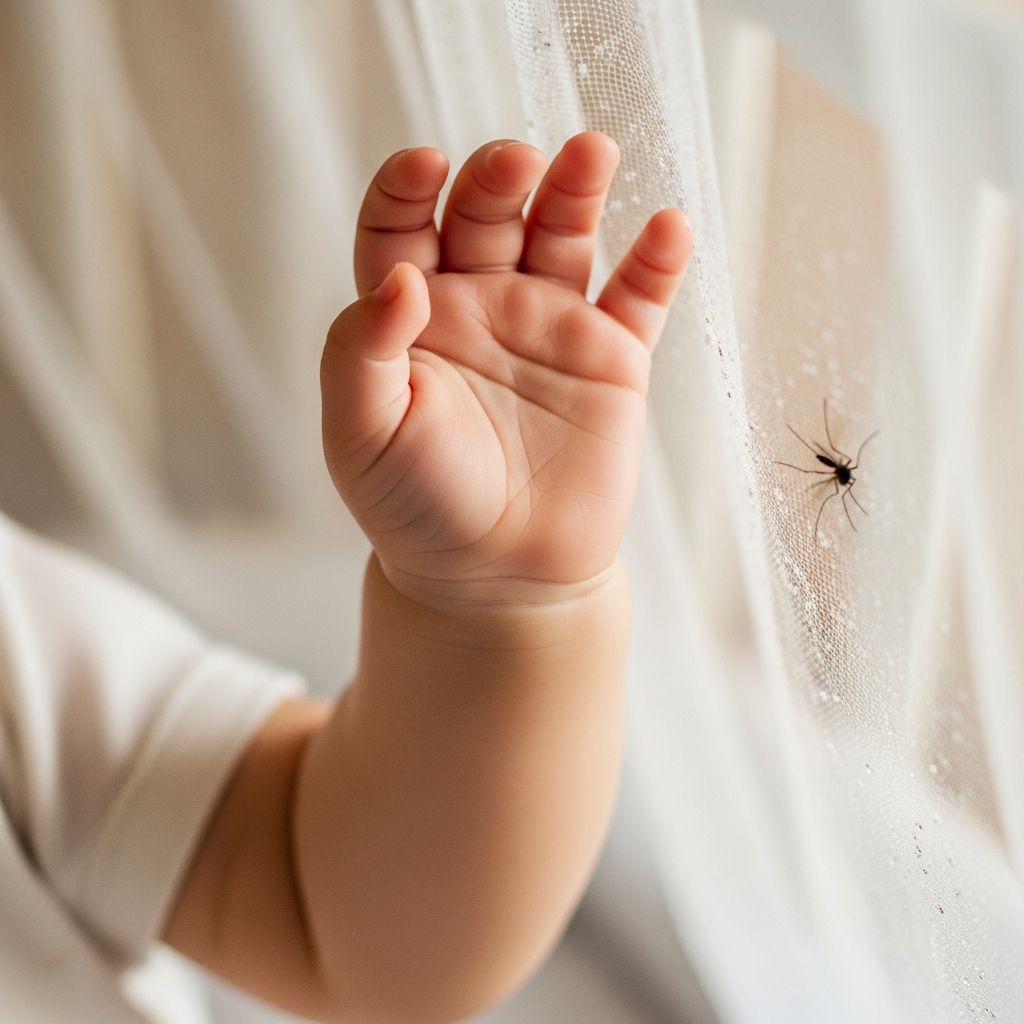
Insect bites pose risks like itching, infection, and diseases such as West Nile or Lyme for young children. Repellents offer protection when used correctly on babies over 2 months, per guidelines from health authorities.
Understanding Risks of Insect Bites for Infants
Bug bites from mosquitoes, ticks, and gnats can cause more than discomfort in babies. Swelling and intense itching often lead to scratching, opening skin to bacterial infections. Certain mosquitoes transmit viruses like Zika or West Nile, while ticks carry Lyme disease or Rocky Mountain spotted fever. Allergic reactions, though rare, may require immediate medical attention. Prevention remains key to avoiding these issues during outdoor play.
Infants under 2 months face heightened vulnerability due to delicate skin and immature immune systems, making non-chemical barriers preferable for them.
Official Guidelines on Repellent Use for Young Children
The American Academy of Pediatrics (AAP), Centers for Disease Control and Prevention (CDC), and Environmental Protection Agency (EPA) agree: insect repellents are safe for children older than 2 months when following label instructions. Products with EPA registration ensure tested efficacy and safety. Avoid oil of lemon eucalyptus (OLE) or PMD on children under 3 years due to limited safety data.
AAP recommends low DEET concentrations: up to 30% for longer outings, lower for brief exposure. Picaridin serves as an effective alternative with similar safety profiles. Permethrin treats clothing and gear but not skin, lasting through washes.
Choosing the Right Insect Repellent for Babies
Select EPA-registered products without OLE for infants. Prioritize lotions, wipes, or pump sprays over aerosols to minimize inhalation risks. Here’s a comparison of common active ingredients:
| Ingredient | Effective Against | Baby Age Minimum | Max Concentration Recommended |
|---|---|---|---|
| DEET | Mosquitoes, ticks, gnats | 2 months | 30% |
| Picaridin | Mosquitoes, ticks | 2 months | 20% |
| Permethrin | Ticks, mosquitoes (on clothes) | 2 months (clothes only) | N/A (not for skin) |
| OLE/PMD | Mosquitoes | 3 years | 30% |
Opt for the lowest effective concentration matching outing duration. Store all products securely away from children and pets.
Step-by-Step Safe Application Techniques
Proper application prevents accidents. Always read labels first.
- Apply sunscreen 15-30 minutes before repellent; never combine in one product, as sunscreen requires frequent reapplication.
- Spray or dispense into adult hands, then rub thinly on exposed skin—avoid eyes, mouth, ears, cuts, or irritated areas.
- For face, pat gently from hands onto forehead and cheeks.
- Do not apply to hands, under clothing, or in enclosed spaces.
- Use sparingly, no more than once daily for DEET.
- Wash treated skin and clothing with soap and water upon returning indoors.
Reapply only if label directs, such as after sweating or swimming.
Natural and Physical Protection Methods
For newborns or repellent-averse families, prioritize barriers:
- Dress in light-colored, loose long sleeves, pants, socks, and shoes; tuck pants into socks.
- Use mosquito netting over strollers or cribs.
- Schedule outings away from dawn and dusk when bugs peak.
- Avoid scented soaps, lotions, or foods that attract insects.
- Try repellent wristbands for mild protection up to 100 hours, ideal for sensitive skin.
Note: Citronella, essential oils, and bracelets provide minimal defense compared to EPA-approved options.
Treating Bug Bites on Babies Effectively
If bites occur, act quickly to soothe and prevent complications.
- Clean with soap and cool water.
- Apply cool compress to reduce swelling.
- Use pediatrician-approved 1% hydrocortisone cream for itching.
- Consider oral antihistamines like children’s Zyrtec for severe reactions—consult dosing.
- Apply hydrocolloid bandages to deter scratching and promote healing.
Monitor for infection signs: increasing redness, pus, fever. Seek medical help for widespread bites, breathing issues, or suspected tick-borne illness. Remove ticks promptly with tweezers, avoiding folklore methods.
Common Mistakes to Avoid with Baby Repellents
Parents often err in ways that heighten risks:
- Overapplying: Thick layers don’t boost protection and increase absorption.
- Face spraying: Direct sprays risk eyes and inhalation.
- Hand application: Babies mouth hands, leading to ingestion.
- Combo products: Overuse repellent when reapplying sunscreen.
- Ignoring wash-off: Residue irritates skin overnight.
Avoid barefoot grass play or disturbing nests.
FAQs: Baby Bug Protection Essentials
Can I use bug spray on a 1-month-old baby?
No, for infants under 2 months, stick to clothing, netting, and timing to avoid peak bug hours.
Is 10% DEET safe for a 6-month-old?
Yes, low concentrations like 10% are suitable for short outings on babies over 2 months.
What if my baby gets repellent in their eyes?
Rinse immediately with water; call Poison Control at 1-800-222-1222 if concerned.
Are picaridin wipes better than lotion for squirmy toddlers?
Wipes offer precise control, reducing mess and inhalation risks.
How do I protect during travel to mosquito-heavy areas?
Use treated clothing, EPA repellents, and check CDC travel advisories for diseases.
Seasonal and Location-Specific Strategies
Summer camps, beaches, or wooded hikes demand vigilance. In tick-prone areas, daily clothing checks prevent Lyme. Urban parks see more mosquitoes; rural spots harbor ticks. Year-round in warm climates, maintain habits. Educate caregivers on protocols for consistency.
Empower outdoor freedom with knowledge: bugs needn’t sideline family adventures when armed with science-backed tactics.
References
- Bug Spray and Babies — Penfield Children’s Center. 2023. https://penfieldchildren.org/kohls-building-blocks/health-and-wellness/bug-spray-and-babies/
- Should Babies Wear Insect Repellent? — Consumer Reports. 2023-06-20. https://www.consumerreports.org/health/insect-repellent/should-babies-wear-insect-repellent-a1100967603/
- Using Insect Repellents Safely — Nemours KidsHealth. 2024. https://kidshealth.org/en/parents/repellent-use-safety.html
- Preventing Mosquito Bites — CDC. 2025-04-15. https://www.cdc.gov/mosquitoes/prevention/index.html
- Using Insect Repellents Safely and Effectively — US EPA. 2024-07-10. https://www.epa.gov/insect-repellents/using-insect-repellents-safely-and-effectively