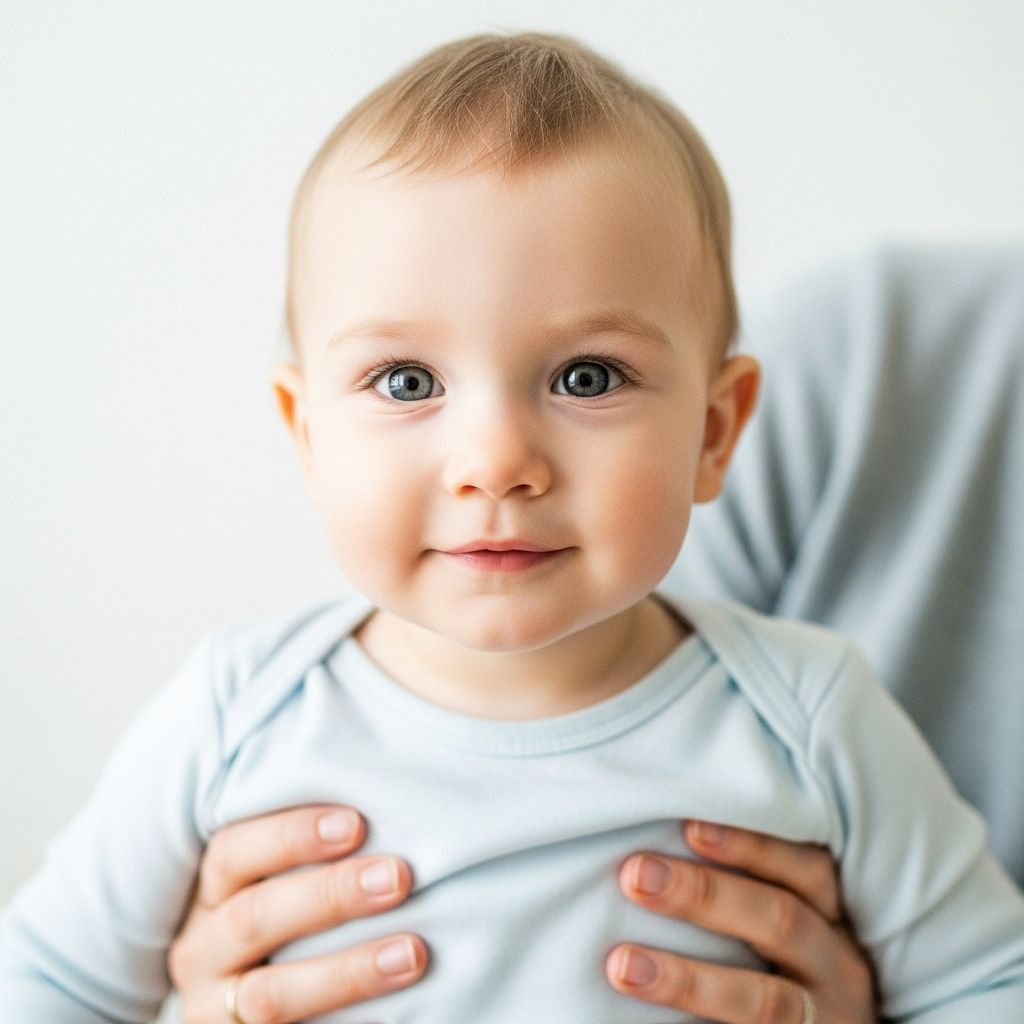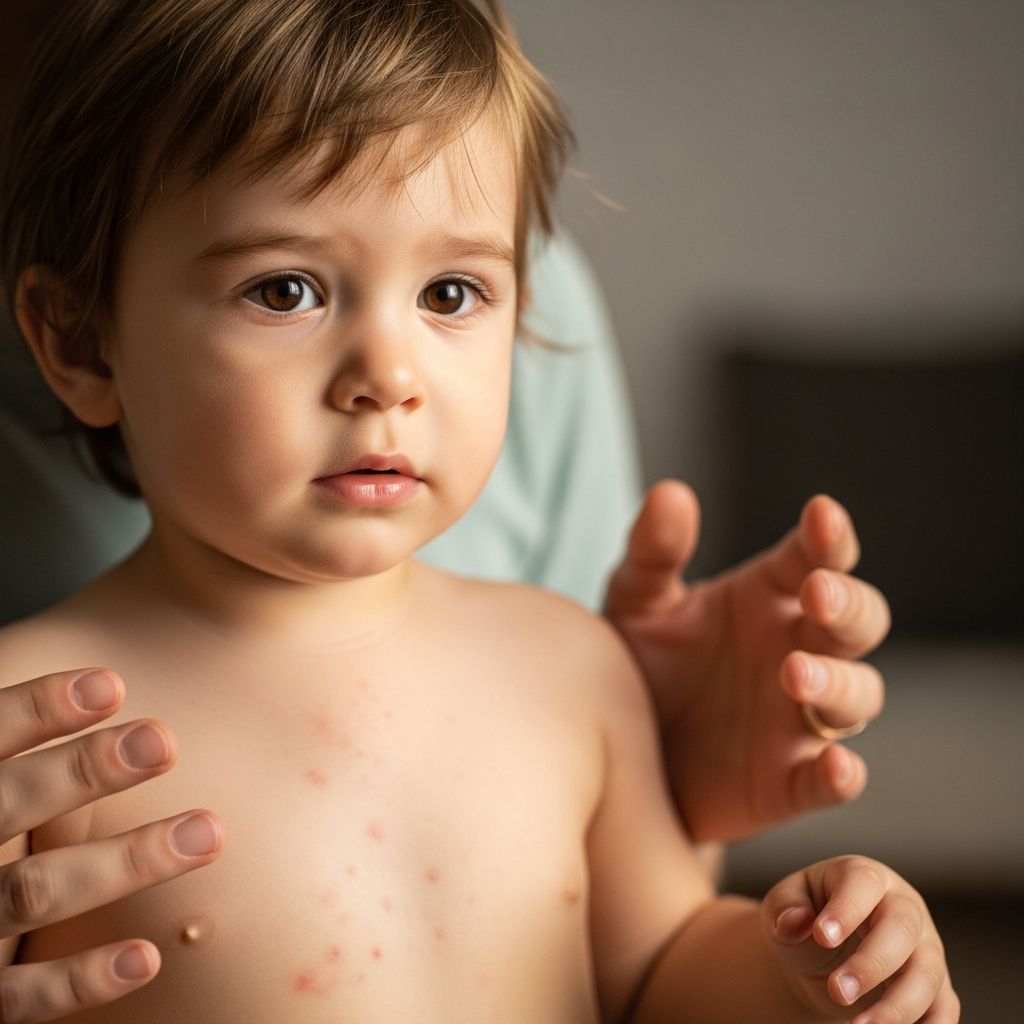
Roseola is a common viral illness that mainly affects babies and toddlers and is best known for causing several days of high fever followed by a sudden rash. While it often looks frightening, it is usually mild and goes away on its own with simple home care.
What Is Roseola?
Roseola is a short-lived viral infection that typically affects children between about 6 months and 3 years of age. It usually begins with a rapid rise in temperature and later produces a pinkish or reddish rash once the fever has settled.
Because the illness often starts as “just a fever” and the rash appears only after the child begins to feel better, it can be confusing for families trying to understand what is happening. Roseola is sometimes also called “sixth disease” or “roseola infantum.”
How Roseola Spreads
Roseola is caused by common viruses (most often human herpesvirus type 6, and less often type 7) that circulate widely among young children. These viruses are not the same as the ones that cause cold sores or genital herpes, even though they belong to the same large virus family.
The infection spreads mainly through close contact with saliva or tiny respiratory droplets from someone who is infected. This can happen when a caregiver kisses a child, shares utensils, or when a child is near someone who coughs or sneezes.
Key points about transmission
- Most children catch roseola from a family member or another child who may not even realize they are infectious.
- Children are usually contagious before the rash appears, during the fever phase.
- Once a child has recovered, they typically develop lasting immunity and do not get roseola again unless their immune system is severely weakened.
Who Is Most at Risk?
Roseola occurs most often in young children whose immune systems are still learning to recognize common viruses. Infants younger than 6 months may be partly protected by antibodies passed from the birthing parent during pregnancy, though they can still get sick.
Older children and adults can technically become infected but usually experience either very mild symptoms that look like a brief cold or no noticeable illness at all.
| Age group | How common? | Typical illness pattern |
|---|---|---|
| Under 6 months | Less common | May have partial protection; illness can still occur but may be milder. |
| 6 months to 3 years | Most common | Classic roseola pattern with fever followed by rash. |
| Older children | Uncommon | Usually mild or unrecognized viral illness. |
| Adults | Rare | Often no symptoms or a mild, flu-like episode. |
Typical Course: From Fever to Rash
Roseola tends to follow a recognizable pattern, although not every child shows every feature. Understanding the usual timeline can help caregivers feel more prepared and less anxious.
Phase 1: Sudden high fever
- Fever often rises quickly and may reach 39.5–40.5°C (about 103–105°F).
- The fever usually lasts 3 to 5 days, though some children improve sooner.
- Despite the high temperature, many children remain fairly playful, while others may be cranky, clingy, or sleepy.
During this phase, children may also have:
- Reduced appetite or interest in feeding.
- Mild cold-like symptoms, such as a runny nose or cough.
- Sore throat or mild redness in the back of the mouth.
- Swollen glands in the neck or behind the ears.
- Occasionally, loose stools or mild vomiting.
Phase 2: Rash after the fever ends
- Once the fever suddenly drops, many children develop a rash within about 12–24 hours.
- The rash usually starts on the chest, back, or belly and then spreads to the neck, face, and limbs.
- Spots are generally small, flat or slightly raised, and may cluster together.
- The rash is generally not itchy or painful and often fades within 1–3 days.
One confusing aspect is that children often feel much better once the rash appears, even though the skin suddenly looks worse. The rash itself signals that the infection is already on its way out.
Recognizing Signs and Symptoms
Because many childhood illnesses involve fever and rash, it helps to pay attention to the overall pattern rather than focusing on a single symptom. Roseola tends to have a clear separation between the fever phase and rash phase.
Common signs of roseola
- High fever lasting several days, often with few other obvious symptoms.
- A child who may be irritable but sometimes surprisingly active despite the high temperature.
- Swollen lymph nodes in the neck or behind the ears.
- Mild respiratory or digestive symptoms.
- Rash appearing after the fever resolves rather than at the same time.
Keep in mind that only some children with roseola develop a visible rash. In others, the illness may look like a “fever for a few days” that resolves on its own without a clear explanation.
Roseola Versus Other Childhood Rashes
Because parents often worry about more serious illnesses like measles or meningitis, it is helpful to understand how roseola typically differs. Any doubt or serious concern should always be discussed with a healthcare professional.
| Feature | Roseola | Measles | Simple viral cold with rash |
|---|---|---|---|
| Timing of rash | Appears after fever ends. | Appears while fever and other symptoms are still present. | Can appear at any point during the illness. |
| Fever level | Often very high at start. | High, usually with more obvious sickness. | Mild to moderate. |
| Child’s behavior | May seem fairly well despite high fever. | Often looks obviously unwell and very tired. | Varies; often mildly ill. |
| Other symptoms | Mild cold-like signs, swollen neck glands. | Red eyes, strong cough, and runny nose are common. | Typical cold symptoms; rash may be less distinct. |
Possible Complications: What Parents Should Watch For
For most healthy children, roseola is a routine illness that resolves fully without long-term problems. However, the rapid rise in temperature can occasionally lead to complications.
Febrile seizures
A febrile seizure is a brief convulsion triggered by a sudden spike in body temperature. These are more likely to occur in children between 6 months and 5 years when fevers rise quickly.
- During a febrile seizure, a child may lose consciousness, stiffen, or have rhythmic jerking of the arms and legs.
- The episode often lasts a few minutes and then stops on its own, followed by a sleepy or confused period.
- Although extremely alarming to see, most febrile seizures do not cause brain damage or long-term epilepsy.
Higher risk groups
Children with weakened immune systems (for example, those on chemotherapy or certain immune-suppressing medicines) may experience more severe or prolonged illness. These children should be monitored closely under medical supervision.
Home Care: Keeping Your Child Comfortable
There is no specific antiviral medication routinely used for roseola in healthy children. Treatment focuses on comfort, hydration, and monitoring for worrisome symptoms. Most children recover fully at home.
Fever and comfort measures
- Offer plenty of fluids, such as breast milk, formula, water (if age-appropriate), or oral rehydration solutions, to prevent dehydration.
- Dress your child in light clothing and use a light blanket to avoid overheating.
- Use age-appropriate fever-reducing medications (such as acetaminophen or ibuprofen) only as directed by your child’s healthcare provider or according to the packaging instructions.
- Avoid aspirin in children because of the risk of a rare but serious condition called Reye syndrome.
General care tips
- Offer small, frequent meals or snacks if your child does not feel like eating much.
- Encourage rest but allow quiet play if your child seems up to it.
- Use a cool-mist humidifier if there is a cough or stuffy nose to make breathing more comfortable.
- Check your child regularly, especially at night, to watch for breathing difficulty, prolonged fever, or unusual behavior.
When to Call the Doctor or Seek Emergency Care
While most cases of roseola are mild, some symptoms warrant prompt medical attention. Trust your instincts; if your child looks very unwell, seek help even if the specific signs below are not present.
Contact your child’s healthcare provider if:
- The fever lasts longer than 5 days.
- Your child is younger than 3 months and has a rectal temperature of 38°C (100.4°F) or higher.
- Your child is unusually sleepy, difficult to wake, or not acting like themselves.
- Your child is not drinking well, has very few wet diapers, or shows signs of dehydration (such as a dry mouth or no tears when crying).
- The rash looks unusual, becomes very dark, spreads rapidly, or does not fade when gently pressed.
Seek emergency care immediately if:
- Your child has a seizure or you suspect a seizure.
- Your child is struggling to breathe, breathing very fast, or using extra chest muscles to breathe.
- You notice bluish lips, face, or fingernails.
- Your child has a stiff neck, severe headache, or is very sensitive to light.
- You are worried that your child is in serious distress for any reason.
Prevention and Reducing Spread
Because children with roseola are contagious before the rash appears, it can be hard to fully prevent spread in households and childcare settings. However, simple hygiene steps reduce the likelihood of transmission.
Practical steps to limit spread
- Encourage frequent handwashing with soap and water for both children and caregivers.
- Avoid sharing food utensils, cups, or towels, especially when someone has a fever or cold-like symptoms.
- Teach children to cover coughs and sneezes with a tissue or elbow, then wash hands.
- Keep a child with a fever at home and away from group settings until they are fever-free for at least 24 hours without fever-reducing medicine.
There is currently no routine vaccine specifically targeting the viruses that cause roseola. Fortunately, the illness is usually mild and self-limited in healthy children.
Outlook and Long-Term Effects
Most children recover from roseola within a week or so and go back to their usual activities with no lasting problems. Once they have had the infection, they usually develop strong immunity to that particular virus.
Recurring roseola is uncommon in healthy children. However, the same family of viruses can sometimes reactivate later in life in people with severely weakened immune systems, which is one reason why good medical follow-up is important in those special situations.
Frequently Asked Questions About Roseola
Is roseola dangerous?
For most healthy babies and toddlers, roseola is not dangerous and clears on its own with time and supportive care. The main concern is the high fever, which can make children uncomfortable and, in some cases, trigger febrile seizures. Serious complications are rare but can occur in children with weakened immune systems.
Can my child go back to daycare once the rash appears?
By the time the rash shows up, many children are no longer highly contagious and often feel better. However, daycare policies vary. As a general rule, children should stay home until they have been without fever (without the help of fever medicines) for at least 24 hours and feel well enough to participate in normal activities.
Does my child need antibiotics for roseola?
Roseola is caused by viruses, so antibiotics—which target bacteria—do not help. Antibiotics are only needed if a separate bacterial infection is present, which a healthcare provider can determine based on examination and, if needed, testing.
Can adults catch roseola from a sick child?
Adults can become infected, but most have already been exposed during childhood and have built immunity. When adults do catch the viruses that cause roseola, they usually have very mild symptoms or none at all. Those with weakened immune systems may be at higher risk for more significant illness and should talk to their healthcare provider about exposure.
How can I tell roseola apart from an allergy rash?
Allergy-related rashes often appear while the trigger (such as a new food or medication) is present and may be intensely itchy. Roseola rash, in contrast, usually appears after several days of high fever, is not typically itchy, and tends to fade on its own within a few days. When in doubt, especially if there is concern about a medication reaction, a medical evaluation is important.
Should I be worried about long-term problems after roseola?
Healthy children typically recover completely and do not experience long-term issues from roseola. Even children who experience a febrile seizure related to roseola generally go on to develop normally. Your child’s healthcare provider can offer reassurance and follow-up if any lingering questions remain.
Important note: This article is for general educational purposes and does not replace personalized medical advice. Always consult your child’s healthcare professional if you are concerned about fever, rash, or any symptoms that worry you.