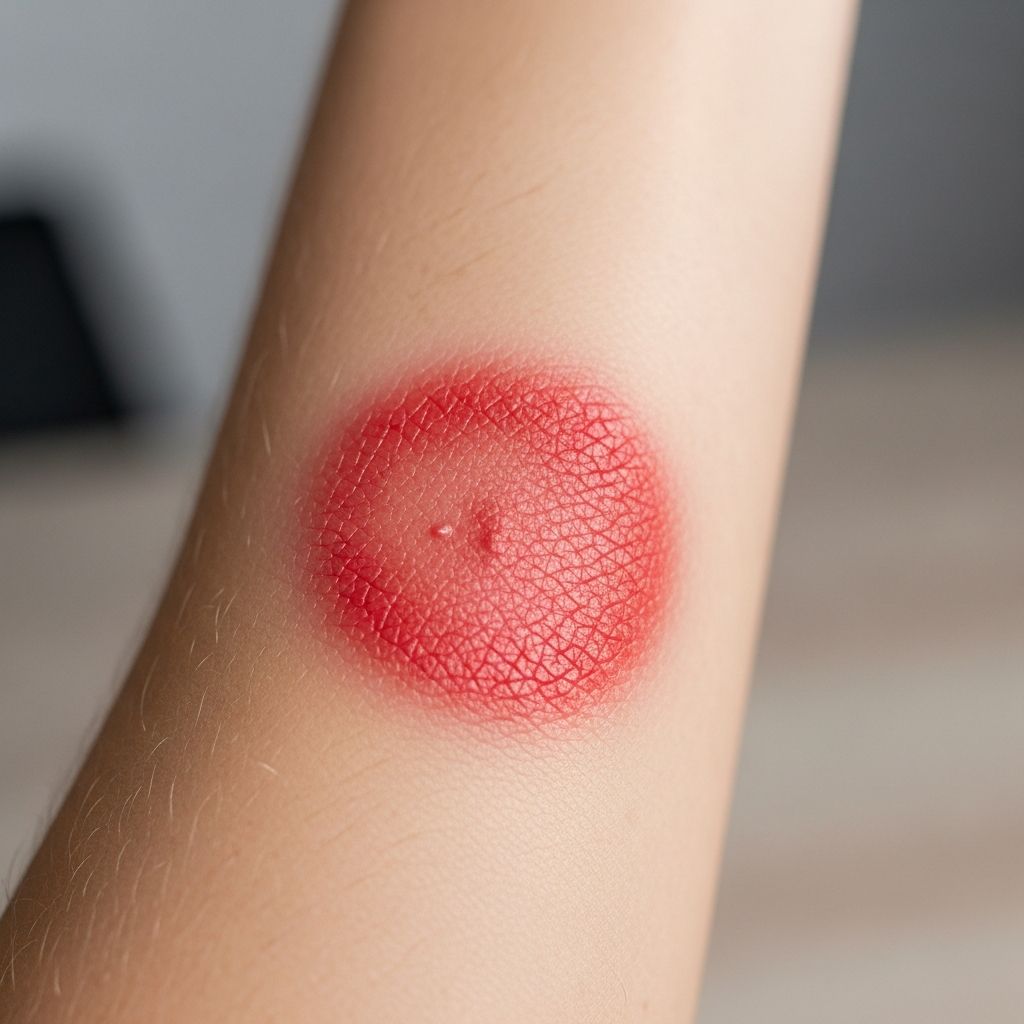
Ringworm is a very common skin infection in children, teens, and young adults, and it often sounds way scarier than it really is. Despite its name, there is no worm involved; it is caused by a type of fungus that lives on the outer layer of the skin, scalp, or nails.
With the right information and treatment, most cases clear up completely and do not cause any long-term problems. Understanding how ringworm looks, feels, and spreads helps you treat it early and protect the people (and pets) around you.
What Ringworm Actually Is (And Isn’t)
Ringworm is the everyday name for a group of fungal infections that affect the skin, scalp, or nails. Doctors often call it “tinea,” followed by a word that tells which body part is affected, like tinea corporis for the body or tinea capitis for the scalp.
The name comes from the way the rash can form a ring-shaped or circular pattern on the skin, not from any actual worm. The fungus feeds on keratin, a protein found in skin, hair, and nails, which is why those areas are usually affected.
Why Teens Often Get Ringworm
Ringworm can happen to anyone, but teens are especially likely to get it because of school, sports, and close contact with others. Crowded locker rooms and shared gear can create the perfect environment for fungi to spread.
Fungi love warm, moist areas, so activities that make you sweat or stay in damp clothing for a long time can increase your risk of developing ringworm.
Common Risk Factors for Ringworm
- Sharing items like towels, hats, helmets, brushes, or combs with friends or teammates.
- Using public locker rooms, showers, or pools without wearing sandals or flip-flops.
- Wearing tight, non-breathable clothing or staying in sweaty sports gear for hours.
- Having close contact with pets that have bald spots or flaky patches of fur.
- Having small cuts, scrapes, or skin irritation that make it easier for fungi to enter.
How Ringworm Spreads from Place to Place
Ringworm is contagious, which means it can pass from one person (or animal) to another. However, it usually needs some level of direct contact or shared items to spread; it does not jump through the air like a cold virus.
The fungus that causes ringworm can survive on skin, hair, and surfaces for a while, especially in warm and humid environments. Keeping things clean and dry is a big part of prevention.
Main Ways Ringworm Spreads
- Person-to-person: Skin contact during sports like wrestling, dancing, or martial arts.
- Animal-to-person: Touching an infected cat, dog, or other pet and then touching your own skin or scalp.
- Object-to-person: Using contaminated hats, hairbrushes, pillows, helmets, towels, or gym equipment.
- Environment-to-person: Walking barefoot on infected surfaces such as locker room floors or pool decks.
What Ringworm Looks and Feels Like
Ringworm does not look exactly the same on every person or every skin tone, but some features are common across most cases. Paying attention to both appearance and symptoms can help you tell it apart from other rashes.
On the body, ringworm often shows up as a round or slightly oval patch that may itch, flake, or peel. On the scalp or nails, the signs are different and can be easier to miss at first.
General Skin Symptoms
- One or more round or wavy patches that may grow slowly over days or weeks.
- A border that may look more raised, bumpy, or scaly than the center.
- Itching, burning, or mild discomfort, especially when the area is sweaty.
- Dry, flaky, or cracked skin over or around the patch.
Scalp and Nail Symptoms
- On the scalp: Scaly patches, areas of hair loss, broken hairs that look like black dots, or tender spots that may feel sore.
- On fingernails or toenails: Thickened, discolored, or brittle nails that may crack or separate from the nail bed over time.
Types of Ringworm by Body Area
Doctors use different names depending on where ringworm appears. The infection itself is caused by similar types of fungi, but the location affects how it looks and how it is treated.
Knowing the basic terms can make conversations with your doctor or pharmacist less confusing and help you understand the treatment plan better.
| Medical name | Common name | Where it appears | Typical signs |
|---|---|---|---|
| Tinea corporis | Ringworm of the body | Arms, legs, trunk, face (except beard area) | Round, itchy, scaly patches that may form a ring. |
| Tinea capitis | Scalp ringworm | Scalp and hair | Scaly areas, patchy hair loss, tender or swollen spots. |
| Tinea pedis | Athlete’s foot | Feet, especially between toes | Peeling skin, itching, burning, blisters, or cracks. |
| Tinea cruris | Jock itch | Groin, inner thighs, buttocks | Red, itchy rash, often with a defined border. |
| Tinea unguium (onychomycosis) | Fungal nail infection | Finger- or toenails | Thick, discolored, brittle, or crumbly nails. |
How Doctors Diagnose Ringworm
For many teens, a healthcare professional can recognize ringworm just by examining the skin, scalp, or nails and asking questions about symptoms and recent exposures. It usually is not necessary to do anything painful or complicated to make the diagnosis.
In some cases, especially with scalp infections or stubborn rashes, the doctor may gently scrape a small sample of skin or hair and look at it under a microscope or send it to a lab. This helps confirm that the problem is caused by a fungus and not by another skin condition.
Treatment Options: From Creams to Pills
Treatment for ringworm depends on where the infection is, how large it is, and how long you have had it. Mild infections on the body can often be managed with over-the-counter products, while scalp and nail infections usually require prescription medication.
Whatever treatment you use, consistency matters. Stopping too early, even when things look better, can allow the fungus to survive and come back.
Topical Treatments (On the Skin)
Topical treatments are applied directly to the skin as creams, lotions, sprays, or powders. They are commonly used for ringworm on the body, feet, or groin when the infection is not too widespread.
- Apply only to clean, dry skin, covering the rash and a small area of normal skin around it.
- Use exactly as directed on the label or by your doctor, often once or twice a day for several weeks.
- Continue the treatment for the full recommended time, even if the rash starts to fade earlier.
Oral Medications (Taken by Mouth)
When the infection affects the scalp, nails, or large areas of the body, pills or other oral medications are usually needed. These medicines work from the inside out, reaching the hair roots and deeper layers of the skin or nails.
Your healthcare provider will choose the specific medication and length of treatment based on your age, health, and the type of ringworm you have. Always follow the instructions carefully and ask about possible side effects or interactions with other medicines you may be taking.
Home Care and Daily Habits That Help
Medication is important, but your daily habits also play a huge role in how quickly ringworm clears and how easily it spreads. Small changes in your routine can make treatment more effective and protect others.
Think of these steps as part of your treatment plan, not just extra chores. They help keep the area clean, dry, and less friendly to fungi.
Smart Self-Care Tips
- Wash the affected area gently with mild soap and water once or twice a day, then pat dry (do not rub hard).
- Change socks, underwear, and workout clothes daily or more often if they get damp or sweaty.
- Choose loose, breathable fabrics like cotton instead of tight synthetic materials.
- Use your own towel and washcloth, and wash them often in hot water.
- Avoid scratching the rash, which can spread the infection to other areas or cause skin damage.
How to Avoid Spreading Ringworm
Once you know or suspect that you have ringworm, it is important to reduce the chance of passing it on. This does not mean you have to isolate yourself, but you should be careful with shared spaces and items.
Most schools and teams allow teens with ringworm to participate once treatment has started, but coaches and school nurses may have rules about covering the area or staying out of certain activities for a short time.
Protecting Friends, Family, and Pets
- Do not share towels, hats, helmets, hair accessories, or sports equipment until the infection has cleared.
- Cover affected skin with clean, breathable clothing or bandages during sports if recommended.
- Wear sandals or flip-flops in locker rooms, public showers, and around pools.
- Ask a vet to check pets with missing fur, scaly patches, or irritated skin, especially if several family members have ringworm.
- Clean frequently touched surfaces like gym mats, helmets, combs, and hairbrushes regularly.
Preventing Ringworm in the First Place
Not every case of ringworm can be prevented, but many can be avoided with simple hygiene and lifestyle steps. Keeping your skin clean and dry and limiting sharing of personal items go a long way.
If you have had ringworm before, you may be more aware of early signs. Catching it quickly and starting treatment early often leads to faster recovery and less spreading.
Everyday Prevention Habits
- Shower after sports or heavy sweating and dry all skin folds carefully, including between toes.
- Rotate shoes so they have time to air out between uses and avoid wearing the same damp pair every day.
- Use clean socks daily and replace them if they stay damp after workouts.
- Avoid sharing items that touch hair or skin directly, such as brushes, combs, hats, or makeup.
- Keep nails trimmed and clean so dirt and fungi have fewer places to collect.
When Ringworm Needs Urgent Attention
Most ringworm infections are mild and respond well to over-the-counter or prescription antifungals. However, there are situations where you should see a healthcare professional sooner rather than later.
Pay attention to how your skin or scalp looks and how the rash changes. Worsening symptoms may mean that the fungus is more stubborn or that another condition is present.
Warning Signs to Call a Doctor
- The rash spreads quickly or becomes very painful, swollen, or warm to the touch.
- You see pus, yellow crusts, or red streaks, or you develop a fever along with the rash.
- The infection is on the scalp, face, or near the eyes.
- Over-the-counter treatments have not improved the rash after several weeks of proper use.
- You have a health condition or take medications that weaken your immune system.
Living with Ringworm: Confidence and Communication
Because ringworm is visible, it can feel embarrassing, especially during middle school and high school years when appearance and social life feel extra important. Remember that this infection is very common, treatable, and not a sign of poor hygiene or “being dirty.”
Talking openly with a trusted adult, coach, or school nurse can help you get the right treatment and avoid awkward situations in sports or gym. Treating the infection promptly is what really matters for your health and for the people around you.
Frequently Asked Questions About Ringworm
Is ringworm dangerous?
In most healthy teens, ringworm is not dangerous and stays in the outer layers of the skin, scalp, or nails. It can be uncomfortable, itchy, and annoying, but with proper treatment it usually clears without causing serious problems.
Can ringworm go away without treatment?
Ringworm may eventually fade on its own in some cases, but this can take a long time and the infection can keep spreading to other areas or people in the meantime. Using antifungal treatments, as recommended by a healthcare professional, helps clear it more quickly and safely.
Can I still play sports if I have ringworm?
Many teens can continue sports once treatment has started, but rules vary by school and team. You may be asked to cover the area with a clean bandage or clothing, especially for contact sports, to reduce the chance of spreading the infection.
Does ringworm mean I am not clean enough?
No. Ringworm is an infection that can affect anyone, including people who shower daily and take good care of their skin. Good hygiene helps prevent it, but exposure in gyms, locker rooms, or from pets can still lead to infection.
Can ringworm come back after it’s gone?
Yes, it can return if the fungus is not completely cleared or if you are re-exposed through people, animals, or contaminated items. Finishing the full course of treatment and following prevention tips lowers the chance of it coming back.
Should my friends or siblings get checked too?
If close friends, siblings, or teammates share items with you or have similar rashes, it is smart for them to talk to a healthcare professional. In some families or teams, several people may need treatment at the same time to stop the infection from circulating.
Key Takeaways for Teens
- Ringworm is a common fungal infection, not a worm, and it often shows up as itchy, scaly patches of skin.
- It spreads through close contact, shared items, and sometimes pets, but simple hygiene steps can lower your risk.
- Most cases respond well to antifungal creams or pills when used correctly and for the full recommended time.
- See a healthcare professional if the rash worsens, spreads, affects the scalp or nails, or does not improve with basic treatment.
- Having ringworm does not define you; it is a common, treatable part of staying active and growing up.