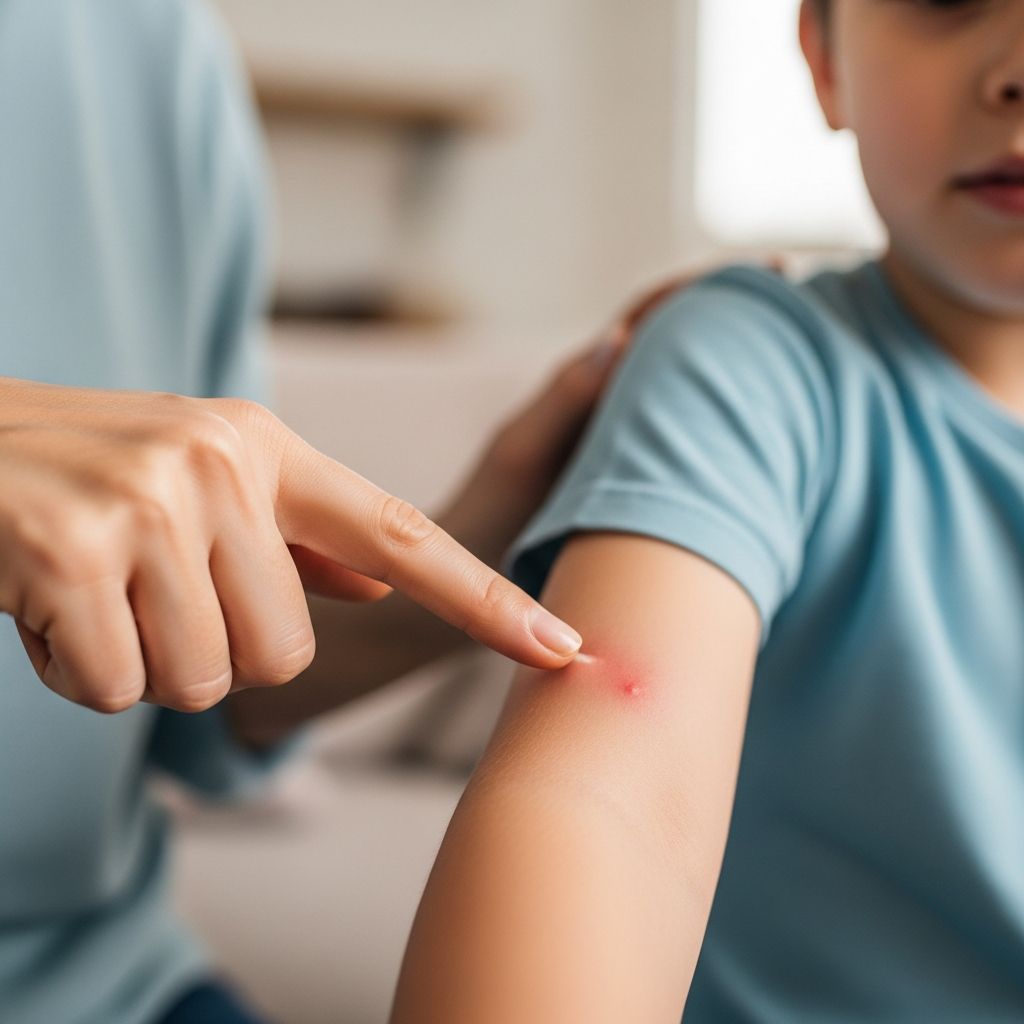
Allergic reactions occur when a child’s immune system overreacts to harmless substances like pollen, foods, or insect stings, releasing chemicals such as histamine that trigger symptoms ranging from mild discomfort to life-threatening anaphylaxis.
Understanding the Basics of Allergies in Kids
Allergies affect millions of children worldwide, often starting in early childhood. Common triggers include foods like peanuts or milk, environmental factors such as dust mites and pet dander, and outdoor allergens like pollen. The immune system mistakenly identifies these as threats, leading to inflammation and various symptoms.
Parents play a crucial role in early detection. Symptoms can appear within minutes of exposure or be delayed, making vigilance key during new foods, playdates, or seasonal changes.
Common Triggers for Childhood Allergic Reactions
- Food allergens: Peanuts, tree nuts, milk, eggs, wheat, soy, fish, and shellfish top the list, responsible for most severe reactions in kids.
- Environmental allergens: Pollen from trees, grasses, and weeds; mold spores; house dust mites; and animal dander.
- Insect stings: Bees, wasps, and hornets can provoke reactions from local swelling to systemic responses.
- Medications and latex: Antibiotics like penicillin or exposure to latex in balloons and gloves.
| Trigger Type | Examples | Common Age of Onset |
|---|---|---|
| Food | Peanuts, milk | Infancy to toddler |
| Environmental | Pollen, dust mites | Early childhood |
| Insect | Bee stings | Any age |
| Other | Medications | Variable |
Recognizing Mild Allergic Symptoms
Mild reactions typically involve one body area and respond well to basic interventions. Watch for these signs:
- Runny or stuffy nose, sneezing, or itchy/watery eyes.
- Itchy skin, hives (red, raised welts), or mild rash.
- Mild stomach upset like nausea without vomiting.
These often stem from pollen exposure or minor food sensitivities and usually resolve with avoidance or over-the-counter remedies.
Signs of Severe Allergic Reactions (Anaphylaxis)
Severe reactions, known as anaphylaxis, demand immediate action as they can escalate rapidly, affecting multiple body systems.[10]
- Skin: Widespread hives, itching, flushing, or swelling of lips/tongue.
- Respiratory: Wheezing, shortness of breath, throat tightness, or repetitive coughing.
- Gastrointestinal: Vomiting, diarrhea, or abdominal pain.
- Cardiovascular: Drop in blood pressure, dizziness, or fainting.
Any combination of mild symptoms in two or more areas also signals severity. Symptoms may start locally but spread quickly.
Immediate Response Steps for Reactions
- Remove the trigger: Stop exposure immediately, e.g., spit out food or move away from the allergen.
- Administer epinephrine: For severe signs, use an auto-injector like EpiPen into the thigh outer muscle. Hold for 3 seconds.
- Call emergency services: Dial 911 even if symptoms improve post-epinephrine, as biphasic reactions can recur.
- Position the child: Lay flat with legs elevated if breathing normally; sit up if struggling to breathe.
- Monitor closely: Do not give food/drink; avoid oral antihistamines before epinephrine.
Medications for Managing Allergic Reactions
Treatment varies by severity. Always consult a pediatrician for personalized plans.
- Antihistamines: For mild symptoms—options like cetirizine (Zyrtec), loratadine (Claritin), or fexofenadine (Allegra) block histamine effects.
- Nasal corticosteroids: Sprays like fluticasone (Flonase) reduce inflammation for respiratory allergies.
- Mast cell stabilizers: Cromolyn sodium prevents mediator release in eyes/nose.
- Bronchodilators: For wheezing, albuterol inhalers open airways.
For anaphylaxis, epinephrine is first-line; antihistamines are secondary and do not replace it.
Long-Term Allergy Management Strategies
Beyond acute care, prevention and immunotherapy build resilience.
Avoidance Techniques
- Read labels meticulously for hidden allergens.
- Use air purifiers, allergen-proof bedding, and frequent cleaning.
- Inform schools/daycares of allergies via action plans.
Immunotherapy Options
Allergy shots or sublingual tablets gradually desensitize the immune system to allergens like pollen, dust mites, or venom. Administered over 3-5 years, they reduce reaction severity.
Sublingual immunotherapy involves daily drops/tablets under the tongue, effective for grass pollen and mites. Peanut oral immunotherapy is emerging under supervision.
Types of Allergic Reactions Explained
Allergic responses fall into four categories based on immune mechanisms.
| Type | Description | Examples in Children |
|---|---|---|
| I (Anaphylactic) | IgE-mediated, rapid histamine release | Food anaphylaxis, hives |
| II (Cytotoxic) | Antibody attacks cells | Blood transfusion reactions |
| III (Immune-Complex) | Deposits cause inflammation | Some drug reactions |
| IV (Cell-Mediated) | T-cells drive delayed response | Contact dermatitis |
Type I is most relevant for parents, causing immediate symptoms.
Diagnosis: Getting Tested for Allergies
Pediatricians assess history, perform exams, and order tests like skin pricks, blood IgE levels, or supervised food challenges to pinpoint allergens.
Creating an Allergy Action Plan
A written plan outlines triggers, symptoms, treatments, and contacts. Include photos of epinephrine devices and train family/school staff.
- Mild: Antihistamine dose + call doctor.
- Severe: Epinephrine + 911.
Frequently Asked Questions (FAQs)
What should I do first in anaphylaxis?
Inject epinephrine immediately into the thigh and call 911. Do not delay.
Can mild reactions turn severe?
Yes, especially with foods; treat any multi-area symptoms as severe.
Are antihistamines enough for anaphylaxis?
No, epinephrine is essential; antihistamines are supportive only.[10]
How often should we review the action plan?
Annually or with any changes in health/allergens.
Is immunotherapy safe for kids?
Yes, under specialist supervision, with monitoring for reactions.
Prevention Tips for Everyday Life
- Introduce new foods singly during infancy under guidance.
- Keep emergency kits stocked and unexpired.
- Educate siblings and caregivers on recognition/response.
- Track symptoms via apps/journals for doctor visits.
By staying informed and proactive, parents can minimize risks and empower children to thrive despite allergies.
References
- Allergies – NHS — NHS. 2023. https://www.nhs.uk/conditions/allergies/
- Overview of Allergic Reactions – Immune Disorders – Merck Manuals — Merck Manuals. 2024-01-15. https://www.merckmanuals.com/home/immune-disorders/allergic-reactions-and-other-hypersensitivity-disorders/overview-of-allergic-reactions
- Allergy Tips & Treatment Solutions – Aurora Health Care — Aurora Health Care. 2023. https://www.aurorahealthcare.org/services/otolaryngology/allergies
- Recognizing and Treating Reaction Symptoms — FoodAllergy.org. 2024. https://www.foodallergy.org/resources/recognizing-and-treating-reaction-symptoms
- A Closer Look at the 4 Types of Allergic Reactions — Langford Allergy. 2023-05-10. https://www.langfordallergy.com/a-closer-look-at-the-4-types-of-allergic-reactions/
- Allergies and Allergic Reactions | AAFA.org — Asthma and Allergy Foundation of America. 2024. https://aafa.org/allergies/
- Allergies: Types, Symptoms, Treatment & Management — Cleveland Clinic. 2024-02-20. https://my.clevelandclinic.org/health/diseases/8610-allergies