What Parents Need to Know About Reye Syndrome
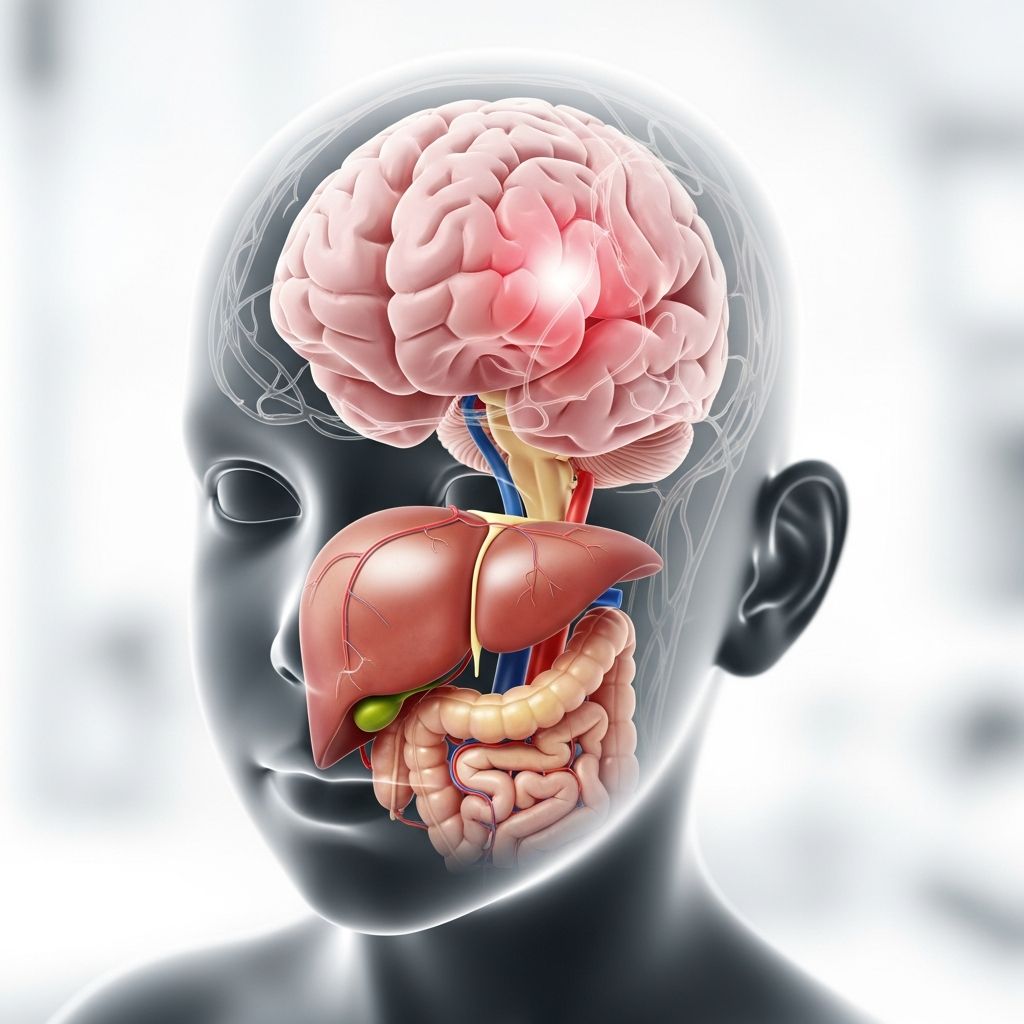
Reye syndrome is a rare but potentially life-threatening condition that primarily affects children and teenagers. It typically appears after a viral illness such as the flu, chickenpox, or a common cold. The condition involves sudden swelling in the liver and brain, which can rapidly progress if not recognized and treated early. While it is now uncommon in many countries, awareness remains essential because early intervention can make a critical difference in outcomes.
How Reye Syndrome Develops
Reye syndrome is not an infection itself, but rather a serious reaction that can occur in the body after a viral illness. It most often follows infections caused by influenza (flu) or varicella (chickenpox), though it can also follow other common respiratory or gastrointestinal viruses. The exact mechanism is not fully understood, but it appears to involve damage to the mitochondria in liver cells, which are responsible for energy production and metabolism.
When these cells are injured, the liver cannot properly process fats or remove toxins from the blood. This leads to a buildup of fatty deposits in the liver and a dangerous rise in blood ammonia levels. High ammonia affects the brain, causing swelling (cerebral edema), which is responsible for many of the neurological symptoms seen in Reye syndrome.
Who Is Most at Risk?
Reye syndrome most commonly affects children and adolescents, though it can occur at any age. It is extremely rare in infants under one year and in adults. The condition is now much less common than in the past, largely due to public health efforts to avoid aspirin use in children during viral illnesses.
Children with certain inherited metabolic disorders are at higher risk. These include fatty acid oxidation disorders, such as medium-chain acyl-CoA dehydrogenase deficiency (MCADD), where the body cannot properly break down fats for energy. In these children, a viral illness can trigger a metabolic crisis that mimics or leads to Reye syndrome, even without aspirin exposure.
Recognizing the Warning Signs
Early symptoms of Reye syndrome can be subtle and easily mistaken for complications of the original viral illness. However, certain patterns should raise concern, especially if they appear after the worst of the fever and congestion have passed.
Initial signs often include:
- Persistent, frequent vomiting that does not improve
- Unusual tiredness, drowsiness, or difficulty waking up
- Irritability, agitation, or uncharacteristic behavior changes
- Confusion or difficulty concentrating
- Headache that does not respond to usual remedies
As the condition progresses, more serious neurological symptoms may develop:
- Delirium or disorientation
- Staring spells or abnormal eye movements
- Slurred or incoherent speech
- Severe muscle weakness or difficulty walking
- Seizures or convulsions
- Loss of consciousness or coma
In very young children, symptoms may be less specific and can include:
- Fast or labored breathing
- Diarrhea or poor feeding
- Extreme lethargy or floppiness
- High-pitched crying or unusual fussiness
Why Timing and Context Matter
One of the most important clues to Reye syndrome is the timing of symptoms. The condition usually begins 3 to 5 days after the start of a viral illness, often when the child seems to be on the mend. A child who was recovering from the flu or chickenpox but then suddenly develops severe vomiting and changes in behavior should be evaluated immediately.
Parents and caregivers should be especially alert if:
- The child has recently taken aspirin or aspirin-containing products
- There is a family history of metabolic disorders
- The child has had chickenpox or the flu in the past week
- Symptoms worsen rapidly over hours rather than days
The Role of Aspirin and Other Medications
Research over several decades has strongly linked Reye syndrome to the use of aspirin (acetylsalicylic acid) in children and teenagers during viral illnesses. Aspirin appears to interfere with mitochondrial function in the liver, especially when the body is already stressed by infection. This interaction can trigger the cascade of liver dysfunction and brain swelling characteristic of Reye syndrome.
Because of this link, health authorities in many countries now advise against giving aspirin to children and adolescents under 18 for fever or pain related to viral infections. Instead, acetaminophen (paracetamol) or ibuprofen are recommended as safer alternatives.
Parents should:
- Read all medication labels carefully, including over-the-counter cold and flu remedies, as some contain aspirin or salicylate derivatives
- Avoid combination products that list aspirin, acetylsalicylic acid, or salicylate in the ingredients
- Consult a pediatrician before giving any fever-reducing medication to a child with a known metabolic disorder
How Doctors Diagnose Reye Syndrome
There is no single test that confirms Reye syndrome. Diagnosis is based on a combination of clinical history, physical examination, and laboratory findings. Doctors look for:
- A recent viral illness
- Neurological symptoms such as confusion, lethargy, or seizures
- Liver dysfunction without signs of inflammation (non-inflammatory encephalopathy with fatty liver)
Common tests used in evaluation include:
- Blood tests to check liver enzymes, blood sugar, ammonia levels, and electrolytes
- Tests of clotting function, since liver involvement can impair blood coagulation
- Imaging such as a head CT or MRI to assess for brain swelling
- Lumbar puncture (spinal tap) in some cases to rule out infections like meningitis
- Metabolic screening if an inherited disorder is suspected
Because Reye syndrome can resemble other serious conditions (such as meningitis, encephalitis, or metabolic crises), prompt evaluation in a hospital setting is essential.
Immediate Treatment and Hospital Care
Reye syndrome is a medical emergency. Any child suspected of having Reye syndrome should be taken to a hospital immediately, often requiring admission to a pediatric intensive care unit (PICU). The main goals of treatment are to:
- Protect the brain from further damage
- Support liver function
- Stabilize vital signs
- Prevent complications such as seizures or bleeding
Common interventions in the hospital include:
- Intravenous (IV) fluids with glucose to maintain blood sugar and hydration
- Medications to reduce brain swelling, such as mannitol or hypertonic saline
- Medications to control seizures if they occur
- Respiratory support, including oxygen or mechanical ventilation if breathing is affected
- Medications to support blood clotting, such as vitamin K, fresh frozen plasma, or platelets
- Close monitoring of blood pressure, heart rate, oxygen levels, and neurological status
In some cases, specialized monitoring of intracranial pressure (pressure inside the skull) may be used to guide therapy and prevent irreversible brain injury.
Potential Outcomes and Long-Term Effects
With early diagnosis and aggressive treatment, many children with Reye syndrome recover fully. However, the condition can be fatal if not recognized and managed quickly. Even with survival, some children may experience lasting neurological problems, including:
- Memory or learning difficulties
- Attention or concentration issues
- Movement or coordination problems
- Speech or language delays
- Seizure disorders
The severity of long-term effects often depends on how quickly treatment was started and how much brain swelling occurred before medical care began. Children who are treated in the earliest stages generally have the best outcomes.
Preventing Reye Syndrome at Home
Because there is no cure for Reye syndrome, prevention is the most important strategy. The most effective preventive measure is avoiding aspirin and aspirin-containing products in children and teenagers during viral illnesses.
Practical steps parents can take include:
- Using only pediatrician-approved fever and pain relievers such as acetaminophen or ibuprofen
- Reading all medication labels carefully, including cold, cough, and flu remedies
- Storing medications out of reach and explaining to older children why certain medicines are not safe for them
- Informing all caregivers (babysitters, relatives, school staff) about the child’s medication restrictions
- Discussing any family history of metabolic disorders with the child’s doctor
When to Seek Emergency Care
Parents should seek immediate medical attention if a child who has recently had a viral illness develops any of the following:
- Frequent, unrelenting vomiting
- Extreme drowsiness or difficulty waking up
- Confusion, disorientation, or bizarre behavior
- Seizures or convulsions
- Loss of consciousness or unresponsiveness
- Rapid breathing, weakness, or floppiness in a young infant
It is always better to be cautious. If there is any doubt about whether symptoms could be related to Reye syndrome, it is safest to go to the emergency department rather than waiting.
Frequently Asked Questions
Can adults get Reye syndrome?
While Reye syndrome is most common in children and teenagers, rare cases have been reported in adults. However, the condition is overwhelmingly seen in younger individuals, especially after viral infections and aspirin use.
Is Reye syndrome contagious?
No, Reye syndrome itself is not contagious. However, the viral illnesses that often precede it (like the flu or chickenpox) are contagious. The syndrome is a reaction to the infection and certain risk factors, not an infection that spreads from person to person.
Are there vaccines that help prevent Reye syndrome?
There is no vaccine specifically for Reye syndrome. However, vaccines that prevent the underlying viral illnesses—such as the flu vaccine and the chickenpox (varicella) vaccine—can reduce the risk by lowering the chances of the infections that commonly precede the condition.
What should I do if I accidentally gave my child aspirin during a viral illness?
If a child receives aspirin during a viral illness but has no symptoms of Reye syndrome, it is important to monitor closely for any warning signs. If symptoms such as persistent vomiting, confusion, or lethargy develop, seek emergency care immediately. In the absence of symptoms, contact the child’s doctor for guidance.
How common is Reye syndrome today?
Reye syndrome is now very rare in countries where aspirin use in children has been strongly discouraged. Public health campaigns and changes in medication practices have led to a dramatic decline in cases since the 1980s.
References
- Reye’s syndrome – Symptoms and causes — Mayo Clinic. 2023-08-25. https://www.mayoclinic.org/diseases-conditions/reyes-syndrome/symptoms-causes/syc-20377255
- Reye Syndrome — StatPearls, NCBI Bookshelf, National Institutes of Health. 2023-07-17. https://www.ncbi.nlm.nih.gov/books/NBK526101/
- Reye’s syndrome — NHS. 2022-08-18. https://www.nhs.uk/conditions/reyes-syndrome/
- Reye’s Syndrome — Cleveland Clinic. 2023-06-15. https://my.clevelandclinic.org/health/diseases/6088-reyes-syndrome
- Reye Syndrome — Boston Children’s Hospital. 2023-01-10. https://www.childrenshospital.org/conditions/reye-syndrome