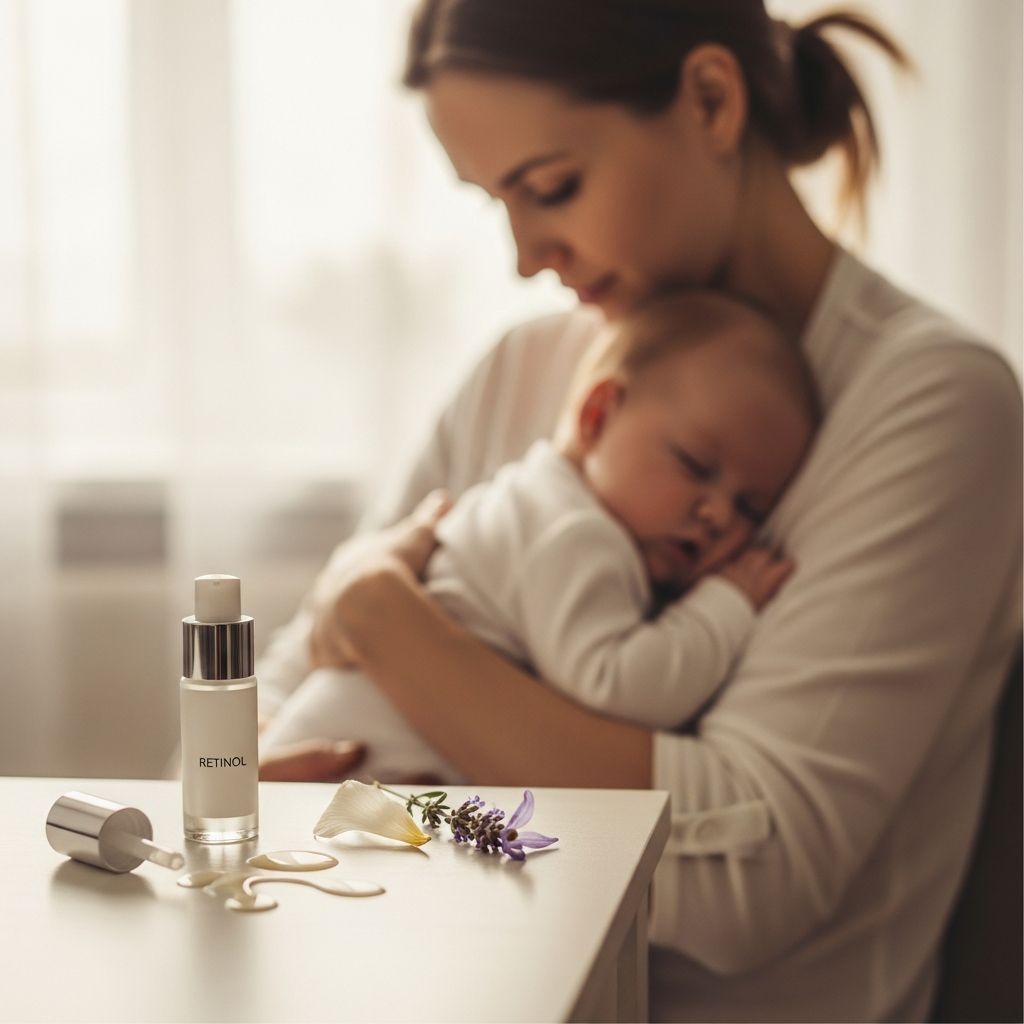
Many new mothers face the challenge of balancing skincare routines with breastfeeding demands. Retinol, a popular ingredient for fighting acne and signs of aging, raises questions about its safety during lactation. While topical retinol offers skin benefits, concerns about absorption and transfer to breast milk prompt caution from experts.
Understanding Retinol and Its Role in Skincare
Retinol belongs to the retinoid family, derived from vitamin A, accelerating cell turnover for smoother, brighter skin. It treats fine lines, hyperpigmentation, and acne by promoting collagen production and unclogging pores. Available over-the-counter in creams, serums, and moisturizers, concentrations vary from mild (0.1-0.3%) to stronger formulas.
During postpartum, hormonal shifts often cause dryness, breakouts, or melasma, tempting many to reach for retinol. However, breastfeeding introduces new considerations, as even topical products may enter the bloodstream minimally.
Potential Risks of Retinol for Breastfeeding Mothers
Topical retinol absorbs through the skin at low rates, but the exact amount reaching breast milk remains understudied. High vitamin A levels in milk could theoretically affect infants, mimicking symptoms of excess like irritability or poor weight gain, though rare with topicals.
- Skin Contact Concerns: Applying near breasts risks direct baby exposure during nursing.
- Systemic Absorption: Minimal but possible transfer via milk, especially with frequent use or higher concentrations.
- Developmental Worries: Oral retinoids link to birth defects; topicals pose lower risk, but data gaps persist.
Prescription retinoids like tretinoin carry higher risks due to potency, with very little passing into the body but unstudied lactation effects. Dermatologists urge avoiding chest-area application regardless.
Expert Opinions on Retinol Use While Nursing
Most dermatologists and pediatricians advise against topical retinol during breastfeeding, favoring precaution amid limited research. The InfantRisk Center notes cosmetic retinols unlikely affect milk due to low absorption, deeming topicals generally safe, unlike oral forms.
Consensus: Pause retinol until weaning. A 2013 study on pregnant women using topicals found no increased miscarriage or defect risks, suggesting occasional use may not harm, but breastfeeding lacks similar data. Always consult providers for personalized advice.
| Retinoid Type | Breastfeeding Recommendation | Risk Level |
|---|---|---|
| Cosmetic Retinol (OTC) | Avoid or minimize | Low |
| Topical Prescription (e.g., Tretinoin) | Strongly avoid | Moderate |
| Oral Retinoids | Prohibited | High |
Safe Skincare Alternatives for Lactating Moms
Glowing skin is achievable without retinoids. Opt for gentle, pregnancy- and nursing-safe ingredients:
- Hyaluronic Acid: Hydrates deeply without irritation.
- Vitamin C: Brightens and evens tone, antioxidant-rich.
- Niacinamide: Calms inflammation, minimizes pores.
- Azelaic Acid: Fights acne mildly.
- Peptides: Boost collagen safely.
Build a routine: Cleanse gently, moisturize, apply sunscreen daily (mineral-based like zinc oxide). Patch-test new products. Fragrance-free, hypoallergenic formulas reduce sensitivity.
What to Do If You’ve Already Used Retinol
Accidental use needn’t cause alarm. Short-term, small amounts pose minimal risk, per studies showing no adverse effects from topical exposure. Discontinue immediately, monitor baby for changes like feeding issues, and inform your pediatrician.
Resume retinol post-weaning, starting low to rebuild tolerance. Postpartum skin rebounds quickly with consistent gentle care.
Building a Breastfeeding-Friendly Skincare Routine
Postpartum skin demands nurturing. Key steps:
- Morning: Gentle cleanser, vitamin C serum, moisturizer, SPF 30+.
- Evening: Cleanser, niacinamide or azelaic acid, rich moisturizer.
- Weekly: Mild exfoliation with lactic acid if tolerated.
Hydrate internally: Drink water, eat omega-rich foods. Sleep aids recovery. Consult lactation specialists for holistic support.
Retinol vs. Other Actives: A Comparison
| Ingredient | Benefits | Breastfeeding Safe? |
|---|---|---|
| Retinol | Anti-aging, acne | No |
| Vitamin C | Brightening, collagen | Yes |
| Niacinamide | Pore refining, soothing | Yes |
| Hyaluronic Acid | Hydration | Yes |
| Bakuchiol | Retinol alternative | Likely yes (plant-based) |
Bakuchiol emerges as a gentle retinol mimic, showing similar efficacy without irritation.
Frequently Asked Questions About Skincare and Breastfeeding
Is any retinol safe during breastfeeding?
No form is fully endorsed; avoid all to err on caution, especially prescriptions.
Can I use retinol on my face but not chest?
Possible with low concentrations, but experts prefer full avoidance due to absorption risks.
What about bakuchiol or adapalene?
Bakuchiol is safer; adapalene (prescription) follows retinoid cautions.
How soon after birth can I restart retinol?
Wait until weaning; discuss with dermatologist.
Does sunscreen matter more now?
Yes, daily broad-spectrum protects healing postpartum skin.
Long-Term Skin Health Post-Breastfeeding
After nursing, reintroduce actives gradually. Combine retinol with hydration for best results. Annual dermatologist check-ups monitor changes. Healthy habits sustain radiance lifelong.
Empowerment through knowledge lets mothers prioritize baby safety while nurturing self-care. Safe skincare supports the breastfeeding journey.
References
- Can You Use Retinol While Breastfeeding? | Skincare Safety for… — PakPeds. Accessed 2026. https://pakpeds.com/breastfeeding-support/what-medicine-can-i-take-when-breastfeeding/can-you-use-retinol-while-breastfeeding/
- Retinol & Breastfeeding: Is It Safe To Use? — Kin Fertility. Accessed 2026. https://kinfertility.com.au/blog/retinol-breastfeeding
- Retinol while Breastfeeding: Is it Safe to use? 2024 Update — Lesielle. 2024. https://www.lesielle.com/us/blog/retinol-while-breastfeeding-is-it-safe-to-use-2024-update-110
- Retinoid Skincare and Nursing: What New Moms Should Know — InfantRisk Center. Accessed 2026. https://www.infantrisk.com/content/retinoid-skincare-and-nursing-what-new-moms-should-know
- Topical Tretinoin – MotherToBaby Fact Sheets — NCBI Bookshelf. Accessed 2026. https://www.ncbi.nlm.nih.gov/books/NBK582989/