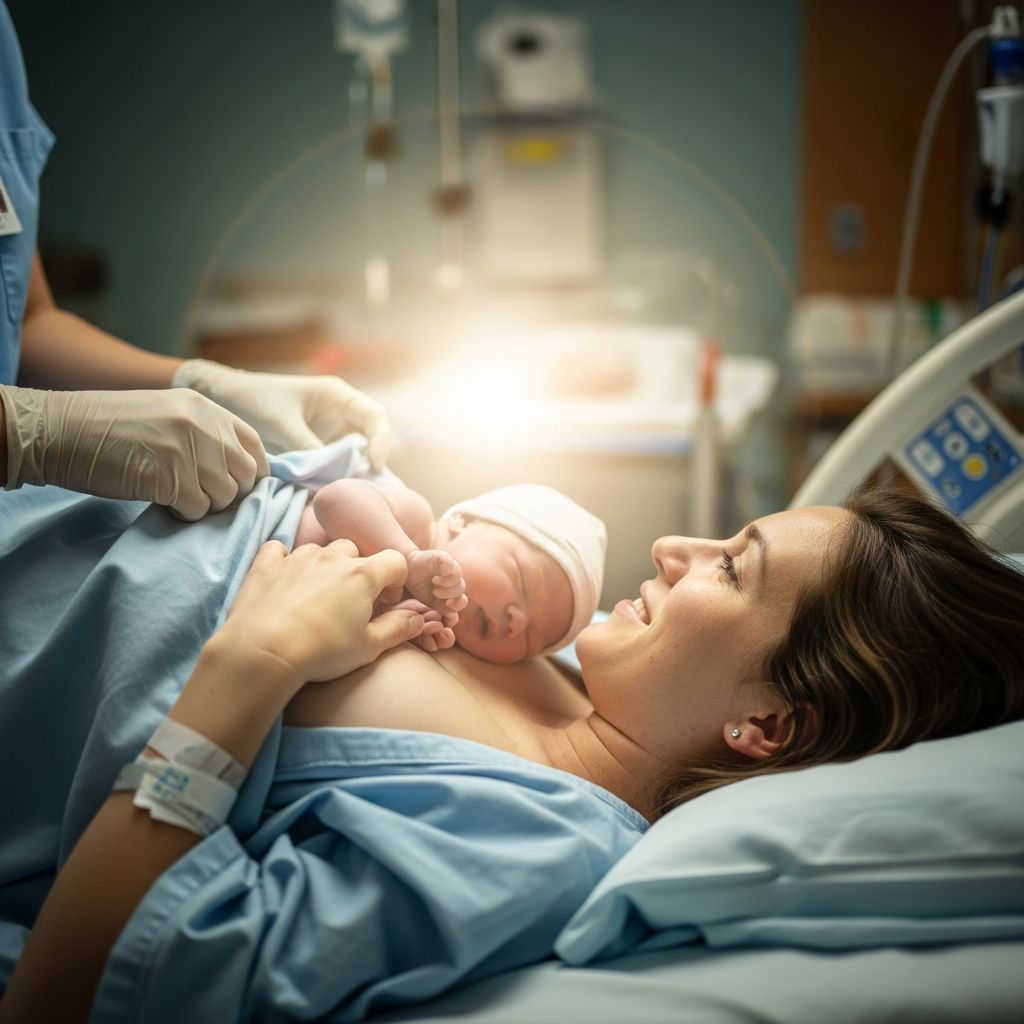
Many people are surprised to learn that some men find pregnant women especially attractive. For some, this is a gentle preference for a partner’s pregnant body; for others, it can develop into a specific and persistent sexual focus on pregnancy. This attraction often raises uncomfortable questions: Is it normal? Where does it come from? What does science actually say?
This article explores what researchers and clinicians currently understand about men’s attraction to pregnant women, from biological influences and early-life learning to cultural messages and relationship dynamics. It also distinguishes between ordinary attraction to a pregnant partner and what is commonly described as pregnancy fetishism or maiesiophilia.
1. Attraction to Pregnancy: Preference, Pattern, or Fetish?
Before looking at the causes, it helps to clarify what people mean when they say they are attracted to pregnancy. Not all men experience or describe this attraction in the same way.
1.1 Different Forms of Attraction
- Situational attraction: A man who is usually attracted to his partner finds her more attractive when she is pregnant, but pregnancy is not a requirement for his arousal or interest.
- Stable preference: A man consistently finds pregnancy especially appealing or exciting, and images of pregnant bodies feature strongly in his fantasies.
- Pregnancy fetishism (maiesiophilia): Pregnancy becomes a central or necessary focus for sexual arousal, sometimes overshadowing other aspects of sexuality.
The same outward behavior—seeking pregnant partners or consuming pregnancy-related erotic content—can arise for different underlying reasons, from curiosity and novelty to deeper psychological patterns.
1.2 What Is Maiesiophilia?
In clinical and sexology literature, pregnancy fetishism is often called maiesiophilia. Some individuals are drawn primarily to:
- the enlarged abdomen and other physical signs of pregnancy,
- the symbolism of fertility and creation,
- specific states or scenes, such as late pregnancy, birth fantasies, or breastfeeding contexts.
Most clinical descriptions emphasize that, as long as the preference is consensual and does not cause distress or harm, it is generally considered a variant of human sexuality rather than a disorder.
2. Early Learning and Sexual Imprinting
One of the most intriguing explanations for an attraction to pregnant women comes from the concept of sexual imprinting, a process well-documented in many animal species and increasingly discussed in humans.
2.1 What Is Sexual Imprinting?
Sexual imprinting describes how young animals learn what a “suitable” mate looks like by observing adults—often their parents—at a very early age. Research in ethology (the study of animal behavior) shows that:
- Goats raised by sheep may grow up sexually attracted to sheep rather than goats, suggesting that early exposure shapes later preference for partner appearance and species.
- Similar patterns appear across multiple species, where key traits seen in caregivers later show up in mate preferences.
In humans, scientists cannot ethically run the same controlled experiments, but some psychologists argue that early experiences with caregivers also leave a blueprint for later attraction, including body shape, age cues, and even specific contexts or conditions.
2.2 A Study on Pregnancy and Early Sibling Experience
Psychologist Stefano Ghirlanda and colleagues explored how early family structure might relate to a later attraction to pregnancy and breastfeeding. In an online study of individuals active in pregnancy and lactation fetish groups, they examined participants’ early childhood exposure to their mothers, including whether they had younger siblings and how much time they spent with their mothers before age five.
Key patterns reported in the analysis included:
- People attracted to pregnancy and breastfeeding more often had younger siblings than older siblings.
- They reported greater early exposure to their mothers during the years when those younger siblings would have been carried and fed.
The authors suggested that, for some individuals, seeing their mother pregnant or breastfeeding during a sensitive developmental period might contribute to forming an internal template of what an ideal adult body looks like. Over time, that template may become sexualized, especially once puberty and later life experiences layer on top of it.
Important caveats:
- The study relied on self-selected participants from fetish communities, which does not represent the general population.
- Results are correlational: they cannot prove that early exposure causes the attraction, only that there is a statistical link.
- Human sexual development is complex; imprinting is likely only one piece of a much larger puzzle.
2.3 Why Imprinting in Humans Is Controversial
Researchers emphasize that human brains are far more flexible and shaped by culture than those of many animals. Ghirlanda himself has noted that scientists still do not know which brain circuits store early-sexual memories or exactly how specific traits become eroticized later in life. Most experts therefore see sexual imprinting as a plausible contributor, not a complete explanation.
3. Biological and Hormonal Factors
Pregnancy brings profound hormonal and physical changes. Some of these changes can influence how men perceive a pregnant woman’s appearance, scent, and behavior.
3.1 Visible Signs of Fertility and Health
From an evolutionary standpoint, cues of fertility and reproductive success can be powerfully attractive. Pregnancy makes several of these cues especially visible:
- a pronounced, rounded abdomen signaling a successful conception,
- fuller breasts and changes in body fat distribution,
- changes in skin and hair that some describe as a “pregnancy glow.”
While not every pregnancy looks or feels glamorous, research in evolutionary psychology has long argued that men tend to find visual indicators of fertility, such as youth and certain waist-to-hip ratios, more attractive on average, because these traits historically correlated with higher reproductive success. Pregnancy is an unmistakable sign that reproduction is already occurring, which may amplify these underlying biases in some observers.
3.2 Hormonal Changes and Scent
Pregnancy shifts levels of hormones such as estrogen, progesterone, and human chorionic gonadotropin (hCG), which can alter a woman’s natural body scent and possibly her behavior. Although research on men’s responses to the scent of pregnant women is limited, there is strong evidence that hormonal changes across the menstrual cycle can change how women smell and how attractive men find them.
By analogy, it is plausible that pregnancy-related hormonal states change scent and subtle behavioral cues in ways that some men find appealing, even if they cannot consciously identify why.
3.3 Reduced Threat of Conception with a New Partner
Some men may feel more comfortable approaching a pregnant woman—especially one who is already partnered—because the risk of causing a pregnancy themselves is extremely low. In evolutionary models of mating behavior, men often weigh the potential costs of investment, paternity uncertainty, and competition. A woman who is already pregnant by someone else:
- cannot become pregnant by the new man during that pregnancy, reducing the risk of paternal obligations,
- may be perceived (rightly or wrongly) as less likely to seek long-term commitment from a new partner.
This does not mean that men consciously reason this way, but such dynamics may contribute to the attraction and pursuit behavior some pregnant women report experiencing from strangers or acquaintances.
4. Psychological Meanings: Care, Nurture, and Security
Beyond biological signals, pregnancy carries rich symbolic meaning. These meanings can shape what different people see and feel when they look at a pregnant body.
4.1 Nurturing and Comfort
Pregnancy is often associated with:
- nurturing and caregiving,
- warmth and emotional availability,
- a sense of home, family, and continuity.
For some men, these qualities may tap into deep desires for emotional safety and stability. The pregnant body becomes a symbol of someone who can care, protect, and provide a secure base—needs that often originate in early childhood attachment experiences.
4.2 Commitment and Loyalty
Pregnancy can also be read as a sign of commitment. A pregnant woman is visibly engaged in a long-term project—bringing a child into the world and, often, maintaining a partnership with the child’s other parent. Men who value or idealize loyalty may find this visibly displayed commitment uniquely appealing, even if they are not consciously seeking to form a family with the pregnant person.
4.3 Power, Protection, and Gender Roles
For others, attraction to pregnancy may involve feelings of protector or caretaker. Traditional gender roles often cast pregnant women as physically vulnerable and men as their protectors. Some men may feel more masculine and needed around a pregnant partner, which can enhance attraction and desire.
At the same time, many pregnant women are strong, active, and independent. The tension between the cultural image of fragility and the real demands of pregnancy may itself be part of the appeal, creating a complex mix of power and tenderness in the way some people interpret a pregnant body.
5. When It Is His Own Partner’s Pregnancy
Research on parental bonding, attachment, and reproductive behavior suggests that men may react differently when they are attracted to a partner carrying their child versus a stranger.
5.1 Bonding and Investment
From an evolutionary perspective, it would be adaptive for a father to stay close and invested in a pregnant partner so that he can help protect and provide for mother and child. Anthropological and psychological studies of parenting highlight that men’s involvement and emotional engagement can improve birth outcomes and child development.
Sexual attraction to a pregnant partner might therefore serve several functions:
- keeping the couple emotionally connected during a demanding time,
- reinforcing pair-bonding,
- encouraging ongoing proximity and support.
5.2 Pride and Awe
Men often report feelings of awe and pride watching a partner’s body change during pregnancy. Psychologically, this can blend sexual desire with admiration for the partner’s capacity to carry their child. The pregnant body, in this context, is not only an erotic object but also a visible symbol of shared creation and legacy.
6. Cultural Narratives and Media Influence
Culture plays a powerful role in shaping what people find attractive. Norms around pregnancy have shifted significantly over recent decades:
- In many societies, pregnancy used to be hidden, with women withdrawing from public life for large parts of gestation.
- Today, maternity fashion, social media “bump” photos, and celebrity pregnancy coverage often present pregnancy as glamorous and empowering.
These changing representations can normalize the idea that pregnancy is not only acceptable but potentially sexually appealing. For individuals already predisposed—through biology, psychology, or early experiences—media imagery can reinforce and amplify pregnancy-related attractions.
7. Attraction, Consent, and Ethics
Whatever the origin of a pregnancy-related attraction, it is essential to distinguish between internal feelings and external behavior.
7.1 Normal Variation vs. Problematic Behavior
Most clinicians and sex researchers consider a pregnancy preference or fetish to be part of the broad range of human sexual diversity as long as:
- all activities are consensual,
- no one is coerced, harmed, or exploited,
- the preference does not substantially impair a person’s ability to form healthy relationships.
Problems arise when someone:
- treats pregnant women as objects rather than full persons with boundaries,
- ignores or pressures a pregnant partner’s changing comfort levels,
- engages in non-consensual behavior, from harassment to voyeurism.
7.2 Talking About It With a Partner
For couples in which pregnancy changes one or both partners’ levels of desire, open and respectful communication is key. Health organizations such as the American College of Obstetricians and Gynecologists emphasize that, in most uncomplicated pregnancies, sex is physically safe, but comfort, libido, and emotional needs often fluctuate across trimesters.
Partners can address this by:
- checking in regularly about comfort and boundaries,
- remaining flexible about types of intimacy (not only intercourse),
- supporting each other emotionally as body image and energy levels change.
8. Common Questions About Attraction to Pregnant Women
FAQ Table: Quick Answers
| Question | Short Answer |
|---|---|
| Is it normal to be attracted to pregnant women? | Yes. Many people report increased attraction to pregnancy; it is one of many normal variations in human desire. |
| Does attraction to pregnancy mean I have a fetish? | Not necessarily. It is a fetish mainly when pregnancy becomes a central or necessary focus for arousal. |
| Can early childhood experiences play a role? | Possibly. Some research suggests sexual imprinting on pregnant or breastfeeding caregivers may contribute for some individuals. |
| Is it harmful to be turned on by pregnancy? | By itself, no. Ethical concerns arise only if there is coercion, non-consent, or distress. |
| Should I talk to a therapist about this? | Consider it if the attraction causes you shame, distress, or major relationship problems. |
Q: Why did my attraction to my partner increase after she became pregnant?
A: Many men report heightened attraction to a pregnant partner because pregnancy makes signs of fertility, closeness, and shared future especially vivid. Psychological factors like pride, awe, and the desire to protect can combine with hormonal and visual cues to intensify desire.
Q: If I’m mostly attracted to pregnant women, does that mean something went wrong in my development?
A: Current research does not frame pregnancy-focused attraction as a sign of pathology by itself. Some studies propose that early exposure to pregnant or breastfeeding caregivers may help shape later preferences in a minority of people, but human sexuality is highly diverse and influenced by many biological and social factors.
Q: Is it safe to have sex during pregnancy if we are both interested?
A: For most low-risk pregnancies, sex is medically safe and does not harm the fetus, according to major obstetric guidelines, unless a healthcare provider has advised otherwise due to complications such as placenta previa, preterm labor risk, or bleeding. Comfort and position may need to change as pregnancy advances.
Q: My attraction to pregnant women makes me feel guilty. What can I do?
A: Many people feel shame when their desires do not match social norms. Education about sexual diversity, talking openly and respectfully with consenting partners, and, if needed, working with a sex-positive therapist can help reduce guilt and distinguish between harmless fantasies and actions that cross ethical lines.
Q: Can this attraction change over time?
A: Yes. Sexual interests often evolve with life experiences, relationships, and changing roles (for example, becoming a parent). Some people find that pregnancy is a temporary focus during a particular relationship or life stage, while for others it remains a stable interest.
References
- Why Are Men Attracted To Pregnant Women? A Psychologist Explains — Fatherly / Stefano Ghirlanda interview. 2022-08-02. https://www.fatherly.com/health/science-explains-why-men-are-attracted-to-pregnant-women
- Pregnancy Fetishism (Maiesiophilia) — Summary article referencing clinical sexology literature. (Accessed 2025). https://en.wikipedia.org/wiki/Pregnancy_fetishism
- ACOG FAQ: Sex and Pregnancy — American College of Obstetricians and Gynecologists. 2023-05-01. https://www.acog.org/womens-health/faqs/having-a-baby-sex-and-pregnancy
- Tests Based on Within- and Between-Sex Sexual Dimorphism Facial Manipulations Reveal Variations in Females’ Preferences for Male Faces — Wang et al., Frontiers in Psychology. 2021-02-10. https://www.ncbi.nlm.nih.gov/pmc/articles/PMC7889572/
- Why Am I Attracted to Pregnant Women? Exploring the Attraction — DHgate Smart Buyer Guide. 2023. https://smart.dhgate.com/why-am-i-attracted-to-pregnant-women-exploring-the-attraction/