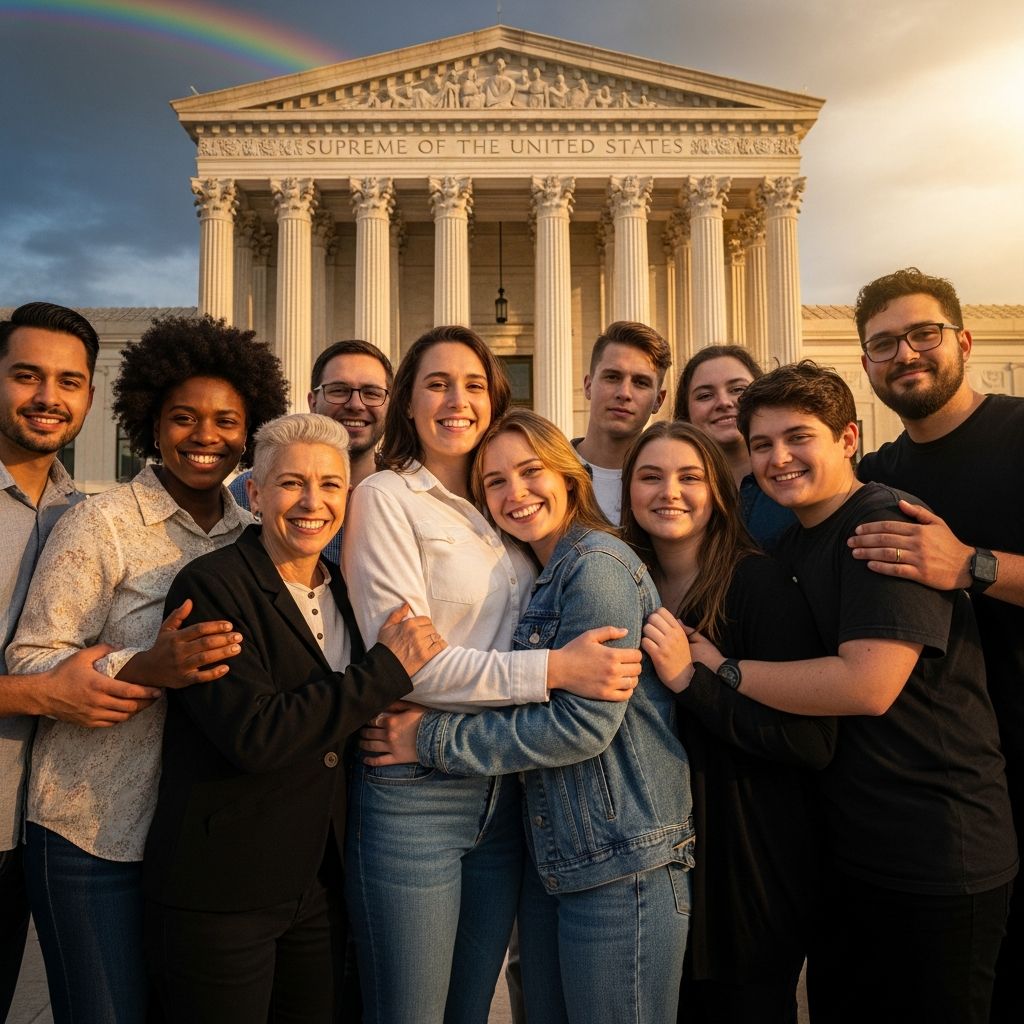
The Respect for Marriage Act represents a pivotal legislative achievement in protecting the marriages of same-sex and interracial couples at the federal level. Enacted in 2022, it repeals the discriminatory Defense of Marriage Act (DOMA) and mandates federal recognition of valid out-of-state marriages, providing a safety net for LGBTQ+ families.
Historical Context: From DOMA to Modern Protections
Prior to its repeal, DOMA, passed in 1996, denied federal benefits to legally married same-sex couples and allowed states to ignore marriages performed elsewhere. This created widespread harm, excluding couples from over 1,000 federal protections like Social Security benefits, tax equity, and immigration sponsorships.
The Supreme Court’s 2013 ruling in United States v. Windsor invalidated DOMA’s federal non-recognition provision, but fears arose post-Dobbs v. Jackson Women’s Health Organization that conservative shifts could erode these gains. The Respect for Marriage Act codifies Windsor, ensuring the federal government honors existing same-sex marriages regardless of future court decisions.
Additionally, it addresses interstate recognition by requiring states to respect valid marriages from other states under the Full Faith and Credit Clause, repealing DOMA’s contrary language.
Key Provisions and Their Direct Impact
- Federal Recognition: All valid same-sex and interracial marriages must be acknowledged by federal agencies for benefits and obligations.
- Interstate Validity: States cannot deny recognition of out-of-state marriages, preserving family stability during relocations.
- No New Marriage Mandates: The Act does not compel states to issue same-sex marriage licenses, leaving licensing to state law.
These elements passed with bipartisan support—267-157 in the House, including 47 Republicans—marking a historic pro-LGBTQ vote.
Limitations: What the Act Does Not Cover
While protective, the legislation has gaps. It safeguards existing marriages but offers no defense if Obergefell v. Hodges (2015), which mandated nationwide same-sex marriage rights, is overturned. States could then cease issuing licenses, though federal and interstate recognition of prior unions would persist.
Religious exemptions raise concerns, potentially allowing nonprofits to deny services for same-sex weddings beyond First Amendment baselines. Parental rights, such as birth certificate listings for non-biological parents in same-sex couples, remain vulnerable without explicit codification, as seen in ongoing litigation post-Pavan v. Smith (2017).
| Aspect | Before Act (DOMA Era) | After Act |
|---|---|---|
| Federal Benefits | Denied to same-sex couples | Mandatory recognition |
| Interstate Recognition | Optional/Blocked | Required |
| State Licensing | Varies | Still state-controlled |
| Religious Exemptions | Limited | Expanded for some entities |
Real-World Implications for Queer Parents and Children
For queer families, the Act stabilizes access to family-based benefits but underscores the need for vigilance. Children in same-sex households benefit from secured parental recognition federally, yet state-level threats persist. In 2025, nine states introduced bills challenging Obergefell, though legally ineffective.
DOMA’s legacy harmed children through denied healthcare, inheritance, and custody protections. The Act mitigates this federally but highlights broader assaults, including anti-trans laws restricting healthcare and identity documents.
Proactive Strategies for Family Security
LGBTQ+ families should act preemptively:
- Secure Adoptions: Pursue stepparent or second-parent adoptions to cement legal ties, especially for non-biological parents.
- Update Documents: Ensure birth certificates, powers of attorney, and wills reflect both parents.
- Plan for Mobility: Marry in affirming states if needed; the Act ensures nationwide validity.
- Legal Consultations: Engage LGBTQ+-specialized attorneys early for estate planning and contingencies.
Even if Obergefell falls, the Act preserves existing marriages, allowing couples to wed elsewhere with full recognition.
Broader Challenges Facing LGBTQ+ Rights
State legislatures passed record anti-LGBTQ bills recently, targeting trans youth and education. Groups like the Southern Baptist Convention prioritize Obergefell‘s reversal, fueling symbolic but toothless resolutions.
Experts urge passage of the Equality Act for comprehensive nondiscrimination protections. Families must balance celebration of gains with preparation for backlash.
Frequently Asked Questions (FAQs)
Does the Respect for Marriage Act force states to perform same-sex marriages?
No, it only requires recognition of existing valid marriages, not licensing.
What happens if Obergefell is overturned?
Existing marriages remain federally valid and recognized interstate; new ones depend on state laws.
Are religious organizations protected under the Act?
Yes, with exemptions for solemnization and some services, potentially broader than prior law.
Should queer parents adopt their children now?
Yes, adoptions provide ironclad legal security, unaffected by marriage rulings.
Is my out-of-state marriage safe if I move?
Yes, the Act mandates interstate respect.
Looking Ahead: Building Resilient Families
The Respect for Marriage Act fortifies queer families against uncertainty, but ongoing advocacy is essential. By understanding its scope, addressing gaps, and taking concrete steps, LGBTQ+ households can thrive. Lambda Legal and others monitor threats, ensuring swift defense.
Empowerment comes from knowledge: your marriage endures, your family bonds hold strong.
References
- Here’s What You Need to Know About the Respect for Marriage Act — ACLU. 2022-12-13. https://www.aclu.org/news/lgbtq-rights/what-you-need-to-know-about-the-respect-for-marriage-act
- Professor NeJaime on the Respect for Marriage Act — Yale Law School. 2022-12-15. https://law.yale.edu/yls-today/news/professor-nejaime-respect-marriage-act
- A 10-Year Reflection on Obergefell and the Ongoing Fight for Equality — Lambda Legal. 2025-06-26. https://lambdalegal.org/protecting-lgbtq-families-couples-marriage-equality-obergefell/