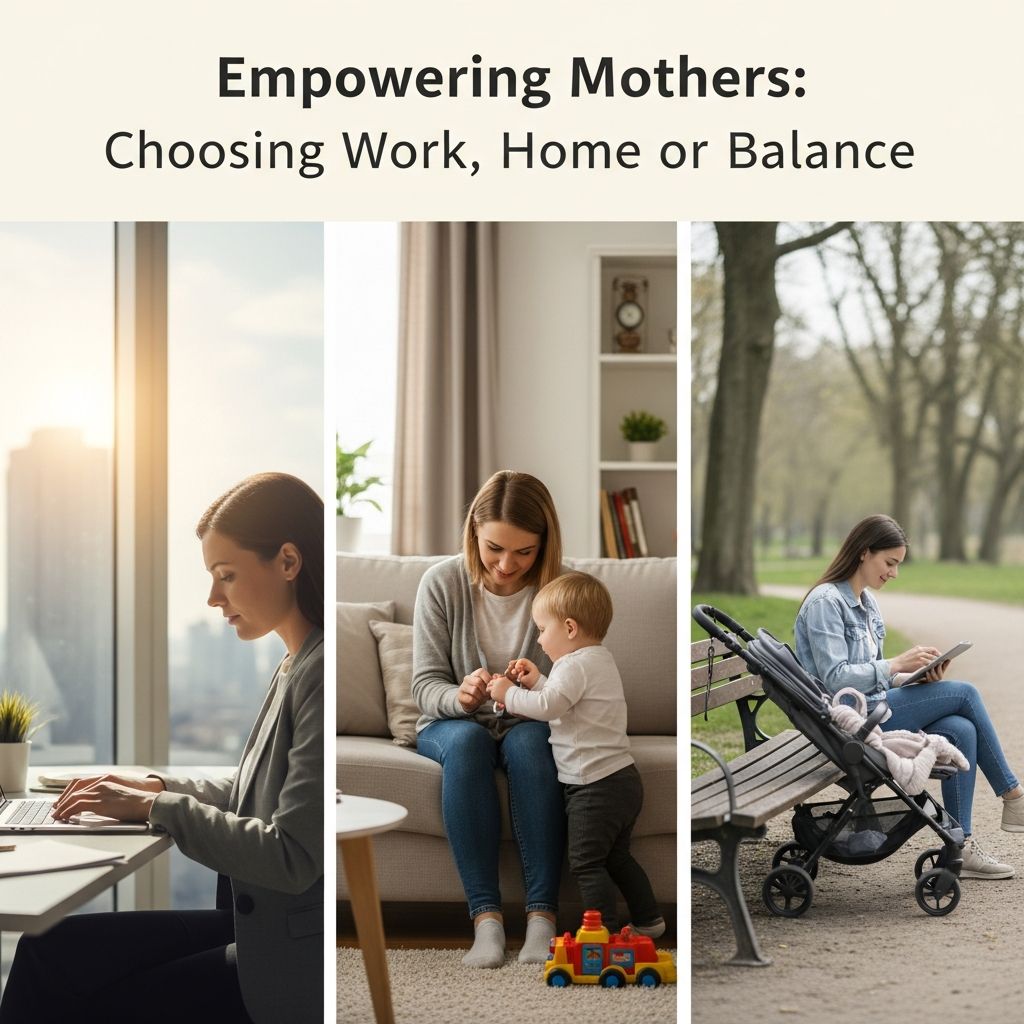
Reshma Saujani, renowned founder of Girls Who Code and Moms First, brings her expertise in empowering women to the realm of parenting. As a mother navigating the challenges of raising boys in a high-pressure world, she advocates for fostering risk-taking, resilience, and authentic confidence in children. Her approach challenges conventional wisdom, urging parents to prioritize boldness over flawlessness.
The Myth of Perfection and Why It Fails Our Kids
In today’s achievement-obsessed culture, children face immense pressure to excel in every domain—from academics to extracurriculars. Saujani argues that this pursuit of perfection stifles growth, leading to anxiety and fear of failure. Instead of celebrating straight A’s and trophies, parents should model and encourage imperfection as a pathway to true strength.
Perfectionism, often rooted in societal expectations, particularly for girls, creates a cycle where kids avoid challenges to protect their self-image. Saujani draws from her work closing the gender gap in tech, noting how girls are socialized to seek approval while boys are pushed to experiment boldly. By shifting focus to effort and courage, parents can break this pattern.
- Recognize praise pitfalls: Commending innate talent discourages risk; highlight persistence instead.
- Embrace mess-ups: Share your own failures to normalize setbacks as learning opportunities.
- Reframe success: Value the attempt over the outcome to build intrinsic motivation.
Cultivating Bravery in Everyday Moments
Bravery isn’t reserved for extraordinary feats; it’s built through small, daily acts. Saujani emphasizes exposing children to discomfort early—whether trying a new sport, speaking up in class, or handling rejection. For parents of daughters, this means countering the ‘good girl’ stereotype that prioritizes niceness over assertiveness.
Her philosophy aligns with economic advocacy for mothers, where resilience mirrors the grit needed to demand paid leave and childcare support. Just as Saujani rallies for systemic change, she encourages families to instill a ‘no-fear’ mindset at home.
| Activity | Bravery Benefit | Age Group |
|---|---|---|
| Solo playdates | Builds independence | 3-5 years |
| Public speaking practice | Boosts confidence | 6-10 years |
| Failure-reflection journals | Fosters resilience | 11+ years |
Balancing Protection with Independence
Modern parenting often veers toward helicoptering, shielding kids from every bump. Saujani warns this robs them of essential problem-solving skills. Drawing from her immigrant roots and advocacy for working moms, she promotes ‘tough love’—setting boundaries that encourage self-reliance without abandonment.
For boymoms like Saujani, this involves channeling energy into productive risks rather than curbing it. Universal childcare, a cornerstone of her Moms First mission, frees parents to guide rather than micromanage, allowing kids to explore freely.
Gender Dynamics: Empowering Girls to Lead
Girls face unique hurdles: societal messages equate value with appearance and compliance. Saujani’s Girls Who Code initiative proves that when girls code, compete, and fail forward, they shatter ceilings. At home, parents can replicate this by enrolling daughters in STEM camps, debate clubs, and leadership roles.
Statistics underscore the stakes: Women with children experience steeper career penalties without support like paid leave. Saujani ties personal empowerment to policy, urging families to raise daughters who advocate unapologetically.
- Challenge stereotypes: Let girls fix gadgets, negotiate chores, lead games.
- Model advocacy: Discuss wage gaps, policy fights during family dinners.
- Seek mentors: Connect with female role models in tech and activism.
Resilience Through Family Rituals
Saujani integrates resilience-building into family life via rituals like ‘failure feasts’—meals celebrating flops—or gratitude circles focusing on efforts. These counteract the exhaustion of unpaid caregiving, a burden she fights systemically.
Paid family leave, she notes, enables presence without penalty, fostering secure attachments that underpin boldness. Her podcast, My So-Called Midlife, explores midlife reinvention, inspiring parents to evolve alongside their kids.
Navigating Technology and Risk in a Digital Age
Tech amplifies both opportunities and perils. Saujani, a tech advocate, teaches kids to harness AI and coding for innovation while mitigating screen-time traps. Encourage projects like app-building to blend risk with digital fluency.
Her vision: Childcare as economic infrastructure supports parents in guiding tech-savvy kids, preventing over-reliance on devices for validation.
Policy at Home: Teaching Civic Engagement
Raising risk-takers extends to citizenship. Saujani involves her sons in volunteering, petitions, and discussions on childcare affordability. This mirrors Moms First’s coalition-building with dads and policymakers, proving advocacy starts young.
| Policy Issue | Home Lesson | Impact on Kids |
|---|---|---|
| Affordable Childcare | Budget simulations | Understands economic equity |
| Paid Leave | Role-play negotiations | Learns assertiveness |
| Equal Pay | Chore wage talks | Grasps fairness |
Frequently Asked Questions (FAQs)
What age should parents start teaching risk-taking?
Begin in toddlerhood with safe challenges like climbing playgrounds or trying new foods. Scale up gradually to match developmental stages.
How can dads contribute to raising resilient girls?
Dads model vulnerability and encourage rough play, countering ‘sugar and spice’ myths. Saujani stresses paternal involvement in policy too.
Does this approach work for neurodiverse kids?
Yes, adapt risks to individual needs—focus on personal victories to build universal resilience without comparison.
What’s the link between parenting and Saujani’s advocacy?
Resilient kids become advocates; her push for childcare frees families to prioritize character over survival.
Can perfectionism be unlearned in teens?
Absolutely—therapy, mentorship, and reframed goals help teens pivot to growth mindsets effectively.
Long-Term Outcomes: Kids Who Change the World
Saujani’s methods yield adults who innovate, lead, and reform—like demanding workplace equity. By 2030, with policies like universal pre-K, empowered kids will drive progress. Parents today plant those seeds.
Her story, from refugee daughter to movement-builder, exemplifies the grit she champions. Families adopting these principles not only raise stronger kids but contribute to societal shifts.
References
- How Reshma Saujani Makes the Invisible Work of Motherhood… — Ms. Magazine. 2025-07-01. https://msmagazine.com/2025/07/01/reshma-saujani-childcare-paid-leave/
- Reshma Saujani Wants Mothers in the Workforce to Get Paid — Vivian Manning-Schaffel. 2022-04-18. https://www.vivianmanningschaffel.com/blog/2022/4/18/reshma-saujani-wants-mothers-in-the-workforce-to-get-paid
- Reshma Saujani on Why Childcare Is an Economic Issue — TIME. N/A. https://time.com/7383095/reshma-saujani-moms-first-ceo-interview/
- Reshma Saujani, Author at ParentData — ParentData by Emily Oster. N/A. https://parentdata.org/author/reshma-saujani/
- Getting Sticky With Reshma Saujani — Spread the Jelly. N/A. https://spreadthejelly.com/articles/reshma-saujani-recoding-the-american-dream-moms-first