Stacks of old mail, packaging, and paper scraps can feel like clutter, but they are also a free art supply waiting to be discovered. This guide walks you through how to turn everyday paper waste into beautiful postcard-sized artworks that help children celebrate the planet while learning about creativity, conservation, and communication.
Why Recycled Postcard Art Is Perfect for Earth-Loving Families
Postcard-sized art projects are small, approachable, and use minimal materials, making them ideal for children with short attention spans and limited work space. When those postcards are built entirely from recycled paper, they become a simple, practical way to teach kids that what usually goes in the bin can be transformed into something meaningful and beautiful.
Unlike large art projects that demand many supplies, recycled postcards encourage kids to focus on composition, color, and message rather than on expensive tools. The finished cards can be mailed, displayed, or traded between classmates, turning a single craft session into an ongoing conversation about caring for the Earth.
Gathering Your Eco-Friendly Supplies
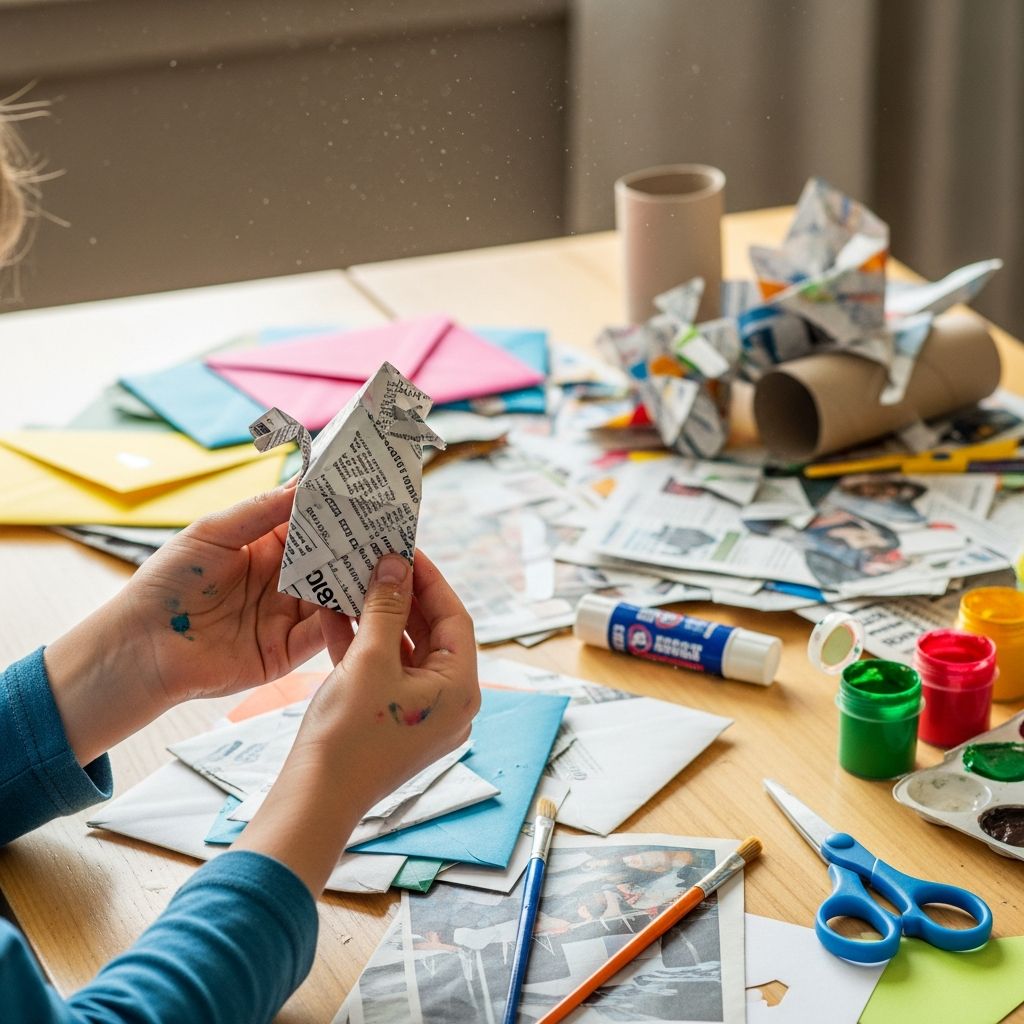
The best part of this project is that most materials are already in your home or classroom. Instead of buying new items, look around for sturdy paper and colorful scraps that would otherwise be discarded.
Core Materials
- Cardboard or heavy paper cut to postcard size (for example, from cereal boxes or shipping envelopes).
- Old magazines, junk mail, flyers, paper bags, and packaging for collage pieces.
- Non-toxic glue sticks or liquid white glue.
- Scissors appropriate for your child’s age and skill level.
- Markers, crayons, or colored pencils you already own.
Optional Extras
- Stamps made from found objects (bottle caps, cardboard shapes, bubble wrap) for printing patterns.
- Scraps of fabric, ribbon, or yarn saved from worn-out clothing or packaging.
- Leftover paint, ink pads, or watercolors for background color.
- Eco-friendly stickers or homemade stickers cut from packaging labels.
Preparing the Postcard Bases
Sturdy postcard bases keep the artwork from bending and make it easier to mail or display. Cardboard taken from boxes or thick envelopes works perfectly and shows kids how packaging can have a second life.
- Cut your cardboard into rectangles roughly 10 x 15 cm or 4 x 6 inches.
- Trim any sharp corners and rough edges to make them safe for small hands.
- Leave one side blank or mostly clear so the child can write a short message if the postcard will be mailed.
- If the surface has heavy printing, glue or tape a piece of scrap paper over one side to create a neutral background.
Design Ideas: Planet-Friendly Themes Kids Love
Giving children a broad theme encourages them to think about the environment without restricting their creativity. You can suggest ideas, but let kids pick the symbols and colors that feel meaningful to them.
Simple Theme Prompts
- Love Our Planet: Hearts, globes, hands holding the Earth, or favorite animals.
- Reduce, Reuse, Recycle: Arrows, circular patterns, and objects being used in new ways.
- Nature Favorites: Trees, leaves, flowers, oceans, mountains, or local wildlife.
- Future Planet: Imaginary eco-cities, green technology, and pollution-free skies.
Color and Texture Suggestions
- Use green and blue to suggest Earth and water, plus browns for soil and tree trunks.
- Include bright accents—yellows for the sun, reds and oranges for flowers—to keep designs cheerful.
- Mix smooth paper with textured packaging, tissue paper, or fabric to create visual interest.
Step-by-Step: How to Make Recycled Postcard Art
This process is flexible: some children enjoy carefully planning their design, while others prefer to dive in and discover the image as they work. The steps below work for both approaches and can be adapted for different ages.
1. Build the Background
- Choose a few large pieces of recycled paper with colors or patterns your child likes.
- Tear or cut them into shapes that cover the front of the postcard base.
- Glue these pieces down, encouraging kids to overlap edges so no cardboard shows through.
- Press the paper gently with the palm of the hand or a scrap of clean paper to smooth out wrinkles.
2. Add Main Shapes and Images
- Invite children to cut or tear shapes representing their chosen theme, such as trees, animals, or a globe.
- Look for interesting fragments in junk mail—letters, numbers, or tiny pictures that can become part of the design.
- Arrange the pieces on the postcard without glue at first, moving them around to find a pleasing composition.
- Once satisfied, glue the shapes in place, starting from the larger elements and working toward smaller details.
3. Layer Details and Text
- Use markers or colored pencils to outline shapes, draw tiny details, or add patterns like dots, stripes, or waves.
- Help children create short, positive phrases such as “Care for the Ocean” or “Plant More Trees” without copying slogans from other designs.
- Encourage them to handwrite these words or build them from cut-out letters found in old magazines.
- Let the card dry completely before stacking or mailing, especially if paint or heavy glue was used.
Learning Benefits Hidden Inside This Craft
On the surface, this activity looks like simple art play, but it also supports a wide range of skills. Because it uses real-world waste materials, it connects those skills directly to daily life and environmental responsibility.
| Skill Area | How the Craft Helps |
|---|---|
| Fine motor skills | Cutting, tearing, gluing, and drawing strengthen hand muscles and coordination. |
| Creativity | Working with unpredictable scraps pushes kids to think inventively about shapes and images. |
| Environmental awareness | Reusing junk mail and packaging shows that everyday waste can be valuable material. |
| Language and communication | Writing messages on the postcards encourages children to express ideas and feelings about the planet. |
| Planning and decision-making | Choosing colors, arranging shapes, and deciding when the artwork is “finished” all involve thoughtful choices. |
Adapting the Project for Different Ages
Recycled postcard art is remarkably flexible. With a few adjustments, the same basic concept can be used with toddlers, older kids, or even teens who want a more sophisticated challenge.
For Younger Children
- Pre-cut simple shapes such as circles, hearts, and leaves, so kids can focus on gluing and arranging.
- Offer only a few color families at a time to avoid visual overload.
- Use larger postcard bases if fine motor control is still developing.
For Older Children and Tweens
- Introduce simple design concepts such as contrast, balance, and focal point.
- Encourage them to incorporate found text, like short phrases or single words, into more complex compositions.
- Challenge them to create a series of related postcards that tell a visual story about the planet.
For Teens and Group Projects
- Ask participants to research an environmental issue and depict it symbolically through their design.
- Combine individual postcards into a larger mural or classroom display arranged in a grid.
- Invite students to write an artist statement explaining how they chose and reused their materials.
Creative Variations and Extensions
Once kids understand the basics, postcard art can grow into a recurring family or classroom activity. Small changes keep it fresh and offer new learning opportunities each time.
Seasonal and Holiday Themes
- Use warm colors and leaf shapes for autumn, made from brown paper bags and packaging.
- Create winter scenes from white tissue paper and blue envelopes, focusing on snowy forests or polar animals.
- Design spring and summer cards full of flowers and insects using brightly colored catalog pages.
Mailing, Swapping, and Displaying
- Mail finished postcards to friends, grandparents, or community organizations as Earth-themed greetings.
- Host a classroom or neighborhood postcard swap so children can trade designs and read one another’s messages.
- Hang a rotating “gallery line” of postcards on string with clothespins at home or in the classroom.
Combining with Other Eco Activities
- Pair the craft with a litter clean-up walk and discuss where materials come from and where they end up.
- Use the back of each postcard to write one small action the family or class will take to reduce waste.
- Turn postcard designs into digital photos or scans and reuse them as invitations, posters, or screensavers.
Safety and Sustainability Tips
Because this project uses found materials, a quick safety check keeps it safe and enjoyable. Taking a moment to sort through supplies also gives you a natural opening to talk about recycling rules and responsible consumption.
- Avoid materials with sharp staples, glass, metal edges, or anything that once contained hazardous substances.
- Wash and dry any packaging that once held food so it does not attract insects or mold.
- Use non-toxic, child-safe glue and markers, and ventilate the room if using any paints that have an odor.
- Remind children not to put small collage pieces in their mouths, especially if working with very young kids.
Frequently Asked Questions
Can these postcards actually be mailed?
Yes, many postal services will accept handmade postcards as long as they meet size and thickness requirements and have a clear area for the address and stamp. If in doubt, you can glue the artwork onto a blank store-bought postcard or slip it into a small envelope to protect more delicate collages.
What if I do not have cardboard?
If sturdy cardboard is not available, layers of lighter paper such as paper bags or folded printer paper can be glued together to create a thicker base. You can also recycle front covers of used notebooks or the backing of old sketchpads.
How can I keep the project organized in a classroom?
Set up stations: one for selecting postcard bases, one for cutting or tearing paper, one for gluing, and one for drawing and writing. Provide trays or small boxes for collage scraps and invite students to return unused pieces so nothing goes to waste.
What if my child is frustrated by messy or imperfect results?
Collage can feel unpredictable, so reassure children that recycled art rarely looks perfectly neat. Focus on the story behind the postcard and the fun of transforming waste instead of aiming for polished results.
How often can we repeat this activity without it feeling repetitive?
The small size and flexible themes make it easy to revisit this project several times a year. You can change the focus—such as oceans, forests, cities, or animals—introduce new materials, or create postcard series that document different seasons or environmental topics.
Recycled postcard art offers a simple but powerful way to show children that creativity and environmental responsibility can go hand in hand. With a few rescued materials and a bit of imagination, every piece of junk mail can become a tiny work of art that carries a big message about caring for our shared planet.