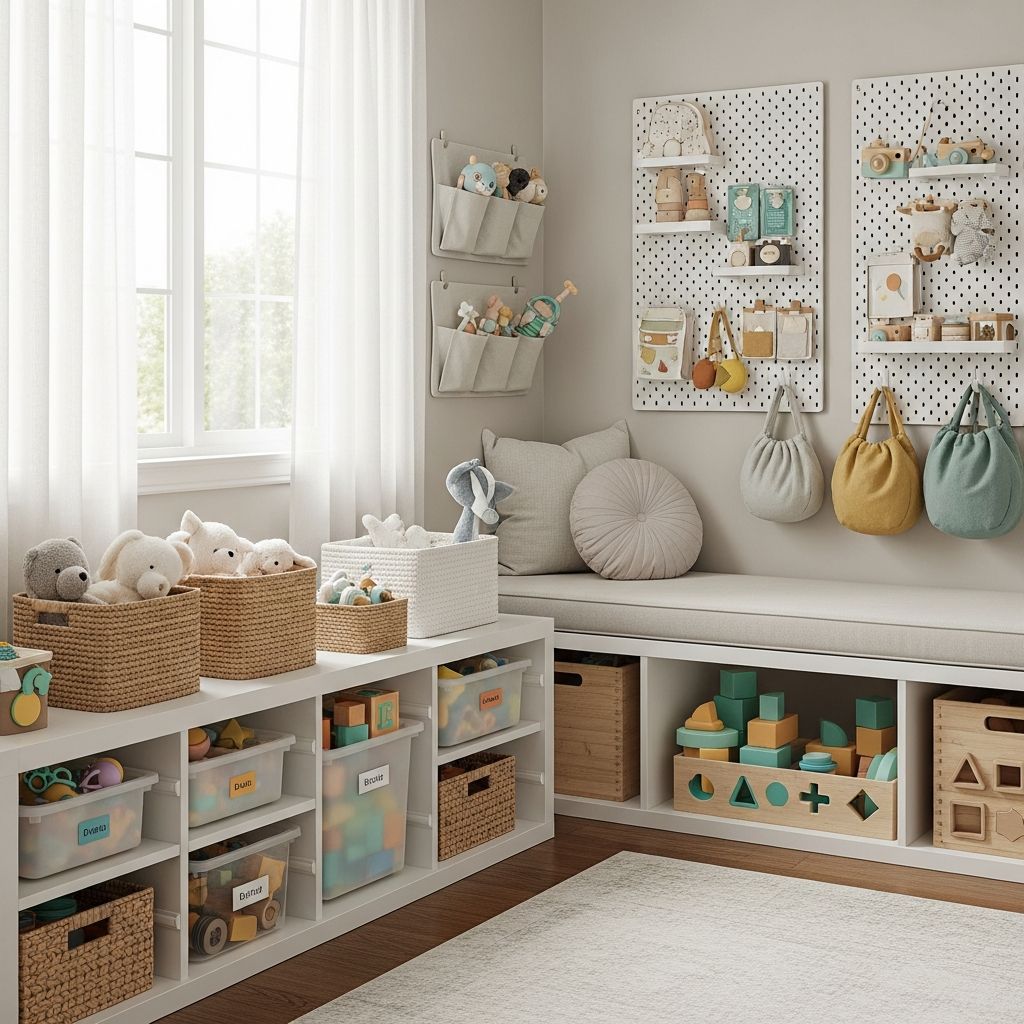
Every dad starts out with big ideas and hardly any experience. Over time, the most valuable parenting lessons usually come from trial, error, and a lot of reflection. This guide brings together those hard-learned insights into clear, practical advice you can start using today.
Instead of promising perfection, this article focuses on realistic, human parenting: building a strong relationship with your kids, staying connected to your partner, and keeping your own sanity intact along the way.
1. Parenting Starts With Knowing Yourself
Parenting advice usually focuses on kids, but one of the most important variables is you. Your temperament, stress level, and expectations shape almost every interaction with your child.
1.1 Why Self-Awareness Matters
Children absorb not just what you say, but how you say it and how you live it. When you understand your own triggers and patterns, you are far less likely to parent on autopilot and more likely to respond with intention instead of impulse.
- Notice recurring conflict moments: bedtime, homework, mornings, or mealtimes.
- Ask yourself what you bring into those moments: tiredness, distraction, or unrealistic expectations.
- Make one small change in your own behavior before expecting your child to change theirs.
1.2 Emotional Regulation Is a Superpower
Kids borrow your nervous system. When you consistently react with volume, sarcasm, or anger, they learn to match that energy. When you show calm under pressure, they eventually learn that response, too.
A simple framework many dads find helpful is: pause, breathe, label, act. Pause for two seconds, take one slow breath, name what you are feeling in your head (“frustrated,” “worried”), then choose your response instead of firing off the first reaction.
2. See the Kid in Front of You, Not the One in Your Head
Most parents carry a mental image of the child they expected: maybe super athletic, ultra-polite, or effortlessly academic. Real kids rarely match that script perfectly. Learning to parent the actual child in front of you is one of the most freeing shifts you can make.
2.1 Trade Expectations for Curiosity
When your child’s interests or temperament clash with your plans, the instinct is to push harder. Instead, try getting curious. Ask more questions than you give commands for a day and see what you learn about how they think.
- Replace “Why aren’t you more like…” with “What do you like about…?”
- Notice when you compare your child to siblings, cousins, or friends, even silently.
- Schedule one-on-one time to explore something they choose, even if it is not your thing.
2.2 Different Kids Need Different Parenting
If you have more than one child, you already know how different they can be. An approach that motivates one can totally bounce off another. Treating them fairly does not mean treating them identically.
Think about each child in three dimensions: energy level, sensitivity, and independence. The mix of those traits can guide whether they need more structure, more space, more encouragement, or more reassurance from you.
3. Connection First, Discipline Second
Discipline without connection often turns into a power struggle. Connection without boundaries often turns into chaos. The sweet spot is giving guidance anchored in a strong, trusting relationship.
3.1 Rethinking Punishment
Fear-based discipline might stop a behavior in the moment, but it usually teaches kids to hide mistakes, not to understand them. Over time, this erodes honesty and openness, especially as kids get older and stakes get higher.
A more effective angle is to treat misbehavior as missing skills, not broken character. The question shifts from “How do I punish this?” to “What skill is my child missing here, and how do we practice it?”
3.2 Natural and Logical Consequences
Consequences make the most sense to kids when they are clearly linked to their choices. This mirrors the real world and quietly teaches responsibility.
| Situation | Unhelpful Response | More Helpful Consequence |
|---|---|---|
| Toy thrown and broken | Week-long screen ban | Child helps clean up and contributes to repair or replacement |
| Homework ignored | Early bedtime for a week | Child uses free time to complete missed work with some guidance |
| Rough play hurts sibling | Instant room confinement | Check on sibling, offer comfort, and take a break from that game |
4. Time and Attention: All or Nothing Beats Halfway
Children sense when you are only half-there. A distracted “uh-huh” while scrolling your phone registers as rejection more than reassurance. You do not need endless hours; you need consistent, high-quality moments.
4.1 The Power of Focused Micro-Moments
Five fully present minutes can carry more weight than an hour of half-distracted hanging out. Short, intentional bursts of attention are realistic for busy parents and incredibly meaningful for kids.
- Make eye contact when they start a story, even if you can only listen for a short period.
- Put your phone in another room during meals or bedtime routines.
- Create one simple daily ritual: a question of the day, a short walk, or a shared joke.
4.2 When You Truly Cannot Engage
There will be times when you cannot give any attention at all: a work call, a crisis, or pure exhaustion. In those moments, being honest is kinder than pretending to listen.
Try a calm, clear script such as: “I want to hear this, but I cannot concentrate right now. Give me ten minutes and then you have my full attention.” Follow through, and your child will learn that waiting does not mean being dismissed.
5. Long Game Parenting: Thinking 10 Years Ahead
It is easy to get stuck in short-term battles: the messy room, the late bedtime, the forgotten lunch. Stepping back and asking, “Who am I helping this child become over the next decade?” changes how those moments feel.
5.1 Focusing on Character Over Compliance
Obedience might make today quieter, but qualities like courage, empathy, and honesty shape your child’s entire future. Parenting for character means using everyday moments to reinforce the values you care about most.
- When they tell the truth about a mistake, notice the honesty before addressing the problem.
- Point out small acts of kindness, persistence, or responsibility you see in them.
- Share stories from your own life where your values were tested and how you handled it.
5.2 Picking the Right Battles
Not every hill is worth dying on. Some fights are about your comfort, not your child’s growth. Learning to distinguish between safety, respect, and pure preference can dramatically reduce conflict at home.
| Question | What It Reveals |
|---|---|
| Is this about safety or health? | Non-negotiable boundaries usually belong here. |
| Does this affect someone else’s rights or well-being? | Issues involving respect, property, or kindness matter. |
| Is this only about my convenience or image? | These can often be relaxed or negotiated. |
6. Marriage and Partnership: The Quiet Foundation
Parenting does not happen in a vacuum. The way you treat your partner becomes the invisible script your children absorb about love, conflict, and teamwork. Protecting the relationship is not “extra”—it is part of parenting.
6.1 Staying a Team When You Disagree
No two adults agree on every parenting decision. The goal is not perfect alignment; it is respectful collaboration. Presenting a united front in front of the kids while negotiating differences in private builds stability.
- Avoid correcting or undermining your partner in front of the children.
- Use “we” language when explaining rules: “We decided…” instead of “Mom says…”
- Schedule short check-ins to talk about parenting issues before they boil over.
6.2 Keeping the Couple Alive Inside the Parents
Between diapers, homework, and soccer practice, romance can feel like a luxury. In reality, a strong bond between parents often makes kids feel more secure, not less important.
Small daily gestures—a quick hug in the kitchen, a kind text, a shared laugh after bedtime—keep the connection alive even when date nights are rare. Your kids are quietly watching what partnership looks like.
7. Fatherhood and Vulnerability
Many men grow up with the message that being a dad means being tough, unshakable, and always in control. Children, however, benefit from seeing that strength can coexist with softness, fear, and even tears.
7.1 Showing Your Human Side
When you calmly admit, “I am feeling overwhelmed right now” or “I made a mistake,” you teach your kids that emotions are manageable and that people can repair when they slip up. This builds psychological safety at home.
- Apologize when you overreact instead of pretending nothing happened.
- Use feeling words around your kids: nervous, proud, disappointed, relieved.
- Share age-appropriate stories about times when you struggled and learned.
7.2 Listening as an Act of Strength
Listening without instantly fixing is difficult for many dads. Yet, kids often want understanding more than solutions. When you sit with their feelings instead of rushing to give answers, you build trust that lasts into the teen years.
A useful phrase is: “Do you want help fixing this, or do you just want me to listen?” Let them decide, and respect the answer.
8. Practical Daily Habits That Make Parenting Easier
Big ideas matter, but parenting is lived in the details of ordinary days. A few small habits can reduce chaos and create a calmer, more predictable environment for everyone.
8.1 Routines That Work for Real Families
Routines do not have to be rigid schedules. Think of them as reliable patterns: consistent enough to feel safe, flexible enough to survive real life. The key is repeating the same sequence more often than not.
- Morning: wake, dress, breakfast, quick check-in about the day, out the door.
- After school: snack, decompress, homework, play, then screens if appropriate.
- Evening: dinner, cleanup together, wind-down activity, bedtime routine.
8.2 Shared Responsibilities and Kid Participation
Kids gain confidence when they know they contribute to the family. Chores are not just about getting work done; they are about giving children a sense of competence and belonging.
| Approximate Age | Possible Tasks |
|---|---|
| 3–5 years | Put toys in bins, carry dirty clothes to hamper, help feed pets with supervision |
| 6–9 years | Set the table, water plants, pack part of their lunch, wipe surfaces |
| 10–13 years | Help cook simple meals, take out trash, manage laundry steps, assist younger siblings |
| 14+ years | Plan a simple meal, mow the lawn, manage personal schedule, assist with family errands |
9. Letting Go of the Illusion of Perfect Parenting
There will always be one more article to read, one more method to try, one more standard you feel you are not meeting. Experienced dads eventually realize that “good enough, consistently” beats “perfect, occasionally.”
9.1 Redefining Success as a Parent
Success is not a spotless home or kids who never roll their eyes. It looks more like a home where everyone feels safe to be themselves, mistakes can be talked about, and love is shown more often than frustration.
- Ask yourself at the end of hard days: “Did my child feel loved and safe?”
- Notice small wins instead of only cataloging failures.
- Recognize that your presence, even in your imperfect form, matters more than any hack.
9.2 Giving Yourself the Same Grace You Give Your Kids
You tell your children that learning takes time, that everyone messes up, and that tomorrow is a new chance. Believing this about your own parenting is just as important. Growth as a dad is not a straight line; it is a long, winding path.
When you slip, repair. When you lose your temper, reconnect. When you are tired, rest. Then get up again and try a little better, not perfect.
Frequently Asked Questions About Real-World Parenting
How much time should I actually spend with my kids each day?
There is no universal number that works for every family. What matters most is reliability and quality: predictable moments in the day when your kids know they truly have your attention, even if those windows are short.
What do I do when my partner parents very differently from me?
Start by assuming positive intent: both of you likely want what is best for the kids. Choose one or two key issues to align on first (bedtime, screens, manners), discuss them calmly away from the children, and agree on shared language. On lower-stakes issues, it is okay if you each have slightly different styles, as long as respect remains intact.
How can I discipline without feeling like the “bad guy” all the time?
Discipline feels less adversarial when it is framed as coaching rather than controlling. Explain the “why” behind rules, involve kids in problem-solving, and highlight what they did right before addressing what went wrong. Over time, they will experience you less as an enforcer and more as a guide.
What if I feel like I have already made too many mistakes?
Every experienced parent has seasons they wish they could redo. The most powerful repair tool you have is an honest conversation: acknowledge what you would like to do differently, express your love clearly, and commit to one small change going forward. Children are far more forgiving than most adults give them credit for.
How do I stay connected with my kids as they become teenagers?
Connection with teens looks different but rests on the same foundations: respect, listening, and presence. Stay curious about their world, offer guidance without constant judgment, and keep inviting them to spend time with you—even when they sometimes decline. Consistent invitations signal that your door, and your heart, remain open.