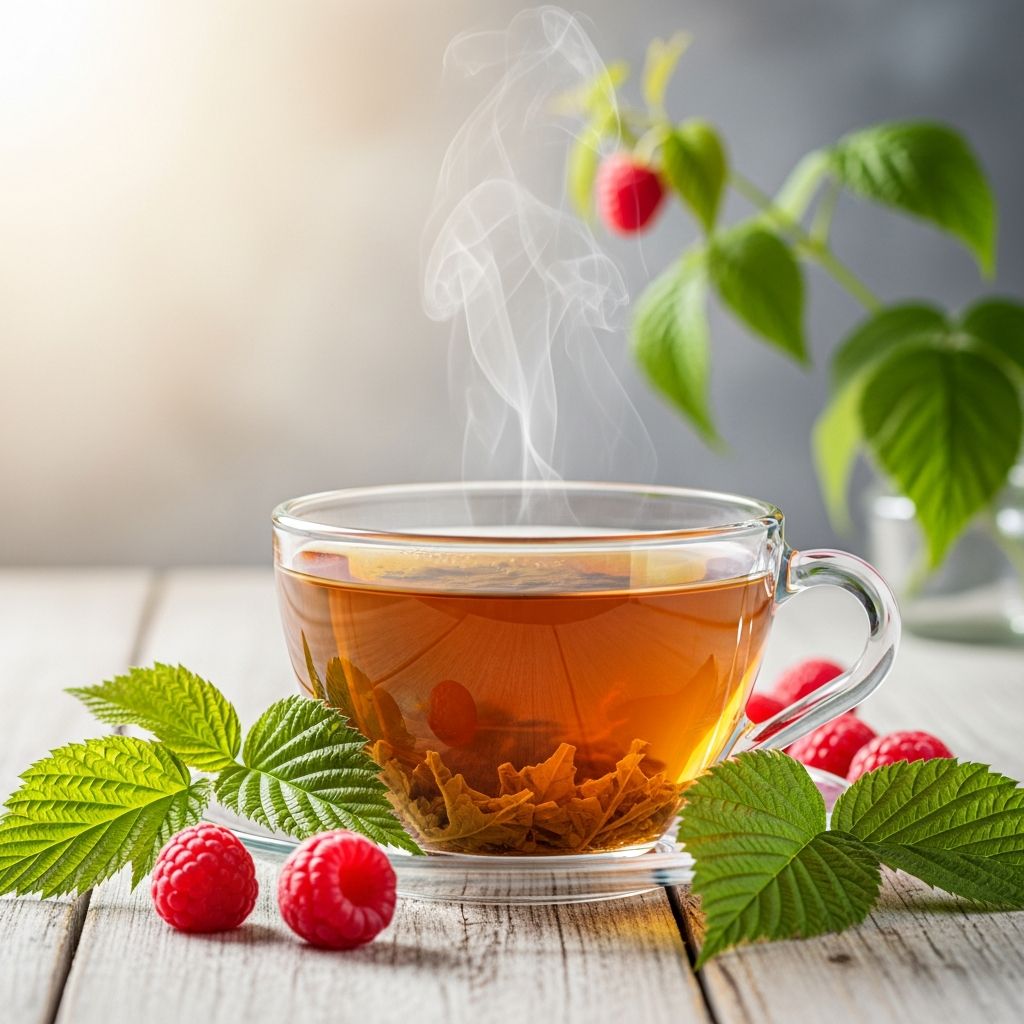
Raspberry leaf tea, derived from the leaves of the red raspberry plant (*Rubus idaeus*), has been a staple in traditional midwifery for centuries, often recommended to support women’s health during pregnancy and labor. Proponents suggest it tones uterine muscles, potentially leading to more effective contractions and smoother deliveries. While anecdotal evidence abounds, scientific studies present a mixed picture, with some indicating modest benefits and others showing limited impact. This article delves into the origins, purported advantages, research findings, practical usage tips, and critical safety considerations for incorporating this herbal remedy into a prenatal routine.
Historical Roots and Traditional Applications
The use of raspberry leaf tea traces back to ancient herbal practices in Europe and Native American traditions, where it was valued for its gentle effects on female reproductive health. Midwives historically brewed it to ease menstrual discomfort, support fertility, and prepare the body for childbirth. In pregnancy, it was thought to fortify the womb, making contractions more coordinated and reducing postpartum bleeding risks. Today, it’s popular among natural birth enthusiasts, often sipped in the third trimester to align with the body’s natural labor preparation phase.
Traditional wisdom highlights its role beyond labor: alleviating nausea in early pregnancy, soothing leg cramps, and providing hydration with added nutrients like vitamins C and E, iron, and magnesium. These minerals contribute to overall maternal wellness, though they are present in modest amounts compared to a balanced diet.
Potential Advantages for Maternal and Fetal Health
Many expectant parents turn to raspberry leaf tea for its holistic support. Key claimed benefits include:
- Uterine Tonification: Believed to strengthen smooth muscle fibers in the uterus, promoting efficient contractions without overstimulation.
- Labor Duration Reduction: Some users report shorter active labor phases, particularly the pushing stage.
- Fewer Interventions: Potential to decrease reliance on forceps, vacuum extraction, or cesarean sections.
- Symptom Relief: May ease morning sickness, Braxton Hicks contractions, and general discomforts.
- Postpartum Support: Anecdotally aids in quicker uterine involution after birth.
Nutritionally, the tea offers antioxidants that combat oxidative stress, common in late pregnancy, potentially benefiting both mother and baby.
Examining the Scientific Evidence
Research on raspberry leaf tea remains preliminary, with small-scale trials and reviews providing intriguing but inconclusive data. A 2001 randomized controlled trial involving raspberry leaf tablets found no adverse effects and suggested a shorter second stage of labor, alongside fewer forceps deliveries. Similarly, a 2024 study of 91 participants noted that those consuming raspberry leaf experienced shorter labors and higher rates of vaginal births with reduced interventions like epidurals or cesareans.
However, broader reviews temper enthusiasm. A 2023 analysis indicated no significant labor process improvements and potential delays in cervical ripening. Evidence Based Birth’s comprehensive review of randomized trials found no strong links to labor shortening, induction prevention, or cesarean reduction, though some animal and tissue studies hint at muscle-relaxing effects at high doses. A PMC article on biophysical effects confirms frequent use for uterine toning but calls for larger efficacy trials.
Conflicting results may stem from variations in dosage, preparation (tea vs. capsules), timing, and participant health profiles. Women with prior prolonged labors might self-select this remedy, skewing outcomes. Overall, while safe, robust evidence for transformative benefits is lacking; it’s best viewed as a supportive, not primary, tool.
How to Incorporate Raspberry Leaf Tea Safely
| Trimester | Recommended Start | Dosage Guidelines | Preparation Tips |
|---|---|---|---|
| First | Avoid or minimal | 0-1 cup/day (consult provider) | Steep loosely if used for nausea |
| Second | Optional, low dose | 1 cup/day | Monitor for tolerance |
| Third (32+ weeks) | Common start | 1-3 cups/day, up to 9g dried leaf | Boil 1-2 tsp per cup, 10-15 min |
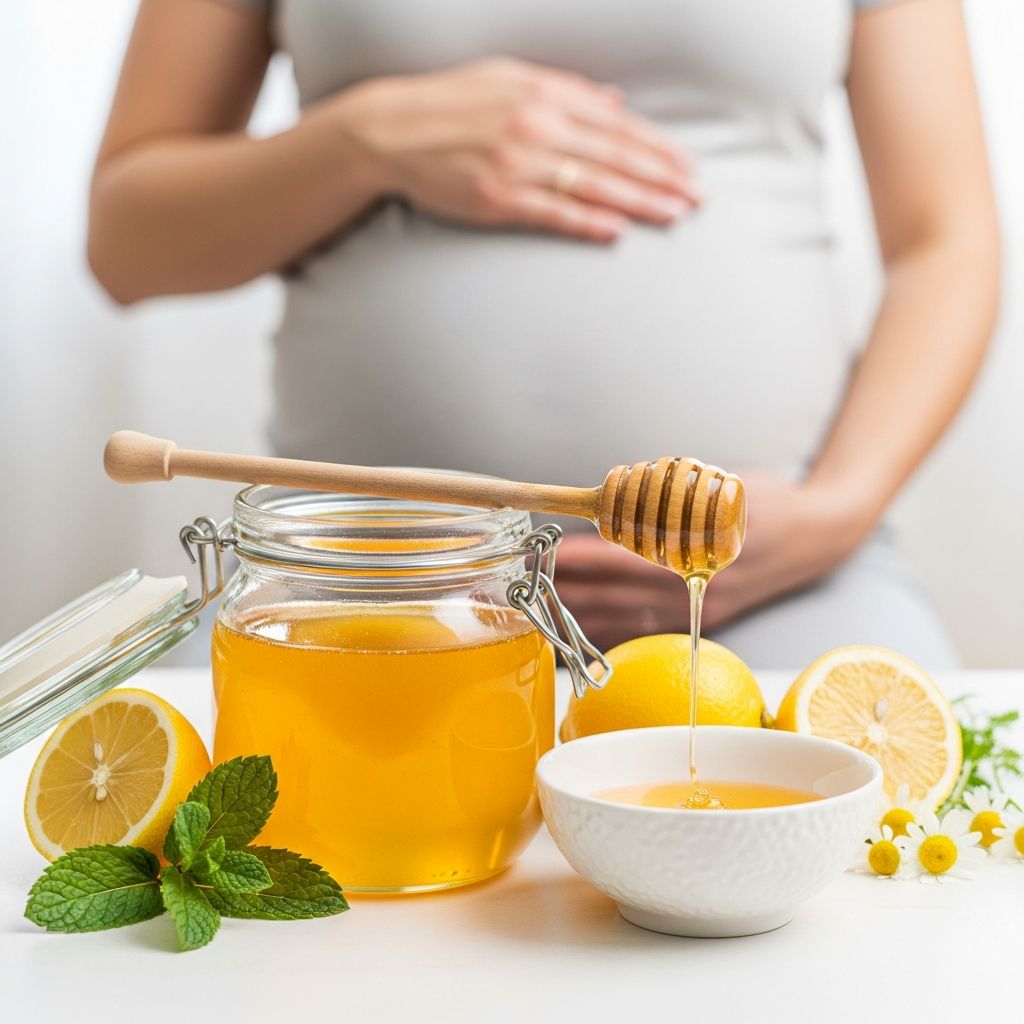
Begin with one cup daily around 32 weeks, gradually increasing to avoid digestive upset. Organic, loose-leaf varieties ensure purity. Flavor with honey or lemon for palatability. Capsules offer convenience but verify third-party testing for contaminants.
Risks, Side Effects, and Who Should Avoid It
Generally recognized as safe by herbal standards, raspberry leaf tea carries low risk for most. Mild side effects include loose stools, nausea, or Braxton Hicks intensification—discontinue if contractions mimic true labor. Theoretical concerns involve uterine overstimulation in high doses, though human studies show no such incidents.
Contraindications include:
- Preeclampsia or gestational hypertension
- History of rapid labors or prior c-sections
- Multiples pregnancy
- Allergies to berries in Rosaceae family
- Concurrent uterine stimulants (e.g., castor oil)
Always consult an obstetrician or midwife before starting, especially with medications, as interactions with blood thinners or hormones are possible. No evidence suggests harm to baby, with normal Apgar scores and no NICU increases in studies.
Comparing Raspberry Leaf Tea to Other Prenatal Herbs
| Herb | Main Use | Evidence Level | Safety Profile |
|---|---|---|---|
| Raspberry Leaf | Uterine tone, labor prep | Moderate/mixed | High |
| Ginger | Nausea relief | Strong | High |
| Evening Primrose Oil | Cervical ripening | Low | Moderate |
| Red Clover | Hormonal balance | Limited | Caution (estrogenic) |
Raspberry leaf stands out for its uterine focus, contrasting ginger’s antiemetic strength or evening primrose’s cervical effects. Combining herbs requires professional guidance to prevent interactions.
Real Experiences from Expectant Parents
Anecdotes enrich the data: Many report stronger, more rhythmic contractions after consistent use, with some crediting it for unmedicated births. Others note no difference but appreciate the ritualistic comfort. Forums and birth stories emphasize mindset—viewing it as body preparation rather than a miracle cure enhances satisfaction.
Expert Perspectives on Integration
Midwives and doulas often endorse it from 36 weeks, paired with prenatal yoga or acupuncture for comprehensive prep. OBGYNs urge evidence-based caution, prioritizing it as adjunct to medical care. Nutritional therapists highlight its hydration value in late pregnancy.
Frequently Asked Questions
Can raspberry leaf tea induce labor?
No, it does not reliably start labor but may enhance uterine efficiency once underway.
Is it safe in the first trimester?
Limited data; best avoided unless advised for nausea. Consult your provider.
How much is too much?
Stick to 3 cups/day max; excess may cause GI issues.
Does it affect breastfeeding?
No negative impacts reported; some use it postpartum for milk supply.
Can men drink it for fertility?
Limited evidence, but antioxidants may support sperm health anecdotally.
Conclusion: A Balanced Approach
Raspberry leaf tea offers a low-risk, potentially supportive option for pregnancy, best integrated thoughtfully under guidance. While not a panacea, its tradition and emerging evidence make it a worthwhile consideration for natural-minded families. Prioritize whole foods, movement, and professional prenatal care for optimal outcomes.
References
- Red Raspberry Leaf Tea Pregnancy Benefits and Risks — The Bump. 2023. https://www.thebump.com/a/red-raspberry-leaf-tea
- Evidence on Red Raspberry Leaf Tea for Natural Labor Induction — Evidence Based Birth. 2023. https://evidencebasedbirth.com/ebb-139-red-raspberry-leaf-tea/
- Red Raspberry Leaf Tea: Potential Health Benefits and Cautions — Healthline. 2024. https://www.healthline.com/nutrition/red-raspberry-leaf-tea
- Biophysical effects, safety and efficacy of raspberry leaf use in pregnancy — PMC (PubMed Central). 2021-02-18. https://pmc.ncbi.nlm.nih.gov/articles/PMC7871383/
- Benefits of Raspberry Leaf Tea when Pregnant — Birthly. 2023. https://www.mybirthly.com/blog/benefits-of-raspberry-leaf-tea-when-pregnant