Understanding Natural Labor Preparation Approaches
As pregnancy progresses toward its final weeks, expectant parents often seek ways to naturally encourage labor onset. Unlike medical interventions that employ pharmaceutical agents or mechanical procedures, natural approaches work in harmony with the body’s biological processes to prepare for delivery. These methods have been explored across cultures and generations, though modern medicine now distinguishes between traditional practices and those supported by clinical research.
The distinction between natural stimulation and medical induction is significant. Medical labor induction typically involves pharmaceutical administration or mechanical interventions that can lead to delivery within 24 hours but carry elevated risks of complications such as uterine overstimulation. Natural methods, by contrast, encourage the body to progress toward labor through gentler mechanisms like physical positioning, movement, dietary choices, and gentle stimulation. Before attempting any labor induction approach, consultation with your healthcare provider remains essential, particularly once you have reached at least 39 weeks of gestation.
Physical Activity and Movement Strategies
One of the most accessible and well-researched natural approaches involves regular physical activity. Walking emerges as a particularly effective method, with research demonstrating that 30 minutes of walking three times weekly at a pace of 2.5 miles per hour beginning at week 38 of pregnancy can support labor initiation. This moderate-intensity activity encourages optimal fetal positioning by utilizing gravity and improving maternal circulation, both of which facilitate the body’s natural progression toward labor.
Beyond simple walking, several other movement-based techniques can support labor preparation:
- Pelvic tilts: While lying on your back with knees bent and feet flat on the ground, gently lift your pelvis, hold the position for approximately 10 seconds, then slowly lower. This exercise strengthens core muscles and encourages proper pelvic alignment.
- Birth ball exercises: Sitting on a stability ball and performing slow hip circles for 5 to 10 minutes promotes pelvic mobility and may assist with fetal descent into the birth canal.
- Stationary squats: Standing with your back supported against a wall and feet positioned shoulder-width apart, slowly lower into a squat position. This movement opens the pelvic outlet and uses gravity to encourage baby positioning.
- Curb walking: Walking with one foot positioned on a curb or low step while the other remains on the ground creates an asymmetrical gait that may promote pelvic engagement.
The underlying mechanism of movement-based induction relates to fetal positioning and the body’s response to physical demands. When the baby assumes the optimal head-down presentation deep within the pelvis, natural pressure triggers the release of labor-inducing hormones. Additionally, increased blood flow from physical activity nourishes the uterus and supports optimal uterine function.
Nutritional Strategies and Dietary Approaches
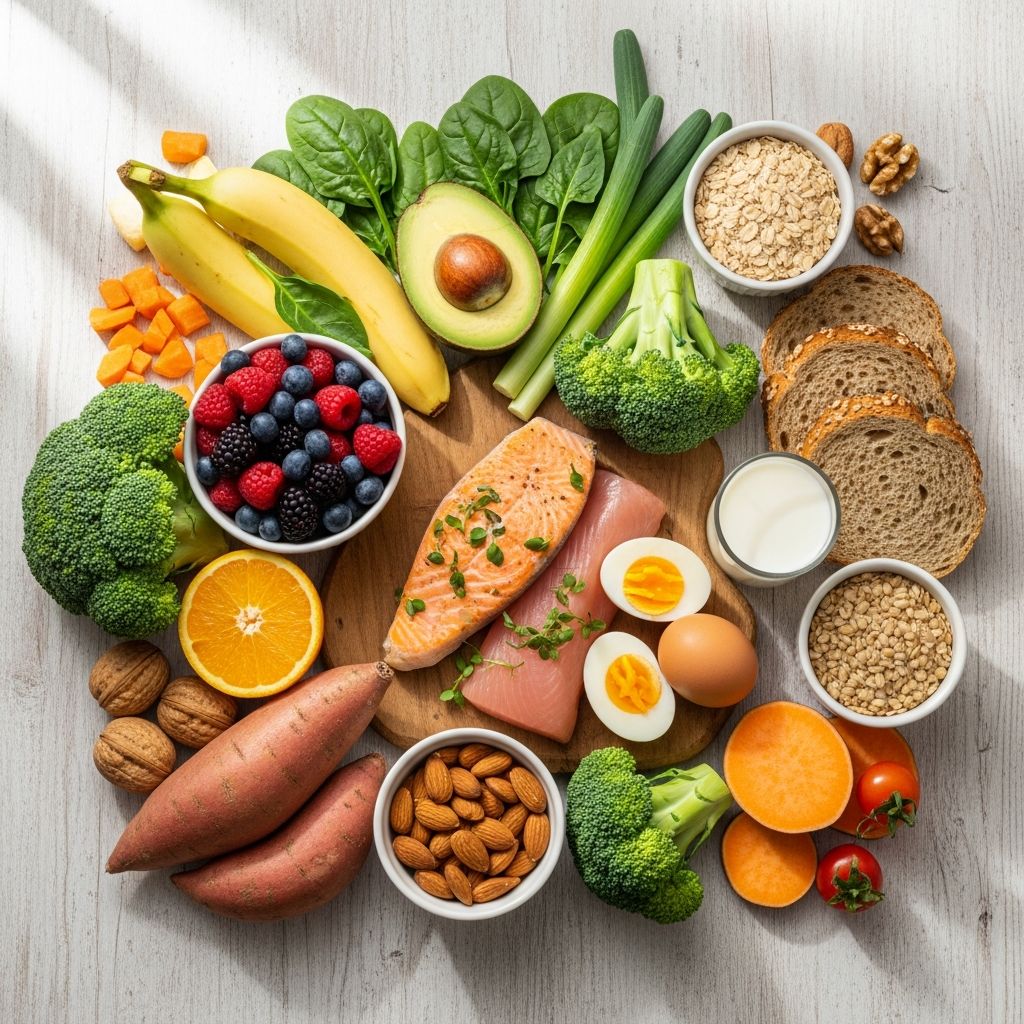
Dietary interventions represent another category of natural labor preparation methods, with certain foods demonstrating evidence-based support. Dates stand out among these options, with research revealing that women consuming six to eight dates daily beginning at week 36 of pregnancy showed increased likelihood of spontaneous labor onset and shortened early labor phases. The proposed mechanism involves compounds within dates that may promote cervical readiness and support uterine responsiveness.
Red raspberry leaf tea offers another dietary approach, traditionally consumed at concentrations of one to three cups daily beginning around week 32. Proponents suggest this herbal infusion strengthens uterine muscle tissue and may reduce overall labor duration, though expectant parents should confirm safety with their healthcare provider before beginning herbal supplementation.
While spicy foods are frequently mentioned in popular labor induction discussions, scientific evidence supporting this approach remains limited. The theory suggests that capsaicin compounds in hot peppers might stimulate bowel activity, which could theoretically trigger uterine contractions through proximity, but this mechanism lacks robust clinical validation.
Hormonal Stimulation Through Physical Contact
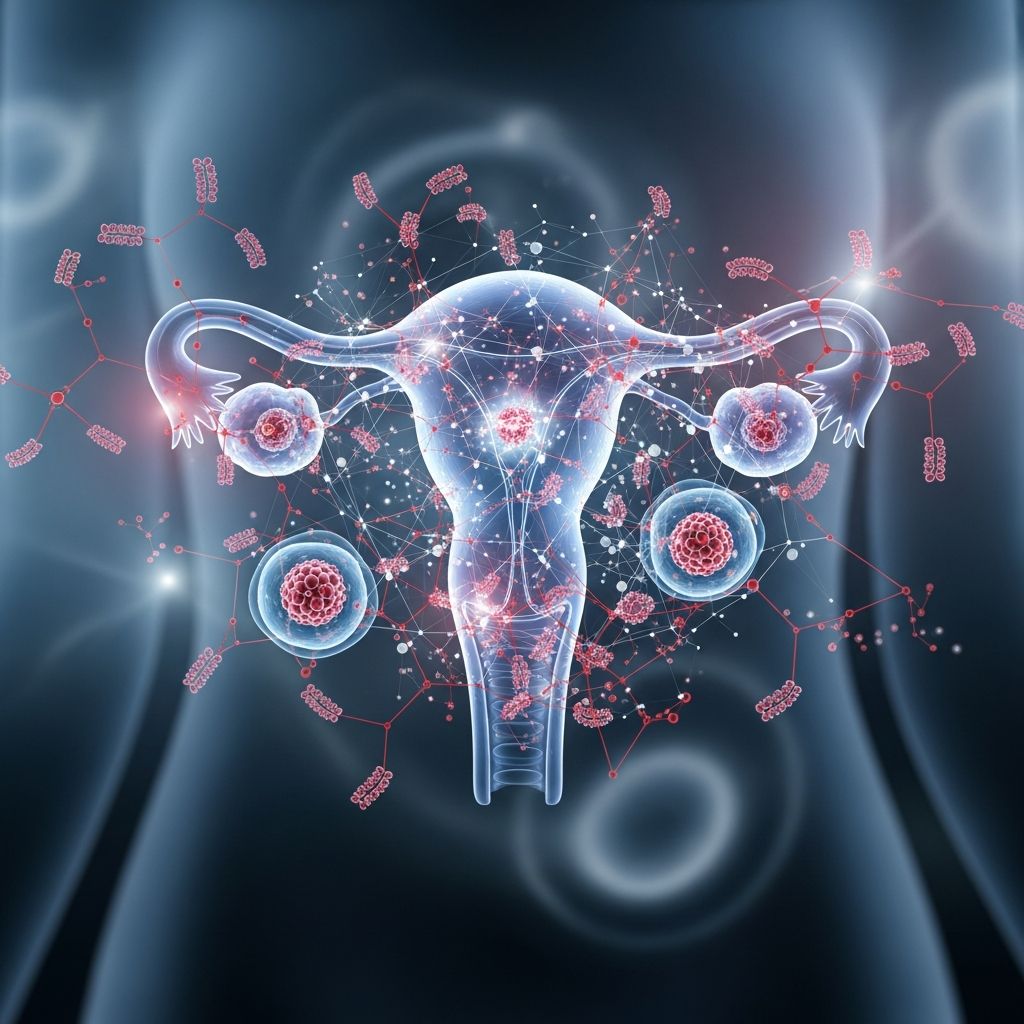
Nipple stimulation represents a more direct physiological approach to labor induction through hormone release. When the nipples receive sustained, gentle stimulation either manually or through breast pump use, this triggers oxytocin production in the body. Oxytocin functions as the primary hormone responsible for uterine contractions, making this approach a direct neurological pathway to labor stimulation.
Research demonstrates that breast stimulation can effectively induce labor, augment existing contractions, and reduce postpartum bleeding when continued for at least three days. However, healthcare providers emphasize that this method requires professional guidance and monitoring. The risks include excessive uterine contractions that could compromise placental blood flow if stimulation proceeds without medical oversight. Healthcare facilities that employ nipple stimulation follow specific protocols including continuous fetal monitoring to ensure safety.
The protocol typically involves 15-minute sessions with breaks between stimulation periods, allowing the body to respond naturally without overstimulation. Medical supervision becomes particularly important because of the potential for rapid escalation from mild contractions to strong, frequent uterine activity that could become uncomfortable or risky without appropriate monitoring.
Intimate Relations and Hormonal Responses
Sexual activity offers multiple pathways through which natural labor induction might occur. When partners engage in intercourse, three distinct physiological mechanisms come into play. First, seminal fluid contains prostaglandins, natural compounds that help soften and prepare the cervix for dilation. Second, physical intimacy promotes skin-to-skin contact and the release of oxytocin through neural stimulation and emotional connection. Third, female orgasm triggers uterine muscle contractions through direct muscular response and hormonal release.
While research has not definitively established sexual activity as a reliable labor induction method, these physiological pathways provide plausible biological mechanisms. Healthcare providers typically recommend ensuring membrane integrity (confirming that the amniotic sac remains unbroken) and verifying that neither partner carries sexually transmitted infections before proceeding with this approach.
Pressure Point Activation and Manual Therapies
Acupressure and acupuncture represent traditional approaches rooted in Eastern medicine that modern research has begun to validate. These techniques work by stimulating specific points on the body that connect through neural pathways to reproductive system function. Key acupressure points for labor support include those located between the ankle bone and Achilles tendon (known as BL60 in traditional medicine), where firm thumb pressure applied for 2 to 3 minutes may support cervical preparation.
Another significant point appears in the dimple of the buttock, where circular massage motions directed toward the buttock center may promote labor readiness. A 2024 research review found that acupuncture may increase the likelihood of spontaneous labor onset and support cervical ripening, though researchers noted the need for expanded studies including diverse participant populations.
These techniques work through activation of the nervous system, potentially promoting relaxation, increasing blood flow to the uterus, and supporting the release of labor-facilitating hormones. When pursued through qualified practitioners trained in prenatal acupressure or acupuncture, these methods offer a non-invasive approach to labor support.
Membrane Sweeping: Professional Intervention at the Borderline
Membrane sweeping occupies a unique position between purely natural approaches and medical interventions. This technique, performed exclusively by healthcare providers once pregnancy has reached 38 weeks and cervical dilation measures two to three centimeters, involves separating the amniotic membrane from the lower uterine segment. This separation may release prostaglandins that encourage cervical ripening and labor initiation.
Unlike purely natural home-based methods, membrane sweeping requires professional medical assessment and execution. Healthcare providers perform this procedure during routine cervical examinations when appropriate conditions exist. Research suggests this approach can reduce the likelihood of post-term pregnancies without producing severe adverse effects comparable to pharmaceutical induction methods.
Methods With Limited or Contraindicated Evidence
While exploring labor induction options, certain approaches warrant caution or avoidance. Castor oil, for instance, demonstrates some research suggesting labor initiation in 54% to 58% of women within 24 hours, but it achieves results through bowel stimulation that produces unpleasant side effects including nausea, headache, and diarrhea. This method also poses risks for individuals taking anticoagulant medications and may lead to dangerous intestinal complications. Most healthcare providers recommend avoiding castor oil except under specific medical guidance.
Evening primrose oil presents another option with mixed evidence. Research supports vaginal application over oral consumption, but prospective parents should discuss any herbal supplementation with their provider before beginning.
Comparison of Natural Labor Induction Methods
| Method | Recommended Timing | Potential Benefits | Safety Considerations |
|---|---|---|---|
| Walking | 30 minutes, 3x weekly at 2.5 mph from week 38 | Promotes optimal fetal positioning; enhances circulation | Safe for most pregnancies; low-risk activity |
| Date consumption | 6-8 dates daily from week 36 onward | Supports cervical readiness; shortens early labor | Monitor for allergic reactions; discuss with provider |
| Nipple stimulation | 15-minute sessions with breaks; requires monitoring | Triggers oxytocin release; may reduce hemorrhage | Requires medical supervision; risk of overstimulation |
| Acupressure | Guided sessions with qualified practitioner | Promotes relaxation; supports cervical preparation | Choose certified practitioners; generally safe |
| Sexual activity | Once membranes verified intact | Releases oxytocin and prostaglandins naturally | Confirm membrane integrity; exclude infections |
Safety Guidelines and Medical Consultation
Before initiating any natural labor induction method, expectant parents must understand that timing significantly influences both safety and efficacy. Medical guidelines generally recommend waiting until at least 39 weeks of gestation before attempting labor induction through any method. Attempting induction before this point risks complications including prematurity and reduced fetal maturity.
Healthcare provider consultation remains non-negotiable before beginning any induction approach. Your provider understands your specific pregnancy circumstances, any risk factors present, and which methods align with your individual health profile. Certain conditions may contraindicate specific approaches—for instance, individuals with placental complications or fetal concerns may not be appropriate candidates for some techniques.
Additionally, recognize that natural methods typically progress more gradually than pharmaceutical interventions. The timeline for labor onset remains unpredictable; some women experience labor initiation within days of beginning these approaches, while others see no change despite consistent effort. This variability reflects the complex interplay of individual biological factors that determine labor readiness.
Frequently Asked Questions
At what week of pregnancy can I safely attempt natural labor induction?
Healthcare providers generally recommend waiting until at least 39 weeks of gestation before attempting labor induction through natural methods. This timing allows for adequate fetal development and maturity while reducing risks associated with premature delivery.
Are natural labor induction methods guaranteed to work?
No method guarantees labor onset. Natural approaches work with the body’s biological processes and may take varying amounts of time or prove ineffective for some individuals. The success of these methods depends on numerous factors including overall pregnancy health, cervical readiness, and individual physiology.
Can I combine multiple natural induction methods?
Yes, many individuals use combinations of approaches such as regular walking plus dietary adjustments plus acupressure sessions. However, discuss any multi-method approach with your healthcare provider to ensure all selected methods complement each other safely.
Which natural method has the strongest research support?
Walking and date consumption both demonstrate solid research evidence. Breast stimulation also shows promising results when performed under medical guidance for adequate duration. These methods represent the most evidence-backed natural approaches available.
What are the main risks of nipple stimulation for labor induction?
Without medical monitoring, nipple stimulation can trigger excessive uterine contractions that occur too frequently or intensely. This overstimulation can reduce placental blood flow and create unsafe conditions. Medical supervision with continuous fetal monitoring is essential for this method.
Should I avoid sexual activity during late pregnancy?
Sexual activity during late pregnancy is generally safe when membranes remain intact and neither partner carries sexually transmitted infections. This activity may provide natural labor support through multiple hormonal and physical mechanisms.
References
- Natural Labor Stimulation Techniques: An Evidence-Based Review — Americord Blood Bank. https://www.americordblood.com/articles/natural-labor-stimulation-techniques-an-evidence-based-review
- Inducing Labor Naturally: What Works and What Doesn’t — Banner Health. https://www.bannerhealth.com/healthcareblog/advise-me/inducing-labor-naturally-what-works-and-what-doesnt
- 6 Natural Ways to Induce Labor — Healthline. https://www.healthline.com/health/pregnancy/natural-ways-to-induce-labor
- Natural Methods of Inducing Labor — Nebraska Medicine. https://www.nebraskamed.com/health/conditions-and-services/pregnancy-and-birth/natural-methods-of-inducing-labor