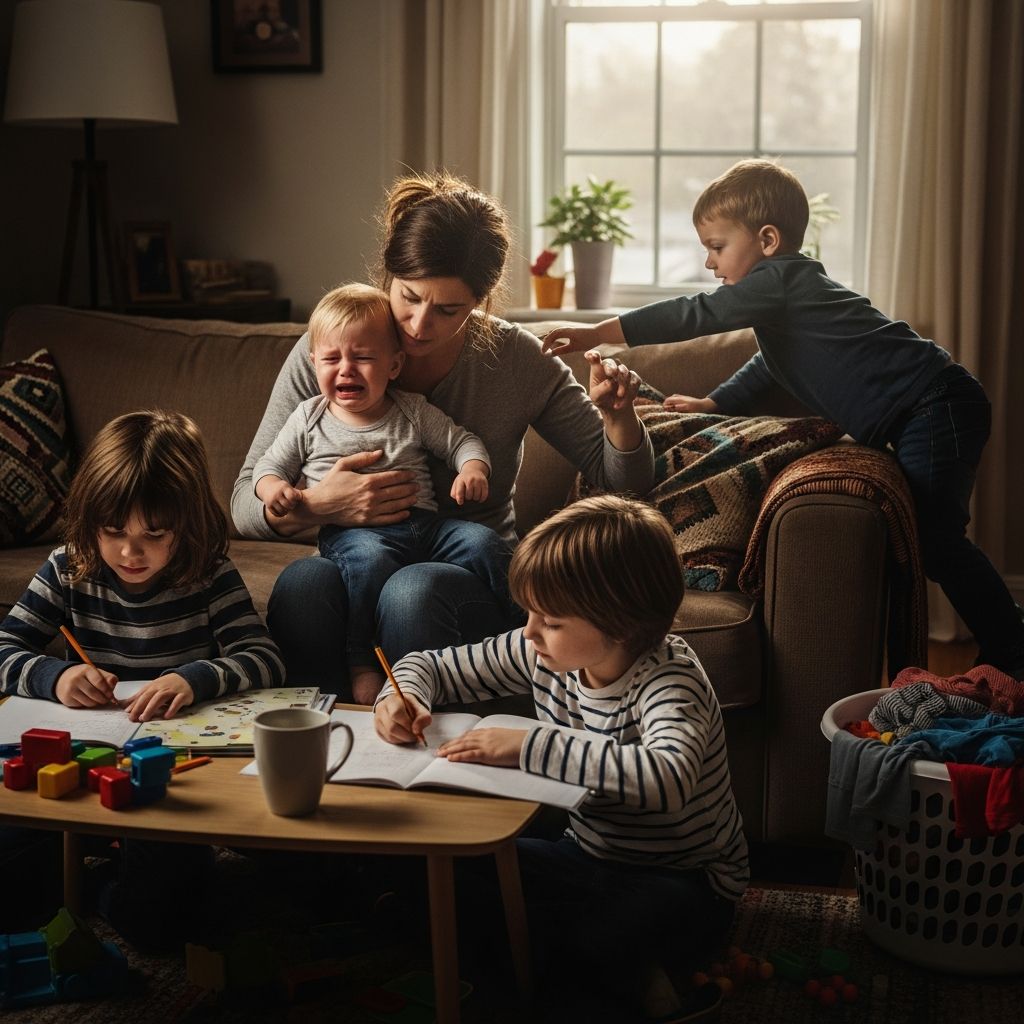
Expanding a family beyond the first child introduces a whirlwind of new experiences that few anticipate fully. While the joys multiply, so do the complexities, creating a dynamic household full of laughter, logistics, and lessons in resilience.
The Emotional Rollercoaster of Growing Your Family
One of the most profound shifts happens emotionally. The initial love for your firstborn feels all-consuming, but adding siblings layers on new depths of affection mixed with unexpected fears. Parents often describe an overwhelming protectiveness that can border on anxiety, wondering if they can love each child equally.
Yet, this bond evolves uniquely. Siblings provide built-in companionship, fostering early social skills and empathy. Research from child development experts highlights how children in multi-child homes learn sharing and conflict resolution naturally, though it requires parental guidance to prevent rivalry.
Daily Logistics: Juggling Schedules and Spaces
Managing multiple children means mastering a calendar packed with activities. From school drop-offs to sports practices, coordination becomes an art form. Families report constant trips to pediatricians, dentists, and extracurriculars, turning minivans into mobile command centers.
- Meal Planning Overhaul: Cooking for varied tastes and ages demands bulk prep and creative menus to satisfy picky eaters.
- Sleep Disruptions Amplify: Night wakings from multiple sources create a relay of exhaustion, yet parents adapt with surprising endurance.
- Space Constraints: Shared bedrooms teach compromise but spark territorial disputes.
To cope, many adopt rotating chore charts and family meetings, turning potential chaos into structured routines.
Financial Realities No One Mentions
The costs escalate exponentially. Diapers, clothes, and gear for each child add up quickly, often straining budgets. A table comparing single vs. multiple child expenses illustrates this:
| Category | One Child (Annual) | Three Children (Annual) |
|---|---|---|
| Clothing | $800 | $2,000 |
| Food | $2,400 | $6,000 |
| Activities | $1,200 | $3,000 |
| Healthcare | $1,500 | $3,500 |
These figures, drawn from family budgeting studies, underscore the need for strategic saving and second incomes. Bulk buying and hand-me-downs become lifelines.
Parental Identity and Partnership Shifts
Individual time shrinks dramatically. Date nights require elaborate planning, and personal hobbies take a backseat. Couples must prioritize communication to prevent resentment, as one partner’s needs might feel neglected amid the demands.
Self-care emerges as crucial. Short walks or quick meditations recharge weary parents. Partnerships strengthen through shared trials, with many reporting deeper intimacy after navigating early chaos.
Sibling Dynamics: Rivalries and Bonds
Interactions among siblings range from playful alliances to fierce competitions. Younger ones idolize elders, accelerating milestones like talking and walking. However, jealousy flares when attention divides.
Strategies for harmony include:
- One-on-one time with each child weekly.
- Family games promoting teamwork.
- Teaching apology rituals for quick resolutions.
Over time, these relationships build lifelong support networks, richer than solo-child experiences.
Health and Body Demands on Parents
For those spacing children closely, the body endures prolonged recovery. Pregnancy hormones linger, breastfeeding overlaps with bottle-feeding, leading to extended fatigue. Nutrition and exercise become battles against time constraints.
According to the Centers for Disease Control and Prevention (CDC), maternal health risks like postpartum depression rise slightly with multiple births, emphasizing prenatal vitamins and mental health check-ins.
The Myth of ‘Easier’ with More Kids
Some claim four or more children simplify life through sheer numbers—kids entertain each other, reducing parental load. While partially true, evidence from family studies shows chaos peaks around three, then plateaus as routines solidify.
Parents of larger families note a surrender to imperfection, focusing on collective joy over individual perfectionism.
Unexpected Joys That Outweigh the Struggles
Beneath the frenzy lie irreplaceable moments: group hugs, spontaneous dance parties, shared achievements. Witnessing sibling pride during milestones—like a big brother teaching letters—fills hearts profoundly.
Long-term, multi-child homes cultivate generosity and adaptability, traits valued in adulthood per longitudinal child studies.
Practical Strategies for Thriving Families
Success hinges on preparation:
- Build a Village: Enlist relatives, friends, or childcare for breaks.
- Tech Tools: Apps for shared calendars and grocery lists streamline operations.
- Flexible Routines: Adapt to ages, allowing nap overlaps.
- Financial Planning: Emergency funds cover surprises like braces.
These tactics transform overwhelm into manageable flow.
Frequently Asked Questions (FAQs)
Is it harder to have three kids than two?
Many parents find the jump to three intensifies logistics, but siblings’ independence eases it over time. Intentional one-on-one attention prevents any child feeling overlooked.
How do you manage sleep with multiple young children?
Coordinated bedtimes, white noise machines, and tag-team parenting help. Surprisingly, adults function on less rest than expected.
Does having more kids strain marriages?
It can if communication lapses, but shared parenting builds stronger bonds. Prioritize weekly check-ins.
What’s the best age gap between kids?
No universal answer—close gaps mean shared stages; wider ones allow recovery. Family readiness trumps ideals.
Can you still travel with multiple kids?
Yes, with portable gear and kid-friendly destinations. Start small to build confidence.
Long-Term Perspectives on Big Family Life
Years in, parents reflect on growth: children develop resilience, families forge unbreakable ties. The chaos fades, leaving cherished memories and proud legacies.
Ultimately, raising multiple children redefines abundance—not in quiet or perfection, but in love’s expansive reach.
References
- FastStats – Maternal Mortality — Centers for Disease Control and Prevention. 2023-10-23. https://www.cdc.gov/nchs/fastats/maternal-mortality.htm
- Pregnancy-Related Deaths — Centers for Disease Control and Prevention. 2024-01-12. https://www.cdc.gov/reproductivehealth/maternalinfanthealth/pregnancy-relatedmortality.htm
- Child Care Costs by State — U.S. Department of Health and Human Services. 2023-11-15. https://www.acf.hhs.gov/occ/research/child-care-desert-report-2023
- Sibling Relationships and Child Development — American Psychological Association. 2022-05-10. https://www.apa.org/monitor/2022/05/special-sibling-relationships
- Family Dynamics in Multi-Child Households — Pew Research Center. 2024-03-20. https://www.pewresearch.org/social-trends/2024/03/20/the-experiences-of-u-s-parents/