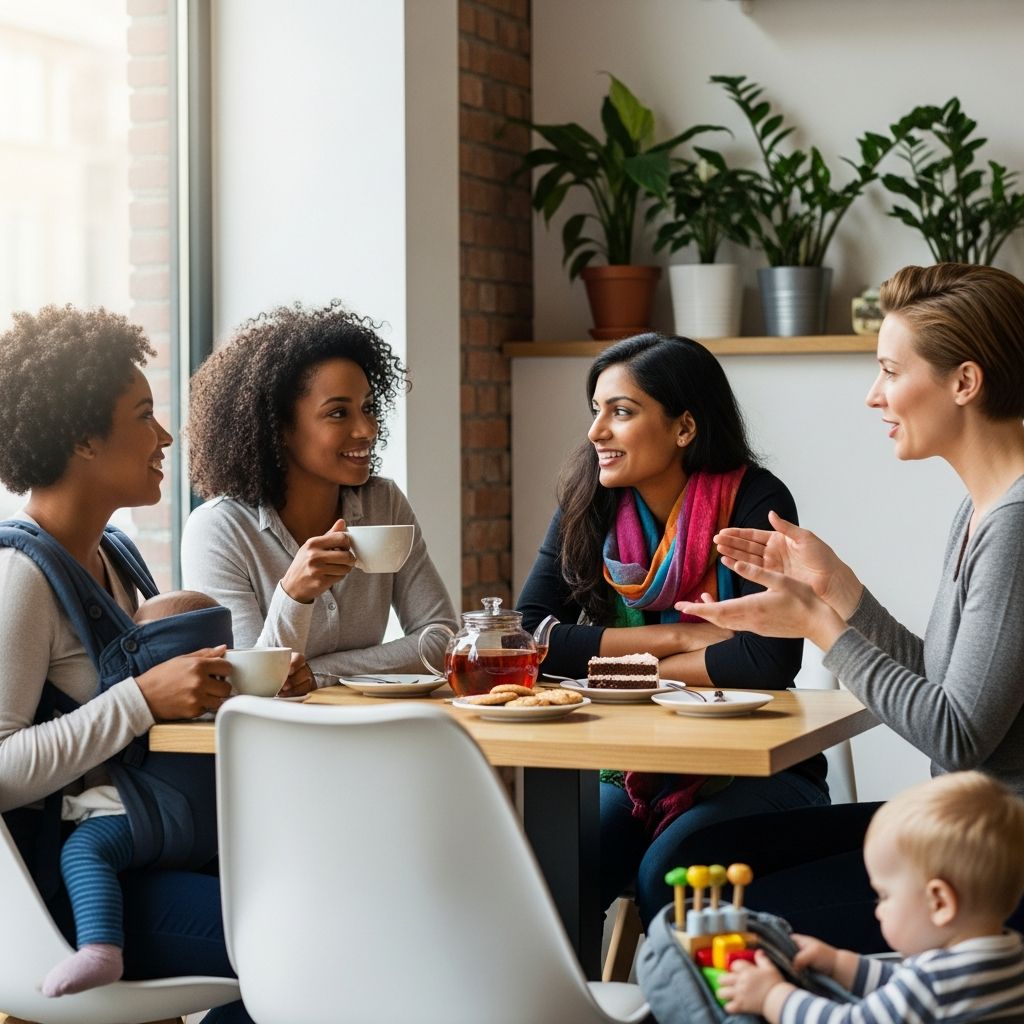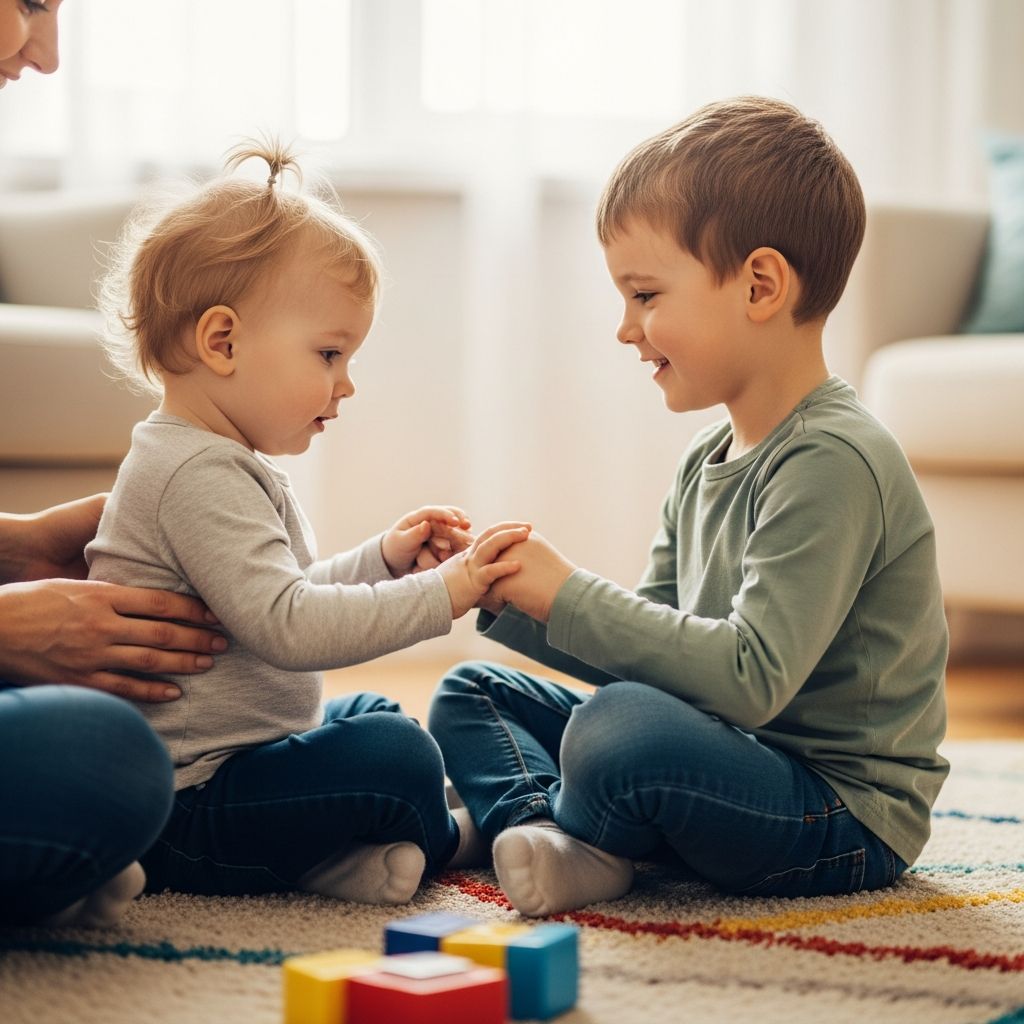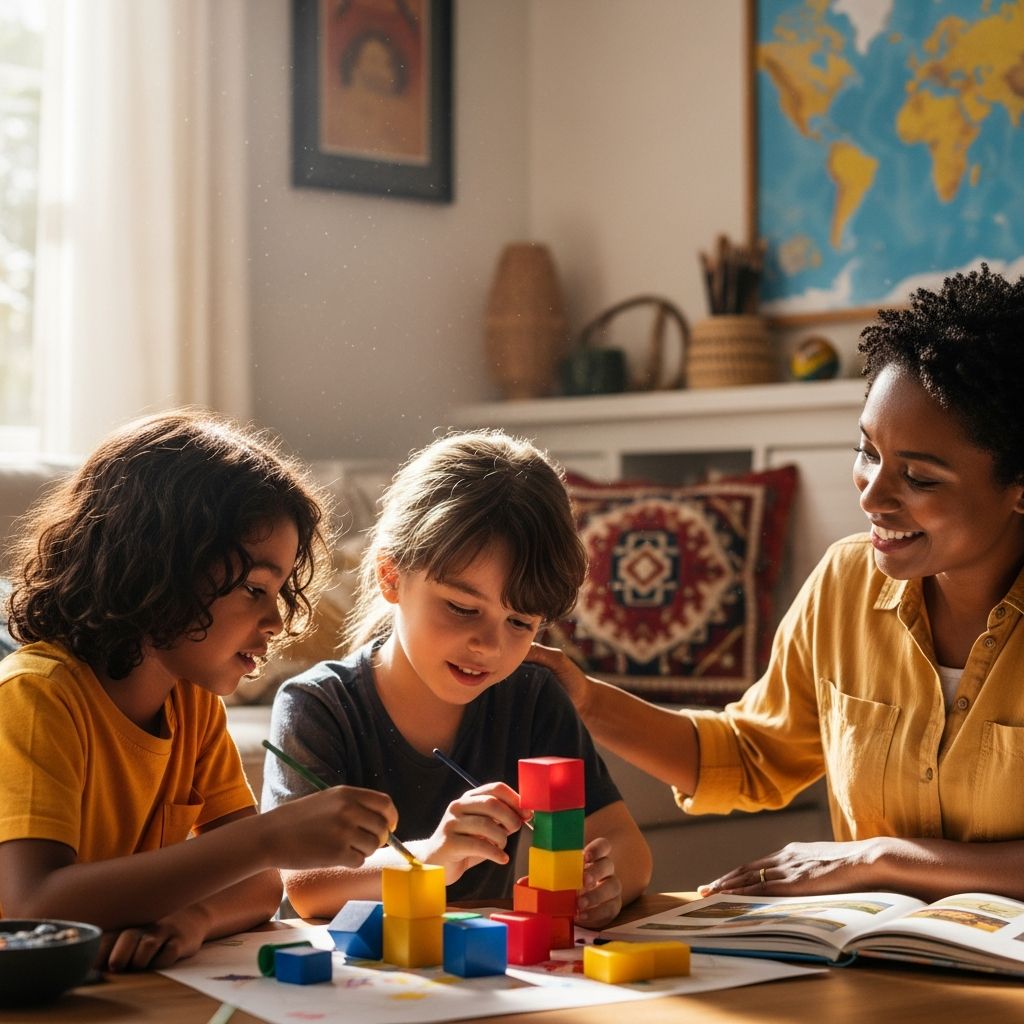
Raising children who bridge two or more cultures offers unique opportunities for growth while presenting distinct hurdles. These young ones develop a rich worldview that equips them with adaptability and insight in an increasingly global society.
The Unique Gifts of Dual Cultural Upbringing
Children exposed to multiple cultural influences from birth gain profound advantages that extend into cognitive, emotional, and social realms. Research indicates that bicultural individuals integrate diverse perspectives fluidly, enhancing their problem-solving abilities. For instance, studies show they exhibit greater cognitive flexibility, allowing them to switch between viewpoints effortlessly.
This exposure also builds empathy, as kids learn to appreciate varied traditions firsthand. They understand that celebrations, family roles, and daily practices differ without one being superior. Such breadth fosters creativity, as children draw from multiple wells of inspiration to form innovative ideas.
- Enhanced Adaptability: Bicultural kids adjust quickly to new environments, a skill vital in today’s mobile world.
- Stronger Self-Esteem: Embracing both heritages prevents identity rejection, leading to balanced emotional health.
- Social Proficiency: They navigate group dynamics with ease, forming connections across divides.
Moreover, parental commitment to celebrating each culture models acceptance, empowering children to own their multifaceted identities without compromise.
Overcoming Common Hurdles in Multicultural Homes
Despite the benefits, bicultural parenting involves navigating tensions. Children may grapple with fitting into peer groups where their blended background stands out, leading to feelings of exclusion. Parents often serve as bridges, explaining nuances to their kids while managing their own cultural differences.
| Challenge | Manifestation | Potential Impact |
|---|---|---|
| Outsider Anxiety | School reluctance, tummy aches, anger outbursts | Emotional withdrawal if unaddressed |
| Peer Dissonance | Teasing over appearance or customs | Identity confusion or suppression |
| Parental Disagreements | Clashing views on discipline or traditions | Child caught in loyalty conflicts |
| Language Embarrassment | Shying from heritage tongue in public | Loss of bilingual fluency |
Generational gaps add complexity, as first-generation parents balance assimilation pressures with heritage preservation. Kids might face expectations to conform to the dominant culture, risking cultural dilution. Open dialogue is key to mitigating these issues.
Building a Strong Cultural Foundation at Home
Creating rituals that honor both sides lays the groundwork for pride. Share stories from family histories during meals, blending dishes from each cuisine to symbolize unity. Consistency in these practices reinforces belonging.
- Daily Language Immersion: Designate times for each parent’s native tongue, turning conversations into playful exchanges.
- Holiday Fusion: Combine festivals, like merging Thanksgiving with a heritage feast, to craft new traditions.
- Artifact Displays: Showcase heirlooms and photos from both lineages in shared spaces.
Parents must align on values, discussing differences proactively to present a united front. This teamwork prevents children from perceiving cultures as oppositional.
Fostering Bilingualism and Cognitive Edge
Bilingualism, often a bicultural hallmark, dispels myths of confusion. Evidence confirms multilingual children process information efficiently and think creatively. They outperform monolingual peers in tasks requiring perspective shifts.
Practical strategies include media in target languages, community events, and apps for reinforcement. Parental modeling is crucial—speaking naturally without correction pressure builds confidence. Over time, this yields academic and professional edges.
Navigating School and Social Worlds
School amplifies cultural contrasts, where home interdependence might clash with classroom independence. Prepare kids by role-playing scenarios, teaching polite advocacy for their background.
Monitor shifts like disinterest in hobbies, signaling deeper unrest. Collaborate with teachers for inclusive environments, sharing cultural insights to foster understanding among peers.
Long-Term Identity Development
As teens emerge, identity questions intensify. Bicultural youth learn resilience through defending their heritage, honing advocacy skills. They often reject binary choices, embracing a hybrid self that thrives in diversity.
Support involves validating struggles without imposing resolutions. Encourage exploration via travel, clubs, or mentors from similar backgrounds. Ultimately, these children pioneer inclusive futures, valuing kinship across borders.
Practical Tips for Intercultural Harmony
- Host culture swap nights where each parent leads an activity from their heritage.
- Journal family stories to preserve oral histories for future generations.
- Join multicultural playgroups to normalize blended identities early.
- Address biases head-on with age-appropriate discussions on stereotypes.
- Celebrate milestones with dual rituals, blending ceremonies seamlessly.
Frequently Asked Questions
Will raising a bicultural child confuse their identity?
No, with supportive parenting, they develop flexible, integrated identities that enhance resilience and adaptability.
How can I encourage bilingualism without pressure?
Use fun immersion like songs, books, and games in both languages, modeling enthusiasm naturally.
What if my child faces bullying over their background?
Build self-advocacy through role-play and connect with diverse peers; seek school support if needed.
Do cultural differences cause parenting conflicts?
Discuss expectations openly and compromise on core values to align approaches.
Are bicultural kids more successful in life?
Yes, studies link dual exposure to better cognitive skills, empathy, and career adaptability.
References
- Raising Bicultural Kids: Lessons on Identity, Flexibility, and Belonging — Teen Savvy Coaching. 2023. https://teensavvycoaching.com/raising-bicultural-kids-lessons-on-identity-flexibility-and-belonging/
- The Benefits of Raising a Bicultural Child — Dr. Taylor Benyahia PhD (Substack). 2023. https://drtaylorbenyahiaphd.substack.com/p/the-benefits-of-raising-a-bicultural
- Raising Bicultural Children — US Visa Group (Stump & Associates). 2023. https://usvisagroup.com/raising-bicultural-children/
- 10 Things to Watch Out for When Raising a Bicultural Child — Mom.com. 2023. https://mom.com/kids/10-things-to-watch-out-for-when-raising-a-bicultural-child
- Intercultural Parenting: Raising Children with Two Different Cultures — The Parental Coach. 2023. https://theparentalcoach.com/parenting-tips-tools/intercultural-parenting-raising-children-with-two-different-cultures