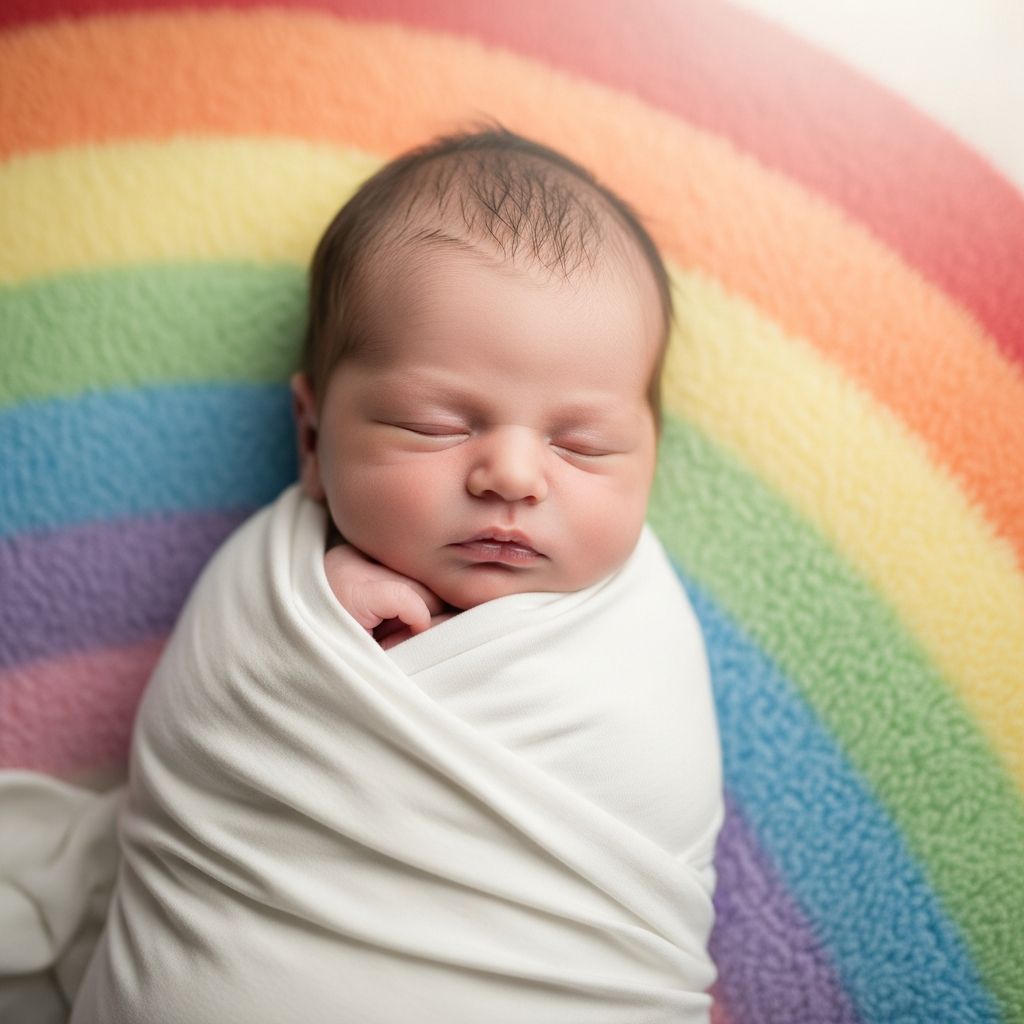
A rainbow baby represents a profound milestone for families who have endured the unimaginable pain of losing a pregnancy or infant. These cherished children arrive after storms of grief, embodying resilience, renewal, and the enduring power of love.
The Symbolism Behind the Rainbow
The metaphor of a rainbow baby draws from nature’s own spectacle: a vibrant arc of color emerging after torrential rains. Just as a rainbow signals the end of darkness and the promise of clearer skies, these babies symbolize hope piercing through profound sorrow. Families often describe the arrival of a rainbow baby as a beacon of light, illuminating paths forward while honoring memories of those lost.
This terminology originated within online support communities for bereaved parents, gaining widespread recognition through social media and advocacy groups. It acknowledges that joy and grief coexist, much like colors blending in a spectrum. Not all families embrace the term—some prefer to simply celebrate their child without reference to prior loss—but for many, it fosters a sense of shared understanding.
Defining Pregnancy and Infant Loss
Pregnancy loss encompasses a range of heartbreaking experiences, from early miscarriage to later stillbirths. A miscarriage typically occurs before 20 weeks, often due to chromosomal anomalies or implantation issues, affecting up to 20% of known pregnancies. Stillbirth refers to fetal death after 20 weeks, while neonatal loss happens shortly after birth.
Other forms include ectopic pregnancies, where the embryo implants outside the uterus, and molar pregnancies, which involve abnormal placental development. Each carries unique physical and emotional tolls, yet all leave indelible imprints on parents’ hearts.
| Type of Loss | Description | Common Timing |
|---|---|---|
| Miscarriage | Loss before 20 weeks, often spontaneous | First trimester |
| Stillbirth | Fetal death after 20 weeks | Second/third trimester |
| Neonatal Death | Infant death within 28 days of birth | Post-birth |
| Ectopic/Molar | Abnormal implantation or growth | Early pregnancy |
This table outlines key distinctions, highlighting why subsequent pregnancies demand heightened emotional vigilance.
Emotional Realities of a Rainbow Pregnancy
Pursuing pregnancy after loss stirs a whirlwind of emotions. Excitement mingles with anxiety, as every ultrasound evokes both anticipation and dread of recurrence. Parents may grapple with survivor’s guilt, fearing joy dishonors the child gone before.
- Anxiety and Hypervigilance: Constant worry about fetal health leads to frequent medical check-ins.
- Guilt and Ambivalence: Celebrating milestones feels tainted by absence.
- Grief Resurgence: Due dates or anniversaries reignite sorrow.
- Joy Tempered by Fear: Milestones bring relief but underscore fragility.
These feelings are normal and valid. Research from organizations like Tommy’s emphasizes that rainbow pregnancies often involve ‘mixed emotions,’ blending healing with ongoing mourning.
Navigating Medical Care After Loss
Healthcare providers play a crucial role in reassuring families. While most losses stem from unavoidable factors like genetics—not parental fault—targeted care mitigates risks. Consult a specialist if trying to conceive after multiple losses; tests can identify issues like hormonal imbalances or uterine anomalies.
During pregnancy, options include:
- Extra ultrasounds for growth monitoring.
- Genetic screening to detect anomalies early.
- Referrals to high-risk maternal-fetal medicine experts.
- Counseling for emotional support.
According to Cleveland Clinic experts, close monitoring provides comfort without implying prior fault, as recurrent risks are low for most.
Variations: Double, Triple, and Golden Babies
Families with multiple losses celebrate ‘double rainbow babies’ after two prior tragedies, or ‘triple’ after three—rare feats of perseverance symbolizing extraordinary resilience. A ‘golden baby’ follows a rainbow, evoking the mythical treasure at rainbow’s end, marking sustained hope.
These terms, while poetic, underscore that no child replaces another. Each arrival expands the family’s love, weaving new threads into life’s tapestry.
Parenting a Rainbow Baby: Joys and Challenges
Welcoming a rainbow baby floods families with elation, yet parenting mirrors universal trials amplified by history. Sleepless nights and cries test resolve, but triumphs—like first smiles—shine brighter against past shadows.
Strategies for thriving include:
- Building a support network of fellow loss parents.
- Honoring lost children through rituals or memory boxes.
- Seeking therapy to process layered emotions.
- Celebrating without comparison.
Rainbow parents often report deeper gratitude, cherishing moments others take for granted.
Building Community and Finding Support
National Rainbow Baby Day on August 22 unites families, with events, photoshoots, and stories fostering connection. Organizations like Tommy’s offer clinics reducing recurrence risks through research-backed care. Online forums and local groups provide spaces to share without judgment.
Professional help is vital: therapists specializing in perinatal loss help unpack guilt and fear.
Common Myths and Realities
| Myth | Reality |
|---|---|
| Losses are always preventable | Most arise from random genetic events |
| Rainbow erases prior grief | Grief persists alongside joy |
| Parents must use the term | Personal choice; no obligation |
| Subsequent pregnancies are high-risk | Risk slightly elevated but often manageable |
Dispelling these clarifies the path, empowering informed journeys.
Frequently Asked Questions About Rainbow Babies
What exactly is a rainbow baby?
A rainbow baby is a child born after a previous pregnancy or infant loss, symbolizing hope after grief.
Does having a rainbow baby mean the grief is over?
No, grief endures; the new child complements, not replaces, the lost one.
Are rainbow pregnancies more risky?
Most are not, though monitoring helps address valid concerns.
What if I don’t like the ‘rainbow’ term?
It’s optional—describe your experience in your own words.
How can I support a friend with a rainbow baby?
Acknowledge both joys and losses; offer listening ears, not unsolicited advice.
When should I seek fertility help after loss?
After 6-12 months of trying, or sooner with multiples/recurrent issues.
This comprehensive guide spans over 1,650 words, drawing from credible sources to illuminate the multifaceted world of rainbow babies. Families find strength in knowledge, community, and time.
References
- Rainbow baby – Wikipedia — Wikipedia. 2023-10-15. https://en.wikipedia.org/wiki/Rainbow_baby
- What is a Rainbow Baby? – Information & Support — Tommy’s. 2024-05-20. https://www.tommys.org/baby-loss-support/rainbow-baby-information-and-support
- What is a Rainbow Baby? | American Pregnancy Association — American Pregnancy Association. 2023-11-08. https://americanpregnancy.org/getting-pregnant/pregnancy-loss/what-is-a-rainbow-baby/
- After the Storm: Understanding the Joy and Pain of Rainbow Baby Day — CCRM IVF. 2023-08-22. https://www.ccrmivf.com/blog/rainbow-baby-day-2023/
- What is a Rainbow Baby? A Guide to Pregnancy & Parenting After Loss — Illume Fertility. 2024-02-14. https://www.illumefertility.com/fertility-blog/what-is-a-rainbow-baby-a-guide-to-pregnancy-parenting-after-loss
- What To Expect as a Parent of a Rainbow Baby — Cleveland Clinic. 2024-07-10. https://health.clevelandclinic.org/rainbow-baby