Why Pumpkin Is a Nutritional Powerhouse
Pumpkin is more than just a seasonal decoration; it’s a nutrient-dense food that can play a vital role in your baby or toddler’s diet. Packed with essential vitamins, minerals, and antioxidants, pumpkin supports healthy growth, strong immunity, and overall well-being. Its naturally sweet flavor and soft texture make it an ideal first food for infants and a favorite among toddlers.
Key Nutrients Found in Pumpkin
Pumpkin is rich in several nutrients that are crucial for early childhood development:
- Vitamin A: Supports eye health and vision, especially in low light.
- Vitamin C: Boosts the immune system and helps protect cells.
- Vitamin E: Contributes to healthy skin and eyes.
- Fiber: Aids digestion and helps prevent constipation.
- Calcium: Supports strong bones and teeth.
- Potassium: Regulates muscle function and fluid balance.
- Iron: Essential for healthy brain development and oxygen transport.
Health Benefits for Babies and Toddlers
Feeding pumpkin to your little one offers a range of health advantages:
- Supports healthy eye development and vision.
- Strengthens the immune system, helping to ward off common illnesses.
- Promotes regular digestion and can ease constipation.
- Provides essential nutrients for bone, muscle, and brain growth.
- May help improve sleep quality due to its tryptophan content.
Safe Preparation Tips
When introducing pumpkin to your baby or toddler, safety and proper preparation are key:
- Always remove all seeds, as they can be a choking hazard.
- Cook pumpkin thoroughly until soft to ensure it’s easy to chew and digest.
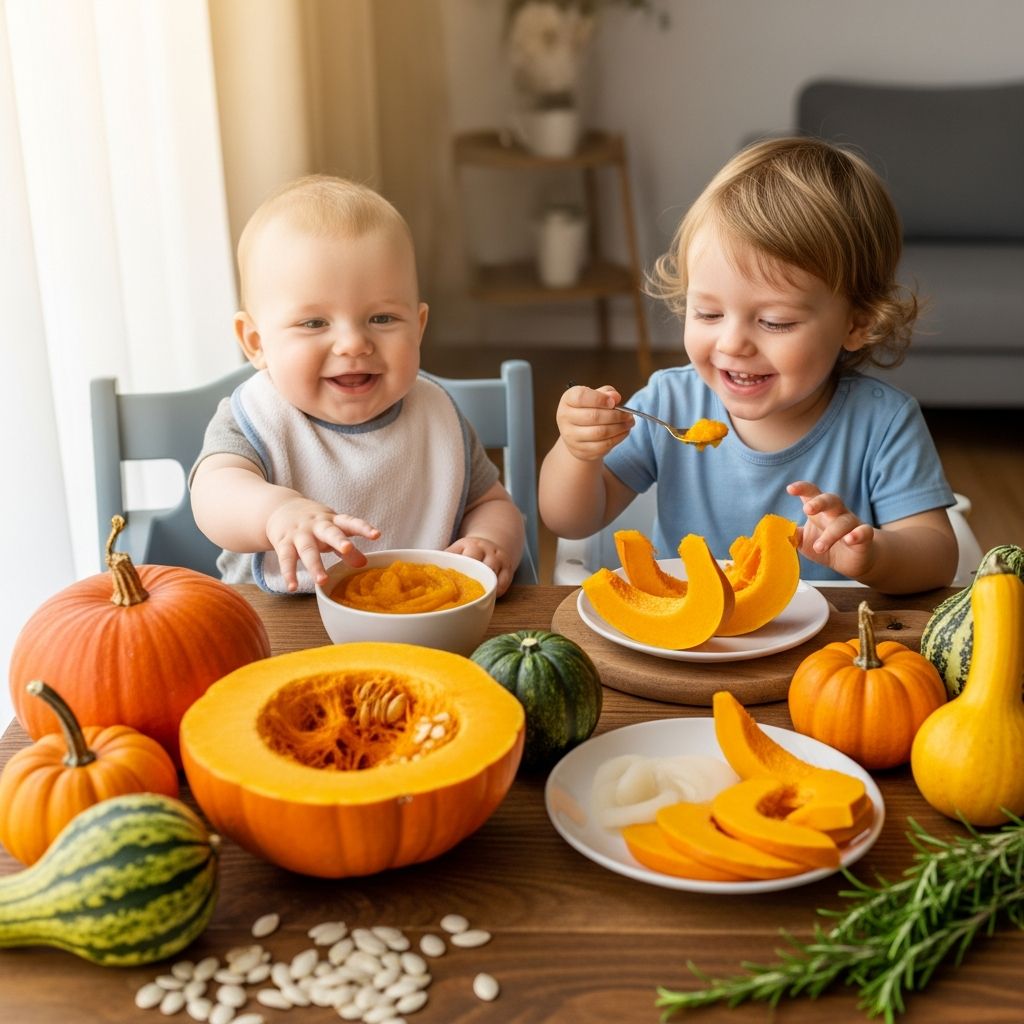
- For infants, mash or puree cooked pumpkin to a smooth consistency.
- For older toddlers, small, soft pieces can be offered as finger food.
- Avoid raw pumpkin, as it may contain harmful bacteria.
Delicious Pumpkin Recipes for Little Ones
Here are some simple and nutritious ways to include pumpkin in your child’s meals:
- Pumpkin Puree: Steam or bake pumpkin until soft, then blend until smooth. Serve as a standalone food or mix with other purees.
- Pumpkin Oatmeal: Stir pureed pumpkin into warm oatmeal for a creamy, nutritious breakfast.
- Pumpkin Pancakes: Combine pumpkin puree with eggs, oats, and a touch of cinnamon for a toddler-friendly pancake.
- Pumpkin Soup: Blend cooked pumpkin with vegetable broth and a pinch of herbs for a comforting soup.
- Pumpkin Muffins: Bake muffins using pumpkin puree, whole wheat flour, and a little honey for a healthy snack.
Common Questions About Feeding Pumpkin
Here are answers to frequently asked questions about feeding pumpkin to babies and toddlers:
Can babies eat pumpkin every day?
Yes, pumpkin can be included regularly in your baby’s diet, but it’s best to offer a variety of foods to ensure balanced nutrition.
Is pumpkin safe for babies with allergies?
Pumpkin is generally considered low-allergenic, but always introduce new foods one at a time and watch for any allergic reactions.
Can I use canned pumpkin for my baby?
Yes, plain canned pumpkin (not pumpkin pie filling) is safe and convenient, but check the label for added sugars or preservatives.
How should I store leftover pumpkin puree?
Store in an airtight container in the refrigerator for up to 3 days, or freeze in small portions for longer storage.
Comparison Table: Pumpkin vs. Other Baby Foods
| Nutrient | Pumpkin | Carrots | Apples |
|---|---|---|---|
| Vitamin A | High | High | Low |
| Fiber | Good | Good | Good |
| Calcium | Present | Low | Low |
| Potassium | High | Good | Good |
| Iron | Present | Low | Low |
Final Thoughts
Pumpkin is a versatile, nutritious, and delicious food that can benefit babies and toddlers in many ways. From supporting healthy growth and digestion to boosting immunity and eye health, pumpkin is a true superfood for young children. With simple preparation and creative recipes, it’s easy to make pumpkin a regular part of your family’s meals.