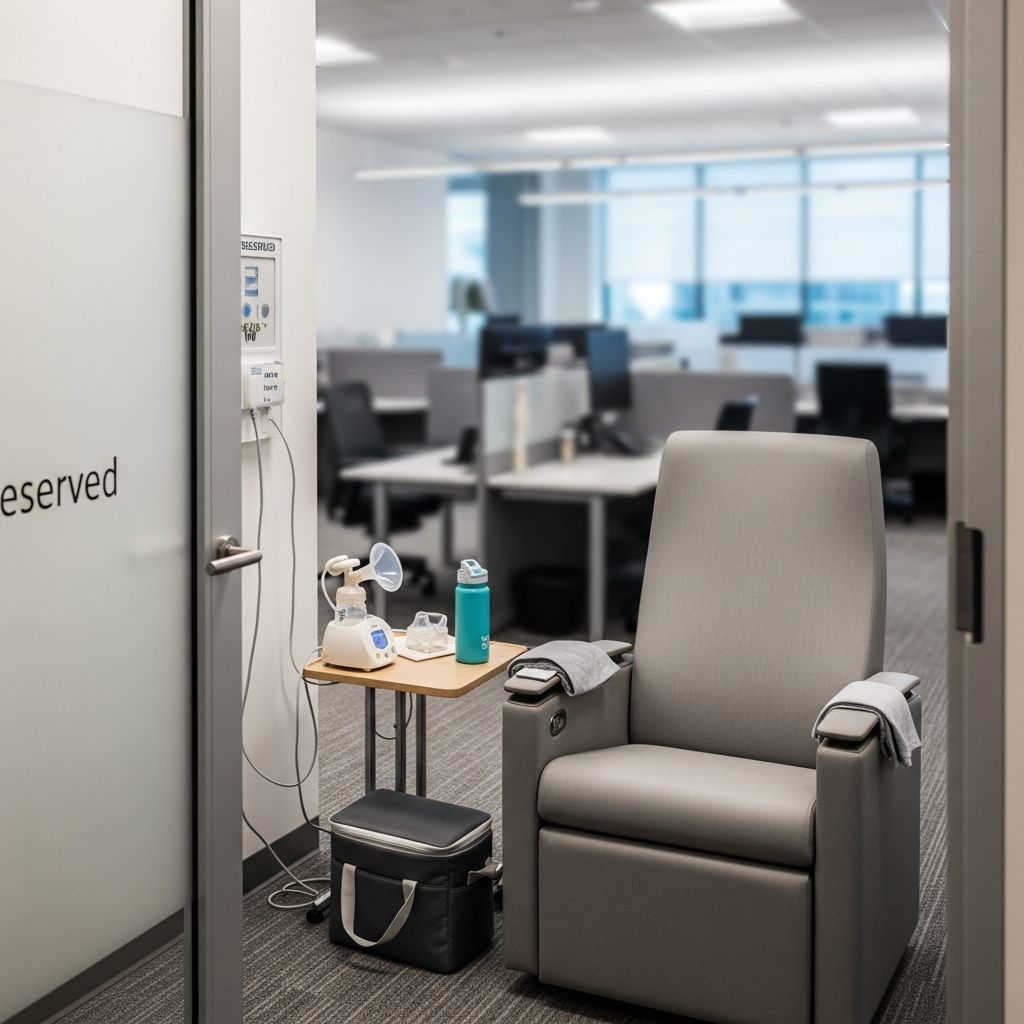
Managing Lactation in the Professional Environment
Returning to work after childbirth presents unique challenges for nursing mothers who wish to continue providing breast milk to their infants. The combination of professional responsibilities and maintaining milk supply requires thoughtful planning and organizational strategies. Many working mothers successfully integrate pumping into their daily routines by understanding their rights, selecting appropriate equipment, and establishing sustainable schedules that accommodate both workplace demands and lactation needs.
Understanding Your Legal Protections and Workplace Rights
In many countries and jurisdictions, employment law provides specific protections for lactating employees. These legal frameworks recognize that expressing milk is a legitimate workplace need rather than a personal preference. Before returning to work, familiarize yourself with the specific regulations in your location and industry. Your employer is typically required to provide reasonable accommodations, including dedicated time and an appropriate space for milk expression. This legal foundation gives you confidence to advocate for your needs without fear of professional repercussions.
Understanding these protections helps you approach conversations with management from a position of knowledge. Request a meeting with your supervisor or human resources department before your return to establish expectations and secure commitments regarding break times and facilities. Many employers appreciate advance notice, which allows them to plan workflow adjustments and prepare appropriate spaces.
Selecting the Right Pumping Equipment for Your Situation
The breast pump you choose significantly impacts your ability to maintain milk supply and the efficiency of your pumping sessions. Several options exist, each with distinct advantages and limitations.
Double electric pumps represent the most efficient choice for working mothers. These devices stimulate both breasts simultaneously, reducing session duration to approximately 15-20 minutes while maximizing milk yield. The electrical power provides consistent suction strength, which is particularly important if you’re attempting to maintain or increase your milk supply. Double electric pumps are also beneficial for mothers who pump multiple times daily, as they reduce the cumulative time investment significantly.
Wearable pumps have gained popularity recently due to their discreet design and hands-free operation. These small devices nestle into your bra, allowing you to move around your workplace during expression. However, these options vary considerably in suction strength and breast-emptying capability. They may be less suitable if you’re experiencing supply challenges, as some models don’t extract milk as effectively as traditional double pumps. Many lactation specialists recommend starting with a double electric pump if supply is a concern, then potentially transitioning to a wearable once supply is well-established.
Hand expression offers a no-equipment alternative when pumps aren’t available. While more time-intensive than mechanical pumping, hand expression requires only clean containers and your hands. Learning proper hand expression technique before returning to work ensures you have a backup option if pump access is limited.
Essential Supplies and Support Equipment
Beyond the pump itself, successful workplace pumping requires gathering necessary supporting materials:
- Extra pump parts (flanges, collection bottles, tubing) to eliminate daily washing requirements
- Specialized breast pump cleaning wipes for situations where water access is limited
- Insulated cooler bags or backpacks designed for pumping supplies to maintain milk temperature
- Ice packs or cooling elements to preserve milk during transport
- Breast milk storage bags or sterile bottles for collection and storage
- Hands-free pumping bra to enable multitasking during sessions
- Nursing pads to prevent leakage between pumping sessions
- A comfortable chair positioned near an electrical outlet
Creating an Optimal Pumping Schedule
Your pumping frequency should align with your baby’s typical feeding pattern while you’re away. Most infants need approximately one to 1.5 ounces of milk for every hour their mother is absent. This calculation helps determine how many ounces you should aim to collect during each session.
A common workplace pumping schedule involves sessions every 2-3 hours. Here’s how this might look during a typical workday:
- Feed your baby before leaving for work in the morning
- First pumping session mid-morning (around 10 a.m.)
- Second pumping session around midday or early afternoon
- Third pumping session mid-afternoon
- Resume direct breastfeeding when you return home
Flexibility remains important—if you miss a scheduled pumping session due to unexpected meetings or urgent tasks, simply pump as soon as feasible and resume your regular schedule at the next designated time. Perfection isn’t necessary; consistency over the course of weeks matters more than occasional missed sessions.
Set aside 20-30 minutes total for each pumping session, accounting for setup time, the actual 15-20 minute milk expression period, and cleanup afterward. This realistic time budget prevents frustration when you can’t complete everything in your imagination’s faster timeline.
Finding and Preparing Your Pumping Space
Your designated pumping location profoundly affects your comfort and milk output. Work with your employer to identify or create an appropriate space before your return date.
Ideal characteristics of a pumping space include:
- Privacy—a room with a lockable door, not a bathroom
- Comfortable seating near an electrical outlet
- A flat surface for placing pump equipment and supplies
- Access to running water or sink for cleaning pump parts
- Climate control to maintain comfortable temperature
- Adequate ventilation
If your workplace lacks a dedicated lactation room, alternative spaces might include medical offices, interview rooms, or storage areas that can be converted to this purpose. Request a lock installation if the door doesn’t already have one, or establish a system for indicating the space is occupied, such as a sign you can hang. While less ideal, even a private office or conference room becomes workable when other options are unavailable.
Visit your designated space before your first day back to identify any potential issues. Note outlet locations, furniture arrangement, and any supplies (tissues, trash can) that might need to be added. This advance reconnaissance eliminates surprises when you’re navigating those early days of returning to professional responsibilities.
Establishing a Pre-Work Pumping Routine
Begin practicing your pumping routine several weeks before returning to work. This preparation serves multiple purposes: you develop comfort with your equipment, understand your body’s response, and establish a baseline of how much milk you can express at various times. Starting with once-daily pumping and gradually increasing frequency helps you identify the right rhythm for your body.
Pay attention to when your breasts feel fullest—typically earlier in the day. Choose initial pumping times based on when you naturally have the most milk available. As your routine becomes established, your body adapts to your new schedule, and milk production typically stabilizes at levels appropriate for your pumping frequency.
Consider scheduling your first day back on a Friday, if possible. This approach provides a shorter week to navigate the adjustment, allowing you to troubleshoot challenges before tackling a full five-day week. Many mothers find this strategy reduces stress considerably.
Optimizing Milk Expression and Maximizing Output
Several techniques enhance milk flow and collection during your pumping sessions:
- Warm your hands and gently massage your breasts before starting.
- Hand express a small amount of milk to initiate flow before using your pump
- Apply warm compresses or washcloths to your breasts to encourage milk release
- Massage your breasts during pumping using gentle circular motions from chest toward nipple
- Think about your baby or view photos and videos to trigger the milk-release reflex
- Practice relaxation techniques like breathwork or brief meditation before pumping
- Smell your baby’s clothing or blanket to strengthen emotional connection and hormone response
Mental and emotional factors significantly influence milk expression efficiency. Creating a calm, focused mindset during your pumping session directly impacts how much milk you collect. Many mothers find that reducing anxiety about the process—avoiding nervous watching of bottle levels and instead covering bottles during expression—produces better results. Remembering that direct breastfeeding at home provides additional stimulation helps maintain overall supply.
Organizing Milk Storage and Transportation
Proper milk storage protects the nutritional value and safety of expressed breast milk. Room temperature milk remains safe for up to 4 hours after expression at temperatures up to 77°F. Refrigerated milk is safe for up to 4 days. Transport your milk in an insulated cooler with ice packs to maintain appropriate temperature during your commute.
Label all storage containers clearly with the date and time of expression, particularly important if sharing refrigerator space with colleagues. Establish a system for organizing bottles or storage bags so your milk from earlier sessions is used first (first in, first out).
Addressing Common Workplace Challenges
You may experience pressure to skip breaks or maintain constant work availability while pumping. Resist this temptation firmly—expressing milk is a protected need supporting both your health and your baby’s nutrition. Schedule pumping sessions in your work calendar, labeling them clearly, which normalizes this necessary activity and helps colleagues understand your temporary unavailability.
When unexpected work demands conflict with your pumping time, acknowledge the conflict but recommit to your schedule. If you miss one session, pump as soon as possible to stay on track. Most workplaces adapt quickly once they understand your needs are consistent and reasonable.
Maintaining Comfort and Workplace Professionalism
Create an environment that feels personal and comfortable during your pumping breaks. Lock your door, choose a chair you like, and consider playing soft music to create a calming atmosphere. You’re taking legitimate break time to nourish your baby—this deserves to feel important and valued within your workday.
Dress in layers or clothing that facilitates easy access for pumping. Many mothers find that nursing bras designed with easy opening, paired with two-piece outfits, minimize disruption to their professional appearance. This practical consideration helps you move between your pumping space and your workspace without obvious signs of milk expression.
Frequently Asked Questions
Q: How much milk should I be able to express during each pumping session?
A: Output varies significantly between mothers and depends on factors like how long it’s been since you last fed or pumped. Newly returning mothers often collect 2-4 ounces per session with a double electric pump. Supply typically increases as your body adjusts to the pumping schedule. Focus on consistency rather than exact amounts, as variation is completely normal.
Q: What should I do if my milk supply seems low?
A: Ensure you’re pumping frequently enough (every 2-3 hours) and that your pump is functioning properly with appropriate suction strength. Double electric pumps are most effective for supply concerns. Increase hands-on techniques like massage and hand expression. Stay well-hydrated and get adequate rest. Consider consulting a lactation specialist if supply remains problematic despite consistent efforts.
Q: Can I maintain my milk supply with only workplace pumping?
A: Combining workplace pumping with direct breastfeeding at home is most effective for maintaining supply. Direct breastfeeding actually extracts more milk than pumping, so your baby’s home feedings are crucial for supply regulation. This combination approach typically maintains supply better than pumping alone.
Q: What if my workplace doesn’t have an appropriate pumping space?
A: Start by discussing the situation with your employer, explaining your legal rights to express milk. Brainstorm alternative spaces together. If your workplace genuinely lacks options, you may need to explore nearby alternatives like public lactation spaces, other businesses willing to share facilities, or expressing milk in your vehicle as a last resort. Document your employer’s response if accommodations truly aren’t available.
Q: How do I handle social awkwardness around pumping at work?
A: Normalize the process by being matter-of-fact about your pumping schedule. Many colleagues become comfortable when they understand this is routine for you. Keeping your pumping time predictable and private helps integrate it into your workday without disruption. Remember that pumping is biologically normal and professionally protected.
References
- Pumping at Work: Example Schedule and Helpful Tips — Cleveland Clinic. 2024. https://health.clevelandclinic.org/pumping-schedule-pumping-at-work
- How to Prepare for Pumping at Work — Cincinnati Children’s Hospital Medical Center. 2024. https://blog.cincinnatichildrens.org/healthy-living/how-to-prepare-for-pumping-at-work/
- 5 Tips for Returning to Work and Breastfeeding — Centers for Disease Control and Prevention. 2024. https://www.cdc.gov/breastfeeding/features/returning-to-work-and-breastfeeding.html
- Pumping and Storing Breastmilk — U.S. Department of Health & Human Services, Office of Women’s Health. 2024. https://womenshealth.gov/breastfeeding/pumping-and-storing-breastmilk
- Pumping at Work: Tips and Mums’ Advice — Medela. 2024. https://www.medela.com/en/breastfeeding-pumping/articles/pumping-tips/pumping-at-work-tips-and-mums-advice
- Pumping at Work — BreastmilkCounts.com. 2024. https://breastmilkcounts.com/back-to-work/pumping-at-work/
- The Ultimate Guide to Pumping at Work — Aeroflow Breastpumps. 2024. https://aeroflowbreastpumps.com/blog/the-ultimate-guide-to-breastfeeding-in-public-and-the-workplace