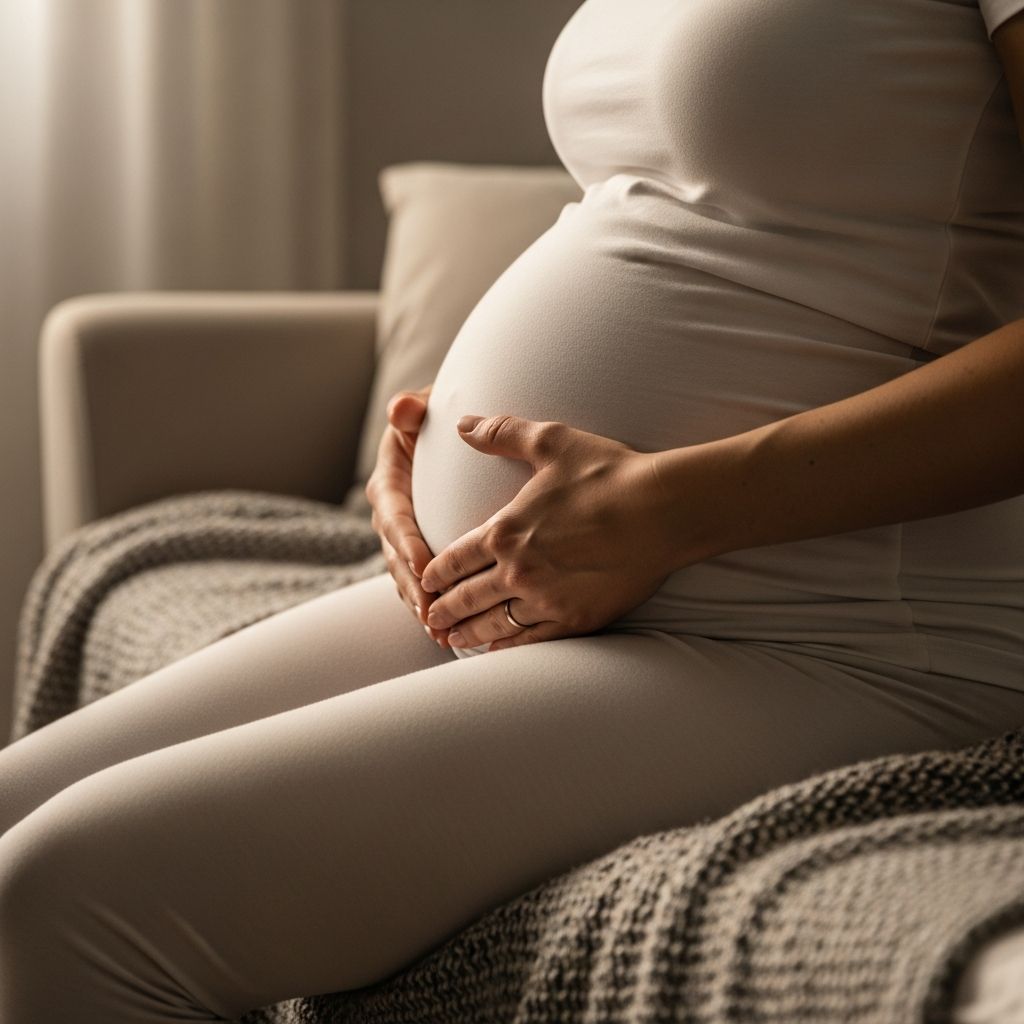
Pubic bone discomfort, often linked to symphysis pubis dysfunction (SPD) or pelvic girdle pain (PGP), impacts up to one in four pregnant individuals, manifesting as sharp or aching sensations in the pelvic region. This condition arises from natural physiological adaptations but can significantly hinder daily mobility if unaddressed.
Recognizing Signs of Pelvic Discomfort
Early identification of symptoms enables timely intervention. Common indicators include tenderness directly over the pubic symphysis, the cartilage joint connecting the pelvic bones at the front. Pain may intensify during weight-bearing activities such as stair climbing, transitioning from sitting to standing, or single-leg stances like stepping into a car.
- Sharp, shooting pain radiating to the groin, inner thighs, lower abdomen, or perineum.
- Aching or grinding sensation in the pelvis, sometimes accompanied by clicking during movement.
- Lower backache, often unilateral or bilateral, extending to buttocks or hips.
- Discomfort worsening with prolonged walking, sexual activity, or bed turning.
- General stiffness or instability feeling in the pelvic girdle.
Symptoms typically emerge in the second or third trimester as hormonal influences peak and fetal growth alters posture, though onset can occur earlier in multiparous pregnancies.
Physiological Triggers Behind the Pain
Pregnancy induces profound biomechanical changes. The hormone relaxin, surging from early gestation, softens ligaments to facilitate pelvic expansion for delivery, inadvertently causing joint laxity and instability. This hypermobility at the pubic symphysis disrupts load distribution across the pelvis.
Additional contributors include:
- Shifted center of gravity from enlarging uterus, straining pelvic stabilizers.
- Increased body mass amplifying compressive forces on joints.
- Postural adaptations leading to muscle imbalances, such as weakened core and overactive hip flexors.
- Pre-existing factors like prior pelvic trauma, hypermobility, or low back issues heightening susceptibility.
| Factor | Mechanism | Prevalence Impact |
|---|---|---|
| Hormonal Laxity | Relaxin loosens symphysis pubis cartilage | Primary in 20-25% cases |
| Postural Shift | Anterior pelvic tilt from uterus weight | Exacerbates in later trimesters |
| Muscle Dysfunction | Trigger points in pelvic floor/adductors | Common with sedentary habits |
| Prior Injuries | Scar tissue or joint asymmetry | Increases recurrence risk |
These elements often interplay, with fatigue and stress amplifying pain perception via nervous system sensitization.
Practical Strategies for Daily Relief
Conservative measures form the cornerstone of management, emphasizing stability, posture, and movement awareness. Most individuals achieve substantial alleviation without invasive options.
Supportive Aids and Positioning
- Wear a pelvic support belt to approximate symphysis pubis bones, reducing shear forces during ambulation.
- Sleep with a pillow between knees to maintain neutral pelvic alignment.
- Avoid asymmetrical activities; step onto curbs with both feet simultaneously.
Activity Modifications
Prioritize low-impact exercises like swimming or stationary cycling to bolster endurance without joint overload. Limit stair use and employ a ‘log roll’ technique for bed entry/exit: roll to side, push up with arms, swing legs over together.
Pain Alleviation Techniques
- Apply heat packs (15-20 minutes) to relax muscles or ice for inflammation.
- Perform gentle pelvic tilts: on all fours, alternate arching and flattening lower back 10 times daily.
- Inner thigh squeezes with a therapy ball to activate adductors, enhancing girdle stability.
A sample daily routine:
- Morning: 5-minute pelvic tilts + belt application.
- Midday: Seated marches (lift knees alternately) for core activation.
- Evening: Warm bath + supported side-lying rest.
Professional Interventions for Persistent Issues
When self-care proves insufficient, specialized care is warranted. Physical therapy targeting pelvic alignment yields high success rates.
- Manual Therapy: Osteopathic or chiropractic adjustments to restore sacroiliac symmetry.
- Pelvic Floor Training: Biofeedback-guided exercises to optimize muscle support.
- Aquatic Therapy: Buoyancy-assisted strengthening minimizes gravitational stress.
For severe cases, consult obstetrics for ruling out differentials like preterm labor. Rarely, bed rest or crutches provide temporary respite. Postpartum, symptoms typically resolve within 6 months, aided by continued rehab.
Risk Factors and Prevention Insights
Understanding vulnerabilities aids proactive steps. High-risk profiles include multiparity, history of PGP, or connective tissue disorders.
- Maintain pre-pregnancy fitness with emphasis on transverse abdominis engagement.
- Adopt ergonomic habits: use step stools for reaching, sit with lumbar support.
- Monitor weight gain to mitigate joint overload, targeting guidelines from prenatal visits.
Early screening in first trimester for at-risk individuals can preempt escalation.
Postpartum Recovery Roadmap
Delivery often brings immediate relief as relaxin levels drop, but residual laxity may linger. Graduated return to activity prevents recurrence:
- Weeks 1-6: Gentle walks, Kegels, avoid heavy lifting.
- Weeks 6-12: Progress to squats, bridges under guidance.
- Beyond: Full strength training with pelvic focus.
Breastfeeding may prolong ligament softness, necessitating sustained support.
Frequently Asked Questions
Does pubic bone pain harm the baby?
No, PGP or SPD does not affect fetal well-being, though maternal mobility may require adaptations.
When should I contact a healthcare provider?
Seek evaluation if pain severely limits walking, persists despite modifications, or accompanies fever/vaginal bleeding.
Can exercises worsen the condition?
Unmodified high-impact activities can, but tailored physiotherapy strengthens without aggravation.
Is PGP more common in first pregnancies?
Actually, recurrence risk heightens in subsequent gestations due to cumulative ligament changes.
How long does recovery take after birth?
Most resolve by 3-6 months with rehab; full resolution by one year.
References
- Pubic Bone Pain in Pregnancy — Carl Todd Clinic. 2023. https://thecarltoddclinic.com/insights/pubic-bone-pain-in-pregnancy/
- Pubic Bone Pain (SPD) — NOLA Pelvic Health. 2024. https://www.nolapelvichealth.com/pregnancy-conditions/spd
- Pelvic girdle pain (PGP) in pregnancy — Health Service Executive (HSE.ie). 2025-01-10. https://www2.hse.ie/conditions/pelvic-girdle-pain-pregnancy/
- 4 Causes of Pubic Symphysis Pain in Pregnancy — Expecting Pelvic Health. 2023. https://www.expectingpelvichealth.com/blog-posts/pubic-bone-pain
- Pelvic pain in pregnancy — NHS. 2024-06-15. https://www.nhs.uk/pregnancy/common-symptoms/pelvic-pain/
- Pelvic Pain (SPD or PGP) in Pregnancy — Tommy’s. 2024. https://www.tommys.org/pregnancy-information/pregnancy-complications/pelvic-pain-pregnancy
- Pubic Symphysis Dysfunction — Physiopedia. 2025. https://www.physio-pedia.com/Pubic_Symphysis_Dysfunction