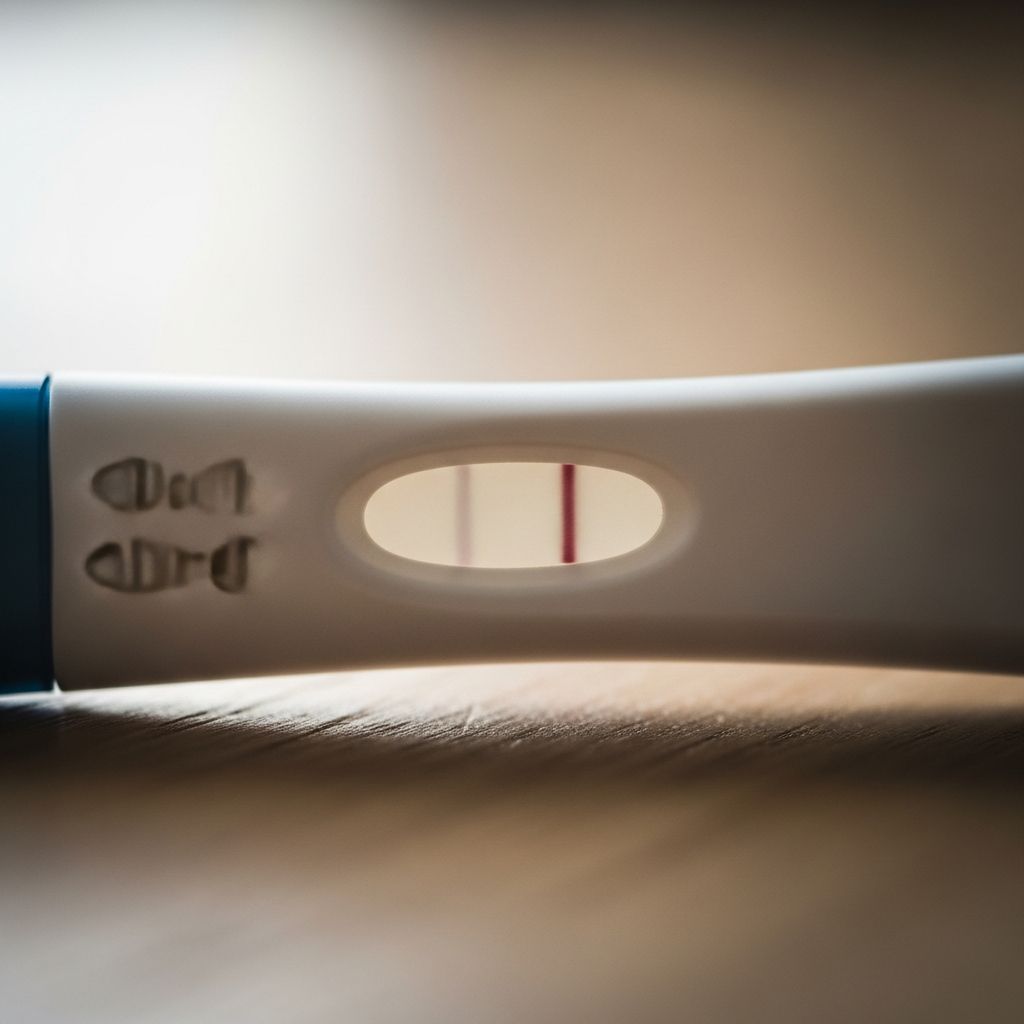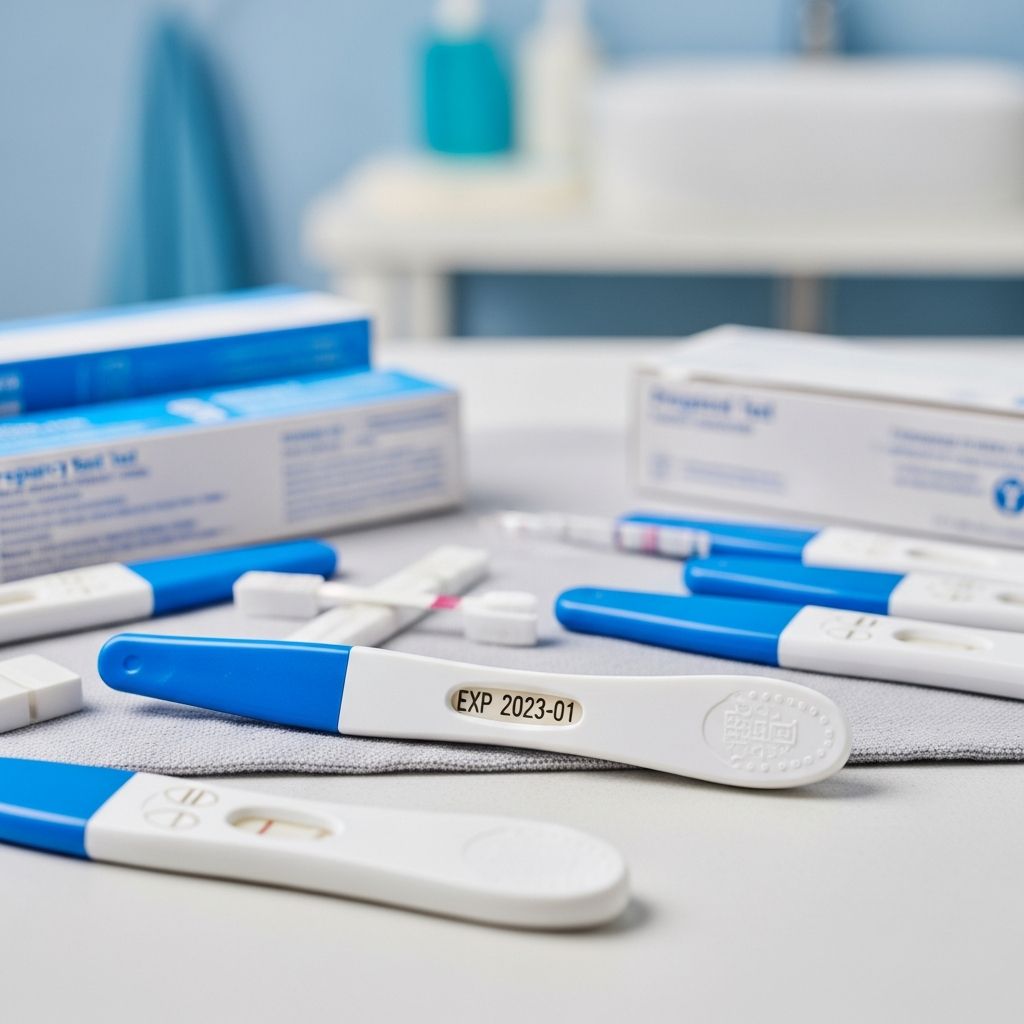
Opening a pregnancy test only to spot a past-due expiration date can instantly raise your heart rate. You may have already taken the test, or you might be staring at the unopened box wondering if it is still worth trying. Understanding how expired pregnancy tests work helps you decide whether to trust the result or start over with a fresh test.
This guide explains what happens when a pregnancy test expires, why the chemicals matter, how false positives and negatives occur, and how to handle confusing or questionable results in a calm, practical way.
How Pregnancy Tests Work in Simple Terms
Most home pregnancy tests look for a hormone called human chorionic gonadotropin (hCG) in urine. When a fertilized egg implants into the uterine lining, the developing placenta begins releasing hCG, which rises quickly in early pregnancy. The test strip contains special antibodies that latch onto this hormone if it is present, creating a visible line, symbol, or digital word.
In a non-expired test, these antibodies and chemicals are finely tuned to detect hCG above a specific threshold. That threshold is usually somewhere between 10 and 50 milli-international units per milliliter (mIU/mL), depending on the brand and sensitivity. When the test is used within its shelf life and as directed, it can be more than 99% accurate from the day of a missed period under ideal conditions.
What an Expiration Date Really Tells You
The expiration date printed on the box is not just a formality. It indicates how long the manufacturer can reasonably guarantee that the test’s chemicals and materials will function as designed, assuming normal storage conditions. After this date, the antibodies on the strip may gradually break down, and the test becomes more likely to give an incorrect result.
Even if an expired test still produces a line or message, the reliability of that result is no longer assured. The test might miss low levels of hCG, misread the presence of the hormone, or display confusing streaks and lines that are difficult to interpret.
What Happens to a Test After It Expires?
Over time, the reactive chemicals inside the test age and deteriorate. The plastic casing and absorbent materials may also be affected by humidity, heat, or light. These changes can alter the way urine flows along the strip and how clearly the result appears.
- Antibodies that detect hCG may lose their sensitivity, so they no longer bind effectively to the hormone.
- Colored dyes can become blotchy or uneven, creating faint, patchy, or smeared lines.
- The control line, which confirms the test is working, might fade, appear incomplete, or fail to show up at all.
None of these changes are visible until you use the test. That is why an expired test may look perfectly fine in the package yet still deliver misleading results once urine is applied.
Can an Expired Pregnancy Test Still Work?
Many people report getting seemingly accurate results from tests that are only slightly past their expiration date. It is possible for an expired test to show a true positive or a true negative if the chemicals are still partially effective. However, the margin of error grows the further you move past the printed date and the worse its storage conditions have been.
The important takeaway: an expired test might work, but you cannot count on it. The risk of incorrect results increases over time, which means any answer you get from an expired test should be considered uncertain rather than definitive.
False Negatives vs. False Positives on Expired Tests
When thinking about expired tests, two main types of errors matter most: false negatives and false positives. A false negative occurs when you are pregnant but the test says you are not. A false positive means the test suggests pregnancy when there is none.
Understanding the difference can help you decide how urgent it is to repeat the test and whether you should involve a healthcare professional right away.
How Expiration Increases the Chance of a False Negative
As the test’s antibodies degrade, they become less sensitive to hCG. This makes it more likely that small or moderate amounts of the hormone will go undetected. Early in pregnancy, when hCG is just beginning to rise, an expired test may simply not “see” what a non-expired test would catch.
- If you test very early, even a small drop in sensitivity can turn a true positive into a negative result.
- Lower-cost or very old tests may lose reliability faster than higher-quality options or tests closer to their expiration date.
A false negative can delay prenatal care, lifestyle changes, and necessary health decisions, which is why results from expired tests should never be used as the final word on pregnancy status.
False Positives: Less Common but Still Possible
False positives are generally less common than false negatives with expired tests, but they can happen. Degraded test components may produce odd-looking lines that seem positive even when no hCG is present, especially if the dye pools or dries unevenly.
- An evaporation line (a colorless or grayish streak that appears after the recommended reading time) may be mistaken for a faint positive.
- Certain medical treatments that contain hCG, or recent pregnancy loss, can also contribute to a positive result that does not indicate an ongoing pregnancy.
Because of these factors, any positive result on an expired test should prompt follow-up with a new, in-date test or a healthcare provider for confirmation.
How Long Do Pregnancy Tests Usually Last?
Most over-the-counter pregnancy tests have a shelf life of about two to three years from the date of manufacture. The expiration date on the box and wrapper reflects this timeframe, assuming the test has been stored as recommended by the manufacturer.
It is important to check both the box and the individual test wrapper, particularly if the box has been open for some time or contains multiple sticks or strips. If any part lacks a clearly readable date, it is safest to treat the test as expired.
Typical Shelf Life and Reliability Table
| Time Relative to Expiration | Expected Reliability (if properly stored) | Recommended Action |
|---|---|---|
| More than 6 months before expiration | High; chemicals are likely stable | Safe to use as long as packaging is intact |
| Within 3–6 months of expiration | Generally reliable but closer to the limit of guaranteed accuracy | Use promptly; avoid stocking long term |
| Just past expiration (0–3 months) | Decreasing reliability; higher chance of incorrect readings | Use only if no other test is available; always confirm with a new test |
| More than 3 months past expiration | Unreliable; antibodies may be significantly degraded | Discard and use a non-expired test |
Storage Conditions: Why They Matter as Much as the Date
Even before the expiration date, poor storage can shorten a test’s functional life. Excess heat, freezing temperatures, and high humidity can all damage the delicate chemistry inside the test. A box stored in a hot car, damp bathroom, or near a sunny window might be compromised long before its printed date.
- Store tests at room temperature in a dry, shaded place, such as a bedroom drawer.
- Avoid keeping them near heaters, air vents, windows, or areas exposed to steam.
- Keep the test sealed in its foil or plastic wrapper until you are ready to use it.
If a test has been exposed to extreme conditions, treat it with the same caution you would give an expired test: do not rely on the result without confirmation.
Signs Your Test Result Should Not Be Trusted
In addition to checking the expiration date, look closely at how the test behaves once you use it. Irregular or incomplete results may indicate that the strip is no longer functioning properly.
- No control line appears at all, even after the full waiting time.
- The control line is extremely faint, smudged, or broken.
- The result window fills with streaks or blotches instead of clean lines or symbols.
- The digital screen remains blank, displays error codes, or flickers.
Any of these issues, combined with an expired or questionable test, are strong reasons to discard it and use a fresh, in-date product.
Step-by-Step: What to Do If You Used an Expired Pregnancy Test
If you discover the test was expired after you already saw the result, do not panic. Use a simple, structured approach to decide what to do next.
- Check how far past the date it is. A test that expired a week ago is less concerning than one that expired years ago, but any expired test is still less reliable than a current one.
- Assess the timing of your test. Testing before your missed period or only a day or two after increases the chance of a false negative with any test, but especially an expired one.
- Repeat with a non-expired test. Purchase a new test from a trusted brand and follow the directions carefully, including the recommended time of day and waiting period for reading the result.
- Use first-morning urine if possible. Early in pregnancy, the first urine of the day tends to have the highest concentration of hCG, which improves the chance of a clear result.
- Seek medical confirmation when in doubt. If results do not match your symptoms or cycle, or if pregnancy is a major concern, contact a healthcare provider for a blood test or clinical urine test.
This process helps you move from an uncertain expired result to a more reliable answer that you can use to make informed decisions.
When to Involve a Healthcare Professional
At-home tests are convenient, but they are not a substitute for medical evaluation. Certain situations call for professional input regardless of whether your test is expired or current.
- You have repeated unclear or conflicting results, even with non-expired tests.
- You notice unusual bleeding, severe pain, dizziness, or other worrisome symptoms.
- You have a history of ectopic pregnancy, fertility treatments, or hormonal conditions.
- You had a recent pregnancy loss or termination and are unsure how to interpret a new test.
A healthcare provider can perform a more precise hCG blood test and, if needed, order an ultrasound or additional tests to clarify what is happening.
Practical Tips for Buying and Using Pregnancy Tests
A little planning can reduce the chance of facing an expired test at a stressful moment. Paying attention to dates and storage from the start helps protect the accuracy of your results.
- Check the expiration date before you purchase, especially if you are buying a clearance or discounted box.
- Avoid stockpiling more tests than you are likely to use within a year, unless you are actively trying to conceive.
- Read the instructions from start to finish before testing, even if you have used pregnancy tests before.
- Set a timer on your phone for the exact reading window recommended by the manufacturer.
- Discard tests after the official reading time; do not rely on any changes that appear much later.
These habits help ensure that when the time comes to test, you can focus on the result itself instead of worrying about whether the test is trustworthy.
Frequently Asked Questions About Expired Pregnancy Tests
1. Can an expired pregnancy test harm my health?
Using an expired pregnancy test is not known to cause physical harm. The main risk is emotional stress or delayed care due to an inaccurate result. You may think you are not pregnant when you are, or assume you are pregnant when you are not, leading to confusion and anxiety.
2. I got a negative result on an expired test. Could I still be pregnant?
Yes, it is possible. Because expired tests are more prone to false negatives, a negative result is not reliable proof that you are not pregnant. If your period is late or you have pregnancy symptoms, retest with a non-expired product or talk to a healthcare provider.
3. My expired test shows a very faint line. Does that count as positive?
Any visible line on a properly functioning, in-date test can potentially indicate pregnancy, but expired tests complicate this rule. Faint or streaky lines on an expired test may be evaporation marks, dye smears, or signs of degraded chemicals rather than a true positive. The safest approach is to retest with a new, in-date test and treat that result as more reliable.
4. How soon after my missed period should I test?
Many tests are designed for use from the first day of your missed period, and some more sensitive brands claim to detect pregnancy a few days before. However, waiting until at least the day your period is due, and ideally a few days after, increases the likelihood that hCG levels are high enough to detect reliably. This reduces the risk of early false negatives, regardless of expiration status.
5. Can certain medications affect my result more than expiration?
Some fertility medications and injections that contain hCG can cause a temporary false positive, especially if a test is taken too soon after treatment. Other common medications typically do not create a positive result on their own, but underlying medical conditions can occasionally interfere. If you are on specialized treatments, discuss testing timing and interpretation with your healthcare provider.
Key Takeaways You Can Rely On
- The expiration date marks the limit of guaranteed accuracy; beyond that, results become increasingly unreliable.
- Expired tests are more likely to give false negatives, particularly when used early in pregnancy.
- Poor storage conditions can damage a test even before its official expiration date.
- Any confusing, faint, or unexpected result on an expired test should be checked with a fresh, in-date test.
- When in doubt, a healthcare provider’s blood test and evaluation offer the most dependable confirmation of pregnancy.
An expired pregnancy test can create more questions than answers. Treat it as a rough indication at best, not a decision-making tool. For clarity and peace of mind, rely on current tests, careful timing, and professional guidance when you need definitive results.