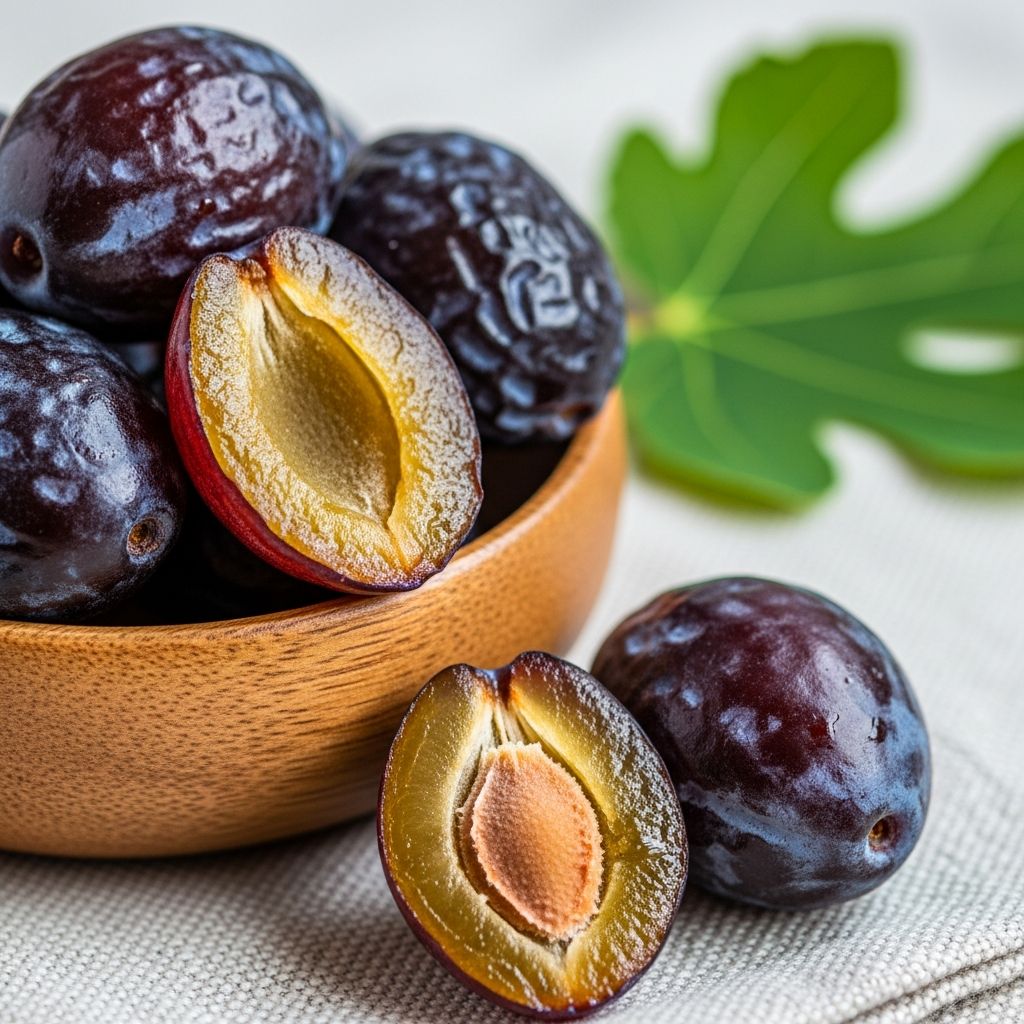
If there were a quiet hero hiding in the pantry, it would probably be prunes. This humble dried fruit offers natural support for digestion, helps ease constipation without harsh ingredients, and doubles as a convenient snack for busy families.
Why Prunes Deserve a Place in Your Pantry
Prunes may not be the flashiest food on the shelf, but they deliver an impressive mix of fiber, natural sugars, and helpful plant compounds. Instead of relying on processed snacks or medicated laxatives for everyday issues, many families find that prunes offer a gentle, food-first approach that fits easily into normal meals.
Because they are shelf-stable, compact, and naturally sweet, prunes can be tossed into lunchboxes, kept in a desk drawer, or tucked into a diaper bag. This makes them an easy habit to maintain, which is often the hardest part of any health-related change.
How Prunes Support Digestion and Regularity
The digestive benefits of prunes come from more than just fiber. Their unique combination of natural sorbitol, fiber, and plant compounds works together to encourage gentle, more comfortable bowel movements for many people.
Unlike fast-acting laxatives that may cause urgency or cramping, prunes tend to work more gradually when eaten consistently. They can be part of an overall strategy that includes hydration, movement, and balanced meals.
Main digestive benefits
- Provide both soluble and insoluble fiber that help bulk and soften stool.
- Contain natural sorbitol, a sugar alcohol that can draw water into the intestines and support easier elimination.
- Encourage more regular bathroom habits when eaten consistently as part of daily meals or snacks.
Quick Nutrition Snapshot of Prunes
Prunes pack a lot of nutrition into a small package. While exact numbers vary by brand and size, a modest handful typically offers a meaningful boost of fiber, minerals, and natural energy.
They also bring along beneficial plant compounds, often referred to as antioxidants, which can support overall wellness beyond digestion.
| Nutrient | What It Helps With |
|---|---|
| Dietary fiber | Supports regular bowel movements and helps keep you full between meals. |
| Potassium | Plays a role in fluid balance and normal muscle function, including the muscles involved in digestion. |
| Natural sugars | Provide a quick, steady energy lift compared with many highly processed sweets. |
| Vitamin K and small amounts of other vitamins | Contribute to normal blood function and general well-being. |
| Plant antioxidants | Support overall cellular health as part of a balanced diet. |
A Natural Ally for Parents and Kids
Constipation is a common frustration for both adults and children, especially during routines full of rushed meals, low-fiber snacks, and too much time sitting. Prunes offer a simple food-based option that feels less intimidating than medications for everyday sluggishness.
For parents, they can be a quiet tool in the background: a small snack in the afternoon, a spoonful of prune puree in oatmeal, or a few pieces blended into a smoothie. For kids, especially picky eaters, prunes can be disguised in fun, familiar foods.
Family-friendly ways prunes can help
- Supporting kids who struggle with irregular bathroom habits by enhancing the fiber content of their usual snacks.
- Helping new parents cope with postpartum digestive changes, when gentler options are often preferred.
- Offering a more wholesome alternative to candy when a sweet craving hits.
Smart Ways to Add Prunes to Everyday Meals
One of the strengths of prunes is their versatility. Their naturally sweet, slightly caramel-like flavor works well in both sweet and savory dishes, which opens many possibilities for sneaking in extra fiber without overhauling your entire menu.
Start by replacing part of the sugar, fat, or other dried fruit in recipes, or by adding a few finely chopped prunes to meals your family already loves.
Easy ideas for busy mornings
- Stir chopped prunes into warm oatmeal along with nuts and a dash of cinnamon.
- Blend a couple of prunes into a smoothie with banana, yogurt, and milk or a plant-based alternative.
- Fold prune pieces into pancake batter instead of chocolate chips for a higher-fiber twist.
Simple midday and after-school options
- Pair prunes with a small handful of almonds or walnuts for a balanced snack.
- Roll thin slices of cheese around whole or halved prunes for a sweet-salty bite.
- Add chopped prunes to couscous, quinoa, or grain salads with vegetables and herbs.
Dinner and make-ahead meal ideas
- Include prunes in slow-cooked dishes like stews or braised meats for natural sweetness and added richness.
- Toss prunes into roasted vegetable trays, especially with root vegetables like carrots or parsnips.
- Use prune puree as part of a glaze for poultry, blended with mustard, vinegar, and spices.
Portion Sizes and Gentle Use
Because prunes are concentrated and rich in fiber and natural sugars, a little usually goes a long way. Many people find that starting with a small number of prunes and increasing slowly helps their body adjust comfortably.
Drinking plenty of water throughout the day can also support the way fiber works in the digestive system, helping prunes do their job more effectively.
General tips for getting started
- Begin with just a few prunes per day and notice how your body responds.
- Combine prunes with other foods instead of eating them on an empty stomach if you tend to have a sensitive digestive system.
- Spread intake across the day—such as one or two in the morning and one or two in the afternoon—rather than eating a large amount at once.
When to Be Cautious With Prunes
While prunes are a whole food and generally well tolerated, they may not be ideal in large amounts for everyone. Their fiber and sorbitol content can lead to gas or loose stools when overdone, especially if your digestive system is not used to a high-fiber intake.
People managing blood sugar, specific digestive conditions, or food sensitivities should talk with a health professional about individualized guidance before making major changes to their diet.
Situations where extra care helps
- If you frequently experience bloating or cramps after high-fiber foods, increase prune intake more gradually.
- If you are following a special diet for medical reasons, review any new routine with a qualified professional.
- If a child has chronic or severe constipation, use prunes as one part of a broader plan discussed with a pediatrician.
Helping Kids Accept Prunes Without a Battle
Some kids may react to the word “prune” with suspicion, purely because it is unfamiliar or associated with adults. Presenting prunes in fun, creative ways often works better than announcing them as a digestive solution.
By pairing prunes with well-loved foods and keeping the mood light, parents can quietly build a habit that supports regularity without pressure or power struggles.
Kid-friendly strategies
- Blend prunes into smoothies, energy balls, or homemade snack bars so they are part of a familiar treat.
- Give prunes a playful nickname or present them as a “super hero fruit” with special tummy powers.
- Offer small portions at first, celebrating the taste and texture rather than focusing on bathroom outcomes.
Building a Simple “Prune Routine” That Actually Sticks
Like most healthy habits, the key to getting real benefits from prunes is consistency rather than intensity. A small amount used regularly tends to be more helpful than a large amount eaten once in a while out of desperation.
Turning prunes into part of predictable daily patterns makes it easier to maintain the habit even when life becomes hectic.
Ideas for easy, sustainable routines
- Set aside a small jar of prunes on the counter as a visual reminder for an afternoon snack.
- Include prunes in one recurring meal each day, such as breakfast oatmeal or an evening yogurt bowl.
- Prepare a weekly batch of prune-rich snacks—like homemade bars or muffins—and freeze extras for later.
Frequently Asked Questions About Prunes and Digestion
1. How long do prunes take to work for constipation?
Everyone’s body responds differently, but many people notice a change in comfort and regularity within a day or two of eating prunes consistently. Rather than expecting an immediate, dramatic effect, it helps to think of them as a gentle support that works best as part of a daily pattern.
2. Are prunes only for older adults?
Prunes are often marketed to older adults, but they can be helpful for anyone who wants more fiber, more regular digestion, or a wholesome sweet snack. Children, teens, and busy parents can all benefit from this simple fruit as long as it fits into their overall eating pattern and any medical guidance they have received.
3. What is the difference between prunes and plums?
Plums are the fresh fruit, while prunes are typically dried plums. Drying concentrates the flavor and nutrients, creating a more intense sweetness and a chewier texture. Because the water is removed, prunes also last longer and are easier to store and transport than fresh plums.
4. Can I drink prune juice instead of eating whole prunes?
Prune juice can be a convenient option, especially for people who do not enjoy the texture of whole prunes. However, whole prunes usually provide more fiber, which plays a major role in supporting regular bowel movements. Some people like to combine both by drinking a small amount of juice and including a few whole prunes in their meals.
5. How can I choose and store prunes?
Look for prunes that are soft, slightly glossy, and free from noticeable off smells or damage. Once opened, keep them in a sealed container in a cool, dry place, or in the refrigerator if your kitchen is very warm. Proper storage helps maintain their texture and flavor so they remain appealing as a regular snack.
Turning a Humble Fruit Into a Daily Helper
Prunes rarely get the spotlight, but their gentle support for digestion, convenience for busy families, and naturally sweet taste make them a practical everyday ally. With just a few small changes—like adding them to breakfast, mixing them into snacks, or quietly boosting the fiber in a child’s lunch—you can use this simple fruit to make daily life a little more comfortable.
Instead of waiting for constipation or discomfort to become a crisis, prunes can be part of a steady, low-stress approach to caring for your family’s bodies from the inside out.