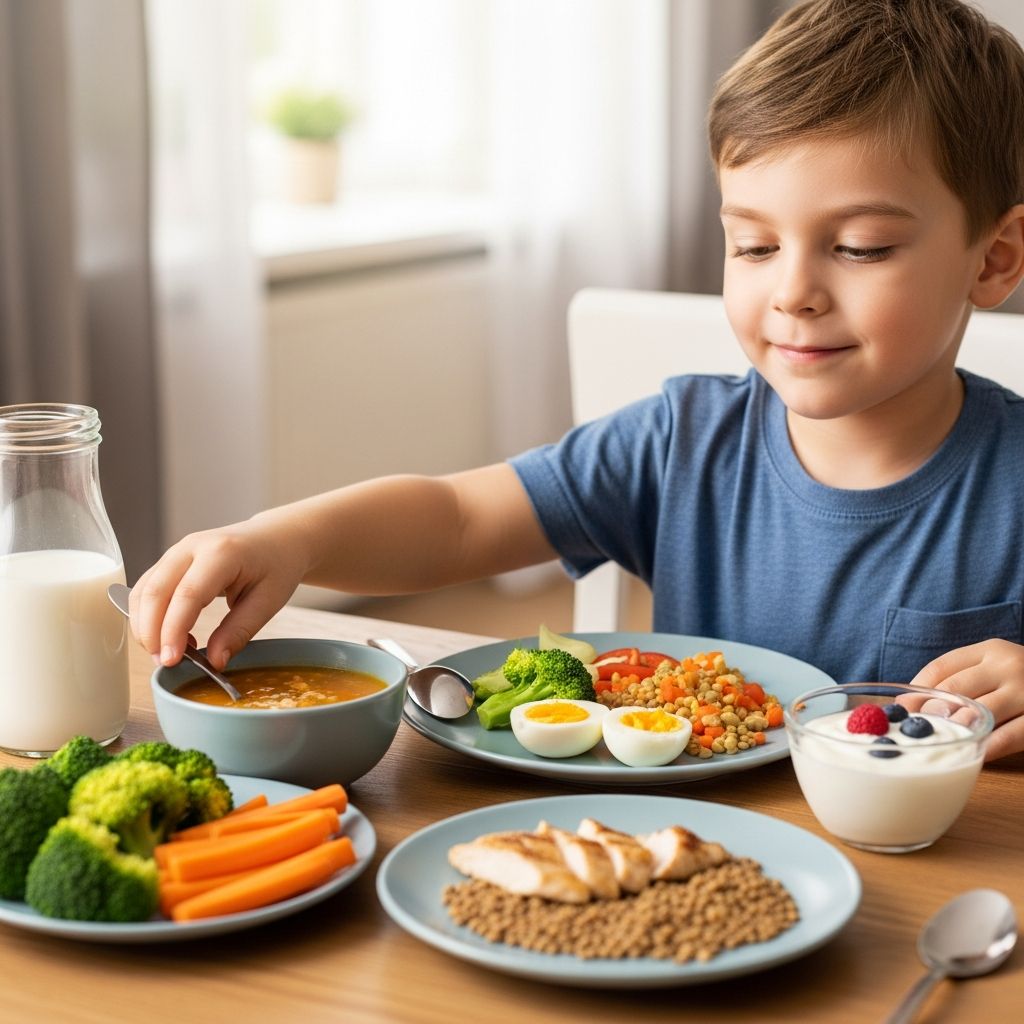
Understanding Protein’s Role in Child Development
Protein stands as one of the most critical macronutrients for children, serving far more purposes than simply building muscle. During childhood and adolescence, protein actively supports the formation of enzymes, hormones, antibodies, and other essential body compounds. Unlike adults who primarily need protein for maintenance, growing children require adequate protein intake to support their rapidly expanding bodies and developmental milestones. The protein your child consumes becomes incorporated into virtually every cell, making it fundamental to their physical growth, immune system strength, and metabolic function.
The body uses protein to synthesize new tissues as children grow taller and gain weight. Protein also plays a vital role in maintaining muscle mass, which becomes increasingly important as children become more active through sports and play. Beyond physical growth, protein supports brain development and cognitive function during these formative years. This is why understanding and meeting your child’s protein requirements isn’t simply a matter of following general nutrition guidelines—it’s about providing the building blocks necessary for comprehensive healthy development.
Age-Specific Protein Requirements for Children
Determining how much protein your child needs depends significantly on their age, as nutritional requirements evolve throughout childhood. The Dietary Reference Intakes (DRI) provide science-based recommendations established through rigorous research on growth patterns and nutritional needs. These guidelines serve as the foundation for understanding minimum protein intake necessary to prevent deficiency and ensure normal development.
Toddlers and Preschoolers
Children aged 1 to 3 years require approximately 13 grams of protein daily. This relatively modest amount reflects their smaller body size, though their protein needs per pound of body weight are actually proportionally higher than older children. During this age range, many children transition from breast milk or formula to whole cow’s milk and family foods, marking a significant shift in their nutritional intake.
Early School-Age Children
As children enter school, their protein requirements increase to accommodate growth acceleration. Children aged 4 to 8 years need 19 grams of protein daily. At this stage, their bodies are rapidly developing, and they’re becoming more physically active. The recommended dietary allowance for this age group reflects 0.95 grams per kilogram of body weight daily.
Older School-Age Children
Children aged 9 to 13 years require 34 grams of protein per day. During this phase, children experience gradual acceleration toward adolescence, with increasing muscle development and bone growth. The protein requirement of 0.95 grams per kilogram of body weight remains consistent with younger school-age children.
Adolescents
Teenagers aged 14 to 18 years have varying needs based on sex. Girls require 46 grams of protein daily, while boys need 52 grams. This difference reflects the typical growth patterns and body composition changes during adolescence. Notably, the RDA for this age group drops to 0.85 grams per kilogram of body weight, though this represents higher absolute amounts due to increased body size.
Emerging Research on Protein Requirements
Recent scientific advances have raised important questions about whether current protein recommendations adequately reflect children’s true physiological needs. Traditional methods for establishing these guidelines, known as nitrogen balance techniques, have limitations that may result in underestimating actual requirements.
Newer research methodologies, particularly those using stable isotope amino acid oxidation (IAAO) techniques, suggest that protein requirements for school-aged children aged 6 to 10 years may be approximately 1.55 grams per kilogram of body weight daily. This represents significantly higher requirements than the current DRI of 0.95 grams per kilogram—roughly 63 percent higher. These findings indicate that current recommendations, while preventing deficiency, may not optimize for growth and development potential.
It’s important to note that while these emerging studies provide valuable insights, the scientific community is still evaluating how substantially to adjust recommendations. More research is needed to establish definitive guidelines that account for the variability in individual growth patterns and physical activity levels across the pediatric population.
Actual Protein Intake in American Children
Research examining actual dietary intake patterns reveals that most children in the United States consume substantially more protein than the established DRI recommendations. Studies analyzing national nutrition data show that average protein consumption ranges from 59.7 grams daily for children aged 4 to 8 years, increasing to 79.75 grams daily for adolescents aged 14 to 18 years.
When compared to protein requirements, these intake levels typically exceed recommendations by two to three times. This pattern reflects the widespread availability of protein-rich foods in the American diet and cultural eating patterns that tend toward generous protein portions. For most healthy children, this elevated intake doesn’t pose problems, as excess protein is metabolized and excreted through normal bodily processes.
Best Sources of Protein for Children
While the quantity of protein matters, equally important is choosing high-quality sources that provide complete amino acid profiles and beneficial nutrients. Quality protein sources offer additional nutritional benefits that support overall health beyond protein content alone.
Animal-Based Proteins
Lean meats, poultry, and fish represent excellent protein sources, offering complete proteins containing all nine essential amino acids. Fish varieties, particularly those rich in omega-3 fatty acids, provide additional benefits for brain and cardiovascular health. Eggs represent another versatile animal protein that young children typically enjoy, providing not only protein but also important nutrients like choline crucial for brain development.
Dairy Products
Milk, yogurt, and cheese provide both protein and calcium essential for bone development. However, moderation is important—excessive milk consumption can contribute to constipation, iron deficiency, and unwanted weight gain in young children. Current guidelines recommend that children aged 1 to 2 years consume 24 ounces of milk daily, increasing to 16 ounces for ages 2 to 3, and 20 ounces for ages 4 to 8.
Plant-Based Proteins
Beans, lentils, peas, and soy products like tofu and edamame offer excellent vegetarian protein sources. While individually they may not contain all essential amino acids, combining different plant proteins throughout the day provides complete nutrition. Nuts and seeds, when offered safely without choking hazards, provide protein alongside healthy fats.
Protein Timing and Distribution Throughout the Day
Rather than focusing solely on total daily protein, distributing protein intake across meals and snacks helps optimize utilization. Children benefit from having protein-containing foods at each meal, which also promotes sustained energy and satiety between eating occasions.
A balanced breakfast including protein-rich foods like eggs, yogurt, or whole grain toast with nut butter provides children with stable energy for morning activities and learning. Lunch and dinner should each include a protein source alongside vegetables and whole grains. Afternoon snacks featuring cheese, nuts, or yogurt help maintain adequate intake while preventing overly hungry children at dinner.
Special Considerations for Active Children and Athletes
Children engaging in regular physical activity or competitive sports may benefit from slightly elevated protein intake to support muscle adaptation and recovery. For teen athletes, particularly those aged 15 to 18, requirements can increase from the standard RDA, with some research suggesting up to half a gram of protein per pound of body weight daily during periods of intensive training.
However, this increased need should be met through whole foods rather than protein supplements. Young athletes who incorporate protein-rich foods into their regular diet typically meet enhanced requirements without supplementation. Higher intakes may be particularly beneficial during periods of strength training or when reducing overall caloric intake.
Concerns About Excessive Protein Intake
While protein deficiency remains the primary concern in global nutrition, excessive protein intake warrants attention, particularly when it comes from supplements rather than whole foods. High protein consumption from supplements can potentially contribute to kidney stress, excessive weight gain, and other complications in developing children.
The body can only utilize a certain amount of protein daily. Excess protein undergoes breakdown and excretion by the kidneys. In children with underlying kidney issues or those consuming protein supplements alongside already adequate dietary intake, this burden could theoretically become problematic. Additionally, calories from excess protein contribute to overall energy intake, and if total calories exceed a child’s needs, weight gain results regardless of macronutrient source.
For these reasons, nutritionists and pediatricians generally recommend meeting protein needs through diverse whole foods rather than relying on protein powders, bars, or other processed supplements marketed for children.
Building Balanced Meals with Adequate Protein
Ensuring children receive sufficient protein doesn’t require special meal planning or restrictive diets. Standard dietary guidance emphasizing variety naturally provides adequate protein when children consume a mix of whole foods. The MyPlate model recommends specific protein food group portions based on age, encouraging diversity in protein sources.
Rather than viewing protein as an isolated nutrient, consider it as one component of balanced meals combining protein, whole grains, vegetables, fruits, and healthy fats. A simple lunch of a turkey sandwich on whole wheat bread with vegetables and fruit provides protein alongside fiber and micronutrients. Dinner featuring lean ground beef with pasta and broccoli offers protein with carbohydrates and vegetables.
Addressing Picky Eating and Protein Intake
Children who are selective eaters present particular challenges for ensuring adequate protein consumption. Some children strongly prefer certain textures or flavors, potentially limiting their exposure to diverse protein sources.
When children resist traditional protein sources, creative approaches help. Incorporating finely ground meat into sauces, offering familiar foods with hidden vegetables and legumes, or presenting protein foods in appealing formats like kebabs or nuggets increases acceptance. Building a library of accepted protein sources specific to your child’s preferences ensures adequate intake even with selective eating patterns.
Transitioning to Family Meals and Protein Consistency
A critical period for establishing protein intake patterns occurs when children transition from baby foods to family meals, typically between 12 and 24 months. This transition often marks a rapid increase in protein consumption, particularly when cow’s milk becomes a primary beverage. Establishing healthy eating patterns during this window supports long-term nutritional health.
Frequently Asked Questions
Q: Can children get too much protein?
A: While protein excess is generally excreted safely, very high intakes from supplements rather than whole foods may stress developing kidneys and contribute to excessive weight gain. Most healthy children meeting requirements through regular foods face minimal risk.
Q: Are protein supplements necessary for children?
A: No. Children typically meet protein requirements through balanced whole food diets. Supplements are generally unnecessary and may introduce added sugars or artificial ingredients better avoided during development.
Q: How can I tell if my child is getting enough protein?
A: Growth assessment by your pediatrician provides the most reliable indicator. Children receiving adequate protein typically demonstrate consistent growth along established percentile curves and have good energy levels for play and learning.
Q: Do vegetarian children need different protein strategies?
A: No, though variety becomes more important. Combining different plant proteins throughout the day provides complete amino acid profiles. Consulting with a registered dietitian helps ensure balanced vegetarian diets meet all nutritional needs.
Q: Should I be concerned about protein quality?
A: Quality matters, but variety is more important than perfection. A mix of animal and plant proteins across the week provides essential amino acids and additional nutrients that single sources cannot.
References
- Dietary Protein Requirements in Children: Methods for Consideration — National Center for Biotechnology Information (NCBI). 2022. https://pmc.ncbi.nlm.nih.gov/articles/PMC8147948/
- Optimal Protein Intake in Healthy Children and Adolescents — National Center for Biotechnology Information (NCBI). 2023. https://pmc.ncbi.nlm.nih.gov/articles/PMC10097334/
- How Much Is Too Much Protein for Your Child? — Orlando Health. 2024. https://www.orlandohealth.com/content-hub/how-much-is-too-much-protein-for-your-child/
- Protein for the Teen Athlete — American Academy of Pediatrics HealthyChildren.org. 2024. https://www.healthychildren.org/English/ages-stages/teen/nutrition/Pages/Protein-for-the-Teen-Athlete.aspx
- Protein Foods Group – One of the Five Food Groups — MyPlate.gov, U.S. Department of Agriculture. 2024. https://www.myplate.gov/eat-healthy/protein-foods
- Nutrition for kids: Guidelines for a healthy diet — Mayo Clinic. 2024. https://www.mayoclinic.org/healthy-lifestyle/childrens-health/in-depth/nutrition-for-kids/art-20049335