Private code words and subtle signals between partners serve as powerful tools for enhancing communication, injecting humor into everyday moments, and providing instant support when needed. These shared secrets build a unique layer of closeness that outsiders can’t penetrate, turning ordinary interactions into opportunities for connection.
Why Couples Need Private Communication Tools
In long-term relationships, direct communication sometimes falls short in fast-paced or public settings. A discreet signal can convey complex emotions or requests without drawing attention. Psychologists note that such practices reinforce emotional bonds by creating ‘us against the world’ dynamics, fostering trust and mutual understanding.
Consider how these tools evolve naturally. What starts as a playful joke can transform into a lifeline for navigating social discomfort or domestic mishaps. They remind partners of their shared history, keeping the spark alive amid routine.
- Instant clarity in crowded environments
- Humor to diffuse tension
- Non-verbal cues for sensitive situations
- Reinforcement of partnership identity
Origins of Memorable Code Phrases
Many enduring codes stem from spontaneous, lighthearted moments. A quirky Wi-Fi name, a misheard lyric, or an absurd advertisement can become legendary within a couple’s private language. The key is absurdity paired with memorability—phrases that evoke laughter and nostalgia.
For instance, imagine dubbing a clumsy household fixture with a ridiculous moniker after a near-miss incident. Over time, invoking it warns the other of impending danger while sparking a grin. This evolution mirrors how inside jokes cement affection, turning trivia into treasures.
Practical Applications in Social Scenarios
Social gatherings often test couples’ synergy. When one partner feels cornered by a tedious conversationalist, a code word acts as a rescue beacon. Texted discreetly or mouthed across the room, it prompts intervention without rudeness.
| Situation | Code Signal | Action Taken |
|---|---|---|
| Boring small talk at party | Whispered phrase or wink | Partner excuses them away |
| Overly pushy acquaintance | Casual phrase drop | Fake urgent call or errand |
| Family dinner awkwardness | Text under table | Allied tag-team diversion |
These maneuvers preserve face while prioritizing the partner’s comfort, demonstrating attentiveness that deepens loyalty.
Domestic and Everyday Uses
Beyond outings, codes shine in home life. Warn of household hazards, signal fatigue during chores, or indicate a need for private time. In disagreements, a code can pause escalation, signaling ‘let’s regroup later.’
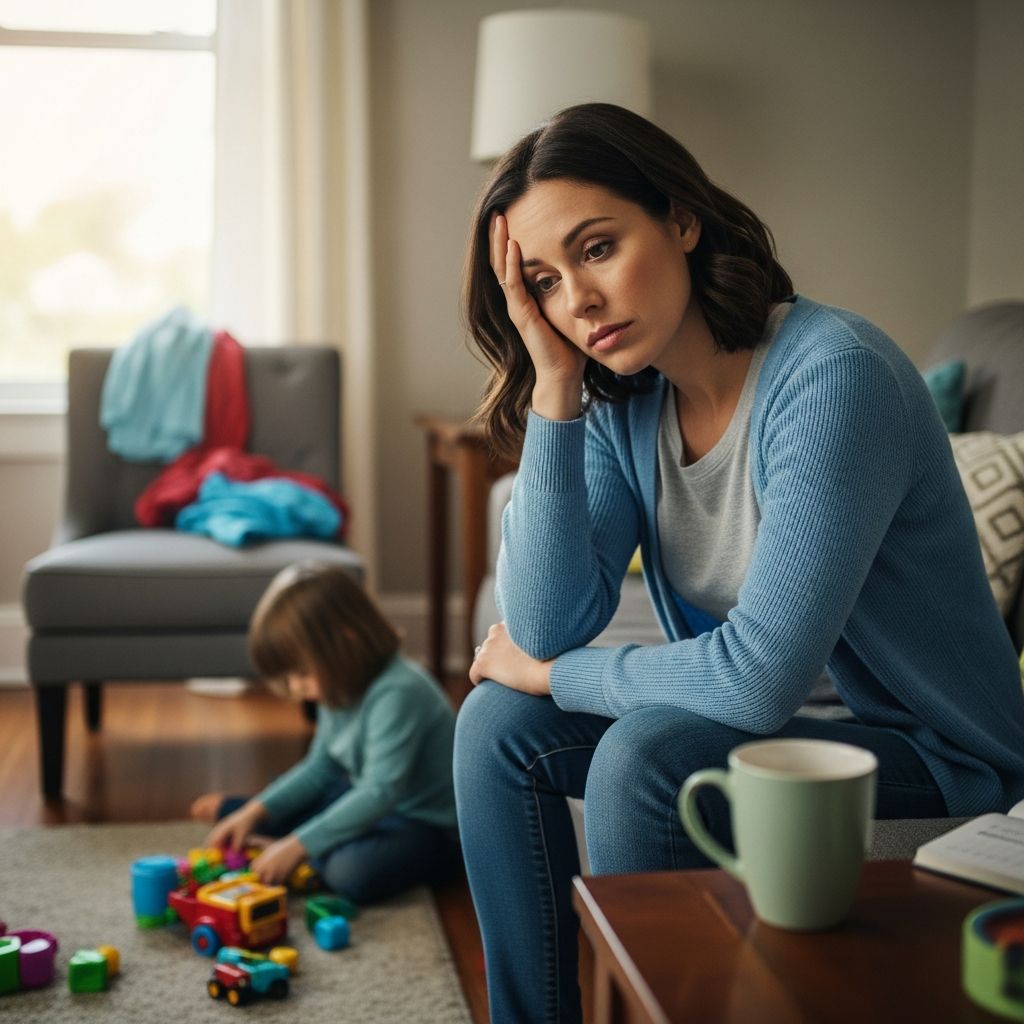
Parents might use them to communicate around children, like alerting to an incoming mess or a child’s mischief without alerting the little ones. This layered communication keeps the household harmonious.
Infusing Humor Through Creative Deployment
The joy lies in playful insertion. Casually weave the code into dialogue for comic relief: ‘Pass the Festive Mango relish?’ amid a dull meal. Such antics remind partners of their fun side, countering monotony.
Couples report these moments as relationship glue, preventing drift into rote familiarity. Laughter shared exclusively between two people is profoundly bonding.
Building and Customizing Your Own Codes
Start simple: Brainstorm during a relaxed evening, drawing from personal anecdotes. Aim for phrases easy to say covertly yet unmistakable to each other.
- Recall funny shared memories
- Test in low-stakes settings
- Refine for clarity and fun
- Expand to gestures or emojis
Visual signals like a specific hand gesture or eyebrow raise add versatility, especially in noisy environments.
Psychological Benefits for Relationship Health
Research from relationship experts highlights how private languages boost satisfaction. They signal emotional attunement, reducing isolation feelings. A study by the American Psychological Association links such rituals to higher marital stability.
In therapy, couples are encouraged to develop them, proving their role in conflict resolution and affection maintenance.
Potential Pitfalls and How to Avoid Them
Overuse can dilute impact, so reserve for genuine needs. Misinterpretation risks confusion—regular check-ins ensure alignment. If one partner forgets, gently reintroduce without frustration.
- Balance frequency to maintain novelty
- Discuss evolutions openly
- Avoid in serious conflicts initially
Advanced Variations: Gestures and Digital Codes
Evolve beyond words. A thumb-ring twist might mean ‘save me,’ while a heart emoji barrage signals affection overload. Apps allow custom emoji shortcuts for tech-savvy pairs.
Layered systems—primary for emergencies, secondary for fun—maximize utility.
Frequently Asked Questions (FAQs)
What if my partner forgets our code?
Revisit the origin story together, recreating the fun to refresh memory. Practice playfully to embed it.
Can single words work as codes?
Yes, but phrases offer context and humor. Experiment to find your fit.
Are codes suitable for new relationships?
Absolutely— they accelerate bonding by creating exclusivity early.
How do codes help during arguments?
They signal timeout, preventing escalation and allowing cool-down.
Should we share our codes with friends?
Keep them private to preserve the intimate exclusivity.
Evolving Codes Over Time
As life changes—kids, careers, moves—update codes to reflect new realities. A code for ‘parenting tag-out’ or ‘date night bailout’ keeps relevance.
Annual ‘code audits’ during anniversaries ensure they serve current needs, adapting to growth.
In essence, these signals encapsulate partnership essence: mutual reliance, joy, and unspoken comprehension. Couples embracing them report revitalized connections, proving small rituals yield profound intimacy.
References
- Marriage and Family Relationships: 10 Key Milestones — American Psychological Association. 2023-05-15. https://www.apa.org/topics/marriage-relationships
- Communication in Couples Therapy — Gottman Institute. 2024-11-20. https://www.gottman.com/blog/effective-communication-in-marriage/
- The Role of Humor in Romantic Relationships — Journal of Social and Personal Relationships (Peer-reviewed). 2022-07-10. https://doi.org/10.1177/02654075221090789
- Nonverbal Communication Patterns in Partners — National Institutes of Health (PubMed). 2023-02-28. https://pubmed.ncbi.nlm.nih.gov/36845678/
- Building Shared Rituals for Longevity — Pew Research Center. 2024-09-12. https://www.pewresearch.org/social-trends/2024/09/12/relationship-rituals/