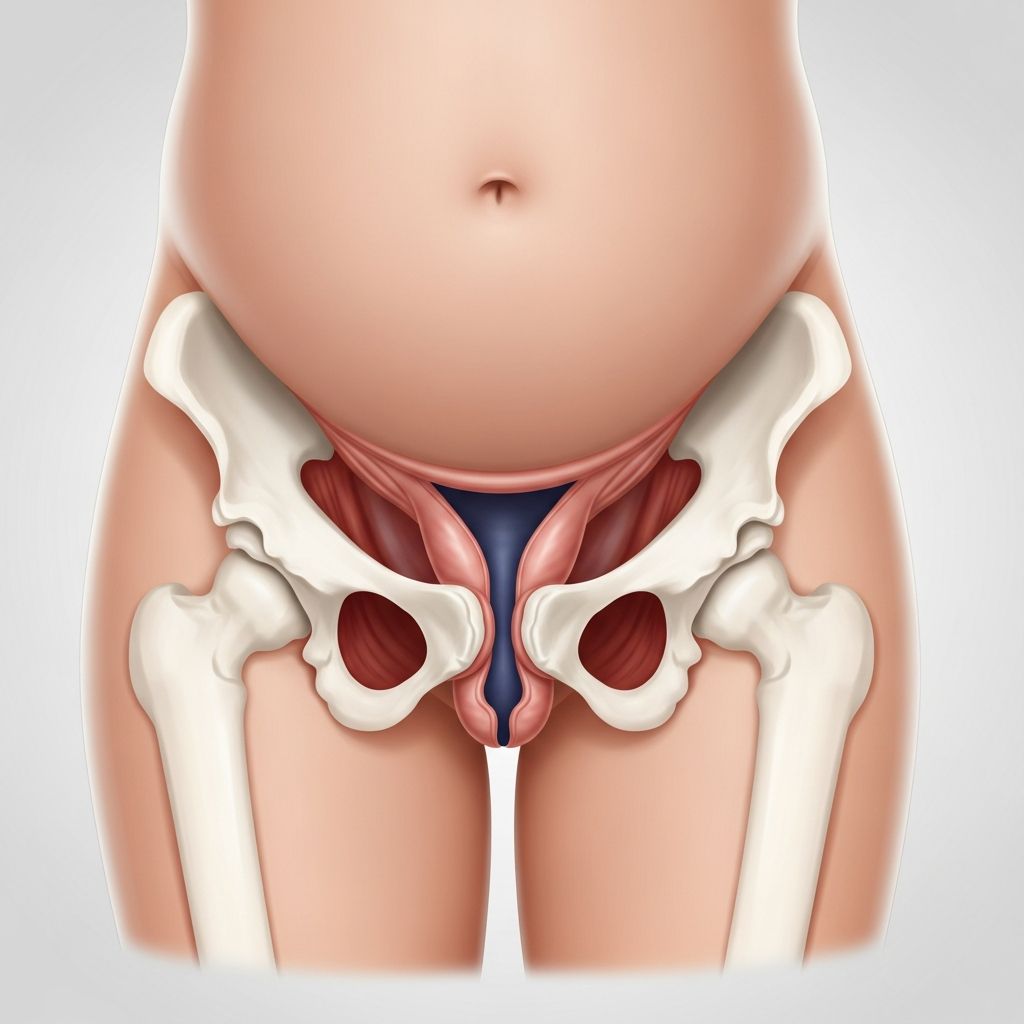
Preterm birth, defined as delivery before 37 weeks of gestation, affects millions worldwide and carries significant health risks for newborns. While no single method guarantees prevention, a range of evidence-based interventions can substantially lower the odds, particularly for high-risk pregnancies. This article delves into the primary treatments, their mechanisms, ideal candidates, and potential outcomes, empowering expectant parents with reliable information.
Understanding Preterm Birth Risks
Preterm labor arises from factors like prior early deliveries, cervical insufficiency, infections, or multiples. Early identification through routine ultrasounds measuring cervical length is crucial, as a shortened cervix signals elevated risk. Women with a history of birth before 34 weeks or cervical trauma merit proactive care. Lifestyle adjustments, such as avoiding smoking and managing chronic conditions, complement medical strategies but are insufficient alone.
Hormone-Based Prevention: The Role of Progesterone
**Progesterone therapy** stands as a cornerstone for preventing recurrent preterm birth. This naturally occurring hormone stabilizes the uterus, inhibits contractions, and supports cervical integrity. Administered vaginally as a gel, suppository, or intramuscular injection (17P), it targets women with prior preterm singleton births or short cervixes detected before 24 weeks.
- Vaginal progesterone: Self-inserted daily like a tampon until 36-37 weeks; ideal for short cervix cases, reducing risk by up to 30-50%.
- Intramuscular 17P: Weekly shots from 16-20 weeks to 37 weeks; cuts recurrence by about one-third in eligible patients.
Recent studies affirm efficacy, though FDA reviews ongoing for broader use. Side effects are minimal, including mild spotting or injection-site irritation. Consultation with maternal-fetal specialists ensures personalized dosing.
Surgical Interventions: Cervical Cerclage and Pessaries
For structural cervical weaknesses, surgical reinforcement provides mechanical support. **Cervical cerclage** involves stitching the cervix shut, typically between 12-24 weeks under anesthesia, with removal near term.
| Type | Indication | Procedure Timing | Success Rate Insight |
|---|---|---|---|
| Transvaginal | History of loss, short cervix | 12-24 weeks | Reduces preterm risk in select cases |
| Emergency | Dilating cervix <24 weeks | Acute onset | Delays delivery 4-8 weeks avg |
**Pessaries**, soft silicone rings fitted vaginally, offer a non-invasive alternative, especially for short cervixes. They redistribute pressure to maintain closure without surgery. Choice between cerclage, pessary, or progesterone hinges on history and preferences; no superior option universally.
Acute Management: Halting Preterm Labor
When contractions begin before 37 weeks, **tocolytics** temporarily suppress uterine activity, buying 24-48 hours for transfer to specialized units or fetal maturation therapies. Common agents include nifedipine, indomethacin, or terbutaline, avoiding long-term use due to side effects like maternal tachycardia.
Hydration and bed rest augment these, though evidence for strict rest is limited. Monitoring fetal heart rate and contractions guides decisions; irreversible labor prompts delivery planning.
Enhancing Fetal Maturity: Steroids and Neuroprotection
Even if birth looms, **antenatal corticosteroids** (betamethasone or dexamethasone) accelerate lung surfactant production, slashing respiratory distress syndrome (RDS) by 40-60% when given 24-34 weeks. Two doses 24 hours apart cross the placenta, maturing multiple organs.
**Magnesium sulfate**, infused pre-delivery from 24-32 weeks, neuroprotects against cerebral palsy by stabilizing neurons. Antibiotics combat maternal infections or Group B strep, preventing neonatal sepsis.
Who Qualifies for These Interventions?
Candidacy varies:
- Progesterone: Prior preterm birth (singleton), short cervix (<25mm).
- Cerclage: Recurrent losses, painless dilation.
- Steroids/Tocolytics: Active preterm labor 24-34 weeks.
- Pessary: High-risk short cervix, multiples.
Transvaginal ultrasound at 16-24 weeks screens effectively. Multidisciplinary teams, including perinatologists, tailor plans.
Potential Side Effects and Considerations
Interventions carry risks: Progesterone may cause discharge; cerclage risks infection or rupture (1-2%); tocolytics maternal hypotension. Benefits generally outweigh harms in high-risk scenarios. Shared decision-making addresses ethics, especially with multiples or anomalies.
Lifestyle and Supportive Measures
While medical treatments lead, optimizing health amplifies success: balanced nutrition, prenatal vitamins, stress reduction, and smoking cessation. Prophylactic antibiotics for PPROM (preterm premature rupture of membranes) extend latency. Post-treatment surveillance includes frequent ultrasounds and non-stress tests.
Outcomes and Long-Term Impact
Combined approaches delay delivery by days to weeks, halving NICU admissions and complications like IVH or NEC. Longitudinally, treated cohorts show improved neurodevelopment. Ongoing trials refine protocols, emphasizing equity in access.
Frequently Asked Questions (FAQs)
What is the most effective way to prevent preterm birth?
Progesterone therapy reduces risk by 30-50% in high-risk women; cerclage suits cervical issues. No universal fix exists—personalized care is key.
Is progesterone safe for all pregnant women?
No, it’s targeted for those with prior preterm birth or short cervix. Consult providers for eligibility.
How soon after cerclage can I resume activities?
Light activity post-procedure; avoid heavy lifting. Follow-up ensures stitch integrity.
Do tocolytics guarantee stopping labor?
They delay briefly (24-48 hours) for steroids, not halt permanently.
Can preterm prevention treatments affect future pregnancies?
Generally safe; prior cerclage doesn’t preclude future ones if indicated.
References
- What treatments are used to prevent preterm labor and birth? — NICHD, Eunice Kennedy Shriver National Institute of Child Health and Human Development. 2023. https://www.nichd.nih.gov/health/topics/preterm/conditioninfo/treatments
- Care for Preterm Birth Complications — Brigham and Women’s Hospital. 2024. https://www.brighamandwomens.org/obgyn/maternal-fetal-medicine/pregnancy-complications/preterm-birth
- Preterm labor – Diagnosis and treatment — Mayo Clinic. 2025-01-10. https://www.mayoclinic.org/diseases-conditions/preterm-labor/diagnosis-treatment/drc-20376848
- Preterm Labor and Birth — ACOG, American College of Obstetricians and Gynecologists. 2024. https://www.acog.org/womens-health/faqs/preterm-labor-and-birth
- Treatments for preterm labor — March of Dimes. 2023. https://www.marchofdimes.org/find-support/topics/birth/treatments-preterm-labor
- Treatments to prevent a premature (preterm) birth — Tommy’s. 2024. https://www.tommys.org/pregnancy-information/premature-birth/treatment-to-prevent-a-premature-birth