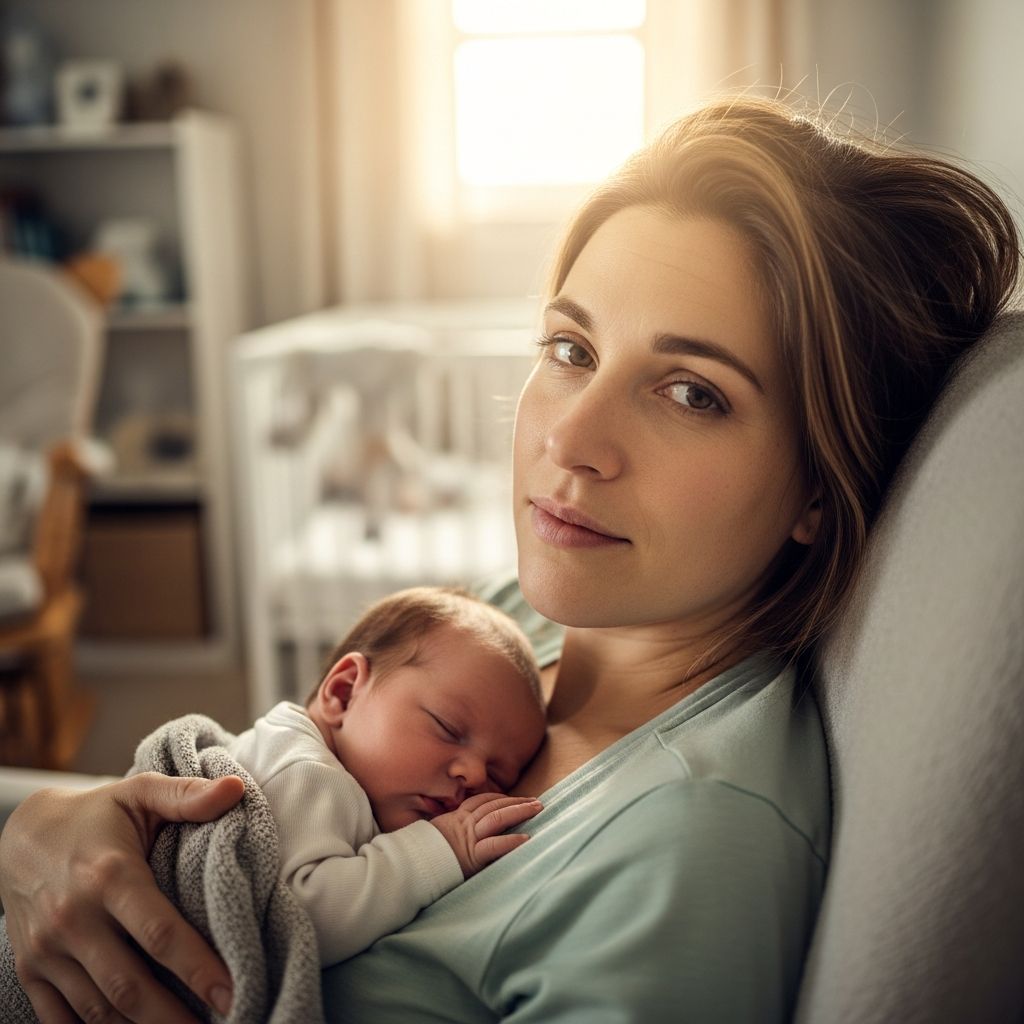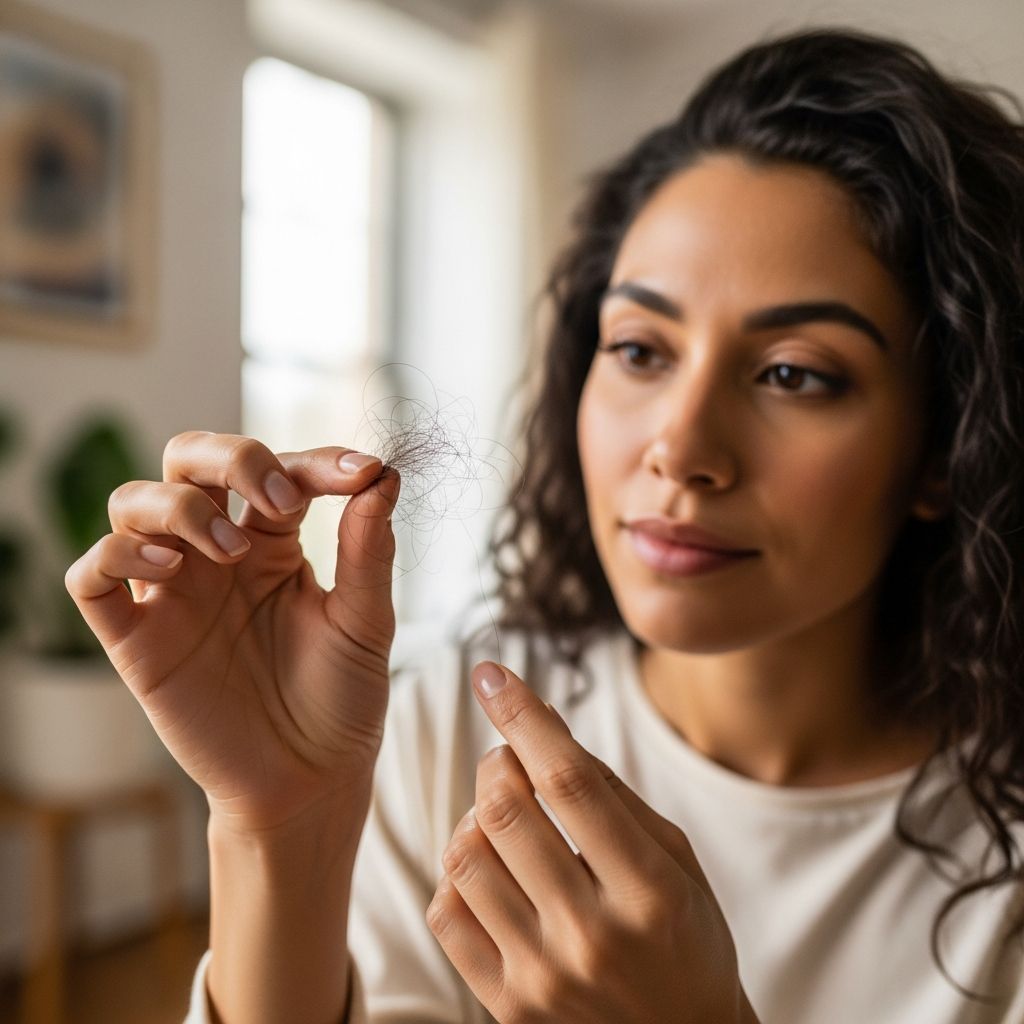
Postpartum hair shedding, a common experience for new mothers, typically begins 2-3 months after delivery and peaks around 4 months, resolving within 6-12 months as hormones stabilize.16 This temporary condition, known as telogen effluvium, results from elevated estrogen levels during pregnancy shifting more hair follicles into a resting phase, followed by synchronized shedding post-birth.6
Understanding the Science Behind Hair Changes After Birth
During pregnancy, hormones like estrogen prolong the growth phase of hair, leading to thicker locks. After birth, a sharp drop in these hormones pushes follicles into the shedding phase simultaneously.6 Factors such as stress, nutritional deficiencies from pregnancy demands, blood loss during delivery, and breastfeeding can exacerbate this.18 Up to 50% of hair can shed, but it is not permanent; new growth cycles resume naturally.6
Recognizing this as a normal process helps reduce anxiety. Unlike pattern baldness, postpartum shedding affects the entire scalp evenly and reverses with time.1
Nutritional Strategies to Bolster Hair Follicle Health
A nutrient-dense diet supports hair recovery by addressing common postpartum deficiencies. Prioritize foods rich in key vitamins and minerals that fuel keratin production and follicle strength.24
- Protein: Essential for hair structure; include eggs, lean meats, beans, and Greek yogurt daily.
- Iron: Critical post-delivery blood loss; spinach, lentils, red meat, and fortified cereals help prevent anemia-related shedding.2
- Omega-3 Fatty Acids: Reduce scalp inflammation; salmon, flaxseeds, walnuts, and chia seeds promote circulation.14
- Biotin and B-Vitamins: Support growth; nuts, seeds, whole grains, and avocados provide these.35
- Zinc and Vitamin D: Aid follicle cycling; pumpkin seeds, sunlight exposure, and fatty fish are ideal sources.24
Stay hydrated with 8-10 glasses of water daily, especially if breastfeeding, to prevent dry scalp and brittle strands.23 Consider continuing prenatal vitamins or postpartum-specific supplements like those with collagen, adaptogens, and biotin after consulting a doctor.15
Gentle Hair Care Routines for Thinning Strands
Minimize mechanical damage during this vulnerable period to retain more hair and encourage regrowth.16
- Use wide-tooth combs on wet hair to detangle without pulling.
- Opt for sulfate-free, volumizing shampoos and lightweight conditioners to avoid weighing down fine strands.7
- Air-dry when possible or use cool settings on blow dryers; limit heat tools entirely.56
- Avoid tight styles like ponytails or braids that stress the hairline.12
Incorporate daily scalp massages with fingertips or a soft brush for 5 minutes to boost blood flow. Add natural oils like rosemary, castor, or peppermint diluted in a carrier for stimulation, always patch-testing first.45
Supplements and Natural Remedies Proven Helpful
| Remedy | Key Benefits | Sources/Foods |
|---|---|---|
| Fish Oil | Reduces inflammation, thickens hair | Wild-caught fish, supplements4 |
| Aloe Vera | Thickens strands, soothes scalp | Fresh juice or gel applications4 |
| B-Complex | Stress reduction, keratin support | Eggs, nuts, greens45 |
| Rosemary Oil | Follicle stimulation, growth promotion | Diluted scalp massages4 |
| Stinging Nettle Tea | Mineral-rich, tissue building | Daily herbal tea4 |
Postpartum formulas like Nutrafol Women’s combine these with collagen for targeted support.1 Always discuss with a healthcare provider before starting, particularly if breastfeeding.5
Advanced Treatments for Persistent Shedding
For cases beyond 6 months or severe thinning, professional options accelerate recovery. Platelet-Rich Plasma (PRP) therapy uses your blood’s platelets injected into the scalp to stimulate follicles, showing promising results.1 Dermatologists may recommend minoxidil topicals or low-level laser therapy, but evidence is stronger for nutrition and lifestyle first.1
Regular trims every 8-10 weeks remove split ends, preventing breakage that mimics extra shedding.4
Lifestyle Adjustments to Minimize Exacerbating Factors
Holistic habits amplify hair health efforts. Manage stress through short walks, meditation, or sleep when possible—chronic stress prolongs telogen phase.34 Gentle exercise improves circulation without exhaustion.5 Limit exposure to harsh water by installing filters, reducing mineral buildup.4
Breastfeeding duration influences shedding; optimal periods may lessen severity per research.8
Emotional Well-Being and Realistic Expectations
Hair changes can impact self-image amid new motherhood demands. Practice self-compassion, focusing on temporary nature. Styling tricks like loose waves, volumizing products, or accessories add fullness instantly.7 Support groups or counseling normalize the experience.
Frequently Asked Questions
Is postpartum hair loss preventable?
No, it’s a natural hormonal response, but nutrition, gentle care, and stress management minimize severity and speed regrowth.36
When does postpartum shedding start and end?
Typically 2-4 months postpartum, peaking at 4 months and resolving by 9-12 months.6
Are supplements safe while breastfeeding?
Many are, like biotin and iron, but consult your doctor to avoid interactions.15
Does breastfeeding worsen hair loss?
It may prolong it due to nutrient demands, but balanced intake mitigates this.8
Should I see a doctor for shedding?
If beyond 12 months, patchy, or with scalp issues, yes—to rule out thyroid or other conditions.1
References
- Postpartum Hair Loss: What to Expect and the Best Treatments to Try — US Dermatology Partners. 2023. https://www.usdermatologypartners.com/blog/post-partum-hair-loss-treatments/
- Top Tips for Postpartum Hair Loss Prevention — Holt Hair Restoration. 2023. https://holthair.com/postpartum-hair-loss-prevention/
- How to Prevent Postpartum Hair Loss — Hair Doctors. 2023. https://www.hairdoctors.com.au/blog/how-to-prevent-postpartum-hair-loss/
- Natural Remedies for Postpartum Hair Loss — AANMC. 2023. https://aanmc.org/natural-remedies/natural-remedies-for-postpartum-hair-loss/
- 6 Helpful Tips to Tackle Postpartum Hair Loss — Flo Health. 2023. https://flo.health/being-a-mom/recovering-from-birth/postpartum-problems/tips-to-tackle-postpartum-hair-loss
- Postpartum Hair Loss: Causes, Treatment & What to Expect — Cleveland Clinic. 2023-10-18. https://my.clevelandclinic.org/health/diseases/23297-postpartum-hair-loss
- Hair loss in new moms: Dermatologist tips — American Academy of Dermatology. 2023. https://www.aad.org/public/diseases/hair-loss/insider/new-moms
- Investigation of exacerbating factors for postpartum hair loss — NIH PMC. 2024. https://pmc.ncbi.nlm.nih.gov/articles/PMC10846762/