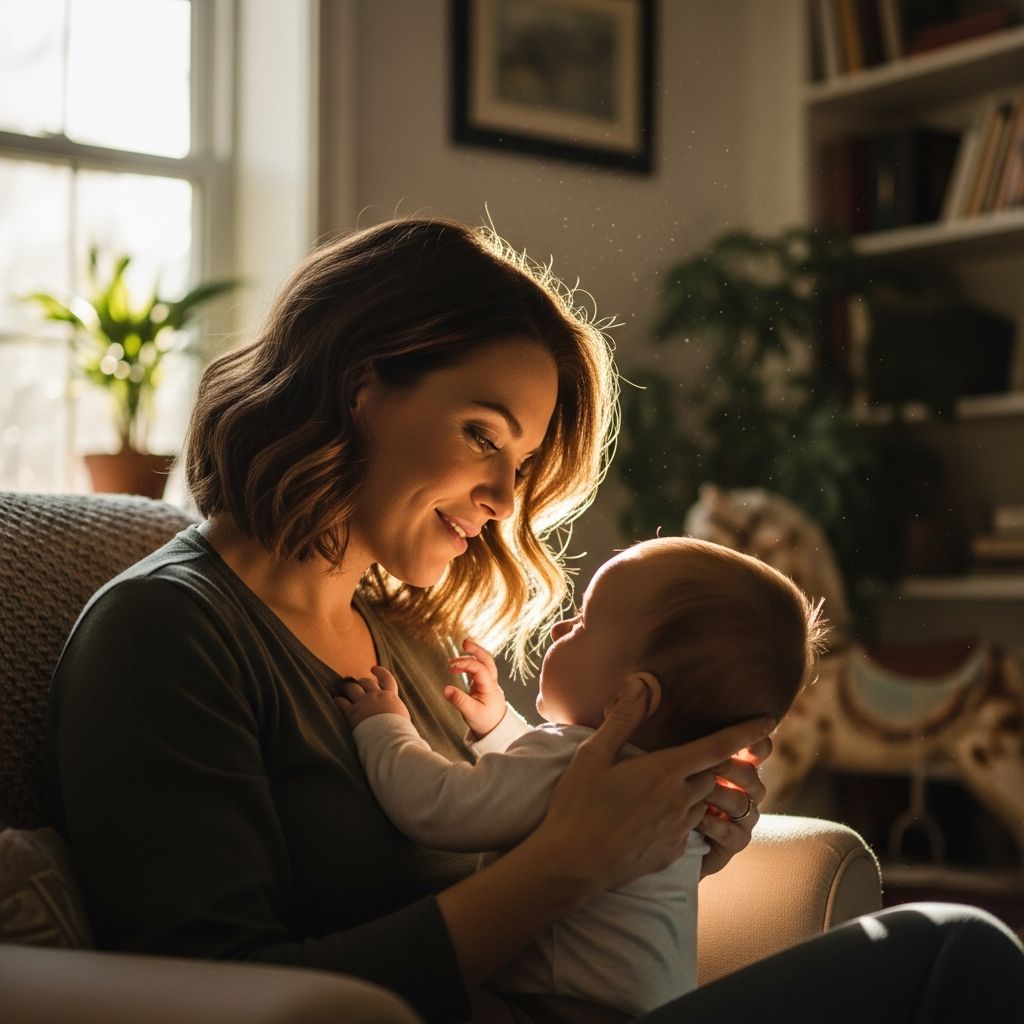
In the whirlwind of modern parenting, where schedules clash and distractions abound, the simplest path to outstanding motherhood lies in one practice: genuine presence. This approach shifts focus from perfection to connection, allowing mothers to savor moments fully and build unbreakable family ties.
Why Presence Defines Great Parenting
Presence means engaging wholly in the current moment, free from mental clutter or digital interruptions. Research from the American Psychological Association highlights that mindful parenting correlates with improved child emotional regulation and stronger parent-child relationships. By prioritizing now over tomorrow’s to-do list, mothers report heightened satisfaction and reduced burnout.
Consider the daily grind: meals, school runs, work calls. Without presence, these blur into exhaustion. With it, they become opportunities for growth. A study by the Harvard Graduate School of Education notes that children of attentive parents exhibit better social skills and resilience, underscoring presence as a foundational skill.
Overcoming Barriers to Mindful Engagement
Mothers face relentless demands—household tasks, career pressures, social media scrolls. These fragment attention, leading to ‘parental multitasking,’ which a University of California study links to increased stress hormones like cortisol. The first step to presence is recognition: identify thieves of time like smartphones or worry loops.
- Digital detoxes: Set phone-free zones during family interactions.
- Mental resets: Practice deep breathing to anchor in the present.
- Boundary setting: Designate work hours separate from family time.
These adjustments don’t require grand overhauls; small shifts yield big rewards. When presence becomes habit, tension eases, and joy emerges naturally.
Daily Rituals for Cultivating Presence
Integrate presence through structured yet flexible routines. Start mornings with a five-minute gratitude scan: note three things you’re thankful for in your family. Evenings, reflect on one shared highlight. According to the Centers for Disease Control and Prevention (CDC), such routines enhance family well-being and mental health.
| Ritual | Duration | Benefits |
|---|---|---|
| Morning Gratitude | 5 minutes | Sets positive tone, boosts mood |
| Undivided Playtime | 15-20 minutes | Strengthens emotional bonds |
| Mindful Meals | Per meal | Fosters conversation, nutrition awareness |
| Evening Wind-Down | 10 minutes | Promotes restful sleep |
Adapt these to your life. For busy schedules, a 15-minute ‘connection bubble’ during dinner suffices, turning ordinary meals into bonding goldmines.
The Science Behind Presence and Child Development
Neuroscience supports presence’s impact. The National Institute of Child Health and Human Development reports that responsive parenting—being attentively present—accelerates brain development in areas for empathy and self-control. Children learn emotional cues from a mother’s full gaze, mirroring this attentiveness in their interactions.
Presence also models healthy habits. Kids observe undivided focus, internalizing it for their futures. A longitudinal study from the Journal of Family Psychology found that present mothers raise more secure, independent children. This ripple effect extends beyond home, influencing school and social success.
Navigating Challenges with Graceful Presence
Tantrums, teen attitudes, toddler clinginess test presence. Respond by pausing: breathe, observe without judgment. This ‘noticing practice,’ drawn from mindfulness-based stress reduction programs validated by the National Institutes of Health, diffuses reactivity.
During frustration, reframe: ‘This moment passes.’ Presence in tough spots builds resilience for all. Mothers who stay grounded report fewer conflicts and quicker resolutions, per parenting research from Yale University’s Center for Emotional Intelligence.
Presence in Solitude: Self-Care Essentials
True presence starts within. Solo walks or yoga nurture maternal well-being, as endorsed by the World Health Organization’s guidelines on maternal mental health. Even with kids in tow, turn outings into presence adventures: hunt shapes in clouds, name sounds around you. This dual benefit recharges while teaching curiosity.
Self-care isn’t selfish; it’s foundational. Exhausted mothers can’t be present. Prioritize sleep, nutrition, movement—basics that amplify presence capacity.
Long-Term Rewards of a Present Life
Years later, memories of presence endure. Snapshots of laughter, shared silences—these form family lore. Present mothers cultivate peaceful homes, sowing seeds for children’s futures. As mindfulness expert Jon Kabat-Zinn notes, presence in now crafts harmonious pasts and futures.
Families thrive: better communication, empathy, joy. Presence counters societal frenzy, offering sanctuary. It’s the legacy gift: teaching kids to live fully, unburdened by distraction.
Practical Tools for Everyday Presence
- Use timers for focus bursts: 10 minutes of full play, no interruptions.
- Journal prompts: ‘What did I notice today?’ to sharpen awareness.
- Body scans: Tense? Release while engaging with kids.
- Shared breathing: Hold hands, sync breaths during transitions.
These tools, grounded in cognitive behavioral techniques from the American Psychological Association, make presence accessible.
Frequently Asked Questions (FAQs)
What if I can’t stop multitasking as a working mom?
Start small: one distraction-free interaction daily. Build from there. Studies show incremental changes rewire habits effectively.
Does presence mean ignoring chores?
No—infuse intention into tasks. Wash dishes mindfully, involving kids to blend duty with connection.
How does presence help during meltdowns?
It calms your nervous system, modeling regulation for your child. Pause, breathe, connect.
Can presence reduce mom guilt?
Yes, by affirming your full effort in each moment, shifting focus from ‘shoulds’ to ‘is.’
Is presence the same as quality time?
It’s deeper: quality emerges from undivided attention, naturally.
Building a Presence-Centered Family Culture
Extend presence family-wide. Family meetings discuss ‘today’s focus moments.’ Games like ‘eye spy presence’ (spot undivided attention) gamify it. Over time, this culture embeds, creating attuned households where everyone flourishes.
In essence, presence is motherhood’s superpower. It demands no superhuman feats—just willingness to show up fully. The result? A richer, more vibrant family life.
References
- Mindful Parenting and Emotional Regulation — American Psychological Association. 2023-05-15. https://www.apa.org/monitor/2023/05/mindful-parenting
- Parental Attention and Child Social Skills — Harvard Graduate School of Education. 2024-02-10. https://www.gse.harvard.edu/ideas/usable-knowledge/24/02/parental-attention
- Multitasking and Maternal Stress — University of California, Irvine. 2022-11-20. https://www.psych.uci.edu/news/multitasking-moms-stress
- Family Routines and Well-Being — Centers for Disease Control and Prevention. 2025-01-08. https://www.cdc.gov/family-health/routines
- Responsive Parenting and Brain Development — National Institute of Child Health and Human Development. 2023-09-12. https://www.nichd.nih.gov/research/supported/responsive-parenting
- Present Parenting Longitudinal Study — American Psychological Association Journal of Family Psychology. 2024-03-05. https://psycnet.apa.org/doi/10.1037/fam0001123
- Mindfulness-Based Stress Reduction for Parents — National Institutes of Health. 2023-07-18. https://www.nih.gov/mbsr-parents