Preschoolers aged 3 to 5 years require consistent, quality sleep to support their rapid physical, emotional, and cognitive growth. Typically, these children need 10 to 13 hours of sleep per 24-hour period, which may include naps for some. Establishing healthy sleep patterns during this stage lays the foundation for lifelong well-being, enhancing daytime alertness, immune function, and behavioral regulation.
Understanding Sleep Requirements for Young Children
Sleep needs vary slightly among preschoolers, but experts from institutions like Nationwide Children’s Hospital recommend 11 to 13 hours total, accounting for individual differences. The Raising Children Network aligns with this, suggesting 10-13 hours nightly, potentially plus a short daytime nap. Neighborhood Pediatrics notes 10-12 hours, often incorporating a 1-2 hour midday rest, even as napping phases out.
These guidelines stem from consensus among pediatric sleep authorities, emphasizing that insufficient sleep correlates with increased illness risk and mood instability. Global studies highlight cultural variances; for instance, children in Eastern Europe and Asia may have longer naps but shorter nighttime sleep compared to Western peers. Parents should observe their child’s cues, as biological rhythms differ—some are natural early birds, others night owls.
| Age Group | Recommended Total Sleep (Hours) | Nap Inclusion | Source |
|---|---|---|---|
| 3-5 Years (Preschoolers) | 10-13 | Optional 1-2 hours | |
| 1-2 Years (Toddlers) | 11-14 | 1-3 hours |
The Transition from Naps to Independent Night Sleep
Most preschoolers phase out naps between ages 3 and 5, shifting to full nighttime sleep. If napping persists, limit it to 1 hour to avoid bedtime resistance, as prolonged daytime sleep reduces nighttime tiredness. Mayo Clinic advises spacing naps at least four hours before bed to maintain sleep pressure.
Replace naps with ‘quiet time’—a structured hour of low-stimulation activities like reading or puzzles. This preserves rest without interfering with evenings. CHOC Health suggests this transition supports sustained energy, preventing fussiness. Monitor for signs of nap dropout: prolonged settling at night or early awakenings signal readiness.
- Observe wake windows: 4.5-5.5 hours post-nap to bedtime.
- Shorten naps gradually if over 90 minutes.
- Introduce quiet time with dim lights and cozy spots.
Building a Rock-Solid Bedtime Routine
A predictable evening sequence signals sleep time, reducing resistance. Aim for consistency across weekdays and weekends. Start 30-60 minutes before bed with calming activities: hygiene, stories, and cuddles.
Example routine for a 7:30 pm bedtime:
- 7:00 pm: Bath or face wash, pajamas, teeth brushing.
- 7:15 pm: Dim lights, read 2-3 books, soft singing.
- 7:30 pm: Goodnight kisses, lights out.
Avoid screens 1-2 hours prior, as blue light disrupts melatonin. Nationwide Children’s stresses routines in the sleep space for association. Taking Cara Babies recommends 7-8 pm bedtimes for optimal behavioral outcomes.
Optimizing the Sleep Environment
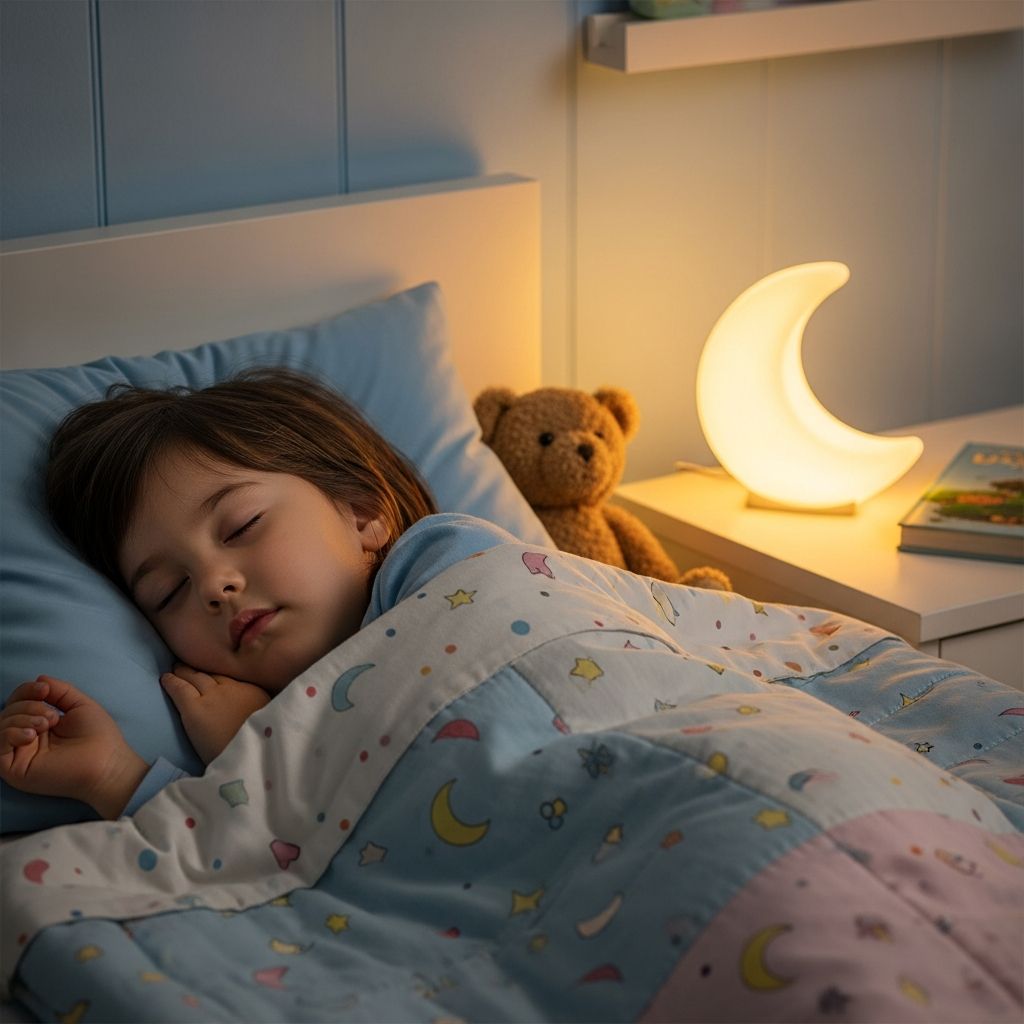
A conducive bedroom promotes uninterrupted rest: cool (68-72°F), dark (blackout curtains), quiet (white noise if needed), and comfortable. Nightlights are acceptable for fear-of-dark phases, but ban TVs or devices.
- Use breathable bedding and firm mattresses.
- Keep toys minimal to avoid play distractions.
- Temperature control prevents overheating.
Seattle Children’s affirms these setups align with 10-13 hour needs.
Common Sleep Challenges and Proven Fixes
Preschoolers often exit beds, fear darkness, or experience regressions. Address with firmness and empathy.
Bedtime Stalling: Set limits like ‘one drink, one story.’ Consistent enforcement teaches boundaries.
Night Wakings: Brief check-ins without play; self-soothing is key. Poor habits cause dependency.
Resistance to Routines: Adjust for ‘second winds’ by shifting bedtime 15-30 minutes.
| Issue | Symptoms | Solutions |
|---|---|---|
| Out-of-Bed Behavior | Repeated exits, requests | Quiet return without talk; door check method |
| Night Terrors | Screaming, unarousable | Comfort post-episode; consistent schedule |
| Early Risings | Awake before 6 am | Earlier bedtime, light-blocking |
How Sleep Fuels Development and Health
Adequate rest bolsters immunity, growth hormone release, and learning. Sleep-deprived preschoolers show higher infection rates and irritability. Brain maturation accelerates, processing daily stimuli.
Consistent schedules regulate circadian rhythms, improving focus at preschool. Parents report calmer days with well-rested kids.
Nutrition and Activity’s Role in Sleep Quality
Daytime habits matter: balanced meals, no caffeine, active play. Evening: light snacks if hungry, avoid sugar.
- Morning light exposure sets clocks.
- 12-14 hours daily activity promotes fatigue.
- Hydrate early, limit evening fluids.
Navigating Cultural and Individual Variations
Sleep norms differ globally—later bedtimes in some regions with siestas. Tailor to your child’s temperament while prioritizing totals.
Frequently Asked Questions (FAQs)
What if my preschooler refuses to sleep alone?
Gradual separation: sit by bed, then door, then hallway. Consistency over weeks yields independence.
Is a 7 pm bedtime too early?
No, ideal for preschoolers post-nap; adjust based on wake time for 11-13 hours.
How to handle weekend sleep shifts?
Limit to 1-hour variance; maintain routine core.
When to consult a doctor?
For snoring, pauses in breathing, or chronic issues impacting daytime function.
Can dummies/comforters aid sleep?
Yes, until 3-4 years; phase out to avoid dependency.
Long-Term Benefits of Great Sleep Habits
Investing now prevents school-age issues, fostering resilience. Track progress with logs, celebrate milestones.
References
- Sleep in Preschoolers — Nationwide Children’s Hospital. Accessed 2026. https://www.nationwidechildrens.org/specialties/sleep-disorder-center/sleep-in-preschoolers
- Preschooler sleep: what to expect — Raising Children Network. Accessed 2026. https://raisingchildren.net.au/preschoolers/sleep/understanding-sleep/preschooler-sleep
- Sleep and Children: What’s Normal? — Neighborhood Pediatrics. Accessed 2026. https://www.neighborhoodpediatrics.com/contents/parent-guides/sleep
- Preschool sleep recommendations are WEIRD — PMC – NIH. 2023. https://pmc.ncbi.nlm.nih.gov/articles/PMC11985376/
- Age-by-age sleep tips for kids and teens — CHOC Health. Accessed 2026. https://health.choc.org/handout/age-by-age-sleep-tips-for-kids-and-teens/