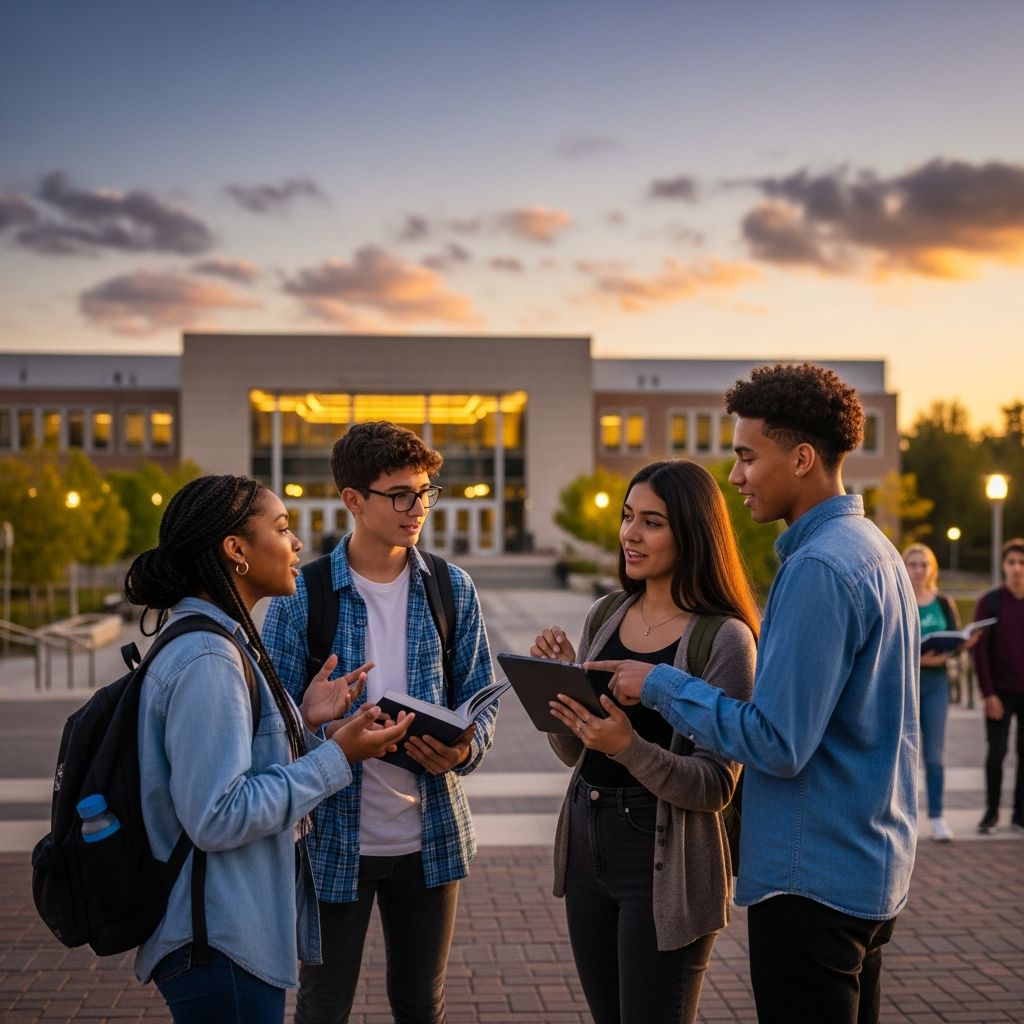
High school graduation marks a pivotal shift from structured education to the unpredictable demands of adulthood, yet numerous young people report feeling ill-equipped for this leap. This transition, often termed emerging adulthood, involves navigating identity, career choices, and self-reliance amid uncertainty and change. Parents and educators play crucial roles in bridging this gap by intentionally cultivating practical competencies and resilience.
Understanding the Emerging Adulthood Phase
Emerging adulthood, spanning roughly ages 18 to 25, represents a unique developmental period characterized by exploration, instability, and a push toward autonomy. Unlike previous generations, today’s youth face prolonged education, economic pressures, and delayed milestones like homeownership or marriage, amplifying feelings of disorientation. Adolescents form expectations about these transitions during high school, which shape their actual paths; for instance, anticipated timelines for work, living independently, or starting a family predict real-world outcomes.
This phase demands identity exploration across careers, beliefs, and relationships, often leading to frequent shifts in jobs, residences, and social circles. Without a clear ‘roadmap’—as provided by K-12 schooling—many experience anxiety over endless options, from college to vocational training or gap years. Research highlights how these expectations evolve, with coherent profiles (e.g., early vs. delayed transitions) influencing long-term success.
Common Hurdles in the Post-High School Leap
Graduates frequently cite a lack of preparation in non-academic areas, such as managing finances, social dynamics, and daily logistics. Systemic issues, including limited access to transition programs, exacerbate this; many enter adulthood without self-determination skills vital for diverse environments. Economic realities compound the challenge: young adults under 30 now carry double the education and housing debt of their parents’ generation, amid online learning and volatile job markets.
- Loss of Structure: The absence of prescribed steps (e.g., grade-to-grade progression) creates disorientation, as peers’ paths diverge dramatically.
- Emotional Turmoil: Mixed feelings of excitement, fear, and grief over lost adolescence are common, yet often unaddressed amid celebrations.
- Skill Gaps: Deficiencies in practical abilities hinder confidence, from budgeting to conflict resolution.
Studies comparing graduates’ experiences reveal that inadequate high school preparation directly impacts post-graduation adjustment, underscoring the need for targeted interventions.
Essential Life Skills Every Graduate Needs
To thrive, teens must master skills beyond academics, focusing on independence and adaptability. Prioritize these categories through deliberate practice.
| Skill Category | Key Competencies | Why It Matters |
|---|---|---|
| Financial Literacy | Budgeting, debt management, saving | Combats rising debt burdens; enables sustainable independence |
| Daily Living | Cooking, laundry, time management | Builds self-sufficiency in unstable living situations |
| Social & Emotional | Communication, resilience, boundary-setting | Navigates relationship shifts and identity exploration |
| Career Readiness | Resume building, interviewing, networking | Aligns expectations with job market realities |
Integrating these via school programs or home routines fosters self-determination, proven to enhance post-high school outcomes. Harvard experts emphasize adapting supports to generational shifts, like digital economies, for better transitions.
Parental Strategies: Balancing Guidance and Freedom
Parents must evolve from directors to supporters, adjusting to teens’ self-focus while providing a safety net. This delicate balance prevents dependency yet offers reassurance.
- Shift Communication: Offer advice only when solicited; encourage reflection on decisions to build autonomy.
- Financial Guardrails: Teach via controlled support, like matching savings, rather than full provision.
- Model Resilience: Share personal transition stories to normalize setbacks.
- Align Expectations: Discuss career and lifestyle goals openly, flexing to match the child’s path.
Patience is key: reassure that nonlinear journeys are valid, countering societal pressures for quick milestones.
Educator and Community Roles in Skill-Building
Schools should embed transition curricula, addressing gaps noted in graduate surveys. Community programs, mentorships, and workshops on self-determination equip students for real-world variability. Policymakers can expand access to vocational training and financial education, mirroring successful models that reduce unpreparedness.
Real-World Examples of Successful Transitions
Consider cases where intentional preparation pays off: one graduate, after high school financial workshops, avoided debt traps by prioritizing community college and part-time work. Another, supported by parental role-playing of job interviews, landed an internship aligning with evolving career expectations. These anecdotes, drawn from research, illustrate how targeted skills mitigate instability.
Longitudinal data shows adolescents with optimistic, realistic expectations—nurtured early—achieve timely role transitions, like stable employment.
Overcoming Emotional Barriers to Independence
Beyond logistics, emotional readiness is paramount. Acknowledge losses like fading friendships or structured routines to validate complex emotions. Techniques include journaling future visions or group discussions on ‘what’s next’ anxieties. Building grit through small challenges prepares for larger uncertainties.
Frequently Asked Questions
What age range defines emerging adulthood?
Typically 18-25, a period of exploration and self-focus distinct from adolescence or full adulthood.
How can parents avoid over-helping?
Set clear boundaries on financial aid, encourage problem-solving, and celebrate independent wins.
Are gap years beneficial?
Yes, they allow reflection and skill-building if structured with goals, countering roadmap loss.
What if my teen changes majors repeatedly?
View it as identity exploration; provide reassurance while guiding career assessments.
How do economic factors impact readiness?
Increased debt and job instability heighten stress; prioritize financial education early.
Fostering Long-Term Resilience
Ultimately, preparation involves holistic development: academic, practical, and emotional. By empathizing with transitions, teaching skills proactively, and maintaining supportive ties, families pave pathways to fulfillment. Research affirms that guided expectation-setting during adolescence yields confident adults. As society evolves, so must our approaches—prioritizing adaptability over rigid timelines.
References
- The Challenge of Transitioning from High School to Full Independence — Real Life Parent Guide. 2024-08-06. https://www.reallifeparentguide.com/blog/The%20Challenge%20of%20Transitioning%20from%20High%20School%20to%20Full%20Independence
- Transition Skills for High School Students: Why & How to Build — Ori Learning. N/A. https://orilearning.com/transition-skills-for-high-school-students-why-they-matter-and-how-to-build-them/
- From Teen to Adult: Two Ways to Help High School Seniors Transition — Fuller Youth Institute. N/A. https://fulleryouthinstitute.org/blog/from-teen-to-adult
- Adolescents’ Changing Future Expectations Predict the Timing of… — National Library of Medicine (PMC). 2016-09-15. https://pmc.ncbi.nlm.nih.gov/articles/PMC5048614/
- How Do Today’s High Schoolers Fare As They Enter Adulthood — Education Week. 2024-09. https://www.edweek.org/teaching-learning/how-do-todays-high-schoolers-fare-as-they-enter-adulthood-view-the-data/2024/09
- Preparing Students for Adulthood: Comparing the Experiences of… — ERIC (U.S. Department of Education). N/A. https://files.eric.ed.gov/fulltext/EJ1424884.pdf
- Transitioning into Adulthood — Harvard Graduate School of Education. 2021-03. https://www.gse.harvard.edu/ideas/edcast/21/03/transitioning-adulthood