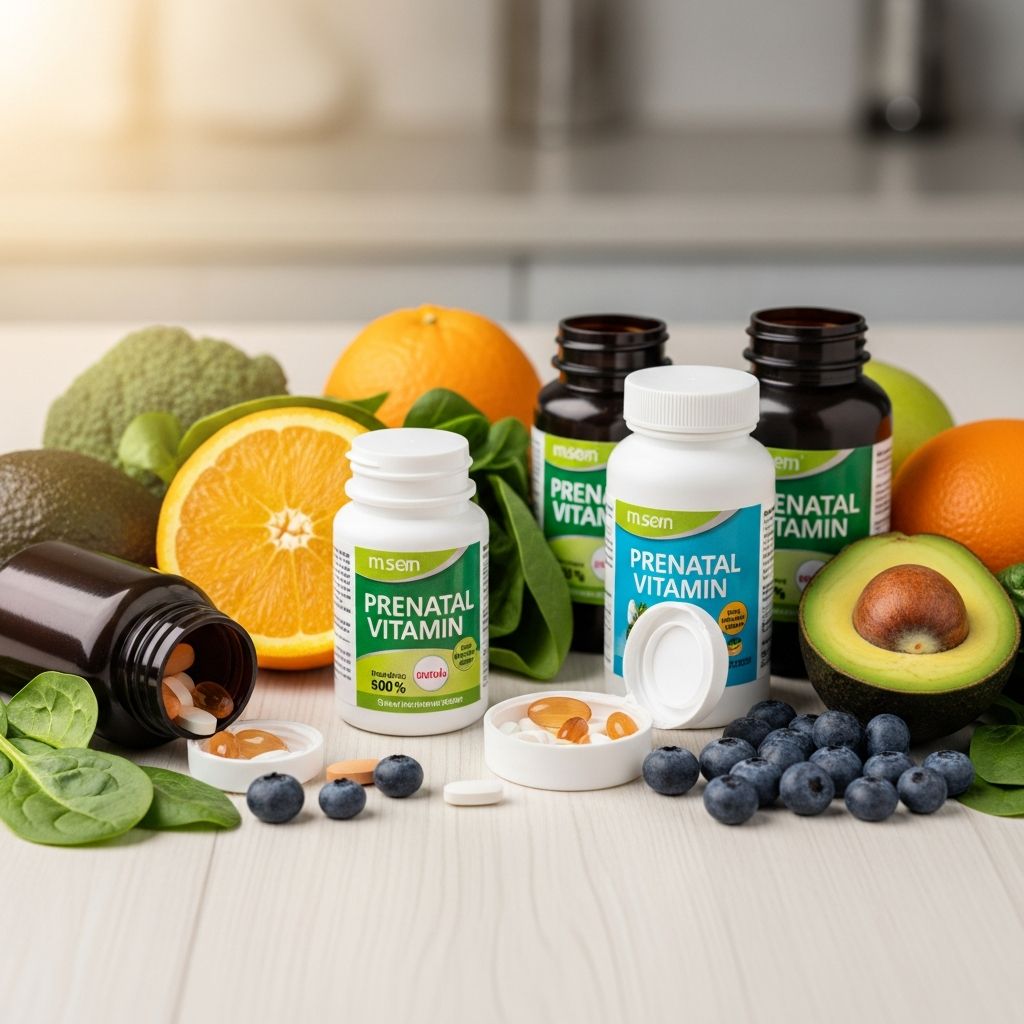
Pregnancy places unique demands on the body, and prenatal vitamins are designed to fill important nutritional gaps when you are trying to conceive, already pregnant, or breastfeeding. They support fetal growth, protect against certain birth defects, and help maintain your own health while your body works overtime.
Why Prenatal Vitamins Matter More Than Regular Multivitamins
Standard multivitamins are created for the average adult, but pregnancy is not an “average” state. Your needs for specific nutrients such as folic acid, iron, iodine, and vitamin D increase significantly, and prenatal formulas adjust doses to match these higher requirements.
In addition to covering daily basics, prenatal supplements are calibrated to support critical stages of fetal development, including neural tube formation, bone and tooth mineralization, brain and eye development, and blood formation. They are meant to complement—not replace—a balanced diet.
- Higher levels of folic acid help lower the risk of certain brain and spinal cord birth defects.
- Extra iron supports the increased blood volume and helps protect against iron-deficiency anemia.
- Calcium and vitamin D contribute to bone strength for both you and your baby.
- Iodine supports healthy thyroid function, which is crucial for growth and brain development.
When to Start and How Long to Continue Prenatal Vitamins
Ideally, prenatal vitamins should be started before pregnancy, because some of the most important developmental steps—such as closure of the neural tube—occur in the first few weeks, often before a person even knows they are pregnant. Beginning a prenatal a few months before trying to conceive gives time to build nutrient stores.
If pregnancy occurs unexpectedly, starting a prenatal as soon as possible still offers significant benefits. In many cases, health professionals recommend continuing a prenatal vitamin for the entire pregnancy and often through breastfeeding to support ongoing nutrient needs.
General timing guidelines
- Preconception: Start at least 1–3 months before trying to conceive, if possible.
- During pregnancy: Take daily throughout all trimesters unless advised otherwise by a clinician.
- Postpartum: Consider continuing while breastfeeding or during recovery, especially if your diet is limited.
Key Nutrients to Look for in a Prenatal Vitamin
Reading a supplement label can feel intimidating, but focusing on a handful of core nutrients makes comparison easier. Exact recommendations may vary by country and personal health history, so always discuss with a qualified healthcare professional, but the list below outlines common targets used in many guidelines.
Core prenatal nutrients and typical target ranges
| Nutrient | Approximate Daily Amount in Many Prenatals* | Main Role in Pregnancy |
|---|---|---|
| Folic acid (or methylfolate) | 400–800 mcg | Supports early brain and spinal cord development and reduces risk of certain birth defects. |
| Iron | 27–30 mg | Helps form red blood cells and prevent anemia as blood volume expands. |
| Calcium | 100–300 mg (often complemented by diet) | Important for bone and tooth development and to protect maternal bone density. |
| Vitamin D | 400–1000 IU | Supports calcium absorption, bone health, immune function, and possibly mood. |
| Iodine | 150 mcg | Essential for thyroid hormone production and fetal brain development. |
| Vitamin B12 | 2.6–4 mcg or higher | Supports red blood cell formation and nervous system development; especially important for vegetarians and vegans. |
| Choline | Varies (often 50–200 mg) | Contributes to brain and spinal cord development; many diets are low in choline. |
| Omega-3 DHA (often separate) | 200–300 mg or more | Supports brain and eye development, especially in the third trimester. |
*These amounts are general reference ranges. Always check local guidelines and individual medical advice.
Folic acid: the non-negotiable nutrient
Among all components, folic acid (or its active form, methylfolate) receives the most emphasis because adequate intake before and during early pregnancy is closely linked to a reduced risk of serious neural tube defects. For this reason, almost every prenatal includes at least 400 micrograms, and some provide more for additional margin.
People who have difficulty metabolizing folic acid, have a family history of neural tube defects, or have other specific medical conditions might be advised to use a higher dose or a particular form such as methylfolate under supervision.
Iron: preventing fatigue and anemia
Iron needs rise during pregnancy as blood volume increases to support the placenta and growing baby. Without enough iron, anemia can develop, leading to symptoms such as fatigue, weakness, and shortness of breath, and potentially contributing to complications if severe.
If you naturally have low iron levels, carry multiples, follow a vegetarian or vegan diet, or have heavy menstrual periods before pregnancy, your provider might monitor your iron status more frequently and tailor dosage accordingly.
Types of Prenatal Vitamins: Pills, Gummies, and More
Not all prenatal vitamins look or feel the same. The best format for you depends on your tolerance, morning sickness, dietary limitations, and personal preferences about ingredients and additives.
Common prenatal formats
- Standard tablets or capsules: Typically contain a full set of vitamins and minerals in one or two daily doses. They may be larger but often provide iron and other key minerals that gummies sometimes omit.
- Gummy prenatals: Easier to swallow and often more palatable during nausea, but many do not include iron and can contain added sugars. Some people pair gummies with a separate iron supplement.
- Liquid prenatal vitamins: Useful for those who struggle with swallowing pills. They allow flexible dosing but may have a strong flavor.
- Food-based or “whole-food” formulas: Marketed as being derived from food sources, these may be gentler on the stomach. Synthetic and food-based vitamins can both be effective; what matters most is meeting nutrient needs safely.
Specialized formulas for unique needs
- Vegan or vegetarian prenatals: Avoid animal-derived ingredients, often including plant-based DHA and ensuring adequate vitamin B12.
- Allergen-friendly options: Free from common allergens like gluten, dairy, soy, nuts, or artificial dyes and flavors.
- Low-iron or iron-free versions: For individuals who cannot tolerate higher iron levels or who are advised not to supplement due to specific medical conditions.
- High-DHA or separate DHA supplements: Sometimes recommended if seafood intake is very low or if additional omega-3s are desired.
How to Compare Prenatal Vitamin Brands
With shelves full of options, choosing a prenatal can feel overwhelming. Instead of focusing on brand marketing claims, use a structured approach to evaluate the most important aspects: nutrient profile, quality testing, tolerability, and practicality for everyday life.
Checklist for choosing a prenatal
- Meets core nutrient needs: Check for adequate folic acid (or methylfolate), iron, iodine, vitamin D, and B12. Confirm that any known deficiencies you have are addressed.
- Third-party testing: Look for evidence of independent testing for purity and potency (such as seals from recognized verification programs), or inquire with the manufacturer.
- Reasonable pill size and dosing: Consider whether you can realistically swallow the pills and whether you prefer once-daily or split doses.
- Ingredient transparency: Review inactive ingredients for artificial colors, sweeteners, or allergens you wish to avoid.
- Value and accessibility: A supplement only works if you can afford and consistently obtain it. Balance ideal formulations with realistic budget and availability.
Simple evaluation table you can recreate
Use a table like the one below to score your top choices. Fill in details from labels and any professional recommendations you receive.
| Factor | Product A | Product B | Product C |
|---|---|---|---|
| Folic acid / methylfolate amount | |||
| Iron content | |||
| Includes iodine? | |||
| Includes DHA or needs separate? | |||
| Third-party tested? | |||
| Allergens (gluten, dairy, soy, etc.) | |||
| Dose per day and pill size | |||
| Cost per month |
Managing Side Effects and Nausea
Some people tolerate prenatal vitamins from day one, while others struggle with nausea, constipation, or upset stomach. These issues are sometimes linked to iron content, pill size, or taking the vitamins on an empty stomach.
Practical tips for better tolerance
- Take your prenatal with food, ideally a small meal or snack that includes some fat and protein.
- Experiment with timing, such as taking it in the evening if morning doses worsen nausea.
- Ask about splitting the dose into two smaller servings if the brand allows it.
- Drink plenty of water and increase fiber intake if you experience constipation from iron.
- Discuss switching to a different formula (such as a lower-iron version or a gentle iron type) if side effects remain troublesome.
Diet, Lifestyle, and When a Prenatal Is Not Enough
Even the best prenatal vitamin cannot compensate for an extremely poor diet or replace medical treatment. Supplements work best as part of an overall pattern that includes nourishing foods, adequate hydration, physical activity as approved by your provider, and managing chronic conditions.
Certain circumstances call for extra attention or additional supplements. For example, individuals with limited sun exposure might require more vitamin D, those with low fish consumption may benefit from separate DHA, and those following a vegan diet often need additional B12 and possibly iron.
Situations where you may need a tailored plan
- History of anemia, thyroid disease, or gastrointestinal disorders that affect absorption.
- Carrying multiples (twins, triplets, etc.), which can raise nutritional needs.
- Following vegetarian, vegan, or medically restricted diets.
- Previous pregnancy complications or known genetic conditions.
Frequently Asked Questions About Prenatal Vitamins
1. Can I just use my regular multivitamin instead of a prenatal?
Regular multivitamins usually do not provide enough folic acid, iron, or other key nutrients required during pregnancy, and they may contain vitamin A in forms or amounts that are not ideal for pregnant individuals. Prenatal vitamins are formulated specifically for preconception, pregnancy, and often breastfeeding needs.
2. Do I still need a prenatal if I eat a very healthy diet?
Even with a balanced diet rich in fruits, vegetables, whole grains, protein, and healthy fats, it can be challenging to consistently reach the recommended levels of certain nutrients like folic acid, iron, iodine, and choline every single day. A prenatal vitamin acts as an insurance policy to help fill potential gaps while you maintain nourishing eating habits.
3. What if I forget to take my prenatal occasionally?
Missing a dose once in a while happens to almost everyone. In most cases, simply resume your usual schedule without doubling up unless your healthcare professional has given specific instructions. Consistency over weeks and months is more important than perfection every single day.
4. Are gummies good enough if I cannot tolerate regular pills?
Gummy prenatals can be a helpful alternative if nausea or aversion makes tablets impossible to keep down. However, many gummy formulas lack iron or contain lower amounts of some minerals, so you may need an additional supplement to fully meet your needs. Always read labels closely and ask a clinician if a separate iron or other nutrient is required.
5. Is more always better when it comes to vitamin doses?
Taking more than recommended can be harmful, particularly for fat-soluble vitamins like A, D, E, and K, and for certain minerals. Very high doses should only be used when prescribed and monitored. Sticking to evidence-based ranges is safer than assuming that extra amounts will offer extra benefits.
6. Can my partner benefit from vitamins when we are trying to conceive?
While traditional prenatal vitamins are designed for pregnant individuals, people producing sperm may also benefit from a balanced multivitamin and healthy lifestyle to support fertility. Antioxidants, zinc, and adequate folate can contribute to sperm quality, but they should choose a product suitable for their own needs rather than taking a prenatal formulated for pregnancy.
Key Takeaways for Confident Prenatal Vitamin Choices
Choosing a prenatal vitamin does not need to be stressful. Identify your priorities—such as key nutrient levels, format, budget, and special dietary needs—and then compare a few solid options using a simple checklist. When in doubt, bring the labels to a medical appointment and ask for guidance tailored to your health history and pregnancy plans.
Ultimately, the “best” prenatal is one that is nutritionally sound, fits your lifestyle, is safe for your specific medical situation, and that you can take consistently throughout your pregnancy journey.