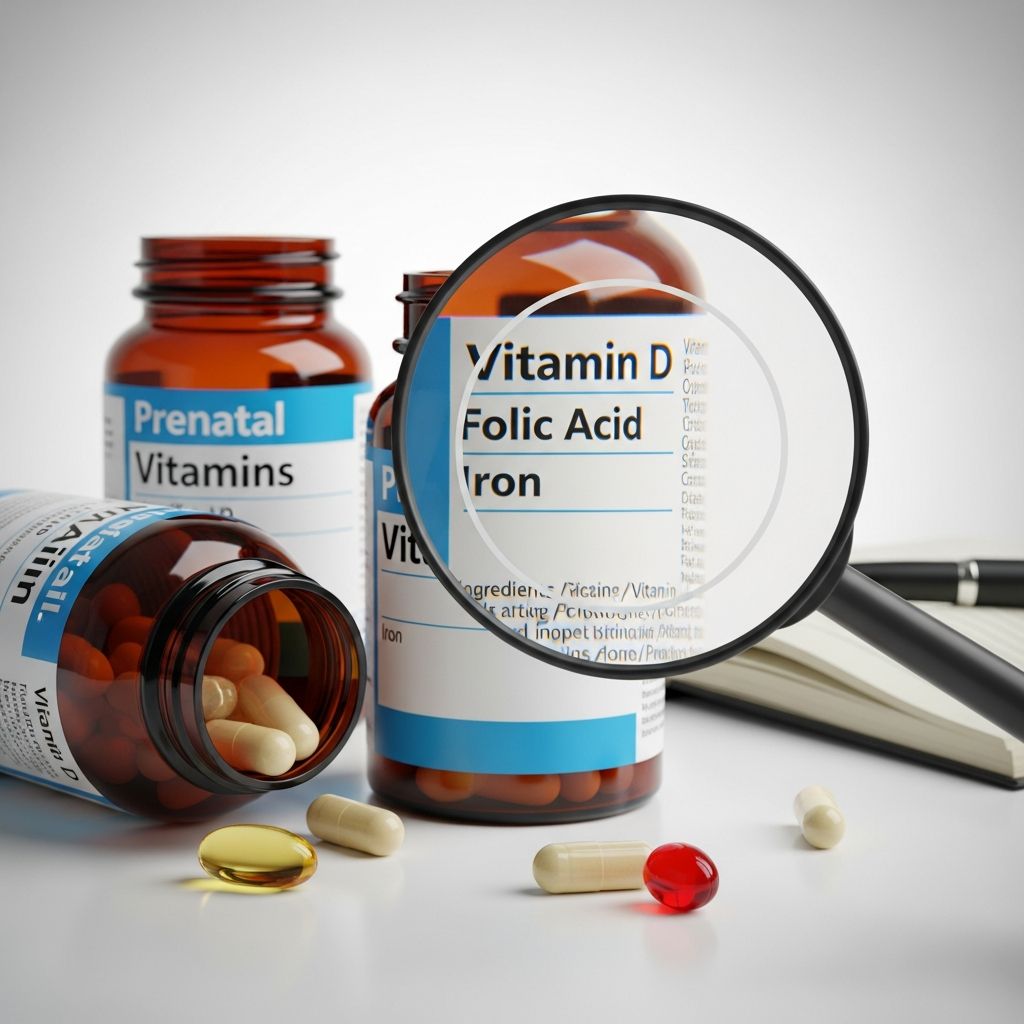
Prenatal vitamins play a crucial role in supporting maternal health and fetal development, yet recent investigations reveal frequent mismatches between product labels and actual nutrient content. Studies highlight deficiencies in vital nutrients such as choline, iodine, calcium, and folic acid, prompting calls for better regulation and consumer awareness.
Understanding the Role of Prenatal Supplements in Pregnancy
Pregnancy increases nutritional demands to support both the mother’s well-being and the baby’s growth. Essential nutrients like folic acid prevent neural tube defects, iron combats anemia, DHA aids brain development, vitamin D promotes bone health, and calcium strengthens skeletal structures. The American College of Obstetricians and Gynecologists (ACOG) outlines specific daily recommendations for these and other micronutrients to guide supplementation.
Despite their importance, dietary intake alone often falls short. U.S. Dietary Guidelines indicate widespread deficiencies: 96% of pregnant individuals lack sufficient iron, 90% miss vitamin D targets, 29% fall short on folate, and 24% on calcium. Prenatal vitamins bridge these gaps, but their effectiveness hinges on accurate formulation and labeling.
Key Research Findings on Label Accuracy
A comprehensive analysis of 48 over-the-counter prenatal vitamins (PNVs) available via major online retailers showed none met ACOG recommendations for all five key nutrients: folic acid, iron, DHA, vitamin D, and calcium. Notably, no product achieved daily calcium targets, and 27% (13 out of 48) provided inadequate folic acid—critical for reducing neural tube defect risks.
Only five PNVs complied with four of the five key nutrients, underscoring broad inconsistencies. Gummy formulations particularly underperformed, lacking sufficient iron, DHA, or calcium. Cost did not correlate with compliance; pricier options were not superior.
Another examination focused on choline and iodine, revealing most products labeled these nutrients but delivered far less than claimed. Heavy metals like arsenic, lead, and cadmium appeared in some samples, exceeding certain purity thresholds, though interpretations varied.
Debates Surrounding Heavy Metals and Toxicity Claims
Initial reports of elevated heavy metals in PNVs sparked alarm, suggesting levels surpassed USP limits. However, industry watchdogs including the Council for Responsible Nutrition (CRN) and USP refuted these, citing methodological flaws. USP clarified that referenced limits applied to ingredients (mcg/g), not finished daily doses, and all products fell well below safety thresholds when correctly assessed.
CRN emphasized that a Government Accountability Office report confirmed trace heavy metals pose no health risk per FDA metrics. The study’s journal issued corrections, removed pre-publication versions, and media outlets like the New York Post and Times updated coverage to prevent undue anxiety among pregnant users. This controversy highlights the need for rigorous, peer-reviewed validation before public dissemination.
Common Nutrient Shortfalls and Their Implications
- Folic Acid: 27% of PNVs below ACOG minimum (400-800 mcg/day), heightening neural tube defect risks.
- Calcium: Zero compliance with 1,000 mg/day; linked to maternal bone loss and fetal skeletal issues.
- Iron: 96% of pregnant women deficient; gummies often negligible.
- DHA: Essential for neurodevelopment; frequently underdosed.
- Choline: Rarely meets 450 mg/day needs for placental function and cognition.
- Vitamin D and Iodine: Critical for immunity and thyroid health; common gaps.
These shortfalls align with prior international studies, including Polish research showing inconsistent dosing across brands. Average PNVs provide just 44% of optimal levels for neurological nutrients like choline, magnesium, and DHA.
Comparing Popular Prenatal Vitamin Options
| Nutrient | ACOG Recommendation | Avg. PNV Compliance (%) | High-Performing Examples |
|---|---|---|---|
| Folic Acid | 600 mcg | 73% | 5 products met threshold |
| Iron | 27 mg | High variability | Non-gummies better |
| DHA | 200 mg | Low | Few compliant |
| Vitamin D | 600 IU | Moderate | Subset achieved |
| Calcium | 1,000 mg | 0% | None |
This table summarizes data from label analyses; actual content may differ further. Consumers should prioritize third-party tested products.
Why Labels Don’t Always Match Reality
Discrepancies arise from lax FDA oversight on supplements, which regulates them as foods rather than drugs. Manufacturers self-report labels without mandatory pre-market verification. Variability in ingredient sourcing, degradation during storage, and analytical testing errors contribute. Studies used lab assays like ICP-MS for metals and HPLC for vitamins, exposing these gaps.
Prescription versus over-the-counter PNVs show similar inconsistencies, per comparative research. Gummy forms sacrifice nutrients for palatability, often omitting iron to avoid taste issues.
Expert Recommendations for Choosing Reliable Prenatals
To navigate these challenges:
- Seek USP or NSF-certified products for verified purity and potency.
- Prioritize ACOG-aligned formulas with adequate folic acid, iron, DHA, D, and separate calcium if needed.
- Consult healthcare providers for personalized needs, especially with dietary restrictions.
- Combine with nutrient-rich foods: leafy greens for folate, fatty fish for DHA, dairy for calcium.
- Avoid unverified online buys; check for recent third-party testing seals.
CRN affirms rigorously tested supplements are safe and effective when chosen wisely.
Regulatory Gaps and Paths Forward
Current U.S. regulations lack mandates for nutrient level verification or heavy metal finished-product limits. ACOG urges more consistency to aid informed choices. Potential reforms include FDA-mandated lab testing and clearer labeling. Meanwhile, pregnant individuals benefit from bloodwork to monitor levels and adjust supplementation.
Frequently Asked Questions (FAQs)
Are prenatal vitamins always accurately labeled?
No, studies show significant gaps, especially for calcium (0% compliance) and folic acid (27% inadequate).
Do heavy metals in prenatals pose risks?
Trace amounts are safe per corrected analyses and FDA metrics; no health concerns identified.
Which nutrients are most often missing?
Calcium universally, plus choline, iodine, and DHA in most products.
Are gummy prenatals effective?
Often not; they lack iron, DHA, and calcium due to formulation limits.
How can I ensure my prenatal is high-quality?
Look for USP/NSF certification, match ACOG guidelines, and discuss with your doctor.
Empowering Pregnant Women with Knowledge
While PNVs offer vital support, awareness of label limitations empowers better decisions. Ongoing research and corrections foster trust, but proactive steps—certification checks, professional advice, and diet—optimize outcomes. Prioritizing verified supplements ensures safer pregnancies amid evolving science.
References
- Watchdogs refute study alleging toxicity and sub-par quality in prenatal vitamins — Nutrition Insight. 2024-12 (approx.). https://www.nutritioninsight.com/news/watchdogs-refute-study-alleging-toxicity-and-sub-par-quality-in-prenatal-vitamins.html
- CRN Recognizes Journal’s Commitment to Scientific Integrity — Council for Responsible Nutrition. 2025-01-07. https://www.crnusa.org/newsroom/crn-recognizes-journals-commitment-scientific-integrity-clarifying-missteps-prenatal
- Commercially Available Prenatal Vitamins Do Not Meet American College of Obstetricians and Gynecologists Recommendations — PMC/NCBI. 2024. https://pmc.ncbi.nlm.nih.gov/articles/PMC11100770/
- Our Prenatal’s Next-Generation Rigorous Standards — HealthyBaby (supplemental context). 2024 (approx.). https://healthybaby.com/blogs/blog/our-prenatals-next-generation-rigorous-standards