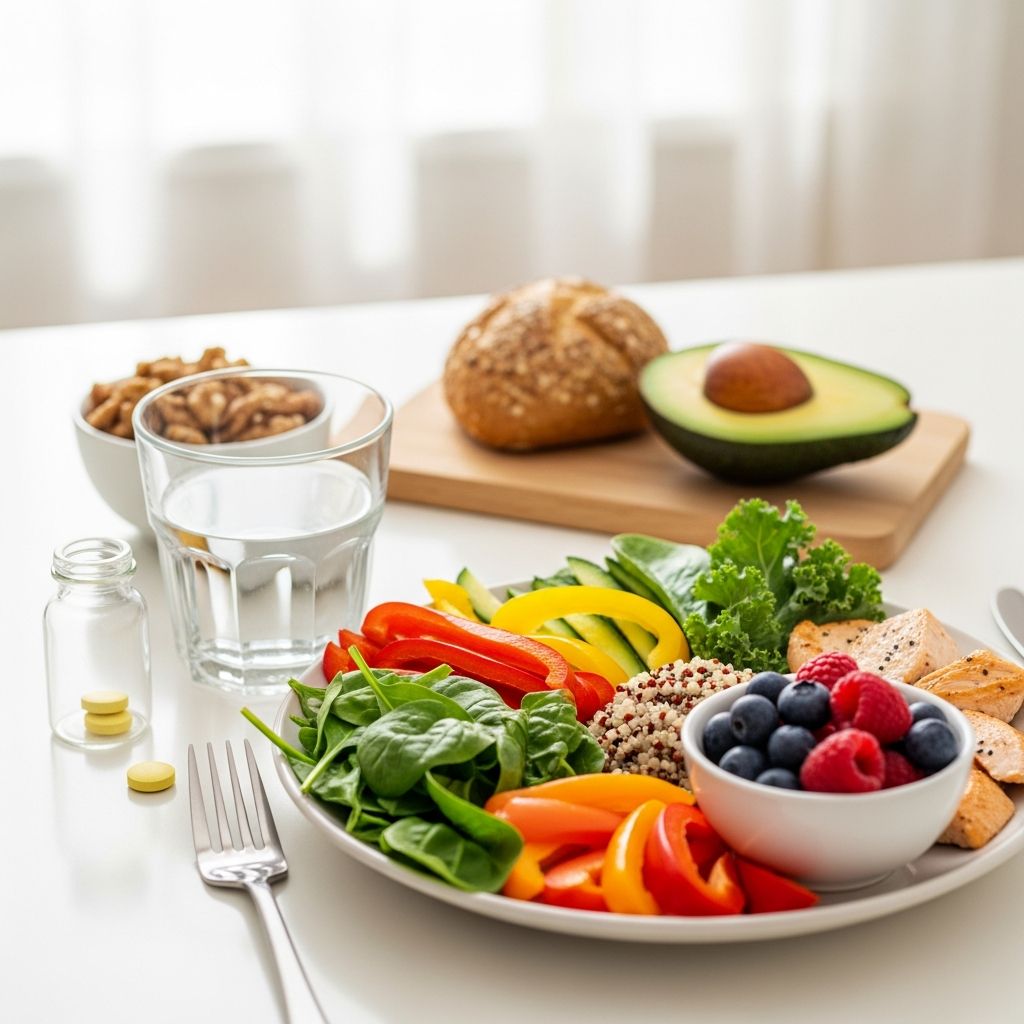
Pregnancy demands a thoughtful approach to nutrition to fuel both maternal health and fetal development. A well-planned diet rich in key nutrients supports the rapid growth of the baby while helping the mother manage common discomforts like fatigue and nausea.
Building a Balanced Prenatal Diet Foundation
The cornerstone of prenatal nutrition mirrors general healthy eating principles but with heightened focus on specific needs. Emphasize variety across food groups to ensure comprehensive nutrient intake without excessive calories. Health authorities advocate for plates filled with fruits, vegetables, whole grains, lean proteins, and dairy, adjusting portions to accommodate gradual weight gain.
Daily caloric needs increase modestly: about 340 extra calories in the second trimester and 450 in the third, primarily from nutrient-dense sources rather than empty calories. This supports placental development and fetal tissue formation without promoting unhealthy weight gain.
Core Food Groups and Their Roles
- Fruits and Vegetables: Aim for at least five portions daily, prioritizing colorful varieties for vitamins, minerals, and fiber. These combat constipation, a frequent pregnancy issue.
- Whole Grains: Provide sustained energy and B vitamins; include oats, barley, and fortified cereals for folic acid.
- Proteins: Essential for tissue building; select lean options like poultry, fish, eggs, beans, and nuts.
- Dairy or Alternatives: Fortified low-fat milk, yogurt, and cheese deliver calcium and vitamin D for bone health.
- Healthy Fats: From avocados, nuts, seeds, and oils to support brain development.
Critical Nutrients for Fetal and Maternal Health
Certain nutrients see elevated requirements during pregnancy. Prenatal vitamins bridge gaps, but whole foods remain primary.
| Nutrient | Daily Need (Pregnant Women) | Benefits | Top Sources |
|---|---|---|---|
| Folic Acid/Folate | 600 mcg | Prevents neural tube defects | Fortified cereals, leafy greens, citrus, beans |
| Iron | 27 mg | Boosts blood oxygen delivery | Lean meats, beans, fortified cereals, paired with vitamin C |
| Calcium | 1,000 mg | Builds baby’s bones/teeth | Milk, yogurt, salmon with bones, spinach |
| Protein | 71 g | Supports fetal growth | Meat, eggs, lentils, peanut butter |
| Choline | 450 mg | Aids brain/spinal development | Eggs, beef, milk, soy |
| Iodine | 220 mcg | Promotes brain development | Iodized salt, dairy, seafood |
| Vitamin D | 600 IU | Enhances calcium absorption | Fortified milk, sunlight exposure |
Folate is crucial early on; start 400 mcg daily preconception. Iron combats anemia risk, often requiring vitamin C-rich foods for absorption. Choline, frequently underconsumed, merits extra attention via eggs and meats.
Macronutrient Balance for Energy and Growth
Pregnancy alters macronutrient demands. Proteins rise to 1.1 g/kg body weight daily (about 60-71 g total), aiding fetal tissues and maternal blood volume expansion. Carbohydrates should form 45-64% of calories from whole sources for steady energy, while fats (20-35%) provide essential fatty acids for neural growth.
A sample distribution: 40% carbs, 40% fats, 20% protein, tailored to individual needs. Vegetarians may need plant-based boosts like quinoa for complete proteins.
Hydration: The Unsung Hero of Prenatal Wellness
Adequate fluids prevent dehydration, reduce swelling, and aid nutrient transport. Target 8-12 cups (64-96 oz) of water daily, more if active or in hot climates. Herbal teas and water-rich fruits count, but limit caffeinated drinks to under 200 mg daily to avoid fetal growth impacts.
Navigating Food Safety During Pregnancy
Immune changes heighten foodborne illness risks. Avoid raw/undercooked meats, unpasteurized dairy, high-mercury fish (shark, swordfish), and deli meats unless heated. Cook seafood to 145°F; wash produce thoroughly.
- Opt for low-mercury fish like salmon, cod (2-3 servings weekly).
- Skip alcohol entirely; limit caffeine.
- Steer clear of raw sprouts, unwashed herbs.
Sample Daily Meal Plans for Each Trimester
Tailor intake to trimester-specific needs. Here’s a 2,200-calorie example blending variety and nutrients:
First Trimester (Nausea-Friendly)
- Breakfast: Oatmeal with berries, almonds, fortified milk (folate, calcium).
- Snack: Greek yogurt with banana (protein, potassium).
- Lunch: Spinach salad with grilled chicken, oranges (iron + C).
- Snack: Apple with peanut butter (choline).
- Dinner: Baked salmon, quinoa, broccoli (omega-3s, protein).
- Hydration: 10 cups water.
Second/Third Trimester (Energy Boost)
- Breakfast: Whole-grain toast, eggs, avocado (choline, fats).
- Snack: Cottage cheese with pineapple (calcium, vitamin C).
- Lunch: Lentil soup, whole-wheat roll, carrots (iron, fiber).
- Snack: Handful nuts, fortified cereal (iodine, folate).
- Dinner: Turkey stir-fry with bell peppers, brown rice (protein, vitamin C).
Adjust for vegetarian diets by swapping meats with tofu, tempeh, or legumes.
The Role of Prenatal Supplements
Supplements ensure nutrient gaps are filled, especially folic acid (600 mcg), iron (27-30 mg), and others hard to meet via diet alone. Consult providers for personalized dosing; excess iron can cause issues. Vegans may require B12 boosts.
Managing Common Dietary Challenges
Nausea? Small, frequent meals with ginger or crackers. Heartburn? Avoid spicy/fatty foods; eat upright. Constipation? Fiber + fluids. Cravings? Satisfy healthily (e.g., fruit for sweets).
Weight Gain Guidelines
| Pre-Pregnancy BMI | Total Gain (lbs) |
|---|---|
| Underweight (<18.5) | 28-40 |
| Normal (18.5-24.9) | 25-35 |
| Overweight (25-29.9) | 15-25 |
| Obese (≥30) | 11-20 |
Consistent, moderate gain correlates with better outcomes; track with provider.
Frequently Asked Questions (FAQs)
Can I follow a vegetarian diet during pregnancy?
Yes, with planning: emphasize beans, eggs, dairy, fortified foods, and B12/iron supplements.
How much fish is safe?
8-12 oz weekly of low-mercury varieties like salmon; avoid high-mercury types.
Is coffee okay?
Limit to 200 mg caffeine/day (about 1-2 cups).
Do I need extra calories right away?
No first trimester increase; add 340-450 later.
What if I have food aversions?
Focus on tolerated nutrient-rich foods; use smoothies or supplements as needed.
This guide empowers informed choices for a thriving pregnancy. Always consult healthcare providers for tailored advice.
References
- Nutrition Recommendations in Pregnancy and Lactation — National Institutes of Health (PMC). 2016-11-10. https://pmc.ncbi.nlm.nih.gov/articles/PMC5104202/
- Healthy Eating During Pregnancy — American College of Obstetricians and Gynecologists (ACOG). 2023-05-01. https://www.acog.org/womens-health/faqs/healthy-eating-during-pregnancy
- Pregnancy diet: Focus on these essential nutrients — Mayo Clinic. 2024-02-15. https://www.mayoclinic.org/healthy-lifestyle/pregnancy-week-by-week/in-depth/pregnancy-nutrition/art-20045082
- Dietary Advice Before and During Pregnancy — U.S. Food and Drug Administration (FDA). 2023-08-20. https://www.fda.gov/food/people-risk-foodborne-illness/dietary-advice-and-during-pregnancy
- Have a healthy diet in pregnancy — National Health Service (NHS). 2024-01-12. https://www.nhs.uk/pregnancy/keeping-well/have-a-healthy-diet/
- Eating Right Before and After Pregnancy — USDA Agricultural Research Service. 2022-06-05. https://www.ars.usda.gov/oc/utm/eating-right-before-and-after-pregnancy/
- Build a Healthy Eating Routine When You’re Pregnant — Dietary Guidelines for Americans. 2021-12-01. https://www.dietaryguidelines.gov/sites/default/files/2021-12/DGA_Pregnancy_FactSheet-508c.pdf