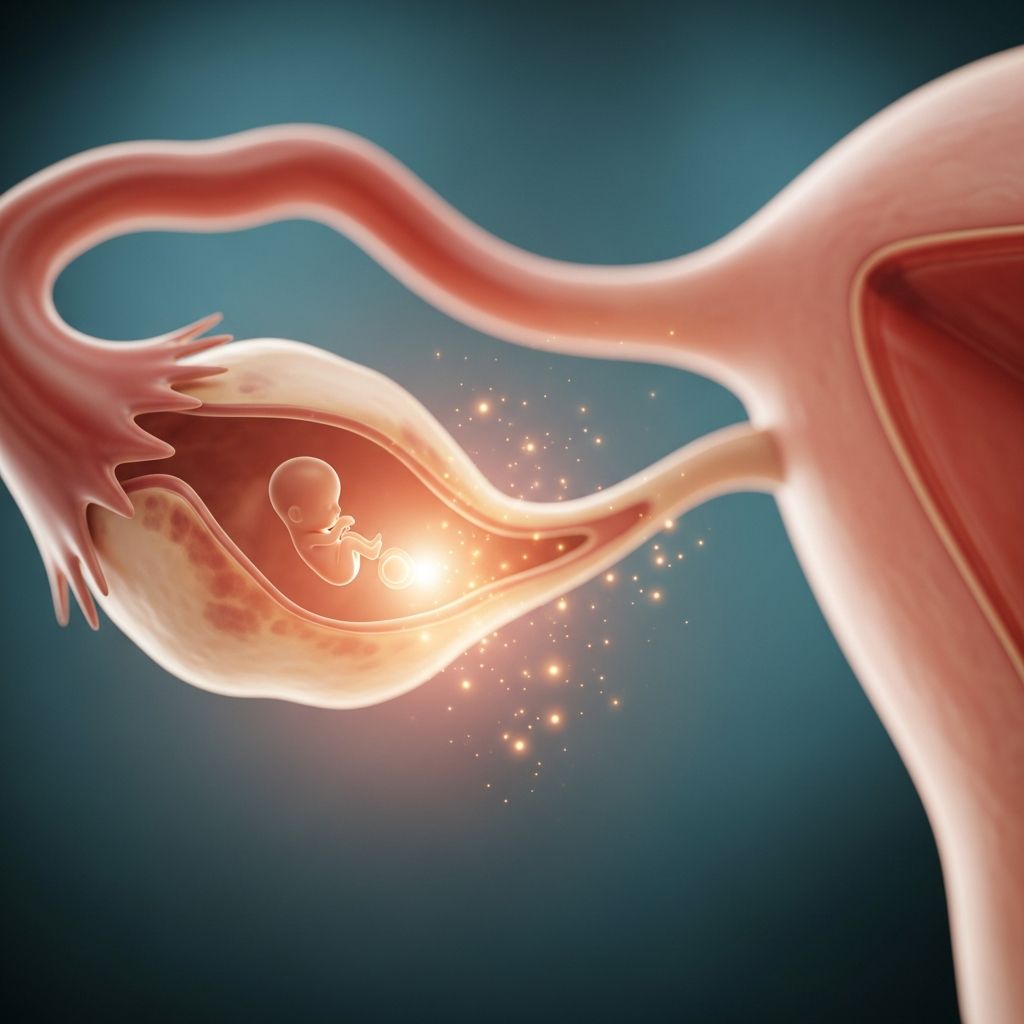
An ectopic pregnancy occurs when a fertilized egg implants and grows outside the uterus, most commonly in a fallopian tube, posing significant health risks to the mother. This condition affects about 1-2% of pregnancies and requires immediate medical attention to prevent life-threatening complications like internal bleeding.
Understanding the Basics of Ectopic Pregnancy
In a typical pregnancy, the fertilized egg travels through the fallopian tube to implant in the uterine lining, where it can develop safely. When this process is disrupted, the embryo may attach elsewhere, such as the fallopian tube, ovary, abdominal cavity, or cervix. The fallopian tube, being narrow and inflexible, cannot expand to accommodate growth, leading to potential rupture.
Parents need to recognize that ectopic pregnancies cannot result in a live birth and must be addressed promptly. Early awareness empowers families to seek care quickly, improving outcomes.
Common Locations and Prevalence
- Fallopian tube (tubal pregnancy): Accounts for over 95% of cases, often on the side affected by prior damage.
- Ovary or abdominal cavity: Rarer, but still dangerous due to limited space for growth.
- Cervical or cesarean scar: Uncommon, linked to previous surgeries.
Statistics indicate ectopic pregnancies occur in roughly 2% of all pregnancies worldwide, with higher rates among those with reproductive risk factors.
Recognizing Early Warning Signs
Initial symptoms often mimic normal early pregnancy, making detection challenging. Common overlaps include missed periods, nausea, breast tenderness, fatigue, and frequent urination.
Distinctive red flags emerge as the condition progresses:
- One-sided pelvic or abdominal pain, ranging from dull aches to sharp stabs.
- Light vaginal spotting or heavier bleeding, sometimes brown and watery.
- Shoulder tip pain from blood irritating the diaphragm.
- Dizziness, fainting, or low blood pressure due to internal blood loss.
These signs typically appear between weeks 4-12. Pain may worsen with movement, bowel activity, or urination.
Risk Factors That Increase Susceptibility
Certain factors impair the fallopian tube’s ability to transport the egg, raising ectopic risk:
| Risk Factor | Description | Prevalence Impact |
|---|---|---|
| Pelvic Inflammatory Disease (PID) | Infection scarring tubes, often from STIs like chlamydia. | High |
| Prior Ectopic Pregnancy | Recurrence risk up to 10-15%. | Moderate-High |
| Tubal Surgery or Scarring | From endometriosis, appendicitis, or prior operations. | Moderate |
| Smoking | Chemicals slow tubal function. | Moderate |
| IVF or Fertility Treatments | Increased multiples and tubal issues. | Low-Moderate |
Age over 35 and history of infertility also contribute. Not all cases have identifiable risks, underscoring the need for vigilance.
How Medical Professionals Diagnose Ectopic Pregnancy
Diagnosis combines patient history, physical exams, and tests:
- Pregnancy Test: Detects hCG hormone; positive in ectopic cases.
- Ultrasound: Transvaginal scan visualizes embryo location; no intrauterine sac by week 5 suggests ectopic.
- hCG Levels: Serial blood tests; slow-rising or plateauing levels indicate issues.
- Progesterone Measurement: Low levels (<5 ng/mL) support non-viable pregnancy.
If rupture is suspected, urgent imaging and vital sign monitoring follow. Early detection via routine scans can identify asymptomatic cases.
Treatment Options: From Medication to Surgery
Treatment depends on location, size, hCG levels, and rupture status:
- Methotrexate Injection: For stable, unruptured cases under 4 cm. Stops cell growth; hCG monitored until zero. Side effects include abdominal pain and nausea.
- Laparoscopic Surgery: Removes ectopic tissue via small incisions; salpingostomy preserves tube or salpingectomy removes it.
- Emergency Surgery: Laparotomy for rupture with heavy bleeding; prioritizes life-saving.
Expectant management (watchful waiting) is rare, only for declining hCG and no symptoms.
Potential Complications and When to Seek Emergency Care
If untreated, tube rupture causes massive internal bleeding, shock, and infertility risks. Emergency signs include severe pain, heavy bleeding, rapid heartbeat, or collapse—call 911 immediately.
Post-treatment, fertility returns for most; 60-70% conceive normally, though recurrence risk persists.
Emotional Impact and Support for Families
Discovering an ectopic pregnancy brings grief, anxiety, and fear. Parents may mourn the loss while recovering physically. Counseling, support groups, and open talks aid healing. Future pregnancies are possible; discuss monitoring with providers.
Prevention Strategies and Future Pregnancy Planning
While not fully preventable, reduce risks by:
- Treating infections promptly (e.g., PID via antibiotics).
- Quitting smoking before conception.
- Early prenatal care with ultrasounds.
- Using folic acid and managing endometriosis.
For high-risk individuals, early hCG and ultrasound protocols enhance safety.
Frequently Asked Questions (FAQs)
Can an ectopic pregnancy be detected before symptoms?
Yes, routine early ultrasounds or hCG monitoring can identify it asymptomatically, especially in high-risk cases.
Is fertility affected after treatment?
Most women (65-80%) conceive again successfully, but recurrence risk is 10-15%; tube removal may slightly lower odds.
What does ectopic pain feel like?
Typically sharp or cramping on one side of the pelvis/abdomen, possibly with shoulder pain or GI upset.
How long is recovery after surgery?
1-2 weeks for laparoscopy; avoid heavy lifting. Full fertility return in 3 months.
Does insurance cover ectopic treatment?
Usually yes, as a medical emergency; check policies for specifics.
This comprehensive guide equips parents with knowledge to navigate ectopic pregnancy challenges. Always consult healthcare providers for personalized advice.
References
- Ectopic Pregnancy — Nemours KidsHealth. 2023. https://kidshealth.org/en/parents/ectopic.html
- Ectopic Pregnancy — NHS. 2023-10-24. https://www.nhs.uk/conditions/ectopic-pregnancy/
- Ectopic Pregnancy — MedlinePlus. 2024. https://medlineplus.gov/ectopicpregnancy.html
- Ectopic Pregnancy – Symptoms & Causes — Mayo Clinic. 2023-12-05. https://www.mayoclinic.org/diseases-conditions/ectopic-pregnancy/symptoms-causes/syc-20372088
- Ectopic Pregnancy Signs and Symptoms — Ectopic Pregnancy Trust. 2023. https://ectopic.org.uk/ectopic-pregnancy-symptoms
- Ectopic Pregnancy — NCBI StatPearls. 2023-07-17. https://www.ncbi.nlm.nih.gov/books/NBK539860/
- Ectopic Pregnancy — Cleveland Clinic. 2023-09-14. https://my.clevelandclinic.org/health/diseases/9687-ectopic-pregnancy