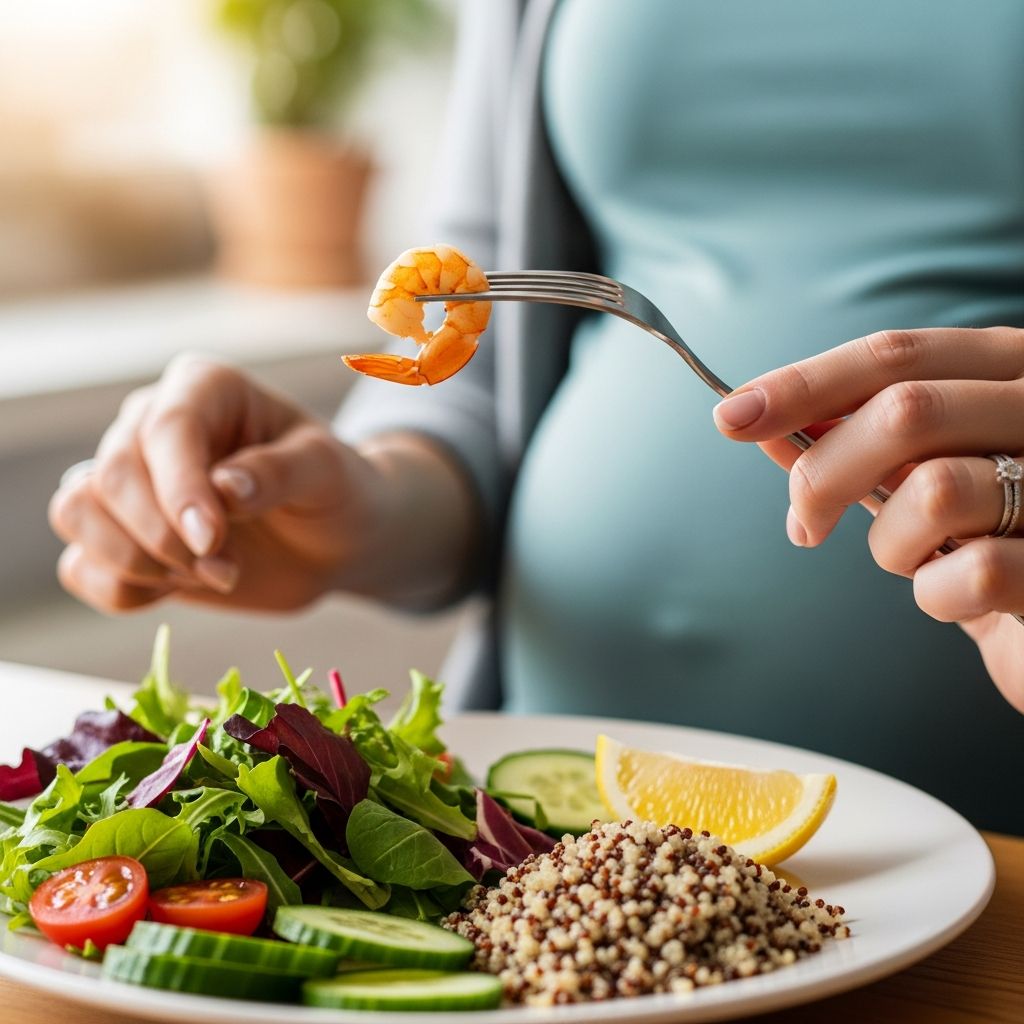
Expectant mothers often wonder about including shellfish like shrimp in their diets due to concerns over contaminants and nutritional value. Cooked shrimp stands out as a low-mercury option that delivers essential nutrients without the dangers associated with larger fish. Health authorities confirm its safety when prepared correctly, making it a valuable addition to a balanced prenatal menu.
Why Shrimp Fits into a Pregnancy Diet
Shrimp provides high-quality protein crucial for tissue repair and fetal growth. A single serving can supply over 20 grams of protein, supporting the increased demands of pregnancy. Beyond protein, it contains omega-3 fatty acids, particularly DHA, which play a key role in brain and eye development for the baby.
Additional nutrients include selenium, an antioxidant that protects cells from damage, and vitamin B12, vital for red blood cell formation and neurological function. These elements help combat fatigue and bolster maternal energy levels. Zinc in shrimp also aids immune function, which can be compromised during pregnancy.
- Protein boost: Essential for building baby’s muscles and organs.
- Omega-3s: Linked to better cognitive outcomes in infants.
- Selenium and zinc: Support antioxidant defense and immunity.
- Low calorie profile: Helps manage weight gain while providing satiety.
Understanding Mercury Levels in Shrimp
One primary worry with seafood is mercury, a toxin that can impair fetal neurological development. Fortunately, shrimp ranks among the lowest-mercury seafood choices, alongside salmon and sardines. The FDA and EPA classify it as a ‘best choice’ for pregnant women, allowing up to 12 ounces weekly.
Unlike swordfish or king mackerel, which accumulate high mercury from their position in the food chain, shrimp’s short lifespan and plant-based diet result in minimal contamination. This makes it ideal for regular consumption without exceeding safe limits.
Cooking Essentials to Minimize Risks
The biggest hazard with shrimp is not mercury but foodborne pathogens like Listeria, Salmonella, and Vibrio. These bacteria thrive in raw or undercooked shellfish, posing heightened risks during pregnancy due to a suppressed immune system. Always cook shrimp to an internal temperature of 145°F (63°C), where it turns opaque and curls into a C-shape.
Avoid raw preparations such as sushi, ceviche, or shrimp cocktails unless pasteurized. Smoked or refrigerated varieties should reach 165°F (74°C) if consumed. Proper storage—keeping shrimp below 40°F—and thorough handwashing further reduce contamination chances.
| Doneness Indicator | Temperature | Safety Note |
|---|---|---|
| Raw/Translucent | Below 145°F | Avoid: High bacteria risk |
| Fully Cooked/Opaque | 145°F+ | Safe: Pathogens destroyed |
| Smoked/Refrigerated | 165°F+ | Required: Extra caution for Listeria |
Potential Drawbacks and How to Address Them
While beneficial, excessive shrimp intake carries caveats. Its cholesterol content, though not directly harmful in moderation, warrants monitoring for those with lipid concerns. Sodium levels in pre-seasoned or canned varieties can exacerbate pregnancy swelling or hypertension; opt for fresh and rinse if needed.
Allergies affect about 2% of adults, with shellfish being a top allergen. Symptoms like hives or breathing issues demand immediate avoidance and medical consultation. Some studies note higher small-for-gestational-age (SGA) risks with very high shellfish intake (twice weekly or more), possibly due to contaminants in certain crustaceans, though this contrasts with fish benefits.
- Cholesterol watch: Limit to 2-3 servings weekly.
- Sodium control: Choose unprocessed options.
- Allergy check: Test pre-pregnancy if unsure.
- Portion balance: Pair with veggies for variety.
Nutritional Comparison: Shrimp vs. Other Safe Seafood
Shrimp holds its own against other pregnancy-approved seafood. Here’s how it stacks up per 3-ounce serving:
| Seafood | Protein (g) | Omega-3 (g) | Mercury (ppm) | Calories |
|---|---|---|---|---|
| Shrimp | 20 | 0.3 | 0.009 | 85 |
| Salmon | 22 | 1.8 | 0.022 | 175 |
| Sardines | 25 | 1.5 | 0.013 | 190 |
| Catfish | 18 | 0.4 | 0.033 | 120 |
Data shows shrimp’s edge in low calories and mercury, ideal for diverse diets.
Trimester-Specific Recommendations
First Trimester: Focus on nausea-friendly preparations like steamed shrimp with ginger. Nutrients aid early organ formation.
Second Trimester: Increase to 8-12 ounces weekly for growth spurts. Omega-3s support rapid brain development.
Third Trimester: Maintain intake for fat accumulation in baby. Combine with iron-rich foods to prevent anemia.
Consult your obstetrician for personalized advice, especially with gestational diabetes or hypertension.
Recipe Concepts for Expectant Moms
Incorporate shrimp safely with these ideas:
- Grilled Shrimp Skewers: Marinate in lemon and herbs, grill to 145°F. Serve with quinoa and greens.
- Shrimp Stir-Fry: Sauté with broccoli and garlic over brown rice. Quick and nutrient-dense.
- Baked Shrimp Tacos: Use corn tortillas, top with avocado for healthy fats.
- Shrimp Salad: Mix cooked shrimp with yogurt dressing, celery, and apples.
These dishes maximize benefits while keeping flavors exciting and portions controlled.
Frequently Asked Questions
Is raw shrimp okay during pregnancy?
No, raw shrimp risks bacterial infections like Listeria, which can lead to miscarriage or preterm birth. Always cook thoroughly.
How much shrimp per week is safe?
The FDA recommends 8-12 ounces (2-3 servings) of low-mercury seafood like shrimp weekly.
Does shrimp cause high cholesterol in pregnancy?
In moderation, no significant impact. Its cholesterol doesn’t raise blood levels substantially; focus on overall diet.
Can shrimp help prevent preterm birth?
Studies suggest low-mercury shellfish may lower preterm risks and low birth weight when part of a varied diet.
What if I’m allergic to shellfish?
Avoid entirely. Seek alternatives like tilapia or eggs for protein and omega-3s.
Expert Tips for Seafood Shopping
Select shrimp with firm, glossy shells and no off odors. Frozen is often fresher if flash-frozen at sea. Thaw in the fridge, not counter, and cook within 1-2 days. Stay informed on FDA recalls via their website.
Pregnancy transforms dietary needs, and shrimp exemplifies how small choices yield big health gains. By prioritizing safe cooking and moderation, you harness its full potential for a thriving pregnancy.
References
- Eating Shrimp During Pregnancy – Safety, Benefits & Risks — BumpBoxes. 2023. https://bumpboxes.com/blog/nutrition/eating-shrimp/
- Can Pregnant Women Eat Shrimp? — The Bump. 2024. https://www.thebump.com/a/shrimp-pregnant
- Shrimp during pregnancy: Safety, benefits & precautions — Medical News Today. 2024. https://www.medicalnewstoday.com/articles/can-pregnant-women-eat-shrimp
- Can Pregnant Women Eat Shrimp? When It Is and Isn’t OK — Healthline. 2024. https://www.healthline.com/health/pregnancy/can-pregnant-women-eat-shrimp
- Can Pregnant Women Eat Shrimp? — Life Resources NM. 2023. https://www.liferesourcesnm.org/can-pregnant-women-eat-shrimp
- Maternal fish and shellfish intake and pregnancy outcomes — PMC (PubMed Central). 2008-05-29. https://pmc.ncbi.nlm.nih.gov/articles/PMC2211746/
- Can Pregnant Women Eat Shrimp? — Flo Health. 2024. https://flo.health/pregnancy/pregnancy-health/staying-healthy/can-pregnant-women-eat-shrimp