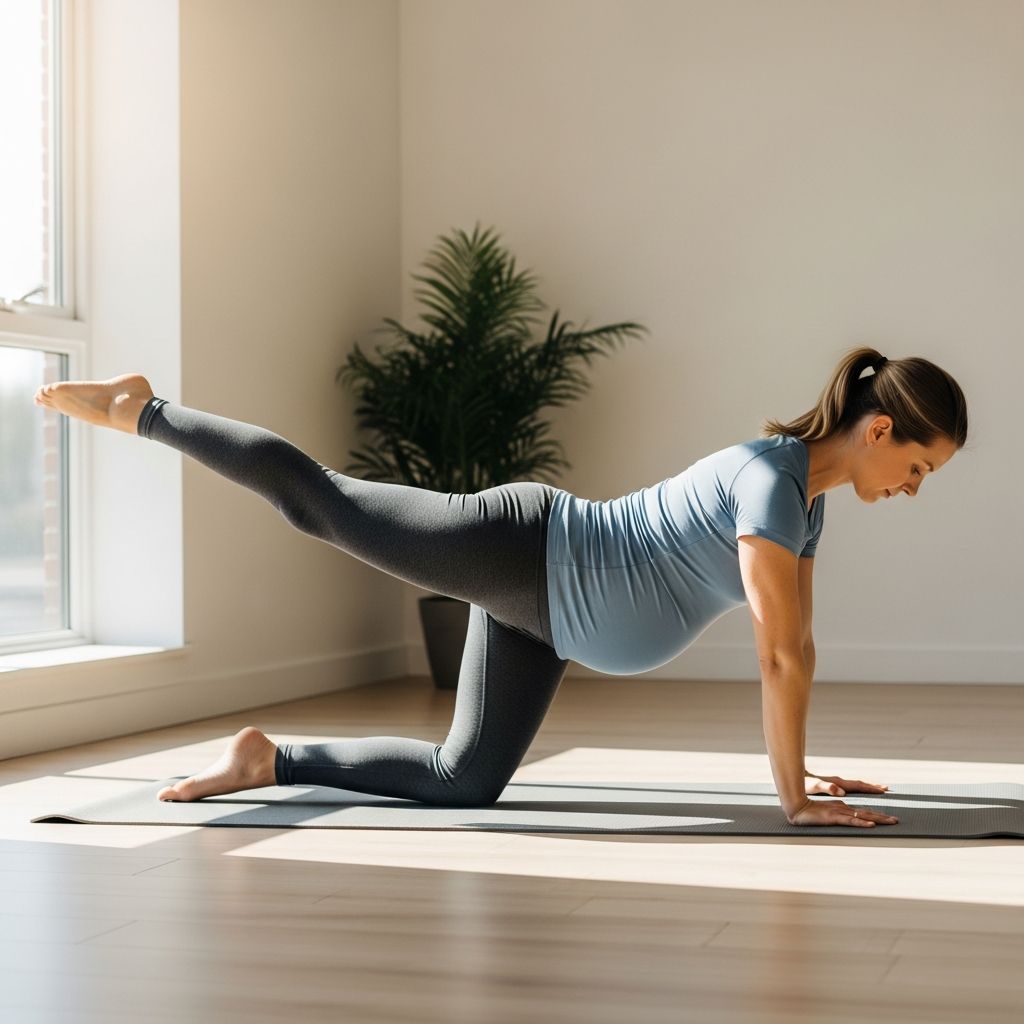
Prenatal Pilates offers expecting mothers a gentle yet powerful way to prepare their bodies for the demands of childbirth. By focusing on controlled movements, deep breathing, and core engagement, this low-impact exercise method builds resilience, reduces discomfort, and enhances overall well-being during pregnancy.
Why Prenatal Pilates Stands Out for Expecting Mothers
Pilates, originally developed for rehabilitation and strength, adapts seamlessly to pregnancy needs. Unlike high-intensity workouts, it emphasizes precision, alignment, and breath, making it ideal for the changing body. Studies confirm its role in shortening labor stages and alleviating pain without risking mother or baby.
Regular sessions—typically 45-60 minutes, twice weekly—promote better posture as the belly grows, countering the forward pull that strains the back. This mindful practice also fosters a deeper mind-body connection, crucial for navigating labor’s intensity.
Key Physical Advantages of Pilates During Pregnancy
Pilates targets multiple areas vital for pregnancy and birth. Here’s how it transforms the body:
- Core Stability: Maintains abdominal integrity, preventing diastasis recti where muscles separate. A strong core supports the uterus and improves balance.
- Pelvic Floor Reinforcement: Exercises activate these muscles, essential for supporting the baby and aiding pushing during delivery. Stronger pelvic floors correlate with less incontinence and easier births.
- Enhanced Flexibility and Mobility: Gentle stretches open hips and lengthen spine, easing common aches like lower back pain and sciatica.
- Improved Circulation and Stamina: Controlled movements boost blood flow, reducing swelling and building endurance for labor’s marathon-like effort.
Research from randomized trials shows women practicing Pilates experience significantly shorter active labor phases and second stages, with mean labor duration reduced notably compared to non-exercisers.
How Pilates Breathwork Prepares You for Labor
Breath is Pilates’ cornerstone, teaching diaphragmatic patterns that mirror labor breathing. Inhale to expand the ribcage, exhale to engage the core and pelvic floor—this technique releases tension and optimizes oxygen delivery.
During contractions, these patterns help manage pain by activating relaxation responses. One study noted Pilates practitioners reported lower pain scores on visual analog scales and higher childbirth satisfaction.
| Breathing Phase | Pilates Technique | Birth Benefit |
|---|---|---|
| Inhale | Expand ribs laterally | Increases oxygen for baby and muscle relaxation |
| Exhale | Draw navel to spine, lift pelvic floor | Supports pushing, reduces strain |
| Hold | Maintain gentle engagement | Builds focus and endurance |
Safe and Effective Prenatal Pilates Exercises
Always consult a healthcare provider before starting, especially if high-risk. Work with certified prenatal instructors to modify for trimesters. Below are beginner-friendly moves:
- Pelvic Tilts: On all fours, rock pelvis forward and back. Strengthens lower abs, relieves back tension. 10-15 reps.
- Cat-Cow Flow: Alternate arching and rounding spine with breath. Improves spinal mobility, eases round ligament pain. 8-10 cycles.
- Side-Lying Leg Lifts: Lie on side, lift top leg slowly. Targets glutes and hips for better birth positioning. 12 per side.
- Seated Kegels with Breath: Sit tall, inhale to relax, exhale to contract pelvic floor. Builds control for delivery. 20 reps.
- Modified Squats: Feet wide, lower as if sitting back. Opens pelvis, strengthens legs and floor. 10-12 reps.
Progress gradually; use props like balls or reformers for support in later stages. Avoid supine positions after first trimester to prevent vena cava compression.
Mental and Emotional Gains from Prenatal Pilates
Beyond physical perks, Pilates cultivates calm. It lowers anxiety, with one trial showing better state-trait anxiety scores in Pilates groups versus controls.
Mindful focus during sessions translates to labor, where concentration aids pain coping. Participants often report heightened satisfaction post-birth, linked to feeling empowered and prepared.
- Reduces fear of childbirth, dropping from moderate to low levels after programs.
- Improves sleep quality, combating pregnancy insomnia.
- Fosters body positivity amid rapid changes.
Evidence from Clinical Studies on Birth Outcomes
Rigorous research validates Pilates’ impact. A randomized controlled trial with 110 primiparous women found Pilates (twice weekly, 8 weeks) cut labor pain intensity, active phase length, and second stage duration (p<0.05), with overall labor shorter (p=0.004). No differences in episiotomy, delivery type, or neonatal Apgar scores.
Another study combined Pilates with training: participants gained less weight, felt less pain, had lower anxiety, and better infant Apgar scores (p<0.05).
Scoping reviews affirm benefits for pain, depression, sleep, and pelvic function, recommending integration into antenatal care.
Adapting Pilates Across Pregnancy Trimesters
First Trimester: Build Foundations
Focus on nausea-friendly mat work: gentle rolls, footwork, and breath drills. Establish pelvic awareness early.
Second Trimester: Boost Strength
Incorporate standing and side series. Emphasize hip openers as energy peaks.
Third Trimester: Prioritize Comfort
Use walls, chairs for support. Shorten sessions; prioritize pelvic floor and breath for labor rehearsal.
Monitor for dizziness or pain; hydrate and rest as needed.
Postpartum Transition: Continuing Pilates Benefits
Pilates aids recovery by gently rebuilding core and floor post-delivery. Wait 6-8 weeks or doc approval. Start with basics to heal diastasis and restore alignment.
Frequently Asked Questions (FAQs)
Is prenatal Pilates safe for all pregnancies?
Generally yes for low-risk; consult your OB-GYN. Avoid if preterm labor history or placenta issues.
How often should I practice Pilates while pregnant?
2-3 sessions weekly, 45-60 minutes. Combine with walks for balance.
Can Pilates reduce the need for pain meds in labor?
Studies show lower pain intensity and epidural requests, but not elimination.
What’s the best Pilates equipment for pregnancy?
Mat-based is safest; reformers with instructor guidance in studios.
Does Pilates affect baby outcomes?
No negative impacts; some studies note better Apgar scores.
Getting Started: Tips for Success
Choose certified prenatal instructors via reputable studios. Online classes work if modified properly. Track progress in a journal: note energy, aches, mood. Pair with nutrition and rest for holistic prep.
Pilates empowers women to approach birth with strength and serenity, backed by science and real results.
References
- The effectiveness of a Pilates exercise program during pregnancy on the outcomes of childbirth in primiparous women — Ghandali et al., PMC. 2021-07-01. https://pmc.ncbi.nlm.nih.gov/articles/PMC8253242/
- Prenatal Pilates: Benefits of Pilates During Pregnancy — The Bump. Recent access 2026. https://www.thebump.com/a/doing-pilates-during-pregnancy
- The effects of pilates method in pregnant women: scoping review — PMC. 2024. https://pmc.ncbi.nlm.nih.gov/articles/PMC12020081/
- Exploring the Emotional and Physical Benefits of Pilates During Pregnancy — Rise Integrative. Recent. https://www.riseintegrative.com/exploring-the-emotional-and-physical-benefits-of-pilates-during-pregnancy
- How Prenatal Pilates Can Improve Your Birth — Expecting Pelvic Health. Recent. https://www.expectingpelvichealth.com/blog-posts/how-prenatal-pilates-can-improve-your-birth
- Benefits of Prenatal Pilates — Pilates Anytime. Recent. https://www.pilatesanytime.com/blog/pregnancy/benefits-of-prenatal-pilates
- Top 5 Pilates Moves for Pregnancy and Postpartum — Hospital for Special Surgery (HSS). Recent. https://www.hss.edu/health-library/move-better/pilates-during-pregnancy