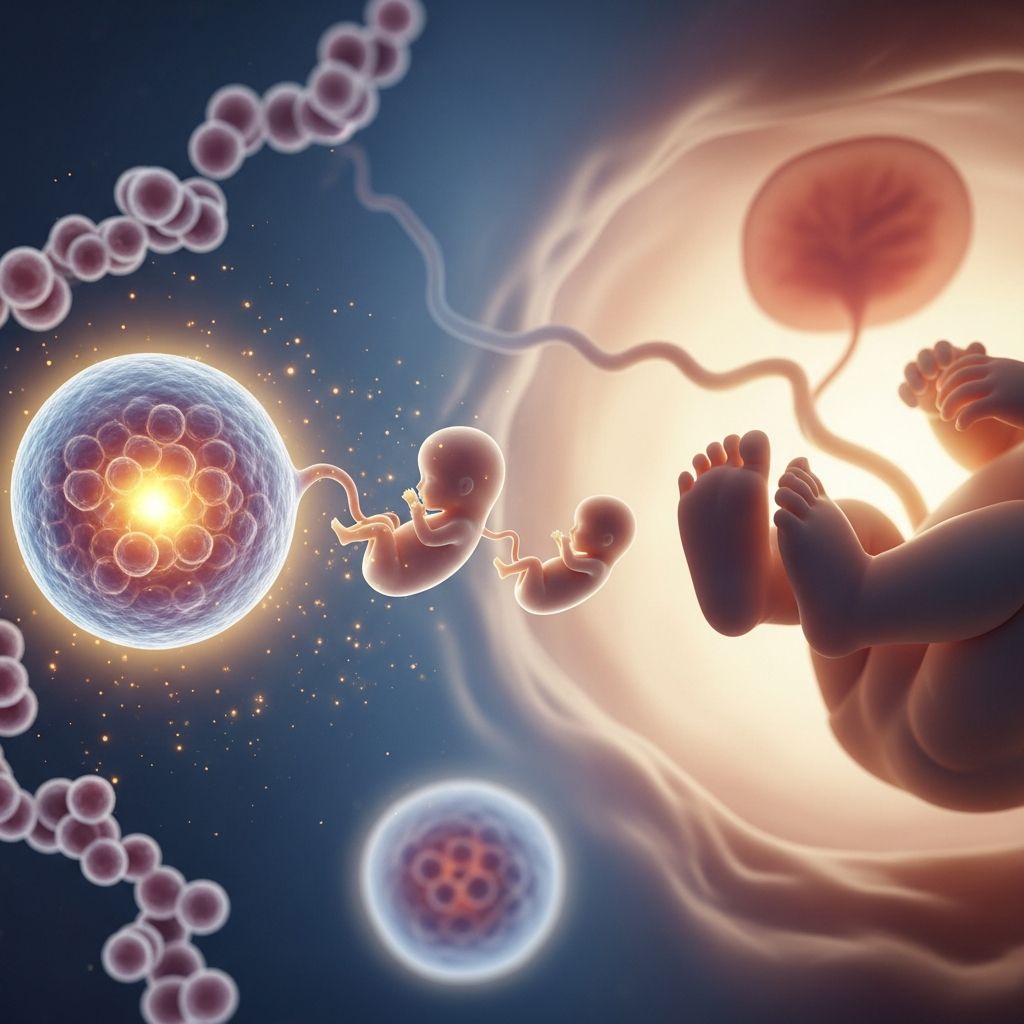
Before a baby takes a first breath, an incredible story unfolds inside the womb. Understanding how prenatal development works helps parents feel more confident, ask better questions, and make informed decisions throughout pregnancy.
What Prenatal Development Means
Prenatal development refers to everything that happens from the moment an egg is fertilized until the baby is born. During this time, cells divide, organs form, and the baby’s body systems gradually learn to function well enough for life outside the uterus.
Health and environment during pregnancy can influence this process. Factors like nutrition, medical care, stress levels, and exposure to substances all contribute to how smoothly development progresses.
- Biological changes: Growth of organs, bones, muscles, and the nervous system.
- Environmental influences: Nutrition, infections, medications, and lifestyle choices.
- Support systems: The placenta, umbilical cord, and amniotic fluid help protect and nourish the baby.
Three Major Phases Before Birth
Although pregnancy is often described in weeks and trimesters, prenatal development also follows three biological phases: the germinal phase, the embryonic phase, and the fetal phase. Each has its own key events and vulnerabilities.
| Phase | Approximate Time Frame | Main Features |
|---|---|---|
| Germinal phase | Conception to about 2 weeks | Fertilized egg divides rapidly and implants in the uterus. |
| Embryonic phase | About 3 to 8 weeks | Major organs and body structures start forming. |
| Fetal phase | About 9 weeks to birth | Organs mature, body grows, and movements become stronger and more coordinated. |
From Conception to Implantation: The Earliest Days
Pregnancy begins when a sperm cell joins with an egg, usually in the fallopian tube. This single cell, called a zygote, contains a full set of genetic instructions that shape everything from hair color to certain health risks.
Within days, the zygote divides into many cells and moves toward the uterus. Once it reaches the uterine lining, it burrows in and begins forming structures that will support the developing baby, including the early placenta.
- The cluster of cells rapidly multiplies and starts to specialize.
- Support tissues develop to help transport nutrients and oxygen.
- Many pregnancies end at this very early stage, often before a missed period, without the parent ever realizing it.
Early Organ Formation: The Embryonic Phase
Once implanted, the developing baby is usually called an embryo. This is a time of intense construction work, when the foundations of all major organs and body systems are laid down.
Because these basic structures form so quickly, this phase is especially sensitive to harmful exposures such as certain medications, alcohol, tobacco, or infections. Medical providers often focus strongly on healthy habits during this time.
Key Developments in Early Weeks
- A tube forms that will eventually become the brain and spinal cord.
- The early heart begins to take shape and starts to beat.
- Small buds appear where arms and legs will grow.
- Early facial features and the beginnings of eyes and ears start to develop.
Even though the embryo is still very small, many essential systems are now in place and will continue to refine and grow in the weeks to come.
Growing Into a Baby: The Fetal Phase
After the initial construction phase, the developing baby is typically referred to as a fetus. The overall body plan is established, and the focus shifts to growth, fine-tuning, and preparation for life outside the uterus.
Movements start as tiny, coordinated actions long before they can be felt. Over time, the fetus learns to swallow, practice breathing motions, and respond to sounds and light.
Highlights Across the Middle Months
- Muscles strengthen, and the fetus begins to move arms and legs more regularly.
- Fingers and toes become distinct, and nails, hair, and eyebrows grow.
- The digestive system starts producing early waste material.
- The nervous system grows more complex, helping movements become smoother and more purposeful.
Later Pregnancy and Readiness for Birth
In the final months, the main job is growth. Body fat accumulates under the skin, making the baby look less wrinkled, and the lungs and brain go through major finishing steps.
- Lungs mature so the baby can breathe air after delivery.
- Brain connections multiply, supporting reflexes and basic responses.
- Body position often shifts, with the head moving downward in preparation for birth.
The Supporting Team: Placenta, Cord, and Amniotic Fluid
Prenatal development does not happen in isolation. The baby relies on a set of support systems that handle nutrition, waste removal, and protection from physical jolts.
The Placenta
The placenta attaches to the uterine wall and connects to the baby through the umbilical cord. It allows oxygen and nutrients to move from the parent’s bloodstream to the baby while carrying away waste products.
- Acts as a filter, but does not block all harmful substances.
- Produces hormones that help sustain pregnancy.
- Is delivered after the baby is born, often called the “afterbirth.”
The Umbilical Cord
The umbilical cord contains blood vessels that carry blood back and forth between the baby and the placenta. A special jelly-like tissue protects these vessels from being compressed.
Amniotic Fluid and Sac
The baby floats in a protective sac filled with amniotic fluid. This environment cushions movements, keeps temperature steady, and gives the baby room to grow and move.
Common Prenatal Tests and What They Show
Health care providers use various tests and screenings to monitor prenatal development. These tools help confirm due dates, assess growth, and detect some medical conditions before birth.
Typical Monitoring Methods
- Physical exams: Measuring the abdomen, checking weight, and monitoring blood pressure.
- Ultrasound imaging: Using sound waves to create pictures of the growing baby and observe movement, heartbeat, and general anatomy.
- Blood and urine tests: Screening for anemia, infections, and other conditions that may affect pregnancy.
Screening vs. Diagnostic Tests
Some tests estimate the chance of certain conditions, while others aim to give a more definite answer. Screening tests help identify who may benefit from further evaluation.
- Screening tests: Identify increased risk but do not confirm a diagnosis.
- Diagnostic tests: Provide more precise information but may be more invasive or carry small risks.
- Decisions about testing are personal and often guided by discussions with a healthcare professional.
Supporting Healthy Prenatal Development
While not every outcome can be controlled, parents can take meaningful steps to support a healthier pregnancy and developmental environment. Small, consistent habits often matter more than occasional big changes.
Health Habits That Make a Difference
- Attend regular prenatal visits and follow medical advice on supplements and medications.
- Eat a balanced diet that includes fruits, vegetables, whole grains, and sources of protein and healthy fats.
- Avoid smoking, vaping, recreational drugs, and alcohol, which can interfere with organ development and growth.
- Get enough rest and gentle physical activity as recommended by a healthcare provider.
- Discuss any chronic conditions, such as diabetes or high blood pressure, to keep them well-managed during pregnancy.
Emotional and Mental Well-Being
Emotional health is part of prenatal health. High levels of ongoing stress can affect sleep, appetite, and overall well-being, which in turn may influence pregnancy.
- Seek support from partners, friends, or groups for expectant parents.
- Practice relaxation techniques like deep breathing or meditation.
- Talk with a healthcare provider if feeling persistently anxious, sad, or overwhelmed.
When Development Does Not Go as Expected
Sometimes, prenatal development follows a different path because of genetic factors, infections, exposure to harmful substances, or unknown causes. These changes can lead to structural differences, growth delays, or health conditions present at birth.
Detection of a possible problem does not always mean a poor outcome. In many cases, early identification allows for specialized monitoring, planning, or treatment during pregnancy or soon after birth.
- Some variations are mild and may not significantly affect long-term health.
- Others may require surgeries, therapies, or ongoing care after birth.
- Genetic counselors and specialists can help families understand test results and options.
Frequently Asked Questions About Prenatal Development
How early does the heart start beating?
The early heart structure begins forming quite soon after implantation, and a detectable heartbeat usually appears in the first several weeks of pregnancy. The exact timing can vary, and equipment type and technique also influence when it can be seen or heard.
When do most people feel the baby move?
Movements start well before they are strong enough to be felt. Many first-time pregnant people notice flutters somewhere in the middle of pregnancy, while those who have been pregnant before may recognize movements a bit sooner.
Does stress affect the baby’s development?
Short-term stress is common and usually not harmful by itself. Long-lasting, intense stress can influence sleep, appetite, and health habits, which may indirectly affect pregnancy, so finding ways to reduce or manage it is helpful.
Can talking or playing music help the baby?
Later in pregnancy, the baby can detect sounds through the womb. While research continues on how this shapes development, many families enjoy talking, singing, or reading aloud as a way to bond before birth.
Is every pregnancy the same?
No two pregnancies are exactly alike. Growth charts and timelines provide averages, but individual babies may reach milestones at slightly different times and still be completely healthy.
Bringing It All Together
Prenatal development is a complex, finely tuned process that turns a single cell into a newborn ready to meet the world. Learning how this process unfolds helps parents appreciate each stage, from the earliest cell divisions to the first strong kicks.
By combining regular medical care, healthy habits, and emotional support, families can create a strong foundation for both pregnancy and the life that follows.